
Neoclassical Music ⁞ New Releases⁞ Artist Interviews⁞ Music News
Introduction of Neoclassical Music
Neoclassical music is a style of classical music that is characterized by its use of traditional forms and styles, as well as a focus on structure and balance. It is often seen as a reaction against the romantic style of music, which was characterized by emotion and passion, and was influenced by the ideas of the Enlightenment, which valued reason and classical learning.
Some of the key features of neoclassical music include the use of traditional forms such as sonata form, the use of clear and concise melodies, and the incorporation of elements of folk music and popular music. Neoclassical music also often featured a return to tonality, which is the use of a specific key or tonal center in a piece of music.
The neoclassical style has had a lasting influence on classical music, and it continues to be an important part of the classical repertoire
Favorite Neoclassical Music on Spotify
Favorite Neoclassical Videos on Youtube
Recent Neoclassical Interviews
Neoclassical Features
Latest Neoclassical discoveries

Greg Guillaume – Transcendence
The anxious spirit of Greg Guillaume calls for adventure and unleash of hidden powers via this exclusively Epic track. Full of energy, ecstatic and with excell... >>> Read more & listen to this song on Nagamag #cinematic #epicmusic #neoclassical #nagamag #musicmagazine
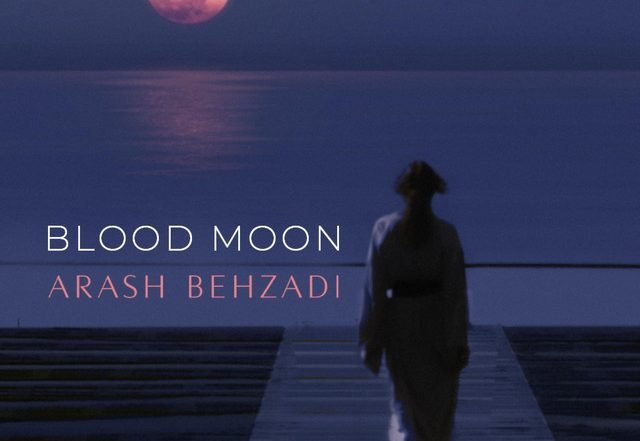
Arash Behzadi – Blood Moon
The silhouette of the bloody moon froze over the line of the black horizon, like a picture of an unknown artist in an immense gallery of wildlife. It is amazin... >>> Read more & listen to this song on Nagamag #cinematic #epicmusic #neoclassical #nagamag #musicmagazine
Daniel O’Rhys – A Leaf, Floating
“Если эту очаровательную, классическую мелодию можно охарактеризовать, как парящее в небе облако, то это будет самым верным и единственным определением. Такое же... >>> Read more & listen to this song on Nagamag #solopiano #neoclassical #nagamag #musicmagazine

Andrea Vanzo – Spring
“Весной происходит обновление всего, что нас окружает, в том числе и музыка, мелодия которой в душе каждого обретает новые краски. И что может быть прекраснее, ч... >>> Read more & listen to this song on Nagamag #crossoverclassical #neoclassical #nagamag #musicmagazine

Luis Paul – Beyond
“Get ready for a trip beyond this world, in another reality and dimension of sound. Luis Paul has set the scene of something unique. Swirling violin and piano st... >>> Read more & listen to this song on Nagamag #cinematic #epicmusic #neoclassical #nagamag #musicmagazine

Jess Hendricks – Justice Dawns
“The master Jess Hendricks strikes with imposing Cinematic style and wide atmospheric patterns. Mysterious and strangely soft, this track can leave a memorable s... >>> Read more & listen to this song on Nagamag #cinematic #epicmusic #neoclassical #nagamag #musicmagazine
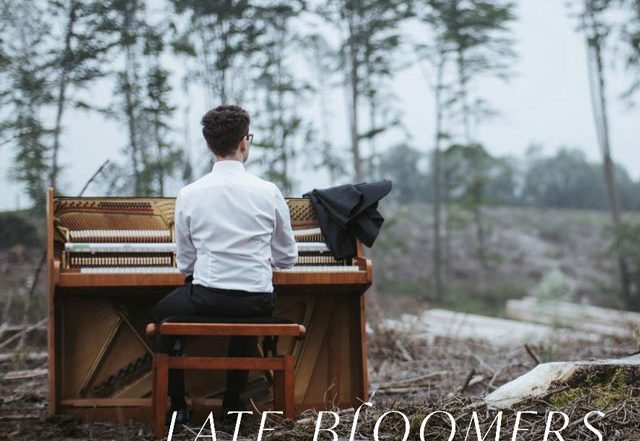
Roman Nagel – Signs & Promises
“Иногда бывают мгновения, когда хочется остановиться и обдумать сделанные шаги и пройденный путь. Новая композиция -Roman Nagel- помогает сфокусироваться на подо... >>> Read more & listen to this song on Nagamag #solopiano #neoclassical #nagamag #musicmagazine
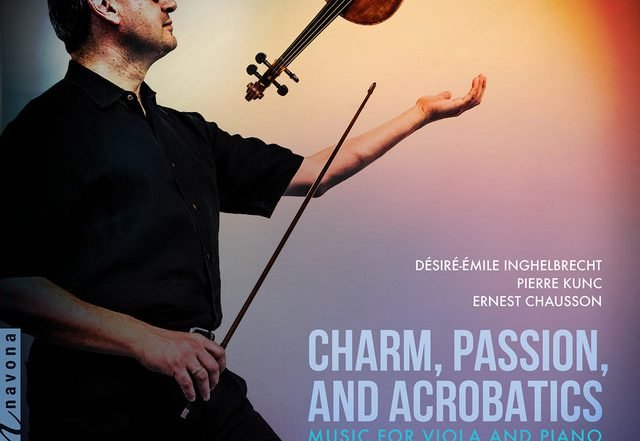
Désiré-Émile Inghelbrecht x John Owings x Misha Galaganov – Prélude et Saltarelle
“Прекрасный пример классической музыки, в котором так ярко выражена мелодия скрипки и пиано. Они как первые лучи солнца по весне, на чьё тепло из-под снега выгля... >>> Read more & listen to this song on Nagamag
Bryan Senti – Humo
“Густые, тяжёлые тучи над поникшими в тумане ветвями деревьев. Здесь не слышен крик пролетающих птиц, нет шелеста ветра и шороха листвы под ногами. Всё, что откр... >>> Read more & listen to this song on Nagamag #neoclassical #nagamag #musicmagazine
Difference between Classical and Neoclassical Music
Classical music refers to a broad range of music written in the classical tradition, which encompasses a wide range of styles and forms. It is generally characterized by its formal structure and its use of traditional instruments and ensemble configurations.
Neoclassicism is a style of music that refers to the revival and use of classical forms and styles in music, particularly in the 18th and early 19th centuries. It is characterized by its use of clear, concise forms and a focus on structure and balance. Neoclassicism was a reaction against the romantic style of music, which was characterized by emotion and passion, and was influenced by the ideas of the Enlightenment, which valued reason and classical learning.
Some of the key differences between classical and neoclassical music include:
Time period: Classical music refers to music written during the classical period (1730-1820), while neoclassicism refers to music written after the classical period that incorporates elements of classical forms and styles.
Emphasis on structure: Classical music is known for its formal structure and the use of traditional forms such as the sonata and the symphony. Neoclassical music also places a strong emphasis on structure, but may also incorporate elements of popular music and folk music.
Emphasis on emotion: Classical music is often more reserved and formal in its emotional expression, while neoclassicism tends to be more emotional and expressive.
Use of tonality: Both classical and neoclassical music use tonality, but neoclassicism often incorporates a wider range of tonal structures and may experiment with atonality.
Use of traditional instruments: Both classical and neoclassical music use traditional classical instruments such as strings, woodwinds, brass, and percussion. However, neoclassicism may also incorporate elements of popular music and folk music, and may use a wider range of instruments.
Overall, the main difference between classical and neoclassical music is the time period in which the music was written, and the specific techniques and styles used by the composer. Classical music is generally more formal and reserved in its expression, while neoclassicism tends to be more expressive and may incorporate elements of popular music and folk music.
The most used instruments in Neoclassical Music
In neoclassical music, the most common instruments used are those found in the classical orchestra, including:
Strings: Violin, viola, cello, double bass
Woodwinds: Flute, oboe, clarinet, bassoon
Brass: Trumpet, French horn, trombone, tuba
Percussion: Timpani, snare drum, bass drum, cymbals, xylophone, marimba, triangle
Keyboard: Piano, harpsichord
These instruments are often used to create a wide range of textures and sounds, and are featured in many different types of classical music, including neoclassical music. In addition to these instruments, many composers also incorporate elements of popular music and folk music into their compositions, and may use a variety of other instruments such as guitars, bass, drums, and synthesizers.
It’s also worth noting that many composers and performers of neoclassical music are skilled in a variety of different instruments, and may switch between different instruments in order to achieve the desired sound and texture.
Vocals are sometimes used in neoclassical music, although they are not as common as instrumental music. When vocals are used in neoclassical music, they are typically performed by trained classical singers who have the ability to sing with precise pitch and control.
One common use of vocals in neoclassical music is in operatic compositions, where singers perform arias and recitatives in a style that is similar to traditional opera. Neoclassical opera is a subgenre of classical music that combines elements of traditional opera with elements of neoclassicism, and often incorporates elements of popular music and folk music.
In addition to operatic vocals, vocals may also be used in other forms of neoclassical music, such as choral music or vocal chamber music. Some composers may also incorporate elements of popular music or folk music into their compositions, and may use vocals in a more modern or experimental style.
It’s worth noting that the use of vocals in neoclassical music is highly dependent on the individual composer and the specific piece of music, and not all neoclassical compositions will feature vocals.