
Electronica Music ⁞ New Releases⁞ Artist Interviews⁞ Music News
Introduction of Electronica Music
Electronica is a broad term that encompasses a variety of electronic music genres, including electronic dance music (EDM), techno, house, trance, and many others. These genres are characterized by the use of electronic instruments and computer-based production techniques to create music that is often designed for dancing and listening in clubs and other party settings. Electronica music often features electronic beats and synthesizers, as well as other electronic sounds and effects, and can range from high-energy, upbeat tracks to more atmospheric, ambient compositions. Electronica has a wide and diverse following, and is a major influence on contemporary popular music.
Electronica Playlist by Nagamag on Spotify
Favorite Electronica Videos on Youtube
Recent Electronica Interviews
Electronica Featured Releases
Latest Electronica discoveries
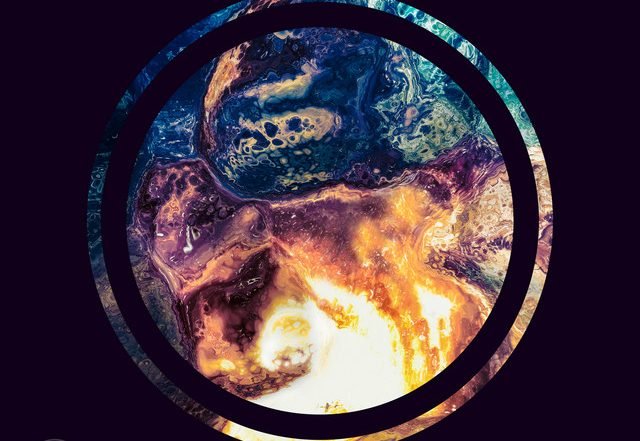
AFTERUS – Too Much Time
-AFTERUS- work in the genre of Transe and Edm and in their new single they are not inferior to such favorites of the musical scene as TIESTO and AVICII. A dyna... >>> Read more & listen to this song on Nagamag #trance #edm #nagamag #musicmagazine

Spoke – Everything
Everything is subject to you, because next to you now there will always be the rhythms of the SLAP House and the atmosphere of Edm sound. Dynamics, power and a... >>> Read more & listen to this song on Nagamag #slaphouse #brazilianbass #edm #nagamag #musicmagazine

Layto, Jaymmac – Lost it
Even with a rather strong vocalist, the music Indie Electronic is not lost against his background and correctly emphasizes all its beauty. This is energetic, s... >>> Read more & listen to this song on Nagamag #indieelectronic #indiepop #nagamag #musicmagazine
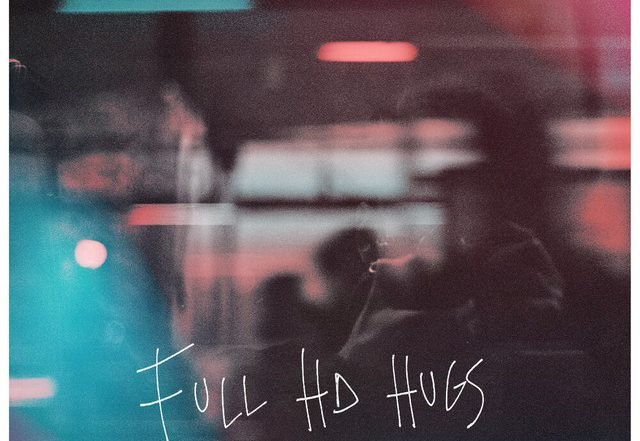
Comakid – Full HD Hugs feat. Brooke Howard
Yes, you fell into the arms of the broken rhythms of IDM and Glitch music. If you manage to solve this incredible riddle and catch each sound, simultaneously l... >>> Read more & listen to this song on Nagamag #idm #glitch #lofihouse #indietronica #nagamag #musicmagazine

Departure – Fresco, parce
The original and distinguished Trip-Hop track, the musical component of which very naturally conveys the inner world -departure-. Sound picture, arrangement an... >>> Read more & listen to this song on Nagamag #triphop #downtempo #indietronica #nagamag #musicmagazine

MANI x Maha Taheri – MA
Hypnotic Trip-Hop with a magic vocal that comes from the very bowels of the duet -mani and Maha Taheri-. Music, which forms the images of a soul wandering some... >>> Read more & listen to this song on Nagamag #electropop #triphop #nagamag #musicmagazine

TORNIK – The Way
If your music collection does not have a single track -tornik-, then we strongly recommend paying attention to its new single. This is an ideal example of a cl... >>> Read more & listen to this song on Nagamag #progressivehouse #nagamag #musicmagazine

Martini Police – Night Drive
When you rush along the highway and an infinite number of various lights flashes outside the windows, you need to change the bored radio station and turn on th... >>> Read more & listen to this song on Nagamag #commercial #adultcontemporary #lightdrum #bass #nagamag #musicmagazine
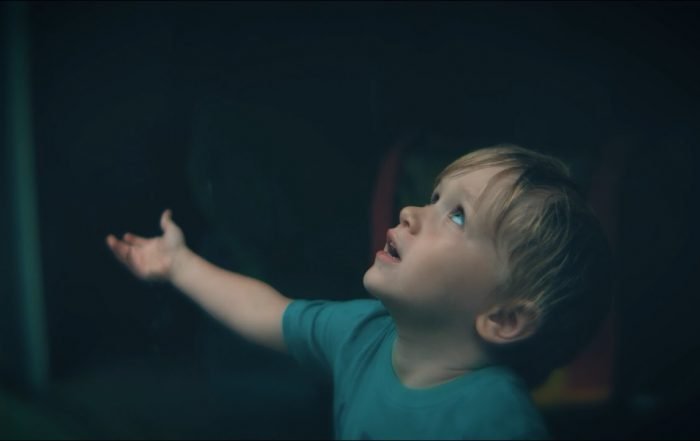
Avalon Skies – Sindrandi
Crafted from various electronic elements, this gem is ready to shine like a star in the dark skies. The skillful artist Antti Pihlajaniemi shares a part from h... >>> Read more & listen to this song on Nagamag #organichouse #indieelectronic #chillwave #nagamag #musicmagazine
Some Electronica subgenres
There are many subgenres within the broad umbrella of electronica music. Some of the more well-known subgenres include:
Techno: This genre originated in Detroit in the 1980s and is characterized by its use of electronic instruments and computer-based production techniques to create music that is often experimental and experimental.
House: This genre originated in Chicago in the 1980s and is characterized by its use of electronic instruments and computer-based production techniques to create music that is often upbeat and danceable.
Trance: This genre is characterized by its use of electronic instruments and computer-based production techniques to create music that is often hypnotic and characterized by repetitive rhythms and melodies.
Electro house: This genre is a fusion of house and electro, and is characterized by its use of electronic instruments and computer-based production techniques to create music that is often upbeat and energetic.
Dubstep: This genre originated in the UK in the late 1990s and is characterized by its use of electronic instruments and computer-based production techniques to create music that is often characterized by heavy bass and complex rhythms.
Drum and Bass: This genre originated in the UK in the 1980s and is characterized by its use of electronic instruments and computer-based production techniques to create music that is often characterized by fast tempos and complex rhythms.
Ambient: This genre is characterized by its use of electronic instruments and computer-based production techniques to create music that is often atmospheric and ambient.
Breakbeat: This genre is characterized by its use of electronic instruments and computer-based production techniques to create music that is often characterized by broken beat rhythms.
IDM (Intelligent Dance Music): This genre is characterized by its use of electronic instruments and computer-based production techniques to create music that is often experimental and characterized by complex rhythms and structures.
Electroclash: This genre is a fusion of electro and punk, and is characterized by its use of electronic instruments and computer-based production techniques to create music that is often characterized by a raw and edgy sound.
Glitch: This genre is characterized by its use of electronic instruments and computer-based production techniques to create music that is often characterized by the use of digital errors and glitches as part of the musical structure.
Acid House: This genre originated in the UK in the 1980s and is characterized by its use of electronic instruments and computer-based production techniques to create music that is often characterized by the use of the Roland TB-303 synthesizer.
Acid Techno: This genre is a fusion of techno and acid house, and is characterized by its use of electronic instruments and computer-based production techniques to create music that is often characterized by the use of the Roland TB-303 synthesizer.
These are just a few more examples of the many subgenres within the broad umbrella of electronica music. There are many other subgenres as well, each with its own unique characteristics and influences.
The most used instruments in Electronica Music
There are many electronic instruments and computer-based production techniques that are commonly used in electronica music. Some of the most common instruments and equipment used in electronica music production include:
Synthesizers: Synthesizers are electronic instruments that generate sound by creating and modifying waveforms. They are an essential part of many electronica music genres and are often used to create a wide range of electronic sounds, including bass lines, lead melodies, and special effects.
Drum machines: Drum machines are electronic instruments that are used to create and sequence electronic drum sounds. They are an essential part of many electronica music genres and are often used to create beats and rhythms.
Samplers: Samplers are electronic instruments that are used to record, manipulate, and play back audio samples. They are often used in electronica music to create beats and rhythms, as well as to incorporate pre-recorded sounds and samples into music.
Digital audio workstation (DAW): A digital audio workstation (DAW) is a computer software program that is used to create, edit, and produce music. Many electronica music producers use a DAW to create, arrange, and mix their music.
DJ controller: A DJ controller is a device that is used to control a digital audio workstation or DJ software. Many electronica music DJs use a DJ controller to mix and scratch electronic music in real-time.
Effects processors: Effects processors are electronic devices that are used to modify the sound of an audio signal. Many electronica music producers use effects processors to add special effects to their music, such as reverb, delay, and distortion.
Vocals: Vocals can be used in psychill music, although they are not always a prominent feature of the genre. Some psychill tracks may feature vocals as the main focus of the music, while in other cases, vocals may be used more sparingly as an additional element within the music.
When vocals are used in psychill music, they can take a variety of forms, including singing, spoken word, or chanting. The lyrics of psychill tracks may be abstract or metaphorical, or they may be more literal and narrative in nature. In some cases, vocals in psychill music may be treated as another instrument, with the use of pitch shifting, effects processing, and other production techniques to create unique and otherworldly sounds.
Overall, the use of vocals in psychill music is a matter of artistic choice and can vary widely from one track to the next. Some psychill tracks may feature prominent vocals, while others may use vocals sparingly or not at all.
These are just a few examples of the electronic instruments and computer-based production techniques that are commonly used in electronica music. There are many other electronic instruments and technologies that are also used in electronica music production, each with its own unique capabilities and characteristics.