
Neoclassical Music ⁞ New Releases⁞ Artist Interviews⁞ Music News
Introduction of Neoclassical Music
Neoclassical music is a style of classical music that is characterized by its use of traditional forms and styles, as well as a focus on structure and balance. It is often seen as a reaction against the romantic style of music, which was characterized by emotion and passion, and was influenced by the ideas of the Enlightenment, which valued reason and classical learning.
Some of the key features of neoclassical music include the use of traditional forms such as sonata form, the use of clear and concise melodies, and the incorporation of elements of folk music and popular music. Neoclassical music also often featured a return to tonality, which is the use of a specific key or tonal center in a piece of music.
The neoclassical style has had a lasting influence on classical music, and it continues to be an important part of the classical repertoire
Favorite Neoclassical Music on Spotify
Favorite Neoclassical Videos on Youtube
Recent Neoclassical Interviews
Neoclassical Features
Latest Neoclassical discoveries

Soooondsss – Fuerza de Paz
Η εξαίσια, επιβλητική μελωδία εισβάλει μέσα μας άλλοτε σαν τον ορμητικό πολεμιστή και άλλοτε σαν αγνό λευκό περιστέρι. Το δράμα και ο θυμός πολεμούν με την χαρ... >>> Read more & listen to this song on Nagamag #cinematic #epicmusic #nagamag #musicmagazine
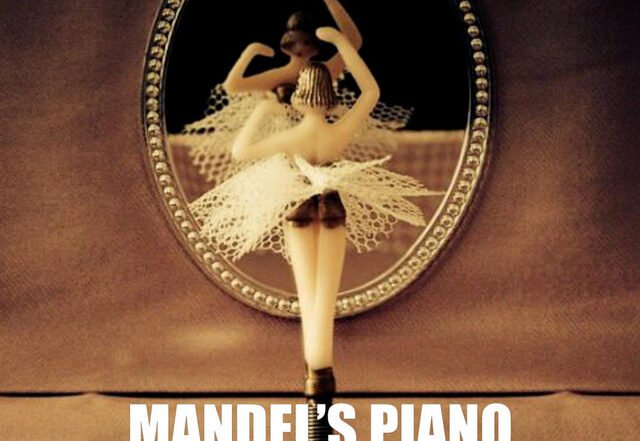
Mandel’s Piano ( Asi Mandel ) – The Music Box
Οι πρωινές δροσοσταλίδες χαρούμενες χτυπούν το τζάμι και η μελωδία σε ξυπνά γλυκά. Σαν ανέμελο παιδί τρέχεις στις σκάλες και χάνεσαι μέσα στον υπέροχο ρυθμό κά... >>> Read more & listen to this song on Nagamag #solopiano #neo #modernclassical #nagamag #musicmagazine

Vinterhage – Вербовая дощечка
Η επιδέξια μελωδία του πιάνου συναντά την μελαγχολία, η οποία καταφέρνει να γίνεται δελεαστική μέσα από τις υπέροχες αυτές νότες. Ο ρυθμός απλώνει το χέρι να σ... >>> Read more & listen to this song on Nagamag #neo #modernclassical #cinematic #epicmusic #nagamag #musicmagazine IG: @vinterhagemusikk
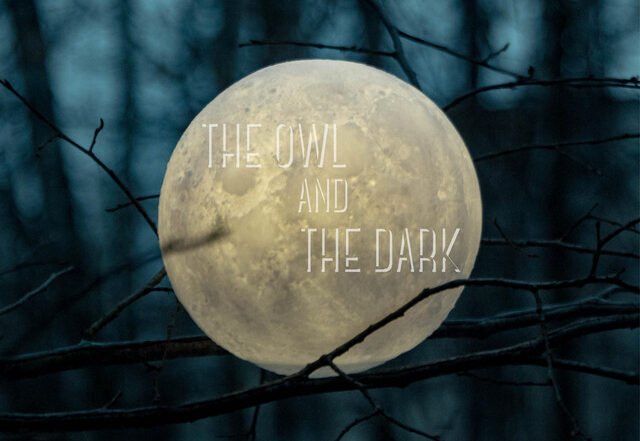
Christof R Davis – The Owl and The Dark
Very emotional and cinematic feeling within the piano theme makes a huge mark to the listener. Darker and melancholic background harmonies are creating the wor... >>> Read more & listen to this song on Nagamag #ambient #drone #neo #modernclassical #nagamag #musicmagazine TW: @cdavismusic

Neil Foster – Nightfall
Beautiful cinematic composition with amazing melancholic atmosphere that is filled with layers of sounds and harmonies. Subtle themes in the background are giv... >>> Read more & listen to this song on Nagamag #ambient #drone #nagamag #musicmagazine IG: @neil_foster_music

Sleepy Ghost – Achtung
Very atmospheric piece, with lots of sound effects that adds more to the overall mood. Piano theme is the heart and soul of the composition. Amazing editing, l... >>> Read more & listen to this song on Nagamag #solopiano #nagamag #musicmagazine IG: @sleepyghostmp3 TW: @sleepyghostmp3
Claire Bigley – Embodiment (duet)
Piano piece that is building slowly the roller coaster full of emotions and beautiful harmonies. Arrangement and themes transitions is done is such a magnifice... >>> Read more & listen to this song on Nagamag #neo #modernclassical #newage #nagamag #musicmagazine IG: @endlessquest4me

Mark Lajoie Living Waters – Hail Mary (instrumental)
Melancholic beginning layered with a perfect trumpet theme, that sets the tone of what to expect. Piano theme fading in slowly is layering that feeling and add... >>> Read more & listen to this song on Nagamag #cinematic #epicmusic #nagamag #musicmagazine
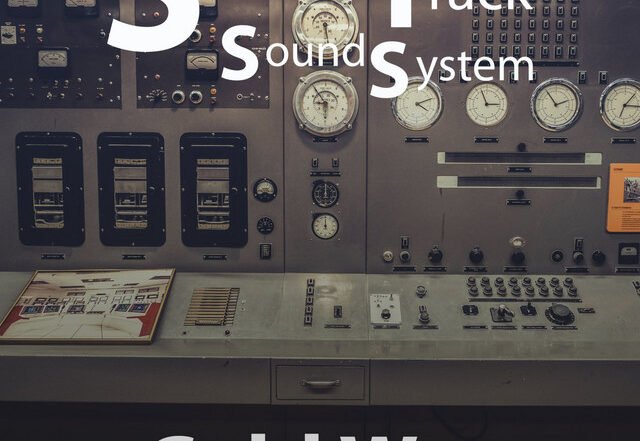
SoundTrack Sound System – Cold War
Αυτό το κρύο πρωινό η καρδιά μου βρίσκεται εγκλωβισμένη. Η όμορφη μελωδία εισχωρεί μέσα μου προσπαθώντας να μου πάρει τον πόνο και να επουλώσει τις πληγές μου.... >>> Read more & listen to this song on Nagamag #solopiano #nagamag #musicmagazine
Difference between Classical and Neoclassical Music
Classical music refers to a broad range of music written in the classical tradition, which encompasses a wide range of styles and forms. It is generally characterized by its formal structure and its use of traditional instruments and ensemble configurations.
Neoclassicism is a style of music that refers to the revival and use of classical forms and styles in music, particularly in the 18th and early 19th centuries. It is characterized by its use of clear, concise forms and a focus on structure and balance. Neoclassicism was a reaction against the romantic style of music, which was characterized by emotion and passion, and was influenced by the ideas of the Enlightenment, which valued reason and classical learning.
Some of the key differences between classical and neoclassical music include:
Time period: Classical music refers to music written during the classical period (1730-1820), while neoclassicism refers to music written after the classical period that incorporates elements of classical forms and styles.
Emphasis on structure: Classical music is known for its formal structure and the use of traditional forms such as the sonata and the symphony. Neoclassical music also places a strong emphasis on structure, but may also incorporate elements of popular music and folk music.
Emphasis on emotion: Classical music is often more reserved and formal in its emotional expression, while neoclassicism tends to be more emotional and expressive.
Use of tonality: Both classical and neoclassical music use tonality, but neoclassicism often incorporates a wider range of tonal structures and may experiment with atonality.
Use of traditional instruments: Both classical and neoclassical music use traditional classical instruments such as strings, woodwinds, brass, and percussion. However, neoclassicism may also incorporate elements of popular music and folk music, and may use a wider range of instruments.
Overall, the main difference between classical and neoclassical music is the time period in which the music was written, and the specific techniques and styles used by the composer. Classical music is generally more formal and reserved in its expression, while neoclassicism tends to be more expressive and may incorporate elements of popular music and folk music.
The most used instruments in Neoclassical Music
In neoclassical music, the most common instruments used are those found in the classical orchestra, including:
Strings: Violin, viola, cello, double bass
Woodwinds: Flute, oboe, clarinet, bassoon
Brass: Trumpet, French horn, trombone, tuba
Percussion: Timpani, snare drum, bass drum, cymbals, xylophone, marimba, triangle
Keyboard: Piano, harpsichord
These instruments are often used to create a wide range of textures and sounds, and are featured in many different types of classical music, including neoclassical music. In addition to these instruments, many composers also incorporate elements of popular music and folk music into their compositions, and may use a variety of other instruments such as guitars, bass, drums, and synthesizers.
It’s also worth noting that many composers and performers of neoclassical music are skilled in a variety of different instruments, and may switch between different instruments in order to achieve the desired sound and texture.
Vocals are sometimes used in neoclassical music, although they are not as common as instrumental music. When vocals are used in neoclassical music, they are typically performed by trained classical singers who have the ability to sing with precise pitch and control.
One common use of vocals in neoclassical music is in operatic compositions, where singers perform arias and recitatives in a style that is similar to traditional opera. Neoclassical opera is a subgenre of classical music that combines elements of traditional opera with elements of neoclassicism, and often incorporates elements of popular music and folk music.
In addition to operatic vocals, vocals may also be used in other forms of neoclassical music, such as choral music or vocal chamber music. Some composers may also incorporate elements of popular music or folk music into their compositions, and may use vocals in a more modern or experimental style.
It’s worth noting that the use of vocals in neoclassical music is highly dependent on the individual composer and the specific piece of music, and not all neoclassical compositions will feature vocals.