
Neoclassical Music ⁞ New Releases⁞ Artist Interviews⁞ Music News
Introduction of Neoclassical Music
Neoclassical music is a style of classical music that is characterized by its use of traditional forms and styles, as well as a focus on structure and balance. It is often seen as a reaction against the romantic style of music, which was characterized by emotion and passion, and was influenced by the ideas of the Enlightenment, which valued reason and classical learning.
Some of the key features of neoclassical music include the use of traditional forms such as sonata form, the use of clear and concise melodies, and the incorporation of elements of folk music and popular music. Neoclassical music also often featured a return to tonality, which is the use of a specific key or tonal center in a piece of music.
The neoclassical style has had a lasting influence on classical music, and it continues to be an important part of the classical repertoire
Favorite Neoclassical Music on Spotify
Favorite Neoclassical Videos on Youtube
Recent Neoclassical Interviews
Neoclassical Features
Latest Neoclassical discoveries

Christina Giacona and Patrick Conlon – Nocturne in C Major: À la Chopin (Spotify)
“Classical music has a unique ability to get into our hearts, pull up the soul strings and bring to a state of ecstasy. This composition carries all the best of ... >>> Read more & listen to this song on Nagamag #solopiano #newage #neoclassical #nagamag #musicmagazine Artist's Socials: IG: @onyx.lane

Ilia de Vega – Amaterasu (Spotify)
“When you think you've listened enough, you cannot expect how influencive could be a solo piano piece. When simplicity in sound meets artistry, "Amaterasu" is bo... >>> Read more & listen to this song on Nagamag #solopiano #nagamag #musicmagazine Artist's Socials: FB: @manakaotoha
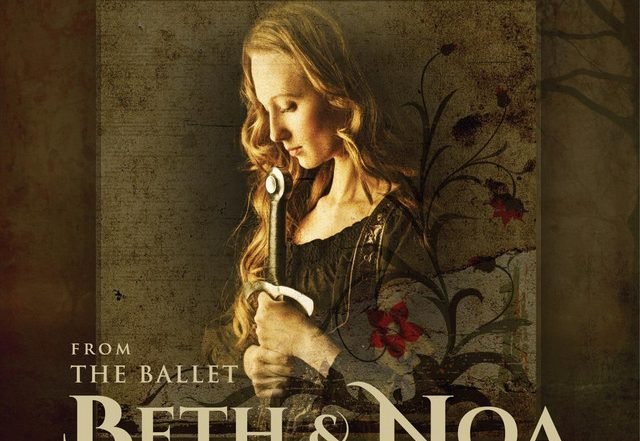
Raynald Grenier – Noble Knight, Rest in Peace (Spotify)
“Travel back in time, into an era of castles, knights and epic battles. The absolute Cinematic tale of Raynald Grenier introduces a new dimension in sound. Adven... >>> Read more & listen to this song on Nagamag #cinematic #epicmusic #neoclassical #nagamag #musicmagazine
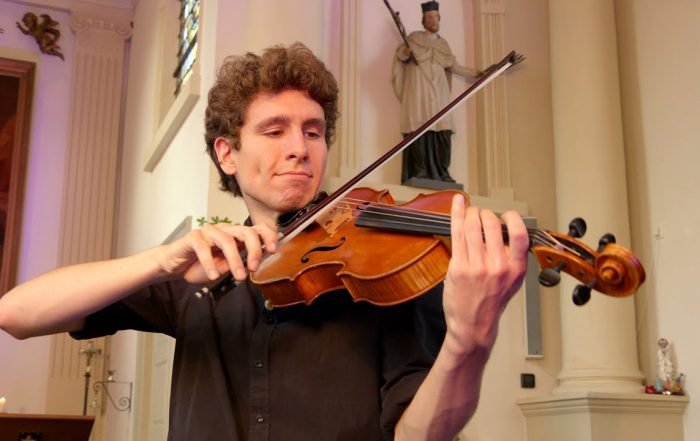
Chiel Nugter – Getijde (Video)
“If you're looking for melancholic sound with Neoclassic influences, you should check this from "Chiel Nugter". Smooth and elusive melodies from string instrumen... >>> Read more & listen to this song on Nagamag #crossoverclassical #cinematic #epicmusic #neoclassical #nagamag #musicmagazine Artist's Socials: IG: @chielnugter

Sam Miller – Mariposa (Spotify)
“Taken out from the album "Lilies", this flower brings the beauty of Neoclassical sound in our grey place. Whatever your mood, a solo piano miniature is always w... >>> Read more & listen to this song on Nagamag #solopiano #neoclassical #nagamag #musicmagazine Artist's Socials: FB: @sammillertheartist IG: @jennyinvertrecords TW: @sammiller

Hideyuki Hashimoto – Mirror (Spotify)
“"Mirror" is a colourful solo piano creation, made with care from sensitive fingers. Totally soothing sound, gently touching your ears. True elixir for your inne... >>> Read more & listen to this song on Nagamag #neoclassical #nagamag #musicmagazine Artist's Socials: IG: @nlart

Serge Luncar – Lea (Spotify)
“Composition with very wide emotional spectrum. The sound of piano is strong and colorfully transfers the inner world of -Serge Luncar-. Fragile Neoclassical wor... >>> Read more & listen to this song on Nagamag #solopiano #jazz #neoclassical #nagamag #musicmagazine Artist's Socials: IG: @serge_luncar

Gifts From Crows – The Empty Mirror (Video)
“"The empty Mirror" is an artistic Cinematic piece with advanced choreography. Mainly based on string instruments, slow progression and mysterious atmosphere tha... >>> Read more & listen to this song on Nagamag #cinematic #epicmusic #neoclassical #nagamag #musicmagazine Artist's Socials: IG: @giftsfromcrows

Samuel Musi – Cherry Blossom (Spotify)
“Faint light, slightly open curtains and smell of fresh coffee. These associations appear in mind when you immerse in this composition. Peace, harmony and bliss ... >>> Read more & listen to this song on Nagamag #solopiano #cinematic #epicmusic #neoclassical #nagamag #musicmagazine
Difference between Classical and Neoclassical Music
Classical music refers to a broad range of music written in the classical tradition, which encompasses a wide range of styles and forms. It is generally characterized by its formal structure and its use of traditional instruments and ensemble configurations.
Neoclassicism is a style of music that refers to the revival and use of classical forms and styles in music, particularly in the 18th and early 19th centuries. It is characterized by its use of clear, concise forms and a focus on structure and balance. Neoclassicism was a reaction against the romantic style of music, which was characterized by emotion and passion, and was influenced by the ideas of the Enlightenment, which valued reason and classical learning.
Some of the key differences between classical and neoclassical music include:
Time period: Classical music refers to music written during the classical period (1730-1820), while neoclassicism refers to music written after the classical period that incorporates elements of classical forms and styles.
Emphasis on structure: Classical music is known for its formal structure and the use of traditional forms such as the sonata and the symphony. Neoclassical music also places a strong emphasis on structure, but may also incorporate elements of popular music and folk music.
Emphasis on emotion: Classical music is often more reserved and formal in its emotional expression, while neoclassicism tends to be more emotional and expressive.
Use of tonality: Both classical and neoclassical music use tonality, but neoclassicism often incorporates a wider range of tonal structures and may experiment with atonality.
Use of traditional instruments: Both classical and neoclassical music use traditional classical instruments such as strings, woodwinds, brass, and percussion. However, neoclassicism may also incorporate elements of popular music and folk music, and may use a wider range of instruments.
Overall, the main difference between classical and neoclassical music is the time period in which the music was written, and the specific techniques and styles used by the composer. Classical music is generally more formal and reserved in its expression, while neoclassicism tends to be more expressive and may incorporate elements of popular music and folk music.
The most used instruments in Neoclassical Music
In neoclassical music, the most common instruments used are those found in the classical orchestra, including:
Strings: Violin, viola, cello, double bass
Woodwinds: Flute, oboe, clarinet, bassoon
Brass: Trumpet, French horn, trombone, tuba
Percussion: Timpani, snare drum, bass drum, cymbals, xylophone, marimba, triangle
Keyboard: Piano, harpsichord
These instruments are often used to create a wide range of textures and sounds, and are featured in many different types of classical music, including neoclassical music. In addition to these instruments, many composers also incorporate elements of popular music and folk music into their compositions, and may use a variety of other instruments such as guitars, bass, drums, and synthesizers.
It’s also worth noting that many composers and performers of neoclassical music are skilled in a variety of different instruments, and may switch between different instruments in order to achieve the desired sound and texture.
Vocals are sometimes used in neoclassical music, although they are not as common as instrumental music. When vocals are used in neoclassical music, they are typically performed by trained classical singers who have the ability to sing with precise pitch and control.
One common use of vocals in neoclassical music is in operatic compositions, where singers perform arias and recitatives in a style that is similar to traditional opera. Neoclassical opera is a subgenre of classical music that combines elements of traditional opera with elements of neoclassicism, and often incorporates elements of popular music and folk music.
In addition to operatic vocals, vocals may also be used in other forms of neoclassical music, such as choral music or vocal chamber music. Some composers may also incorporate elements of popular music or folk music into their compositions, and may use vocals in a more modern or experimental style.
It’s worth noting that the use of vocals in neoclassical music is highly dependent on the individual composer and the specific piece of music, and not all neoclassical compositions will feature vocals.