
Neoclassical Music ⁞ New Releases⁞ Artist Interviews⁞ Music News
Introduction of Neoclassical Music
Neoclassical music is a style of classical music that is characterized by its use of traditional forms and styles, as well as a focus on structure and balance. It is often seen as a reaction against the romantic style of music, which was characterized by emotion and passion, and was influenced by the ideas of the Enlightenment, which valued reason and classical learning.
Some of the key features of neoclassical music include the use of traditional forms such as sonata form, the use of clear and concise melodies, and the incorporation of elements of folk music and popular music. Neoclassical music also often featured a return to tonality, which is the use of a specific key or tonal center in a piece of music.
The neoclassical style has had a lasting influence on classical music, and it continues to be an important part of the classical repertoire
Favorite Neoclassical Music on Spotify
Favorite Neoclassical Videos on Youtube
Recent Neoclassical Interviews
Neoclassical Features

Nite Kite – A Mesmerizing Appearance | Neoclassical music review
“Immerse yourself in a serene world of ethereal melodies and gentle piano themes with this enchanting and soothing composition. Its harmonic piano structure brings depth of emotions with every key. Let the soft, delicate sounds, caress your soul, transporting you to a blissful realm of tranquility and inner peace. ”
-Nagamag.com
Expand to read review translations *
“Βυθιστείτε σε έναν γαλήνιο κόσμο αιθέριων μελωδιών και απαλών θεμάτων πιάνου με αυτή τη μαγευτική και καταπραϋντική σύνθεση. Η αρμονική δομή του πιάνο φέρνει το βάθος των συναισθημάτων με κάθε κλειδί. Αφήστε τους μαλακούς, λεπτούς ήχους, χαϊδεύουν την ψυχή σας, σας μεταφέρουν σε μια ευτυχισμένη σφαίρα ηρεμίας και εσωτερικής ειρήνης.”
-Nagamag.com
“Immergez-vous dans un monde serein de mélodies éthérées et de thèmes de piano doux avec cette composition enchanteresse et apaisante. Sa structure de piano harmonique apporte la profondeur des émotions à chaque clé. Laissez les sons doux et délicats, caressez votre âme, vous transportant dans un royaume heureux de tranquillité et de paix intérieure.”
-Nagamag.com
The original review of “Nite Kite – A Mesmerizing Appearance” is written in the native language that is spoken by the dedicated, for this song, Nagamag’s Neoclassical reviewer and followed by two translations*, of which the one depends from the country of origin of the artist “Nite Kite” (Belgium) and the other one is translated to a different language than original review and the country of origin of the artist.
* Automatically Translated
Nagamag unveils the mesmerizing composition “A Mesmerizing Appearance”, an extraordinary creation of harmony and creativity that “Nite Kite” offered to all of us. A Neoclassical song, which evoked an emotional voyage to our curator that desired to write down a unique review for “Nite Kite – A Mesmerizing Appearance”. What also sets this song among the featured choices of Nagamag is the way that “A Mesmerizing Appearance” is enriched with Piano characteristics. “Nite Kite – A Mesmerizing Appearance” is a rich music creation that deserves to be listened to again and again. Nagamag is honored to share this detailed music review by one of our experienced reviewers for Neoclassical music compositions. As always, Nagamag keeps up evaluating Neoclassical songs from across the globe, ensuring that all Neoclassical enthusiasts around the world have access to these auditory treasures .
Nite Kite is the creative alter ego of Brussel-based sound engineer and multi-instrumentalist Dieter Boels. In 2019 he found therapeutic refuge in musical exploration after
some personal misfortunes. This resulted in a few tracks which were picked up by an Amsterdam label. Nite Kite was born and the tracks were released as an EP ‘Finis Terrae’ was released. A few tracks got some online traction through Spotify and a few syncs with short movies followed.
His music sits somewhere in the twilight zone between acoustic and electronic. It sounds like an
encounter between Nils Frahm, Trentemøller, The Cinematic Orchestra. Think: serene, romantic,
melancholic, cinematic, organic…
Nagamag takes pride in supporting Neoclassical artists like “Nite Kite”, providing music reviews and music discoveries like “A Mesmerizing Appearance”.
This music post about song “A Mesmerizing Appearance” by “Nite Kite” has been arranged in Neoclassical page on Nagamag.
There you can find similar Neoclassical artists to “Nite Kite” and more Neoclassical, Piano songs like “A Mesmerizing Appearance” that have been carefully selected by Nagamag’s Neoclassical experienced curators and reviewed by Nagamag’s Neoclassical dedicated reviewers.
If you enjoyed “Nite Kite – A Mesmerizing Appearance” but you have never listened before to any other Neoclassical song or you are interested in learning more about Neoclassical music gerne then click here to visit Neoclassical music page on Wikipedia.
Neoclassical music refers to a distinct style with common characteristics. Each genre carries its unique sound, instruments, and cultural influences. For a deeper understanding of Neoclassical music, Wikipedia provides comprehensive insights into its history, notable artists, and iconic works. Delve into the diverse and dynamic world of Neoclassical music through this valuable resource, broadening your knowledge around Neoclassical genre.
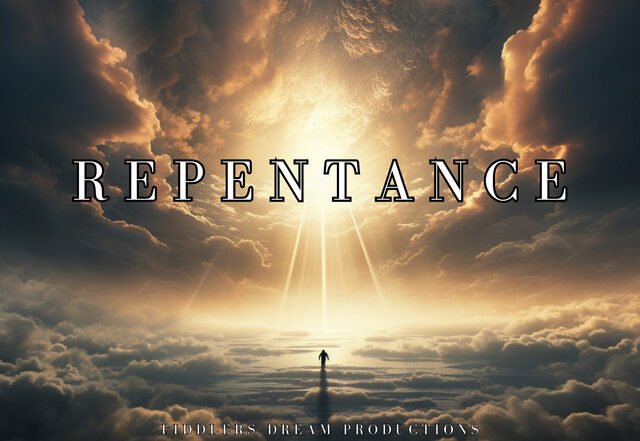
Asher Laub – Repentance | Neoclassical music review
“Melancholic and very emotional song feels deeper and deeper with every time it is played. Addictive lead violin theme is just beautiful and in moments sad, it oscillates between emotions so well. Song progresses into eastern cinematic structure, with blissful string arrangement. ”
-Nagamag.com
Expand to read review translations *
“Το μελαγχολικό και πολύ συναισθηματικό τραγούδι αισθάνεται βαθύτερα και βαθύτερα με κάθε φορά που παίζεται. Το θέμα του εθιστικού βιολιού είναι απλά όμορφο και σε στιγμές λυπημένοι, ταλαντεύεται τόσο καλά τα συναισθήματα. Το τραγούδι εξελίσσεται στην ανατολική κινηματογραφική δομή, με ευδαιμονία.”
-Nagamag.com
“La canción melancólica y muy emotiva se siente más profunda y más profunda con cada vez que se reproduce. El tema adictivo del violín principal es simplemente hermoso y en momentos triste, oscila tan bien entre las emociones. La canción progresa a la estructura cinematográfica oriental, con una disposición de cuerda feliz.”
-Nagamag.com
The original review of “Asher Laub – Repentance” is written in the native language that is spoken by the dedicated, for this song, Nagamag’s Neoclassical reviewer and followed by two translations*, of which the one depends from the country of origin of the artist “Asher Laub” (United States) and the other one is translated to a different language than original review and the country of origin of the artist.
* Automatically Translated
Nagamag unveils the mesmerizing composition “Repentance”, an extraordinary creation of harmony and creativity that “Asher Laub” offered to all of us. A Neoclassical song, which evoked an emotional voyage to our curator that desired to write down a unique review for “Asher Laub – Repentance”. What also sets this song among the featured choices of Nagamag is the way that “Repentance” is enriched with Cinematic characteristics. “Asher Laub – Repentance” is a rich music creation that deserves to be listened to again and again. Nagamag is honored to share this detailed music review by one of our experienced reviewers for Neoclassical music compositions. As always, Nagamag keeps up evaluating Neoclassical songs from across the globe, ensuring that all Neoclassical enthusiasts around the world have access to these auditory treasures .
“Repentance” is a musical masterpiece that weaves together four ancient melodies from the high holidays into a stunning orchestral arrangement. With strings, winds, percussion and brass, this score creates a powerful sonic experience that transports the listener to a different realm. This piece invites you to reflect on the profound concepts of judgment and forgiveness, humility and awe, and the connection between humanity and the divine. Don’t miss this opportunity to listen to “Repentance”, a musical exploration of the soul.
Nagamag takes pride in supporting Neoclassical artists like “Asher Laub”, providing music reviews and music discoveries like “Repentance”.
This music post about song “Repentance” by “Asher Laub” has been arranged in Neoclassical page on Nagamag.
There you can find similar Neoclassical artists to “Asher Laub” and more Neoclassical, Cinematic songs like “Repentance” that have been carefully selected by Nagamag’s Neoclassical experienced curators and reviewed by Nagamag’s Neoclassical dedicated reviewers.
If you enjoyed “Asher Laub – Repentance” but you have never listened before to any other Neoclassical song or you are interested in learning more about Neoclassical music gerne then click here to visit Neoclassical music page on Wikipedia.
Neoclassical music refers to a distinct style with common characteristics. Each genre carries its unique sound, instruments, and cultural influences. For a deeper understanding of Neoclassical music, Wikipedia provides comprehensive insights into its history, notable artists, and iconic works. Delve into the diverse and dynamic world of Neoclassical music through this valuable resource, broadening your knowledge around Neoclassical genre.
Latest Neoclassical discoveries
Kiki Cubb – Nostalgia | Neoclassical music review
Σίγουρα αυτό είναι ένα κομμάτι που μιλά κατευθείαν στην ψυχή. Οι υπέροχες νότες του πιάνου σου απλώνουν το χέρι για να σε ταξ... >>> Read full review & listen to the song on Nagamag #neo #modernclassical #solopiano #kikicubb #unitedstates #nagamag #musicmagazine #musicreview #review
Robert Kloner – Lost Loves | Neoclassical music review
The way the different melodies and harmonic lines flow together seamlessly offer up a decadence of grace that can be experien... >>> Read full review & listen to the song on Nagamag #piano #nagamag #musicmagazine #musicreview #review

Katie Cloyd – A Dream Is A Wish Your Heart Makes | Neoclassical music review
Catchy song, with so addictive vibe and harmonic structure. Lead vocal have a perfect angelic voice that fits so well with th... >>> Read full review & listen to the song on Nagamag #pop #adultcontemporary #nagamag #musicmagazine #musicreview #review

Nicholas Baskerville – Hiraeth | Neoclassical music review
Composition flows brilliantly, great use of harmony, the melody trades off as well with its blissful atmosphere. Key signatur... >>> Read full review & listen to the song on Nagamag #piano #nagamag #musicmagazine #musicreview #review
Monica Williams, Dave Clark – Message from the Stars | Neoclassical music review
Smooth and very easy listening sounds make this song very enjoyable. Catchy guitar riffs are layered so well, creating wonder... >>> Read full review & listen to the song on Nagamag #newage #nagamag #musicmagazine #musicreview #review
JUIFAN – Waiting In The Mist | Neoclassical music review
Cinematic structure gives this song different sound dimension, more depth and emotion to the already beautiful lead Guitar the... >>> Read full review & listen to the song on Nagamag #strings #guitar #nagamag #musicmagazine #musicreview #review

Beautiful Life – Wishful Thinking | Neoclassical music review
Melancholic and very emotional song feels deeper and deeper with every time it is played. Addictive piano theme is just beaut... >>> Read full review & listen to the song on Nagamag #neo #modernclassical #solopiano #beautifullife #canada #nagamag #musicmagazine #musicreview #review

Juan Pablo Fernández Ramos – Demencia plena | Neoclassical music review
Мелодичные и грациозные мотивы оркестра плавно протекают вдоль рек и прохладных водоёмов, создавая сложные и безумно гармонич... >>> Read full review & listen to the song on Nagamag #neo #modernclassical #cinematic #epicmusic #traditionalclassical #juanpablofernándezramos #spain #nagamag #musicmagazine #musicreview #review

Lewis Bolland – Breathe (remix) | Neoclassical music review
Композиция -Breathe- от -Lewis Bolland- представляет собой потрясающую неоклассическую музыку, которая впечатлит слушателей с... >>> Read full review & listen to the song on Nagamag #neo #modernclassical #crossoverclassical #lewisbolland #unitedkingdom #nagamag #musicmagazine #musicreview #review
Difference between Classical and Neoclassical Music
Classical music refers to a broad range of music written in the classical tradition, which encompasses a wide range of styles and forms. It is generally characterized by its formal structure and its use of traditional instruments and ensemble configurations.
Neoclassicism is a style of music that refers to the revival and use of classical forms and styles in music, particularly in the 18th and early 19th centuries. It is characterized by its use of clear, concise forms and a focus on structure and balance. Neoclassicism was a reaction against the romantic style of music, which was characterized by emotion and passion, and was influenced by the ideas of the Enlightenment, which valued reason and classical learning.
Some of the key differences between classical and neoclassical music include:
Time period: Classical music refers to music written during the classical period (1730-1820), while neoclassicism refers to music written after the classical period that incorporates elements of classical forms and styles.
Emphasis on structure: Classical music is known for its formal structure and the use of traditional forms such as the sonata and the symphony. Neoclassical music also places a strong emphasis on structure, but may also incorporate elements of popular music and folk music.
Emphasis on emotion: Classical music is often more reserved and formal in its emotional expression, while neoclassicism tends to be more emotional and expressive.
Use of tonality: Both classical and neoclassical music use tonality, but neoclassicism often incorporates a wider range of tonal structures and may experiment with atonality.
Use of traditional instruments: Both classical and neoclassical music use traditional classical instruments such as strings, woodwinds, brass, and percussion. However, neoclassicism may also incorporate elements of popular music and folk music, and may use a wider range of instruments.
Overall, the main difference between classical and neoclassical music is the time period in which the music was written, and the specific techniques and styles used by the composer. Classical music is generally more formal and reserved in its expression, while neoclassicism tends to be more expressive and may incorporate elements of popular music and folk music.
The most used instruments in Neoclassical Music
In neoclassical music, the most common instruments used are those found in the classical orchestra, including:
Strings: Violin, viola, cello, double bass
Woodwinds: Flute, oboe, clarinet, bassoon
Brass: Trumpet, French horn, trombone, tuba
Percussion: Timpani, snare drum, bass drum, cymbals, xylophone, marimba, triangle
Keyboard: Piano, harpsichord
These instruments are often used to create a wide range of textures and sounds, and are featured in many different types of classical music, including neoclassical music. In addition to these instruments, many composers also incorporate elements of popular music and folk music into their compositions, and may use a variety of other instruments such as guitars, bass, drums, and synthesizers.
It’s also worth noting that many composers and performers of neoclassical music are skilled in a variety of different instruments, and may switch between different instruments in order to achieve the desired sound and texture.
Vocals are sometimes used in neoclassical music, although they are not as common as instrumental music. When vocals are used in neoclassical music, they are typically performed by trained classical singers who have the ability to sing with precise pitch and control.
One common use of vocals in neoclassical music is in operatic compositions, where singers perform arias and recitatives in a style that is similar to traditional opera. Neoclassical opera is a subgenre of classical music that combines elements of traditional opera with elements of neoclassicism, and often incorporates elements of popular music and folk music.
In addition to operatic vocals, vocals may also be used in other forms of neoclassical music, such as choral music or vocal chamber music. Some composers may also incorporate elements of popular music or folk music into their compositions, and may use vocals in a more modern or experimental style.
It’s worth noting that the use of vocals in neoclassical music is highly dependent on the individual composer and the specific piece of music, and not all neoclassical compositions will feature vocals.