
Neoclassical Music ⁞ New Releases⁞ Artist Interviews⁞ Music News
Introduction of Neoclassical Music
Neoclassical music is a style of classical music that is characterized by its use of traditional forms and styles, as well as a focus on structure and balance. It is often seen as a reaction against the romantic style of music, which was characterized by emotion and passion, and was influenced by the ideas of the Enlightenment, which valued reason and classical learning.
Some of the key features of neoclassical music include the use of traditional forms such as sonata form, the use of clear and concise melodies, and the incorporation of elements of folk music and popular music. Neoclassical music also often featured a return to tonality, which is the use of a specific key or tonal center in a piece of music.
The neoclassical style has had a lasting influence on classical music, and it continues to be an important part of the classical repertoire
Favorite Neoclassical Music on Spotify
Favorite Neoclassical Videos on Youtube
Recent Neoclassical Interviews
Neoclassical Features

Luke Duffy – Everything Is Everything Else (Spotify)

“Did you know "Everything Is Everything Else"? A soothing Cinematic production is just out. If you seek some sophisticated violin and piano melodies, we're pretty sure that you'll strongly appreciate "Luke Duffy".”
-Nagamag.com
A gentle, uplifting, contemporary classical piece for piano and violin.
https://lukeduffy.bandcamp.com/releases
https://www.instagram.com/luke_t_music/

Just Nathaniel – Futures Imagined (Spotify)

“In this fabulous composition, everything is extremely harmonious and attractive. Many different acoustic instruments fly like swans over the lake. Melody that brings drama and emotional heat in our minds.”
“В этой сказочной композиции всё предельно гармонично и привлекательно. Головокружительное упоение, в котором танцуют словно лебеди над озером огромное количество музыкальных инструментов. Врезающаяся в память мелодия, драматизм и эмоциональный накал.”
-Nagamag.com
https://www.instagram.com/justnathaniel.mp3/
Latest Neoclassical discoveries
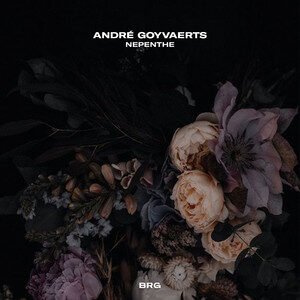
André Goyvaerts – Eventide | Neoclassical music review
Утончённая нежность красиво упакованная в маленькую коробочку и передана посылкой всем тем, кто жаждет теплоты и красоты. Это фортепианная композиция, исполнен... >>> Read full review & listen to the song on Nagamag #solopiano #neo #modernclassical #andrégoyvaerts #ireland #nagamag #musicmagazine #musicreview #review IG: @andregoyvaerts
André Goyvaerts – Aubade | Neoclassical music review
Фортепианная композиция от бельгийского автора -André Goyvaerts-, которая является прекрасным примером современной неоклассической музыки. Красота, элегантност... >>> Read full review & listen to the song on Nagamag #solopiano #neo #modernclassical #andrégoyvaerts #ireland #nagamag #musicmagazine #musicreview #review IG: @andregoyvaerts

Thomas Lehmkühler – Silent
Красивая и мелодичная неоклассическая мелодия от -Thomas Lehmkühle-, которая привносит в вашу жизнь спокойствие и гармонию, обнимая вас со всех сторон теплотой... >>> Read full review & listen to the song on Nagamag #neo #modernclassical #thomaslehmkühler #germany #nagamag #musicmagazine #musicreview #review IG: @thomas_lehmkuehler
Edward Newell – Two Voices Two
Фортепианная композиция от -Edward Newell- удивительной глубины звуковое полотно, которое открывает перед слушателями свою историю. Мелодия создаёт атмосферу и... >>> Read full review & listen to the song on Nagamag #solopiano #neo #modernclassical #edwardnewell #unitedkingdom #nagamag #musicmagazine #musicreview #review

Allen Yu – Habanera
Immerse yourself in a serene world of ethereal melodies and gentle textures with this enchanting and soothing composition. Its harmonic piano structure brings ... >>> Read more & listen to this song on Nagamag #solopiano #traditionalclassical #allenyu #unitedstates #nagamag #musicmagazine IG: @hiddenharmoniesmusic

Steve Nicosia – End of the Event
Очень многогранное и всеобъемлющее неоклассическое произведение от великолепного композитора -Steve Nicosia-. Волнующая мелодия струнных инструментов, которые ... >>> Read more & listen to this song on Nagamag #neo #modernclassical #cinematic #epicmusic #stevenicosia #canada #nagamag #musicmagazine IG: @stevejnicosia
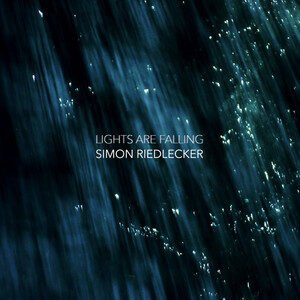
Simon Riedlecker – lights are falling
Инструментальная композиция от немецкого музыканта -Simon Riedlecker-, которая идеально передаёт атмосферу природы окружающих нас звуков. Мелодия открывается п... >>> Read more & listen to this song on Nagamag #neo #modernclassical #crossoverclassical #simonriedlecker #austria #nagamag #musicmagazine

Samatha – The Same Sun As You (feat. Gollden)
Обворожительная композиция, которая будет гореть тёплым пламенем на ваших ладонях, согревая своей мистической атмосферой. Потрясающие кинематографические текст... >>> Read more & listen to this song on Nagamag #cinematic #epicmusic #ambient #samatha #belgium #nagamag #musicmagazine

Beautiful Life – At Last
Неоклассическая композиция, которая искренне и красиво передаёт радость и благодарность за прекрасную жизнь. Композитор погружает нас в атмосферу нежных фортеп... >>> Read more & listen to this song on Nagamag #solopiano #beautifullife #canada #nagamag #musicmagazine IG: @christinadegazio
Difference between Classical and Neoclassical Music
Classical music refers to a broad range of music written in the classical tradition, which encompasses a wide range of styles and forms. It is generally characterized by its formal structure and its use of traditional instruments and ensemble configurations.
Neoclassicism is a style of music that refers to the revival and use of classical forms and styles in music, particularly in the 18th and early 19th centuries. It is characterized by its use of clear, concise forms and a focus on structure and balance. Neoclassicism was a reaction against the romantic style of music, which was characterized by emotion and passion, and was influenced by the ideas of the Enlightenment, which valued reason and classical learning.
Some of the key differences between classical and neoclassical music include:
Time period: Classical music refers to music written during the classical period (1730-1820), while neoclassicism refers to music written after the classical period that incorporates elements of classical forms and styles.
Emphasis on structure: Classical music is known for its formal structure and the use of traditional forms such as the sonata and the symphony. Neoclassical music also places a strong emphasis on structure, but may also incorporate elements of popular music and folk music.
Emphasis on emotion: Classical music is often more reserved and formal in its emotional expression, while neoclassicism tends to be more emotional and expressive.
Use of tonality: Both classical and neoclassical music use tonality, but neoclassicism often incorporates a wider range of tonal structures and may experiment with atonality.
Use of traditional instruments: Both classical and neoclassical music use traditional classical instruments such as strings, woodwinds, brass, and percussion. However, neoclassicism may also incorporate elements of popular music and folk music, and may use a wider range of instruments.
Overall, the main difference between classical and neoclassical music is the time period in which the music was written, and the specific techniques and styles used by the composer. Classical music is generally more formal and reserved in its expression, while neoclassicism tends to be more expressive and may incorporate elements of popular music and folk music.
The most used instruments in Neoclassical Music
In neoclassical music, the most common instruments used are those found in the classical orchestra, including:
Strings: Violin, viola, cello, double bass
Woodwinds: Flute, oboe, clarinet, bassoon
Brass: Trumpet, French horn, trombone, tuba
Percussion: Timpani, snare drum, bass drum, cymbals, xylophone, marimba, triangle
Keyboard: Piano, harpsichord
These instruments are often used to create a wide range of textures and sounds, and are featured in many different types of classical music, including neoclassical music. In addition to these instruments, many composers also incorporate elements of popular music and folk music into their compositions, and may use a variety of other instruments such as guitars, bass, drums, and synthesizers.
It’s also worth noting that many composers and performers of neoclassical music are skilled in a variety of different instruments, and may switch between different instruments in order to achieve the desired sound and texture.
Vocals are sometimes used in neoclassical music, although they are not as common as instrumental music. When vocals are used in neoclassical music, they are typically performed by trained classical singers who have the ability to sing with precise pitch and control.
One common use of vocals in neoclassical music is in operatic compositions, where singers perform arias and recitatives in a style that is similar to traditional opera. Neoclassical opera is a subgenre of classical music that combines elements of traditional opera with elements of neoclassicism, and often incorporates elements of popular music and folk music.
In addition to operatic vocals, vocals may also be used in other forms of neoclassical music, such as choral music or vocal chamber music. Some composers may also incorporate elements of popular music or folk music into their compositions, and may use vocals in a more modern or experimental style.
It’s worth noting that the use of vocals in neoclassical music is highly dependent on the individual composer and the specific piece of music, and not all neoclassical compositions will feature vocals.