
Neoclassical Music ⁞ New Releases⁞ Artist Interviews⁞ Music News
Introduction of Neoclassical Music
Neoclassical music is a style of classical music that is characterized by its use of traditional forms and styles, as well as a focus on structure and balance. It is often seen as a reaction against the romantic style of music, which was characterized by emotion and passion, and was influenced by the ideas of the Enlightenment, which valued reason and classical learning.
Some of the key features of neoclassical music include the use of traditional forms such as sonata form, the use of clear and concise melodies, and the incorporation of elements of folk music and popular music. Neoclassical music also often featured a return to tonality, which is the use of a specific key or tonal center in a piece of music.
The neoclassical style has had a lasting influence on classical music, and it continues to be an important part of the classical repertoire
Favorite Neoclassical Music on Spotify
Favorite Neoclassical Videos on Youtube
Recent Neoclassical Interviews
Neoclassical Features

Hannah Schneider – Fluid (Spotify)
“Too artistic to be true, the recent release of Hannah Schneider is full of Neoclassic spirituality. Piano melodies which flow like pure water in absolute balance with the artist's silvery voice. True excellence of harmony for our ears.”
-Nagamag.com
https://www.instagram.com/riccardocaprarese/Hannah Schneider is known for her playful alternative pop, skillfully crafted with elements from electronic and ambient landscapes. Her music is imbued with themes of melancholia and loneliness that are conveyed with an engaging charisma in her voice. The 2nd single from her coming album is written under the lockdown in 2021. The song is a tribute to the silence, and you hear nothing else than Hannah's voice and her piano. No electronic, no samples, no loops. Simple, beautiful, and intense.
The song describes the phenomenon “black sun” where flocks of birds gather in striking formations, that look completely unreal.The shifting movements are a defence against birds of prey, and looks a little like a heavy fluid shifting - like oil in water.
https://twitter.com/HannahSchneide
https://www.facebook.com/hannahschneidermusic
https://www.instagram.com/hannahschneide/
Artiom Goralsky – Travelling Home (Video)
“An emotional journey through soft spaces. Touched by the soft grasses whispering upon the meadows of time. One can’t help but to get lost in this organic piece all the way up to the abrupt end. ”
-Nagamag.com
This melody is inspired by returning to places from the past.
The first part is a mix of good old memories and expectations of returning.
The second is facing reality. Meetings with loved ones are burdensome, old places have changed and don’t give the same emotions.
https://band.link/goralsky
Latest Neoclassical discoveries

Vincent Boot – A Different View | Neoclassical music review
Творчество -Vincent Boot- настоящее расширение вашего музыкального опыта волшебными звуками фортепиано. Композитор искусным образом жонглирует минималистическо... >>> Read full review & listen to the song on Nagamag #neo #modernclassical #vincentboot #netherlands #nagamag #musicmagazine #musicreview #review IG: @vincent_boot TW: @upcomingstorms

McKenzie Stubbert – Further | Neoclassical music review
Cinematic structure of this composition will take you into a dream world of sounds. Depth and quality can be felt with every sound, and note played. Darker and... >>> Read full review & listen to the song on Nagamag #neo #modernclassical #ambient #mckenziestubbert #unitedstates #nagamag #musicmagazine #musicreview #review IG: @pinballjukebox
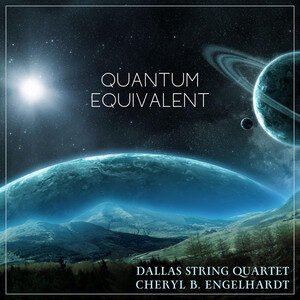
Cheryl B. Engelhardt x Dallas String Quartet – Quantum Equivalent | Neoclassical music review
Cinematic structure gives this song different sound dimension, more depth and emotion to the already beautiful lead vocal chanting. String and violin themes in... >>> Read full review & listen to the song on Nagamag #neo #modernclassical #crossoverclassical #cherylbengelhardtxdallasstringquartet #cherylbengelhardtxdallasstringquartet #unitedstates #nagamag #musicmagazine #musicreview #review IG: @cbemusic TW: @CBE

Nofirmee – Sea Salt | Neoclassical music review
Эта захватывающая композиция призывает слушателя забыть о повседневных заботах и погрузиться в океан спокойствия вместе с -Nofirmee- и его очаровательной музык... >>> Read full review & listen to the song on Nagamag #cinematic #epicmusic #nofirmee #china #nagamag #musicmagazine #musicreview #review
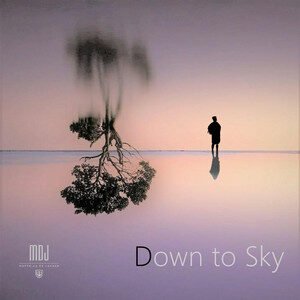
MDJ Matthias De Jaeger – Down to Sky (Radio Edit) | Neoclassical music review
Эмоциональная неоклассическая композиция, которая с помощью мелодии фортепиано передаёт вам всё своё тепло. Каждая нота, каждая секунда и мгновение это компози... >>> Read full review & listen to the song on Nagamag #solopiano #neo #modernclassical #newage #mdjmatthiasdejaeger #belgium #nagamag #musicmagazine #musicreview #review IG: @mdj_pianist

Yoav ilan – 5 Colors | Neoclassical music review
Слушатель погружается в увлекательную атмосферу фортепианной музыки, которая медленно и уверенно вовлекает в свой нежный и чарующий мир музыки. Мелодия наполне... >>> Read full review & listen to the song on Nagamag #solopiano #neo #modernclassical #cinematic #epicmusic #yoavilan #israel #nagamag #musicmagazine #musicreview #review

Lunes Leif – Reverie | Neoclassical music review
Фортепианная композиция, исполненная -Lunes Leif-, погружает вас в мир музыкальной гармонии и эмоций. Мелодия вызывает ощущение покоя и безмятежности, позволяя... >>> Read full review & listen to the song on Nagamag #solopiano #neo #modernclassical #crossoverclassical #lunesleif #unitedstates #nagamag #musicmagazine #musicreview #review IG: @ar_kay_music

John Hilsen – Passageways (Solo Piano) | Neoclassical music review
Красивая и эмоциональная музыкальная работа позволяет насладиться своей тонкостью и глубиной. Мелодичные звуки фортепиано погружают вас в атмосферу спокойствия... >>> Read full review & listen to the song on Nagamag #solopiano #neo #modernclassical #crossoverclassical #johnhilsen #nagamag #musicmagazine #musicreview #review IG: @johnhilsen TW: @JohnHilsen

Isola Music – Helenko | Neoclassical music review
Blissful vocal and background cinematic structure of the song will take into a dream world of sounds. Depth and quality can be felt with every sound, word and ... >>> Read full review & listen to the song on Nagamag #cinematic #epicmusic #isolamusic #germany #nagamag #musicmagazine #musicreview #review
Difference between Classical and Neoclassical Music
Classical music refers to a broad range of music written in the classical tradition, which encompasses a wide range of styles and forms. It is generally characterized by its formal structure and its use of traditional instruments and ensemble configurations.
Neoclassicism is a style of music that refers to the revival and use of classical forms and styles in music, particularly in the 18th and early 19th centuries. It is characterized by its use of clear, concise forms and a focus on structure and balance. Neoclassicism was a reaction against the romantic style of music, which was characterized by emotion and passion, and was influenced by the ideas of the Enlightenment, which valued reason and classical learning.
Some of the key differences between classical and neoclassical music include:
Time period: Classical music refers to music written during the classical period (1730-1820), while neoclassicism refers to music written after the classical period that incorporates elements of classical forms and styles.
Emphasis on structure: Classical music is known for its formal structure and the use of traditional forms such as the sonata and the symphony. Neoclassical music also places a strong emphasis on structure, but may also incorporate elements of popular music and folk music.
Emphasis on emotion: Classical music is often more reserved and formal in its emotional expression, while neoclassicism tends to be more emotional and expressive.
Use of tonality: Both classical and neoclassical music use tonality, but neoclassicism often incorporates a wider range of tonal structures and may experiment with atonality.
Use of traditional instruments: Both classical and neoclassical music use traditional classical instruments such as strings, woodwinds, brass, and percussion. However, neoclassicism may also incorporate elements of popular music and folk music, and may use a wider range of instruments.
Overall, the main difference between classical and neoclassical music is the time period in which the music was written, and the specific techniques and styles used by the composer. Classical music is generally more formal and reserved in its expression, while neoclassicism tends to be more expressive and may incorporate elements of popular music and folk music.
The most used instruments in Neoclassical Music
In neoclassical music, the most common instruments used are those found in the classical orchestra, including:
Strings: Violin, viola, cello, double bass
Woodwinds: Flute, oboe, clarinet, bassoon
Brass: Trumpet, French horn, trombone, tuba
Percussion: Timpani, snare drum, bass drum, cymbals, xylophone, marimba, triangle
Keyboard: Piano, harpsichord
These instruments are often used to create a wide range of textures and sounds, and are featured in many different types of classical music, including neoclassical music. In addition to these instruments, many composers also incorporate elements of popular music and folk music into their compositions, and may use a variety of other instruments such as guitars, bass, drums, and synthesizers.
It’s also worth noting that many composers and performers of neoclassical music are skilled in a variety of different instruments, and may switch between different instruments in order to achieve the desired sound and texture.
Vocals are sometimes used in neoclassical music, although they are not as common as instrumental music. When vocals are used in neoclassical music, they are typically performed by trained classical singers who have the ability to sing with precise pitch and control.
One common use of vocals in neoclassical music is in operatic compositions, where singers perform arias and recitatives in a style that is similar to traditional opera. Neoclassical opera is a subgenre of classical music that combines elements of traditional opera with elements of neoclassicism, and often incorporates elements of popular music and folk music.
In addition to operatic vocals, vocals may also be used in other forms of neoclassical music, such as choral music or vocal chamber music. Some composers may also incorporate elements of popular music or folk music into their compositions, and may use vocals in a more modern or experimental style.
It’s worth noting that the use of vocals in neoclassical music is highly dependent on the individual composer and the specific piece of music, and not all neoclassical compositions will feature vocals.