
Neoclassical Music ⁞ New Releases⁞ Artist Interviews⁞ Music News
Introduction of Neoclassical Music
Neoclassical music is a style of classical music that is characterized by its use of traditional forms and styles, as well as a focus on structure and balance. It is often seen as a reaction against the romantic style of music, which was characterized by emotion and passion, and was influenced by the ideas of the Enlightenment, which valued reason and classical learning.
Some of the key features of neoclassical music include the use of traditional forms such as sonata form, the use of clear and concise melodies, and the incorporation of elements of folk music and popular music. Neoclassical music also often featured a return to tonality, which is the use of a specific key or tonal center in a piece of music.
The neoclassical style has had a lasting influence on classical music, and it continues to be an important part of the classical repertoire
Favorite Neoclassical Music on Spotify
Favorite Neoclassical Videos on Youtube
Recent Neoclassical Interviews
Neoclassical Features
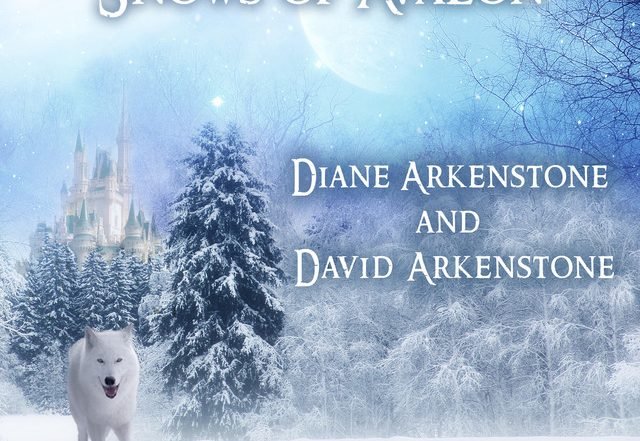
Diane Arkenstone – Snows of Avalon (Spotify)
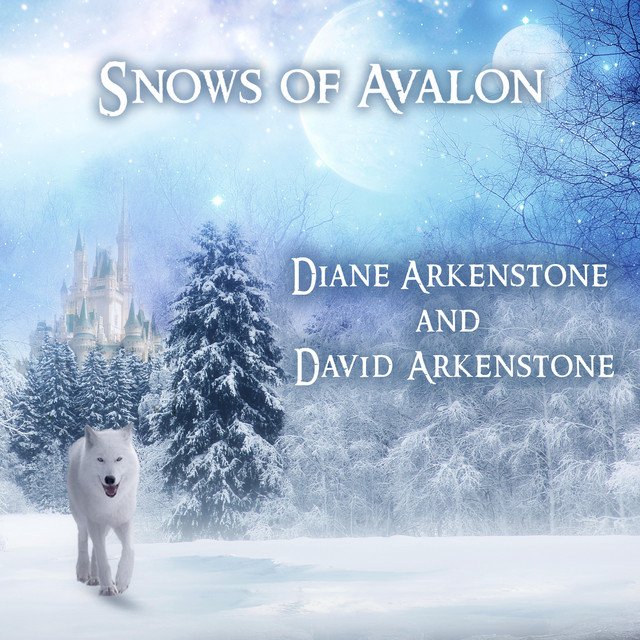
“Experience the endless magic of Cinematic sound via the "Snows of Avalon". Very balanced track, professionally mixed and decorated with beautiful Winter sceneries. Diane & David have offered a real gem to their audience and we strongly recommend it too!”
-Nagamag.com
https://www.instagram.com/diane.arkenstone/
https://www.instagram.com/david.arkenstone/
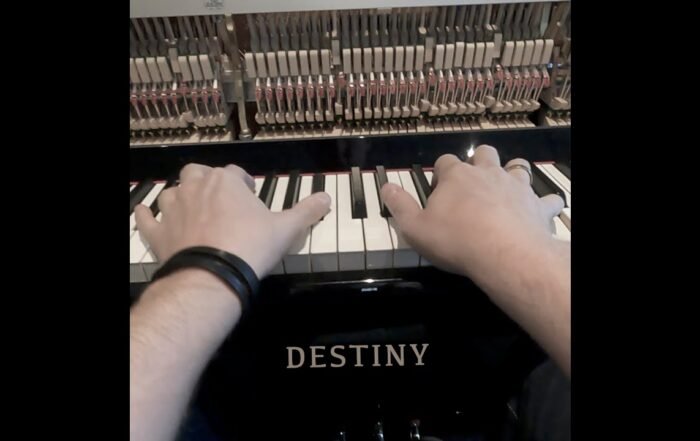
Thomas Lehmkühler – Destiny (Video)
“Each of us has his own destiny. Whether good or bad, it can’t be avoided. This balanced solo piano piece brings a message of hope and supportive spirit, which should always live inside us. Enjoy the beauty of Cinematic sound.”
-Nagamag.com
All human beings are born free and equal in dignity and rights.
We have to be there for the weakest.
We could be so happy without leaving anyone behind.
Even in harder times we must stay in control. We are all human.
Everyone has their own destiny.
https://www.insstudio.de/
https://www.facebook.com/insStudio.de
https://www.instagram.com/thomas_lehmkuehler/
Latest Neoclassical discoveries

Connie Stephan – Miss You | Neoclassical music review
Sentimental sensitivity and distinct talent are revealed through delicate chords of piano. Melodies that speak to our hearts and affect the spirit. A valuable ... >>> Read full review & listen to the song on Nagamag IG: @conniestephanoficial

Gifts From Crows Trio x Gifts From Crows – Becoming Autumn – Trio Rework | Neoclassical music review
Cinematic structure gives this song different sound dimension, more depth and emotion to the already beautiful piano theme. Trumpet themes in the background an... >>> Read full review & listen to the song on Nagamag #nujazz #jazztronica #jazzfusion #jazz #giftsfromcrowstrioxgiftsfromcrows #giftsfromcrowstrioxgiftsfromcrows #unitedkingdom #nagamag #musicmagazine #musicreview #review
Michele Nobler – What We Feel | Neoclassical music review
Οι νότες του πιάνου γεμάτες συγκίνηση και νοσταλγία αφήνονται στον αέρα και η μελωδία κάνει τα φτερά της ψυχής να ανοίξουν και να πετάξουν μακριά. Μια αγωνιώδη... >>> Read full review & listen to the song on Nagamag #solopiano #neo #modernclassical #newage #michelenobler #italy #nagamag #musicmagazine #musicreview #review IG: @michele_nobler_piano_music TW: @MicheleNobler

Peace and Honey – Beauty and Grace | Neoclassical music review
Очаровательная и по-настоящему волшебная неоклассическая композиция от -Peace and Honey-, которая привносит в нашу жизнь спокойствие и красоту. С самого начала... >>> Read full review & listen to the song on Nagamag #solopiano #peaceandhoney #unitedstates #nagamag #musicmagazine #musicreview #review
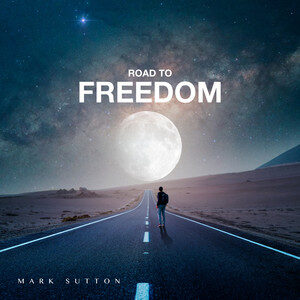
Mark Sutton – Road to Freedom | Neoclassical music review
Freedom is unboubtedly a top value and nothing can replace it. Among mysterious and commanding soundscapes, Mark Sutton will guide you to the devine beauty of ... >>> Read full review & listen to the song on Nagamag #cinematic #epicmusic #heavydrum #bass #marksutton #unitedkingdom #nagamag #musicmagazine #musicreview #review IG: @pianoman_mark TW: @Pianoman_mark

Liam Phan – Inertia | Neoclassical music review
Mesmerizing and incredibly calming atmosphere of this cinematic beauty engage deeply within first piano notes. Harmonic structure and composition is done in a ... >>> Read full review & listen to the song on Nagamag #neo #modernclassical #classicalstrings #liamphan #switzerland #nagamag #musicmagazine #musicreview #review IG: @liamphanmusic

Artifex x Eric Heitmann – Infinite Horizon | Neoclassical music review
Σαν ένα απαλό αεράκι έρχεται η μελωδία και με αρπάζει από το χέρι. Σιγά σιγά το ταξίδι μας γίνεται όλο και πιο απολαυστικό με χιλιάδες συναισθήματα να πάλλοντα... >>> Read full review & listen to the song on Nagamag #neo #modernclassical #cinematic #epicmusic #classicalstrings #artifexxericheitmann #artifexxericheitmann #unitedstates #nagamag #musicmagazine #musicreview #review

Felix Rösch – Elegy for Peace | Neoclassical music review
Музыкальная композиция, созданная немецким музыкантом -Felix Rösch- очень красивая и вдохновляющая, которая обнажает свою душу перед окружающим миром — такая с... >>> Read full review & listen to the song on Nagamag #neo #modernclassical #felixrösch #germany #nagamag #musicmagazine #musicreview #review IG: @felixrosch

Megan Perry Fisher – Pensée i | Neoclassical music review
Неоклассическая композиция как яркий пример гармоничного соединения музыки и магии, которая окутывает вас со всех сторон. Мелодия пиано и скрипки предлагают на... >>> Read full review & listen to the song on Nagamag #neo #modernclassical #meganperryfisher #unitedstates #nagamag #musicmagazine #musicreview #review IG: @meganperryfisher
Difference between Classical and Neoclassical Music
Classical music refers to a broad range of music written in the classical tradition, which encompasses a wide range of styles and forms. It is generally characterized by its formal structure and its use of traditional instruments and ensemble configurations.
Neoclassicism is a style of music that refers to the revival and use of classical forms and styles in music, particularly in the 18th and early 19th centuries. It is characterized by its use of clear, concise forms and a focus on structure and balance. Neoclassicism was a reaction against the romantic style of music, which was characterized by emotion and passion, and was influenced by the ideas of the Enlightenment, which valued reason and classical learning.
Some of the key differences between classical and neoclassical music include:
Time period: Classical music refers to music written during the classical period (1730-1820), while neoclassicism refers to music written after the classical period that incorporates elements of classical forms and styles.
Emphasis on structure: Classical music is known for its formal structure and the use of traditional forms such as the sonata and the symphony. Neoclassical music also places a strong emphasis on structure, but may also incorporate elements of popular music and folk music.
Emphasis on emotion: Classical music is often more reserved and formal in its emotional expression, while neoclassicism tends to be more emotional and expressive.
Use of tonality: Both classical and neoclassical music use tonality, but neoclassicism often incorporates a wider range of tonal structures and may experiment with atonality.
Use of traditional instruments: Both classical and neoclassical music use traditional classical instruments such as strings, woodwinds, brass, and percussion. However, neoclassicism may also incorporate elements of popular music and folk music, and may use a wider range of instruments.
Overall, the main difference between classical and neoclassical music is the time period in which the music was written, and the specific techniques and styles used by the composer. Classical music is generally more formal and reserved in its expression, while neoclassicism tends to be more expressive and may incorporate elements of popular music and folk music.
The most used instruments in Neoclassical Music
In neoclassical music, the most common instruments used are those found in the classical orchestra, including:
Strings: Violin, viola, cello, double bass
Woodwinds: Flute, oboe, clarinet, bassoon
Brass: Trumpet, French horn, trombone, tuba
Percussion: Timpani, snare drum, bass drum, cymbals, xylophone, marimba, triangle
Keyboard: Piano, harpsichord
These instruments are often used to create a wide range of textures and sounds, and are featured in many different types of classical music, including neoclassical music. In addition to these instruments, many composers also incorporate elements of popular music and folk music into their compositions, and may use a variety of other instruments such as guitars, bass, drums, and synthesizers.
It’s also worth noting that many composers and performers of neoclassical music are skilled in a variety of different instruments, and may switch between different instruments in order to achieve the desired sound and texture.
Vocals are sometimes used in neoclassical music, although they are not as common as instrumental music. When vocals are used in neoclassical music, they are typically performed by trained classical singers who have the ability to sing with precise pitch and control.
One common use of vocals in neoclassical music is in operatic compositions, where singers perform arias and recitatives in a style that is similar to traditional opera. Neoclassical opera is a subgenre of classical music that combines elements of traditional opera with elements of neoclassicism, and often incorporates elements of popular music and folk music.
In addition to operatic vocals, vocals may also be used in other forms of neoclassical music, such as choral music or vocal chamber music. Some composers may also incorporate elements of popular music or folk music into their compositions, and may use vocals in a more modern or experimental style.
It’s worth noting that the use of vocals in neoclassical music is highly dependent on the individual composer and the specific piece of music, and not all neoclassical compositions will feature vocals.