
Neoclassical Music ⁞ New Releases⁞ Artist Interviews⁞ Music News
Introduction of Neoclassical Music
Neoclassical music is a style of classical music that is characterized by its use of traditional forms and styles, as well as a focus on structure and balance. It is often seen as a reaction against the romantic style of music, which was characterized by emotion and passion, and was influenced by the ideas of the Enlightenment, which valued reason and classical learning.
Some of the key features of neoclassical music include the use of traditional forms such as sonata form, the use of clear and concise melodies, and the incorporation of elements of folk music and popular music. Neoclassical music also often featured a return to tonality, which is the use of a specific key or tonal center in a piece of music.
The neoclassical style has had a lasting influence on classical music, and it continues to be an important part of the classical repertoire
Favorite Neoclassical Music on Spotify
Favorite Neoclassical Videos on Youtube
Recent Neoclassical Interviews
Neoclassical Features

Daniel Schrage – Puppet Master (Spotify)
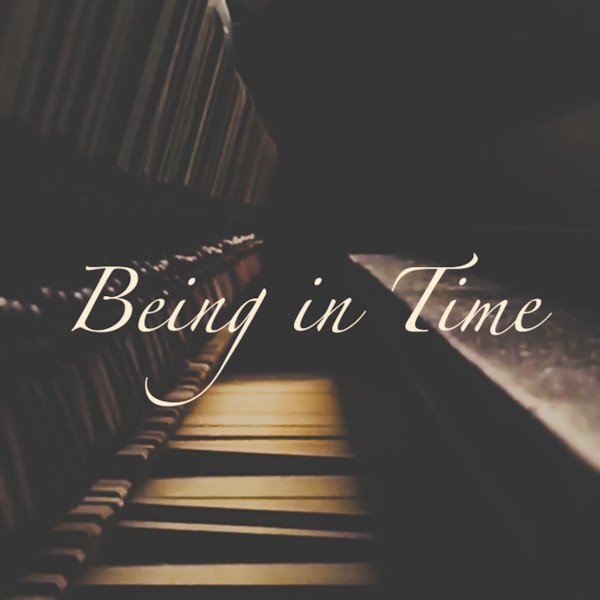
“Sometimes nothing can replace the effect of Neoclassical sound. Here's a great example of pure simplicity in direct connection with great harmony. Bright and peaceful piano miniature from the hands of Daniel Schrage.”
-Nagamag.com
http://www.instagram.com/daniel_schrage

Lynda Carter – Human and Divine (Spotify)
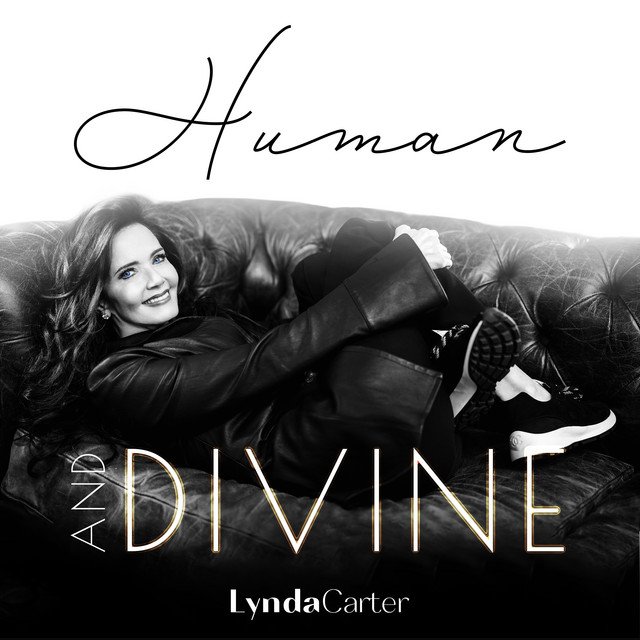
“Impressive song with strongly epic touch and lyrics of passion. Lynda Carter unfolds her artistry with her advanced vocal capabilities. The mix is also dynamic and professionally created. Listen once and we're pretty sure it won't be your last too!”
-Nagamag.com
Filmic, cinematic sound (think James Bond movie, Adele) with rich 'basso profundo' sound which took 9 months to get exactly right and speaks to how all of us are all deeply both human, and divine. Inspired by the love story of Wonder Woman's Steve and Diane (Oct is WW's 80th anniv), and the love stories of everyone through the ages, it is about how love lives on & on. Full marketing support, more music on the way from this inconoclastic strong female role model. Dolby Atmos version available
https://lnk.to/lyndahumananddivine
Latest Neoclassical discoveries
Christopher Carr – Life | Neoclassical music review
A gorgeously cinematic tapestry and sorrowful piano notes evolve gradually and steadily, in order to reach a peak and return back to their start. Follow the pa... >>> Read full review & listen to the song on Nagamag #neo #modernclassical #newage #christophercarr #france #nagamag #musicmagazine #musicreview #review

Vincent Boot – Lavender | Neoclassical music review
Прекрасная фортепианная композиция от -Vincent Boot-, которая с огромной любовью передаёт эмоции и создаёт атмосферу покоя и расслабления. Окунитесь в глубокий... >>> Read full review & listen to the song on Nagamag #solopiano #vincentboot #netherlands #nagamag #musicmagazine #musicreview #review FB: @VincentBootcomposer IG: @vincent_boot TW: @upcomingstorms

Olivia Belli – Respiro 1 | Neoclassical music review
Breathe in to calm your mind and breath out to clean it from useless thoughts. Discover a unique piece of balanced artistry, equiped with the healing propertie... >>> Read full review & listen to the song on Nagamag #solopiano #neo #modernclassical #newage #oliviabelli #italy #nagamag #musicmagazine #musicreview #review FB: @oliviabelliofficial IG: @oliviabelliofficial TW: @belli_olivia

Guillem S. Benet – Brussels | Neoclassical music review
Эмоциональная музыкальная работа от -Guillem S. Benet-, которая впечатляет своей мелодичностью и атмосферой. Она навевает на слушателя особую ауру и проводит е... >>> Read full review & listen to the song on Nagamag #piano #nagamag #musicmagazine #musicreview #review FB: @guillemsbenet IG: @guillemtheworld
Rem Rebuzzi – Reflections (felt version) | Neoclassical music review
Интроспективная фортепианная композиция от -Rem Rebuzzi-, которая отправляет слушателей в путешествие созерцания. Название прекрасно отражает всю суть произвед... >>> Read full review & listen to the song on Nagamag #piano #nagamag #musicmagazine #musicreview #review IG: @remrbzzi

Luke Fitzgerald – Into The Dark | Neoclassical music review
Rising from the deep mystery of darkness, the new work of Luke Fitzgerald call us for a meditative trip. Epic piano melodies with a profound colour of seriousn... >>> Read full review & listen to the song on Nagamag #cinematic #piano #nagamag #musicmagazine #musicreview #review FB: @LukeFitz86 IG: @lukefitz860
Sebastian Steinhardt – In the Mood | Neoclassical music review
For the lovers of classic piano, Sebastian Steinhardt has a remarkable production. Almost three minutes of sweet note patterns with unpredictable flow and surp... >>> Read full review & listen to the song on Nagamag #solopiano #nujazz #jazztronica #neo #modernclassical #sebastiansteinhardt #germany #nagamag #musicmagazine #musicreview #review

Patrice – Au fil de l’eau | Neoclassical music review
Отправляйтесь вместе с -Patrice- в мир спокойствия и романтики. Очаровательные и мягкие звуки пиано создают ощущение плавного путешествия по воде. Мелодия напо... >>> Read full review & listen to the song on Nagamag #piano #nagamag #musicmagazine #musicreview #review

Elisabeth Niggl – Horizon | Neoclassical music review
Ιmposing drums blend perfectly with melancholic violin notes in a trip where the sky meets the ground. Elisabeth Niggl will guide you to the world of Cinematic... >>> Read full review & listen to the song on Nagamag FB: @elisabethniggl IG: @elisabeth_niggl
Difference between Classical and Neoclassical Music
Classical music refers to a broad range of music written in the classical tradition, which encompasses a wide range of styles and forms. It is generally characterized by its formal structure and its use of traditional instruments and ensemble configurations.
Neoclassicism is a style of music that refers to the revival and use of classical forms and styles in music, particularly in the 18th and early 19th centuries. It is characterized by its use of clear, concise forms and a focus on structure and balance. Neoclassicism was a reaction against the romantic style of music, which was characterized by emotion and passion, and was influenced by the ideas of the Enlightenment, which valued reason and classical learning.
Some of the key differences between classical and neoclassical music include:
Time period: Classical music refers to music written during the classical period (1730-1820), while neoclassicism refers to music written after the classical period that incorporates elements of classical forms and styles.
Emphasis on structure: Classical music is known for its formal structure and the use of traditional forms such as the sonata and the symphony. Neoclassical music also places a strong emphasis on structure, but may also incorporate elements of popular music and folk music.
Emphasis on emotion: Classical music is often more reserved and formal in its emotional expression, while neoclassicism tends to be more emotional and expressive.
Use of tonality: Both classical and neoclassical music use tonality, but neoclassicism often incorporates a wider range of tonal structures and may experiment with atonality.
Use of traditional instruments: Both classical and neoclassical music use traditional classical instruments such as strings, woodwinds, brass, and percussion. However, neoclassicism may also incorporate elements of popular music and folk music, and may use a wider range of instruments.
Overall, the main difference between classical and neoclassical music is the time period in which the music was written, and the specific techniques and styles used by the composer. Classical music is generally more formal and reserved in its expression, while neoclassicism tends to be more expressive and may incorporate elements of popular music and folk music.
The most used instruments in Neoclassical Music
In neoclassical music, the most common instruments used are those found in the classical orchestra, including:
Strings: Violin, viola, cello, double bass
Woodwinds: Flute, oboe, clarinet, bassoon
Brass: Trumpet, French horn, trombone, tuba
Percussion: Timpani, snare drum, bass drum, cymbals, xylophone, marimba, triangle
Keyboard: Piano, harpsichord
These instruments are often used to create a wide range of textures and sounds, and are featured in many different types of classical music, including neoclassical music. In addition to these instruments, many composers also incorporate elements of popular music and folk music into their compositions, and may use a variety of other instruments such as guitars, bass, drums, and synthesizers.
It’s also worth noting that many composers and performers of neoclassical music are skilled in a variety of different instruments, and may switch between different instruments in order to achieve the desired sound and texture.
Vocals are sometimes used in neoclassical music, although they are not as common as instrumental music. When vocals are used in neoclassical music, they are typically performed by trained classical singers who have the ability to sing with precise pitch and control.
One common use of vocals in neoclassical music is in operatic compositions, where singers perform arias and recitatives in a style that is similar to traditional opera. Neoclassical opera is a subgenre of classical music that combines elements of traditional opera with elements of neoclassicism, and often incorporates elements of popular music and folk music.
In addition to operatic vocals, vocals may also be used in other forms of neoclassical music, such as choral music or vocal chamber music. Some composers may also incorporate elements of popular music or folk music into their compositions, and may use vocals in a more modern or experimental style.
It’s worth noting that the use of vocals in neoclassical music is highly dependent on the individual composer and the specific piece of music, and not all neoclassical compositions will feature vocals.