
Neoclassical Music ⁞ New Releases⁞ Artist Interviews⁞ Music News
Introduction of Neoclassical Music
Neoclassical music is a style of classical music that is characterized by its use of traditional forms and styles, as well as a focus on structure and balance. It is often seen as a reaction against the romantic style of music, which was characterized by emotion and passion, and was influenced by the ideas of the Enlightenment, which valued reason and classical learning.
Some of the key features of neoclassical music include the use of traditional forms such as sonata form, the use of clear and concise melodies, and the incorporation of elements of folk music and popular music. Neoclassical music also often featured a return to tonality, which is the use of a specific key or tonal center in a piece of music.
The neoclassical style has had a lasting influence on classical music, and it continues to be an important part of the classical repertoire
Favorite Neoclassical Music on Spotify
Favorite Neoclassical Videos on Youtube
Recent Neoclassical Interviews
Neoclassical Features
Neil Foster – Trawalua (Spotify)
“This Ambient gem has all you need to clean your mind and soothe your tired body. "Neil Foster" offers his intoxicating creation in a crystal-clear mix of soundscapes and peaceful melodies. Don't miss this magic!”
-Nagamag.com
https://neilfoster.bandcamp.com/
https://www.facebook.com/neilfostermusic/
https://www.instagram.com/neil_foster_music/

Jaap Mol – Wandering (Spotify)

“Elusive vocals carefully mixed with Ambient synth patterns and some violin elements. This is the impressive release of "Jaap Mol" which can captivate your ears and guide you through a dreamy dimension of sound. Don't miss it!”
-Nagamag.com
This ambient electronic track is the final track of Jaap Mol's new EP. It's built on the neo classical fundament of a string quartet, and worked out with samples, analog synths and haunting vocals.
https://jaapmol.com/
https://www.facebook.com/jaapmolmusic
https://www.instagram.com/jaapmol
Latest Neoclassical discoveries

J.T. Peterson – First Breath of Winter | Neoclassical music review
Восхитительная работа от -J.T. Peterson-, погружающая слушателя в волшебную атмосферу первого дыхания зимы. Симфоническая сос... >>> Read full review & listen to the song on Nagamag #cinematic #epicmusic #crossoverclassical #jtpeterson #unitedstates #nagamag #musicmagazine #musicreview #review

Jamey Cassell – River Ashes | Neoclassical music review
Pieces like these are more like dessert for thought. They are relaxing, like this song but it flows with its harmonic structu... >>> Read full review & listen to the song on Nagamag #piano #nagamag #musicmagazine #musicreview #review IG: @jameycassell

Or Majician – Soul Mate | Neoclassical music review
This work of art can only be the sonic brainchild of a very talented minds. Beautiful concept, harmonic structure and positiv... >>> Read full review & listen to the song on Nagamag #piano #nagamag #musicmagazine #musicreview #review IG: @ormajician TW: @https:groover.coeninfluencerdashboardtwitter.comormajician

Ben Berkenbosch – The Light We Stole | Neoclassical music review
Cinematic structure gives this song different sound dimension, more depth and emotion to the already beautiful lead piano the... >>> Read full review & listen to the song on Nagamag #cinematic #nagamag #musicmagazine #musicreview #review FB: @ben_berkenbosch

Christine Ott – Pluie d’arbres | Neoclassical music review
We can distinguish two different things here, pieces that, musically, think outside the box and create new and memorable expe... >>> Read full review & listen to the song on Nagamag #solopiano #christineott #france #nagamag #musicmagazine #musicreview #review FB: @christineottmusic IG: @christine_ott_ TW: @Christine_Ott_

Johanotto – Thee | Neoclassical music review
Мелодия начинается с нежных и эмоциональных звуков струнных инструментов, медленно создавая напряжение, словно восход солнца ... >>> Read full review & listen to the song on Nagamag #cinematic #epicmusic #johanotto #germany #nagamag #musicmagazine #musicreview #review

Nite Kite – A Mesmerizing Appearance | Neoclassical music review
Immerse yourself in a serene world of ethereal melodies and gentle piano themes with this enchanting and soothing composition. Its harmonic piano structure bri... >>> Read full review & listen to the song on Nagamag #piano #nagamag #musicmagazine #musicreview #review FB: @NK.ite.Official IG: @nk.ite
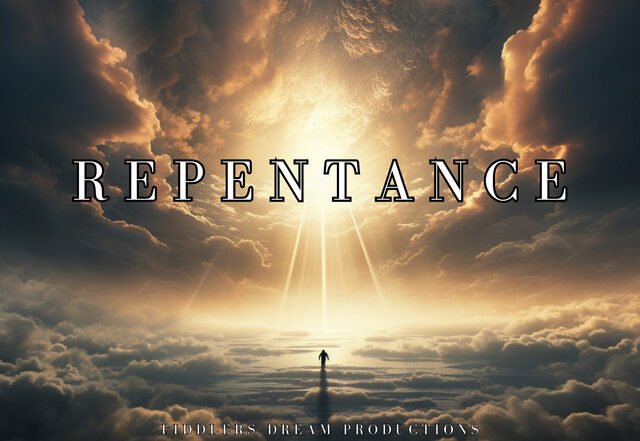
Asher Laub – Repentance | Neoclassical music review
Melancholic and very emotional song feels deeper and deeper with every time it is played. Addictive lead violin theme is just beautiful and in moments sad, it ... >>> Read full review & listen to the song on Nagamag #cinematic #nagamag #musicmagazine #musicreview #review FB: @asherlaubmusic IG: @asherlaub

Daniël Tomàs – Rêverie | Neoclassical music review
Истинное воплощение эмоций и прекрасной музыкальной техники исполнения. Эта инструментальная композиция создаёт атмосферу медитативного погружения в сон. Звуки... >>> Read full review & listen to the song on Nagamag #solopiano #daniëltomàs #netherlands #nagamag #musicmagazine #musicreview #review IG: @danieltomaspianist
Difference between Classical and Neoclassical Music
Classical music refers to a broad range of music written in the classical tradition, which encompasses a wide range of styles and forms. It is generally characterized by its formal structure and its use of traditional instruments and ensemble configurations.
Neoclassicism is a style of music that refers to the revival and use of classical forms and styles in music, particularly in the 18th and early 19th centuries. It is characterized by its use of clear, concise forms and a focus on structure and balance. Neoclassicism was a reaction against the romantic style of music, which was characterized by emotion and passion, and was influenced by the ideas of the Enlightenment, which valued reason and classical learning.
Some of the key differences between classical and neoclassical music include:
Time period: Classical music refers to music written during the classical period (1730-1820), while neoclassicism refers to music written after the classical period that incorporates elements of classical forms and styles.
Emphasis on structure: Classical music is known for its formal structure and the use of traditional forms such as the sonata and the symphony. Neoclassical music also places a strong emphasis on structure, but may also incorporate elements of popular music and folk music.
Emphasis on emotion: Classical music is often more reserved and formal in its emotional expression, while neoclassicism tends to be more emotional and expressive.
Use of tonality: Both classical and neoclassical music use tonality, but neoclassicism often incorporates a wider range of tonal structures and may experiment with atonality.
Use of traditional instruments: Both classical and neoclassical music use traditional classical instruments such as strings, woodwinds, brass, and percussion. However, neoclassicism may also incorporate elements of popular music and folk music, and may use a wider range of instruments.
Overall, the main difference between classical and neoclassical music is the time period in which the music was written, and the specific techniques and styles used by the composer. Classical music is generally more formal and reserved in its expression, while neoclassicism tends to be more expressive and may incorporate elements of popular music and folk music.
The most used instruments in Neoclassical Music
In neoclassical music, the most common instruments used are those found in the classical orchestra, including:
Strings: Violin, viola, cello, double bass
Woodwinds: Flute, oboe, clarinet, bassoon
Brass: Trumpet, French horn, trombone, tuba
Percussion: Timpani, snare drum, bass drum, cymbals, xylophone, marimba, triangle
Keyboard: Piano, harpsichord
These instruments are often used to create a wide range of textures and sounds, and are featured in many different types of classical music, including neoclassical music. In addition to these instruments, many composers also incorporate elements of popular music and folk music into their compositions, and may use a variety of other instruments such as guitars, bass, drums, and synthesizers.
It’s also worth noting that many composers and performers of neoclassical music are skilled in a variety of different instruments, and may switch between different instruments in order to achieve the desired sound and texture.
Vocals are sometimes used in neoclassical music, although they are not as common as instrumental music. When vocals are used in neoclassical music, they are typically performed by trained classical singers who have the ability to sing with precise pitch and control.
One common use of vocals in neoclassical music is in operatic compositions, where singers perform arias and recitatives in a style that is similar to traditional opera. Neoclassical opera is a subgenre of classical music that combines elements of traditional opera with elements of neoclassicism, and often incorporates elements of popular music and folk music.
In addition to operatic vocals, vocals may also be used in other forms of neoclassical music, such as choral music or vocal chamber music. Some composers may also incorporate elements of popular music or folk music into their compositions, and may use vocals in a more modern or experimental style.
It’s worth noting that the use of vocals in neoclassical music is highly dependent on the individual composer and the specific piece of music, and not all neoclassical compositions will feature vocals.