
Blogwave Music ⁞ New Releases⁞ Artist Interviews⁞ Music News
Introduction of Blogwave Music
Blogwave is a genre of electronic music that emerged in the 1980s and is characterized by the use of synthesizers and other electronic music production equipment. It often incorporates elements of 1980s pop culture, including retro futuristic design elements and nostalgiciac references to 1980s films, television shows, and video games.
Blogwave music often has a nostalgiciac, retro feel and is known for its use of vintage synthesizers and other electronic music production equipment. It is often associated with the subculture known as “retrowave,” which encompasses a variety of art and media inspired by 1980s pop culture.
Blogwave has gained popularity in recent years, with many artists and DJs creating and performing music in this genre. It is often associated with the retrofuturism movement, which looks back to the past and imagines what the future might have looked like if certain technological or cultural developments had taken a different path.
In general, Blogwave is known for its nostalgiciac, retro feel and its use of vintage synthesizers and other electronic music production equipment. It is a popular genre of electronic music that has gained a dedicated following around the world.
Sponsored Blogwave Playlist on Spotify
Favorite Blogwave Videos on Youtube
Recent Blogwave Artists Interviews
Blogwave Featured Releases
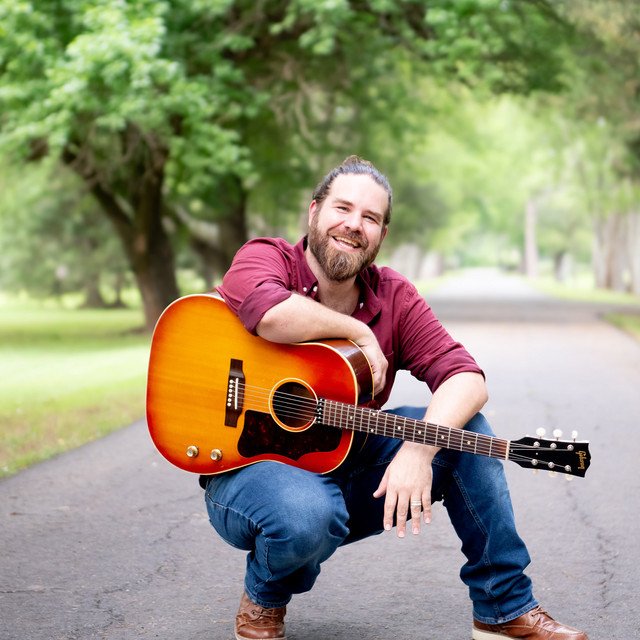
Release Review: Chuck Royer – New Day | Rock
Music Review:
“Chuck Royer’s wonderful rock ballad “New Day” gradually builds in intensity, drawing us into an exhilarating musical journey. The melody strikes a beautiful balance between power and romance, creating an atmosphere that becomes increasingly captivating as the song unfolds. At the center are the vocals, filled with passion, strength, and remarkable expressive ability. Moments such as 1:36 and 3:08 feel like natural peaks, elevating the track and leaving a lasting impression long after they pass.”
-Nagamag.com

Maria Reich – Care Song | Pop Review
Music Review:
“The soft, romantic melody of Maria Reich’s “Care Song” seems to open a door into the realm of memories, while simultaneously allowing us to drift gently into reverie. The remarkable vocals, with their clear and warm timbre, avoid any sense of excess, instead expressing themselves with disarming immediacy and reaching directly for our most sensitive chords. Its gentle rhythm works almost hypnotically, calming the senses and creating an intimate, weightless atmosphere. There is something deeply comforting in the way the song unfolds, quietly drawing us inward.”
-Nagamag.com
“TRUE” by Nathaniel Bellows | Rock Review
Music Review:
“On Nathaniel Bellows’ “TRUE,” the distinctive vocals immediately command attention, not through spectacle but through their rich, almost fragile emotionality. The soft, understated melody moves beneath the surface, like a memory returning without warning, while the quiet, contemplative rhythm gives the music room to breathe. It’s a track that never demands our attention; it slowly earns it, turning nostalgia into a deeply immersive, almost hypnotic experience, lingering long after the final note fades away.”
-Nagamag.com
Latest Blogwave discoveries
Mitch Hunt, Noah – No Stars Tonight (Spotify)
Neil Friedlander – Love Is a Ripple on a Lake (Spotify)
Some Blogwave subgenres
There are several subgenres of Blogwave, including:
Outrun: a subgenre of Blogwave that is characterized by its use of 1980s-inspired synthesizers and its focus on themes of speed, neon lights, and futuristic cities.
Darksynth: a subgenre of Blogwave that combines elements of Blogwave with darker, more aggressive themes and sounds.
Dreamwave: a subgenre of Blogwave that is characterized by its use of smooth, atmospheric synthesizers and its focus on themes of nostalgia and longing.
Cyberpunk: a subgenre of Blogwave that is inspired by the cyberpunk genre of science fiction and is characterized by its use of futuristic sounds and themes.
Retrowave: a subgenre of Blogwave that is characterized by its use of vintage synthesizers and its focus on themes of nostalgia and retrofuturism.
Horror Synth: a subgenre of Blogwave that combines elements of Blogwave with horror-inspired themes and sounds.
Future funk: a subgenre of Blogwave that combines elements of funk, disco, and electronic music, often with a futuristic or cyberpunk-inspired aesthetic.
Electro funk: a subgenre of Blogwave that combines elements of funk, disco, and electronic music, often with a retro or nostalgiciac feel.
Electro house: a subgenre of Blogwave that combines elements of house music and electronic music, often with a focus on danceability and energetic beats.
Chillwave: a subgenre of Blogwave that is characterized by its laid-back, atmospheric sound and its focus on themes of relaxation and introspection.
Vaporwave: a subgenre of Blogwave that is characterized by its use of slowed-down, chopped-up samples from 1980s and 1990s pop and smooth jazz music, often combined with synthesizers and other electronic elements.
Future garage: a subgenre of Blogwave that combines elements of garage music and electronic music, often with a futuristic or experimental aesthetic.
Dub techno: a subgenre of Blogwave that combines elements of techno and dub music, often with a focus on deep, immersive sounds and experimental production techniques.
Synthpop: a subgenre of Blogwave that combines elements of pop music and electronic music, often with a focus on catchy melodies and upbeat rhythms.
These are just a few examples of the many subgenres of Blogwave that have emerged over the years. Many Blogwave artists and DJs draw inspiration from multiple subgenres and may incorporate elements of several different styles into their music.
The most used instruments in Blogwave Music
In Blogwave music, synthesizers are the most common and important instrument used. Synthesizers are electronic instruments that generate sounds by creating and modifying waveforms. They can produce a wide range of sounds, including melodies, chords, basslines, and effects, and are often used to create the signature sound of Blogwave music.
Other common instruments used in Blogwave music include drum machines, samplers, and sequencers. Drum machines are electronic instruments that produce drum and percussion sounds, while samplers allow users to record and play back samples of sounds, such as drum hits or individual notes from a synthesizer. Sequencers are used to program and arrange musical patterns and can be used to create complex, layered compositions.
Guitars, basses, and other traditional instruments are also sometimes used in Blogwave music, often in conjunction with synthesizers and other electronic instruments. In some cases, these instruments may be played live, while in others they may be processed through electronic effects or played using software instruments.
Vocals: Vocals can be used in Blogwave music, but they are not always present. Some Blogwave tracks are purely instrumental, while others feature vocals as a prominent element.
In Blogwave music, vocals are often treated as just another sound source, similar to a synthesizer or drum machine. They may be processed through electronic effects to give them a particular sound or texture, or they may be used in combination with other electronic instruments to create a more layered, complex sound.
Many Blogwave tracks feature vocals that are sung or spoken in a style that is reminiscent of 1980s pop and new wave music. These vocals may be treated with effects such as reverb, delay, or vocoding to give them a retro or futuristic feel.
Overall, the use of vocals in Blogwave music is a matter of personal preference for the artist or producer creating the track. Some Blogwave tracks are purely instrumental, while others feature vocals as a key element of the sound.
Overall, the most important instrument in Blogwave music is the synthesizer, which is used to create the majority of the sounds heard in this genre. Other electronic instruments, such as drum machines and samplers, are also commonly used to shape and augment the sounds produced by synthesizers.


