
Electronica Music ⁞ New Releases⁞ Artist Interviews⁞ Music News
Introduction of Electronica Music
Electronica is a broad term that encompasses a variety of electronic music genres, including electronic dance music (EDM), techno, house, trance, and many others. These genres are characterized by the use of electronic instruments and computer-based production techniques to create music that is often designed for dancing and listening in clubs and other party settings. Electronica music often features electronic beats and synthesizers, as well as other electronic sounds and effects, and can range from high-energy, upbeat tracks to more atmospheric, ambient compositions. Electronica has a wide and diverse following, and is a major influence on contemporary popular music.
Electronica Playlist by Nagamag on Spotify
Favorite Electronica Videos on Youtube
Recent Electronica Interviews
Electronica Featured Releases
Latest Electronica discoveries

Stayhomie — I can do it for you (feat. Snezhik) (Video)
“Cool and loose-limbed piece of art, ideal for your ears. Do you need to isolate from the d... Read full review and listen to the song on Nagamag.com #Future #UKGarage #Chillstep #StayhomiexSnezhik #nagamag #music #magazine
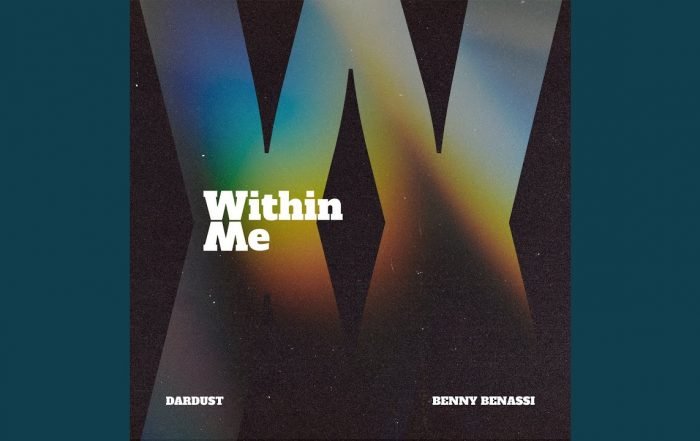
Dardust x Benny Benassi – WITHIN ME (Radio Edit) (Video)
“Enjoy the fresh work of Dardust, which has all you need to relax while staying active at t... Read full review and listen to the song on Nagamag.com #Trance #Electronica #ProgressiveHouse #DardustxBennyBenassi #nagamag #music #magazine

Misaïdu – Shinobi (Spotify)
“Misaidu comes with a great surprice for our ears. Follow the harmonic flow of "Shinobi" wi... Read full review and listen to the song on Nagamag.com #Psydub #Psychill #IDM #Glitch #Downtempo #nagamag #music #magazine

Konchord – Drowsy Dawn (Video)
“Konchord delivers a nice electronic piece; Drowsy Dawn with characteristic bouncy bass and... Read full review and listen to the song on Nagamag.com #Downtempo #OrganicHouse #DeepHouse #nagamag #music #magazine Artist's Socials: Facebook: @konchord Instagram: @konchord

Macrowave – Ex Nihilo (Spotify)
“True epic production far from the typical sounds. "Ex Nihilo" meaning out of nothing, make... Read full review and listen to the song on Nagamag.com #Cinematic #EpicMusic #Wave #Macrowave #nagamag #music #magazine Artist's Socials: Facebook: @macrowave.music Instagram: @macrowavemusic Twitter: @macrowavemusic
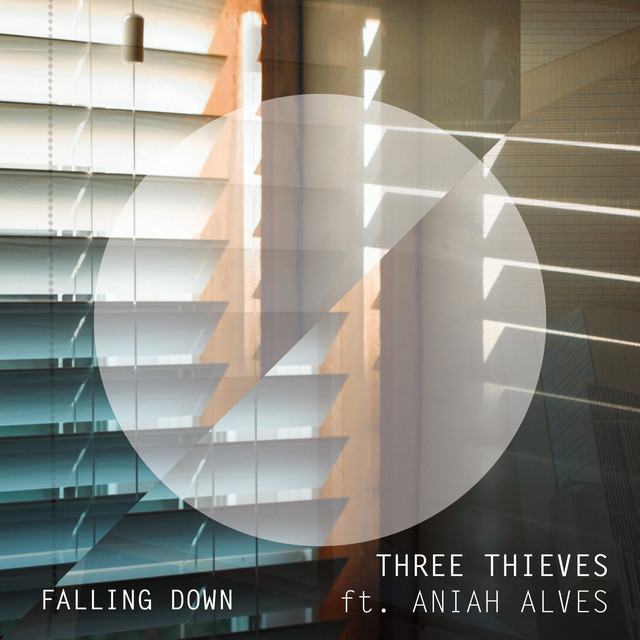
Three Thieves – Falling Down (Spotify)
“Selected piece in a Trip-Hop mood that can attract almost every listener. Also the singer'... Read full review and listen to the song on Nagamag.com #TripHop #ThreeThieves #nagamag #music #magazine
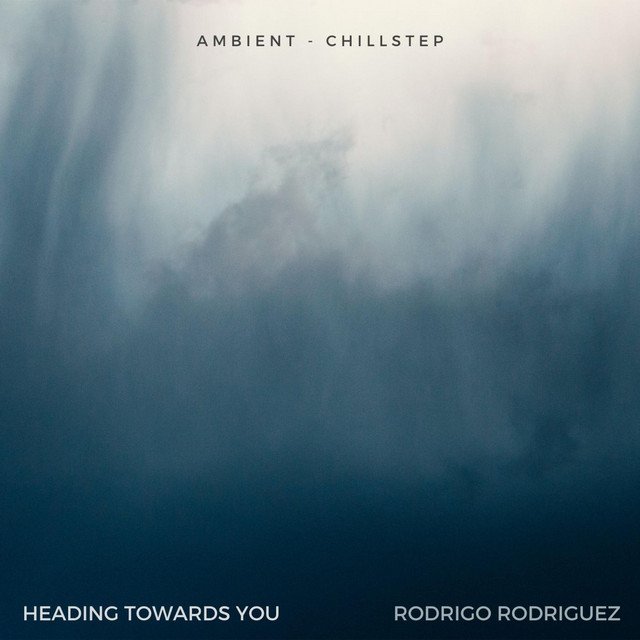
Rodrigo Rodriguez – Heading Towards You (Ambient & Chillstep) (Spotify)
“Exceptional Ambient and meditation atmosphere "Heading Towards You" by a talented artist. ... Read full review and listen to the song on Nagamag.com #Lounge #Chillstep #FutureGarage #RodrigoRodriguez #nagamag #music #magazine Artist's Socials: Facebook: @rodrigorodriguezmusic Instagram: @rodrigoshakuhachi Twitter: @shikanotone

RJ Pasin – Resonance (Spotify)
“Have you ever felt that nothing worths to listen now? This track is definitely an exceptio... Read full review and listen to the song on Nagamag.com #TripHop #Downtempo #Chillstep #RJPasin #nagamag #music #magazine Artist's Socials: Instagram: @rjpasin

Woulds – Safe Haven (Spotify)
“Sophisticated Downtempo synthesis from a young craftfull artist. A real taste of Heaven re... Read full review and listen to the song on Nagamag.com #ExperimentalElectronic #Downtempo #Ambient #Drone #Woulds #nagamag #music #magazine Artist's Socials: Instagram: @wouldsmusic
Some Electronica subgenres
There are many subgenres within the broad umbrella of electronica music. Some of the more well-known subgenres include:
Techno: This genre originated in Detroit in the 1980s and is characterized by its use of electronic instruments and computer-based production techniques to create music that is often experimental and experimental.
House: This genre originated in Chicago in the 1980s and is characterized by its use of electronic instruments and computer-based production techniques to create music that is often upbeat and danceable.
Trance: This genre is characterized by its use of electronic instruments and computer-based production techniques to create music that is often hypnotic and characterized by repetitive rhythms and melodies.
Electro house: This genre is a fusion of house and electro, and is characterized by its use of electronic instruments and computer-based production techniques to create music that is often upbeat and energetic.
Dubstep: This genre originated in the UK in the late 1990s and is characterized by its use of electronic instruments and computer-based production techniques to create music that is often characterized by heavy bass and complex rhythms.
Drum and Bass: This genre originated in the UK in the 1980s and is characterized by its use of electronic instruments and computer-based production techniques to create music that is often characterized by fast tempos and complex rhythms.
Ambient: This genre is characterized by its use of electronic instruments and computer-based production techniques to create music that is often atmospheric and ambient.
Breakbeat: This genre is characterized by its use of electronic instruments and computer-based production techniques to create music that is often characterized by broken beat rhythms.
IDM (Intelligent Dance Music): This genre is characterized by its use of electronic instruments and computer-based production techniques to create music that is often experimental and characterized by complex rhythms and structures.
Electroclash: This genre is a fusion of electro and punk, and is characterized by its use of electronic instruments and computer-based production techniques to create music that is often characterized by a raw and edgy sound.
Glitch: This genre is characterized by its use of electronic instruments and computer-based production techniques to create music that is often characterized by the use of digital errors and glitches as part of the musical structure.
Acid House: This genre originated in the UK in the 1980s and is characterized by its use of electronic instruments and computer-based production techniques to create music that is often characterized by the use of the Roland TB-303 synthesizer.
Acid Techno: This genre is a fusion of techno and acid house, and is characterized by its use of electronic instruments and computer-based production techniques to create music that is often characterized by the use of the Roland TB-303 synthesizer.
These are just a few more examples of the many subgenres within the broad umbrella of electronica music. There are many other subgenres as well, each with its own unique characteristics and influences.
The most used instruments in Electronica Music
There are many electronic instruments and computer-based production techniques that are commonly used in electronica music. Some of the most common instruments and equipment used in electronica music production include:
Synthesizers: Synthesizers are electronic instruments that generate sound by creating and modifying waveforms. They are an essential part of many electronica music genres and are often used to create a wide range of electronic sounds, including bass lines, lead melodies, and special effects.
Drum machines: Drum machines are electronic instruments that are used to create and sequence electronic drum sounds. They are an essential part of many electronica music genres and are often used to create beats and rhythms.
Samplers: Samplers are electronic instruments that are used to record, manipulate, and play back audio samples. They are often used in electronica music to create beats and rhythms, as well as to incorporate pre-recorded sounds and samples into music.
Digital audio workstation (DAW): A digital audio workstation (DAW) is a computer software program that is used to create, edit, and produce music. Many electronica music producers use a DAW to create, arrange, and mix their music.
DJ controller: A DJ controller is a device that is used to control a digital audio workstation or DJ software. Many electronica music DJs use a DJ controller to mix and scratch electronic music in real-time.
Effects processors: Effects processors are electronic devices that are used to modify the sound of an audio signal. Many electronica music producers use effects processors to add special effects to their music, such as reverb, delay, and distortion.
Vocals: Vocals can be used in psychill music, although they are not always a prominent feature of the genre. Some psychill tracks may feature vocals as the main focus of the music, while in other cases, vocals may be used more sparingly as an additional element within the music.
When vocals are used in psychill music, they can take a variety of forms, including singing, spoken word, or chanting. The lyrics of psychill tracks may be abstract or metaphorical, or they may be more literal and narrative in nature. In some cases, vocals in psychill music may be treated as another instrument, with the use of pitch shifting, effects processing, and other production techniques to create unique and otherworldly sounds.
Overall, the use of vocals in psychill music is a matter of artistic choice and can vary widely from one track to the next. Some psychill tracks may feature prominent vocals, while others may use vocals sparingly or not at all.
These are just a few examples of the electronic instruments and computer-based production techniques that are commonly used in electronica music. There are many other electronic instruments and technologies that are also used in electronica music production, each with its own unique capabilities and characteristics.