
House Music ⁞ New Releases⁞ Artist Interviews⁞ Music News
Introduction of House Music
House music is a genre of electronic dance music that originated in the 1980s in Chicago, Illinois. It is characterized by its use of a four-on-the-floor beat, synthesizers, and electronic drum machines, as well as prominent basslines and vocals that often feature repetitive phrases and a strong emphasis on rhythm. House music is often associated with the club scene and has been popularized by DJs and producers who create and play the music at clubs and other venues around the world. It has also been influential in the development of other electronic dance music genres such as techno, trance, and garage.
House by Nagamag Playlist on Spotify
Recent House Interviews
House Featured Releases
Latest House discoveries

George Mensah – Share My Love
Старая, но до боли в сердце знакомая музыка House, которая вот уже не одно десятилетие сохранила в себе свою ламповость и душевность. Отправляйтесь в ритмическ... >>> Read more & listen to this song on Nagamag #houseoldschool #deephouse #techhouse #nagamag #musicmagazine IG: @georgiemensah
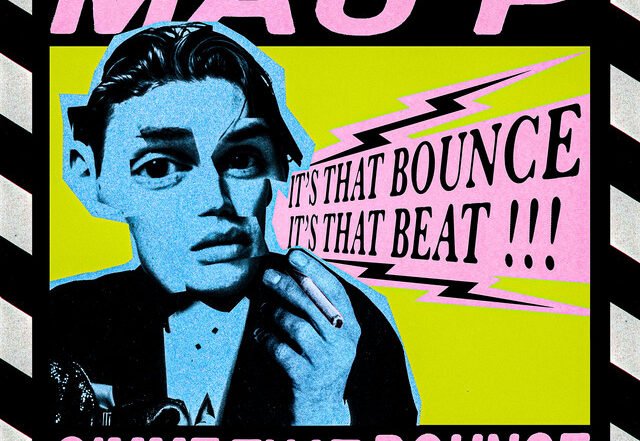
Mau P – Gimme That Bounce
Faster tempo and groove that have more old school elements will definitely make you move on the dance floor. Smooth bass line makes hypnotic drive, while the v... >>> Read more & listen to this song on Nagamag #edm #techhouse #maup #nagamag #musicmagazine
Maxi Meraki – Home (Ft. Starving Yet Full)
Modern production can be felt from the first beat. Kick drum is perfect for all the club fan with smooth groove as a driving force. Piano themes and chord prog... >>> Read more & listen to this song on Nagamag #melodictechno #house #nagamag #musicmagazine IG: @maximeraki

Kipunji – Fortress – Club Version
Beautiful percussive elements and very groovy vibes, that are layered with lush piano theme and catchy vocal sample makes instant impression with the track. Ba... >>> Read more & listen to this song on Nagamag #organichouse #deephouse #nagamag #musicmagazine IG: @pj_kipunji TW: @pj_kipunji
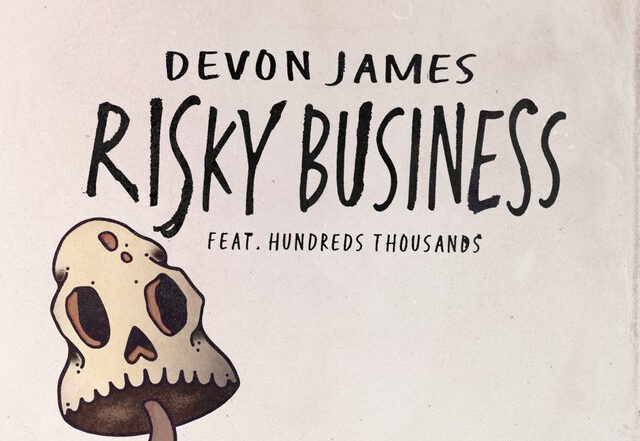
Devon James feat. Hundreds Thousands – Risky Business
Catchy chords, beautiful vocal and old school groove gives this track amazing atmosphere. Nice edits and effects on the vocal within the arrangement. Simple bu... >>> Read more & listen to this song on Nagamag #deephouse #nagamag #musicmagazine
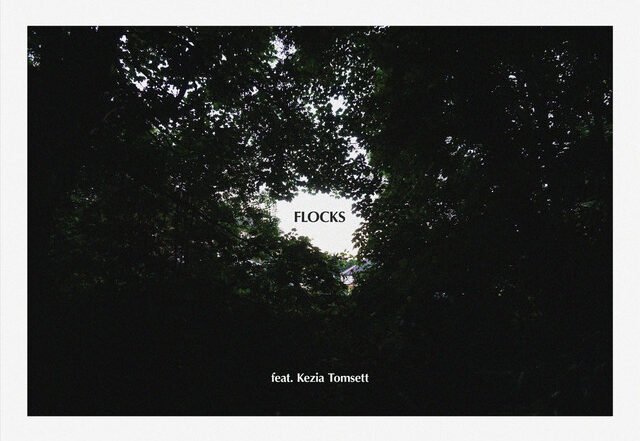
Mountain Range – Flocks
Follow the groove of "Flocks" and let the music clean your mind. Another Techno-House masterpiece with powerful rhythmic flow and soft vocals is ready to sprea... >>> Read more & listen to this song on Nagamag #progressivehouse #melodictechno #house #experimentalelectronic #nagamag #musicmagazine

Svet – Silence feat Diana Inez (Juloboy Remix)
Η μελωδία μας αποκαλύπτει τα υπέροχα και μοναδικά μονοπάτια της. Τα φωνητικά απίστευτα όμορφα, δυναμικά και καθαρά διαπερνούν την ψυχή και το μυαλό και μας απο... >>> Read more & listen to this song on Nagamag #deephouse #nagamag #musicmagazine IG: @djsvet

Kapuzen – Chemicals (On The Dance Floor)
House groove with a lot of old school elements with a modern sound and production. Catchy vocals that are smoothly placed and arranged to add more atmosphere a... >>> Read more & listen to this song on Nagamag #techhouse #nagamag #musicmagazine IG: @KapuzenMusic TW: @KapuzenMusic
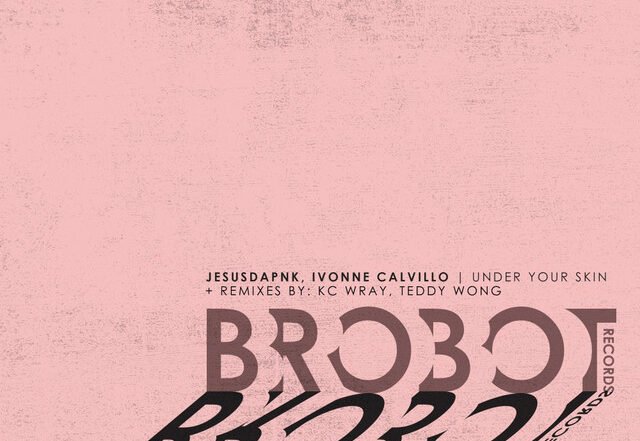
Jesusdapnk x Ivonne Calvillo – Under Your Skin
Rhythmic and very groove house track, with all the old school elements that defined the style in the 90's. Sub bass line and percussive loops, catchy and beaut... >>> Read more & listen to this song on Nagamag #houseoldschool #deephouse #nagamag #musicmagazine
Some House subgenres
There are many subgenres of house music, each with its own unique characteristics and influences. Some common subgenres of house music include:
Deep house: A subgenre of house that originated in the 1980s and is characterized by its use of complex chord structures, smooth basslines, and a relaxed, atmospheric sound.
Tech house: A subgenre of house that combines elements of techno and house music and is characterized by its use of intricate, percussive rhythms and a strong emphasis on production techniques.
Acid house: A subgenre of house that originated in the 1980s and is characterized by its use of the Roland TB-303 synthesizer, which produces a distinctive, squelchy sound known as the “acid” sound.
Tribal house: A subgenre of house that originated in the 1990s and is characterized by its use of percussion-heavy rhythms and a strong tribal influence.
Electro house: A subgenre of house that originated in the 2000s and is characterized by its use of electronic and synthesized sounds, as well as heavy basslines and a fast tempo.
Chicago house: A subgenre of house that originated in Chicago, Illinois and is characterized by its use of a four-on-the-floor beat, electronic drum machines, and synthesizers.
Funky house: A subgenre of house that combines elements of funk, soul, and disco with a four-on-the-floor beat and electronic production techniques.
Minimal house: A subgenre of house that originated in the 2000s and is characterized by its use of stripped-back, minimalist production techniques and a focus on subtle changes in sound and rhythm.
Progressive house: A subgenre of house that originated in the 1990s and is characterized by its use of complex, evolving melodies and a focus on building tension and releasing it through the use of breakdowns and buildups.
Soulful house: A subgenre of house that combines elements of soul, funk, and disco with a four-on-the-floor beat and electronic production techniques.
Bass house: A subgenre of house that originated in the 2010s and is characterized by its use of heavy basslines, distorted synths, and a focus on high-energy dancefloor appeal.
Jackin’ house: A subgenre of house that originated in Chicago and is characterized by its use of a four-on-the-floor beat, funky basslines, and a strong emphasis on rhythm.
Ghetto house: A subgenre of house that originated in Chicago and is characterized by its use of raw, stripped-back production techniques and a focus on bass-heavy, percussive rhythms.
These are just a few examples of the many subgenres of house music that exist. Many house producers and DJs draw from a wide range of influences when creating their music, and the lines between different subgenres can be blurry at times.
The most used instruments in House Music
In house music, electronic instruments and production techniques are often used to create the distinctive sound of the genre. Some common electronic instruments and equipment that are used in the production of house music include:
Synthesizers: House music often makes use of synthesizers to create a wide range of electronic sounds, including basslines, melodies, and percussion.
Drum machines: House music often makes use of drum machines to create the characteristic four-on-the-floor beat that is a hallmark of the genre.
Samplers: House music producers often use samplers to manipulate and incorporate sounds from other sources, such as vocals, percussion, or other instrumentation, into their tracks.
Digital audio workstations (DAWs): House music producers often use digital audio workstations to create, edit, and arrange their tracks.
DJ controllers: House music DJs often use DJ controllers to mix and manipulate tracks in real-time.
Effects processors: House music producers and DJs often use effects processors, such as reverb, delay, and filters, to shape the sound of their tracks.
Vocals: vocals are often used in house music. In many cases, vocals are used to provide a catchy, repetitive phrase or hook that helps to drive the rhythm of the track and create a memorable listening experience. House music vocals are often processed with effects such as reverb, delay, and filtering to give them a distinctive sound. In some cases, house music producers will sample vocals from other sources, such as classic soul or disco tracks, and incorporate them into their own tracks. House music vocals can be performed by a solo artist or a group, and can be sung or spoken in a variety of styles. The lyrics in house music can vary widely depending on the specific track and the artist who created it. Some house music tracks may have lyrics that focus on themes such as love, relationships, or personal experiences, while others may have more abstract or spiritual themes. In some cases, the lyrics of a house music track may be secondary to the overall atmosphere or groove of the track, and may be used more as a means of creating a particular mood or feeling rather than conveying a specific message. In other cases, the lyrics of a house music track may be more prominent and may be used to convey a specific message or theme. Ultimately, the meaning of the lyrics in a house music track will depend on the specific artist and the context in which the track was created.
In addition to these electronic instruments, some house music producers and DJs may also incorporate live instrumentation, such as keyboards, drums, or guitar, into their tracks.