
Neoclassical Music ⁞ New Releases⁞ Artist Interviews⁞ Music News
Introduction of Neoclassical Music
Neoclassical music is a style of classical music that is characterized by its use of traditional forms and styles, as well as a focus on structure and balance. It is often seen as a reaction against the romantic style of music, which was characterized by emotion and passion, and was influenced by the ideas of the Enlightenment, which valued reason and classical learning.
Some of the key features of neoclassical music include the use of traditional forms such as sonata form, the use of clear and concise melodies, and the incorporation of elements of folk music and popular music. Neoclassical music also often featured a return to tonality, which is the use of a specific key or tonal center in a piece of music.
The neoclassical style has had a lasting influence on classical music, and it continues to be an important part of the classical repertoire
Favorite Neoclassical Music on Spotify
Favorite Neoclassical Videos on Youtube
Recent Neoclassical Interviews
Neoclassical Features
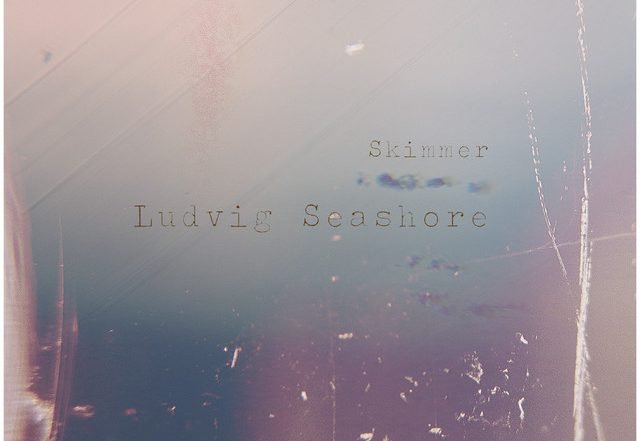
Ludvig Seashore – Pleiaden (Spotify)
Ludvig Seashore – Pleiaden (Spotify)

Soft poetic piano meets electronic atmospheres in this narrative piece. Featured on Ludvigs first solo-album "Skimmer"

Shortwave – Frozen Waves (Spotify)
Shortwave – Frozen Waves (Spotify)

Music composed for Frozen Lake Michigan & a companion to drone footage - peaceful piano, acoustic guitar, and a strings. The piano morphs into an atmospheric electronic tone that carries to the end.
Latest Neoclassical discoveries

Ali N. Askin – The Race of the Nature Spirits
Full of sounds that bring that epic scale of music within the move. Composition have a light motif but it is darker in its core, just at moments full of that b... >>> Read more & listen to this song on Nagamag #cinematic #epicmusic #nagamag #musicmagazine

Fabrice Aboulker – Je me souviendrai de vous
Η μαγευτική μελωδία γεμίζει την ψυχή με αγάπη και προσμονή καθώς αντηχεί με την μεγαλειώδης παρουσία της .Χάνομαι μέσα σε αυτή και το μυαλό μου ταξιδεύει συνα... >>> Read more & listen to this song on Nagamag #solopiano #neo #modernclassical #nagamag #musicmagazine

Muidas – Snowfall In D Minor
Harmonic notes of piano are gently combined with violin magic in an Epic production. Music which cannot pass unoticed, but leave its mark to every kind of list... >>> Read more & listen to this song on Nagamag #ambient #drone #neo #modernclassical #cinematic #epicmusic #nagamag #musicmagazine IG: @muidas.music TW: @muidasmusic

Alexandra Stréliski – Élégie
Ο ήλιος έχει βγει λαμπερός, σύννεφα δεν υπάρχουν πουθενά. Τα βήματα μου βαριά περπατούν στο ήσυχο μονοπάτι ανάμεσα στο πράσινο λιβάδι. Η μελωδία υπέροχη και μο... >>> Read more & listen to this song on Nagamag #solopiano #neo #modernclassical #nagamag #musicmagazine IG: @alexstreliski TW: @alexstreliski

Alaskan Tapes – Of Woods And Seas
Deep and melancholic mood that is full of atmospheric soundscapes creates some wonder within this composition. Blissful piano theme that starts in the second p... >>> Read more & listen to this song on Nagamag #ambient #drone #neo #modernclassical #nagamag #musicmagazine IG: @alaskantapes TW: @AlaskanTapes

Magnus John Anderson – Gamma
Blissful and very cinematic composition with and amazing piano theme that is layered with some interesting sounds and effects. Strings and violins in the backg... >>> Read more & listen to this song on Nagamag #neo #modernclassical #nagamag #musicmagazine IG: @_m_j_a_n_d_e_r_s_o_n

Paige Su – #Things Will Never Be the Same#
Beautiful mixture of modern classical and jazz influences. Song with its melancholic mood and wonderful but sad moments, that creates roller coaster full of em... >>> Read more & listen to this song on Nagamag #singersongwriter #indiefolk #nagamag #musicmagazine

Neil Foster – Sunshower
Very emotional piano theme that is full of melancholic atmosphere creates beautiful cinematic mood. Violin theme is a pure bliss, layered with amazing backgrou... >>> Read more & listen to this song on Nagamag #ambient #drone #neo #modernclassical #experimentalelectronic #nagamag #musicmagazine IG: @neil_foster_music

David Deutsch – Free Shavocado
Dreamy beginning full of easy listening electronic sounds layered with beautiful violin theme. Transitions and arrangement is done so well, highlighting the be... >>> Read more & listen to this song on Nagamag #organichouse #indieelectronic #chillstep #nagamag #musicmagazine IG: @davidbdeutsch
Difference between Classical and Neoclassical Music
Classical music refers to a broad range of music written in the classical tradition, which encompasses a wide range of styles and forms. It is generally characterized by its formal structure and its use of traditional instruments and ensemble configurations.
Neoclassicism is a style of music that refers to the revival and use of classical forms and styles in music, particularly in the 18th and early 19th centuries. It is characterized by its use of clear, concise forms and a focus on structure and balance. Neoclassicism was a reaction against the romantic style of music, which was characterized by emotion and passion, and was influenced by the ideas of the Enlightenment, which valued reason and classical learning.
Some of the key differences between classical and neoclassical music include:
Time period: Classical music refers to music written during the classical period (1730-1820), while neoclassicism refers to music written after the classical period that incorporates elements of classical forms and styles.
Emphasis on structure: Classical music is known for its formal structure and the use of traditional forms such as the sonata and the symphony. Neoclassical music also places a strong emphasis on structure, but may also incorporate elements of popular music and folk music.
Emphasis on emotion: Classical music is often more reserved and formal in its emotional expression, while neoclassicism tends to be more emotional and expressive.
Use of tonality: Both classical and neoclassical music use tonality, but neoclassicism often incorporates a wider range of tonal structures and may experiment with atonality.
Use of traditional instruments: Both classical and neoclassical music use traditional classical instruments such as strings, woodwinds, brass, and percussion. However, neoclassicism may also incorporate elements of popular music and folk music, and may use a wider range of instruments.
Overall, the main difference between classical and neoclassical music is the time period in which the music was written, and the specific techniques and styles used by the composer. Classical music is generally more formal and reserved in its expression, while neoclassicism tends to be more expressive and may incorporate elements of popular music and folk music.
The most used instruments in Neoclassical Music
In neoclassical music, the most common instruments used are those found in the classical orchestra, including:
Strings: Violin, viola, cello, double bass
Woodwinds: Flute, oboe, clarinet, bassoon
Brass: Trumpet, French horn, trombone, tuba
Percussion: Timpani, snare drum, bass drum, cymbals, xylophone, marimba, triangle
Keyboard: Piano, harpsichord
These instruments are often used to create a wide range of textures and sounds, and are featured in many different types of classical music, including neoclassical music. In addition to these instruments, many composers also incorporate elements of popular music and folk music into their compositions, and may use a variety of other instruments such as guitars, bass, drums, and synthesizers.
It’s also worth noting that many composers and performers of neoclassical music are skilled in a variety of different instruments, and may switch between different instruments in order to achieve the desired sound and texture.
Vocals are sometimes used in neoclassical music, although they are not as common as instrumental music. When vocals are used in neoclassical music, they are typically performed by trained classical singers who have the ability to sing with precise pitch and control.
One common use of vocals in neoclassical music is in operatic compositions, where singers perform arias and recitatives in a style that is similar to traditional opera. Neoclassical opera is a subgenre of classical music that combines elements of traditional opera with elements of neoclassicism, and often incorporates elements of popular music and folk music.
In addition to operatic vocals, vocals may also be used in other forms of neoclassical music, such as choral music or vocal chamber music. Some composers may also incorporate elements of popular music or folk music into their compositions, and may use vocals in a more modern or experimental style.
It’s worth noting that the use of vocals in neoclassical music is highly dependent on the individual composer and the specific piece of music, and not all neoclassical compositions will feature vocals.