
Neoclassical Music ⁞ New Releases⁞ Artist Interviews⁞ Music News
Introduction of Neoclassical Music
Neoclassical music is a style of classical music that is characterized by its use of traditional forms and styles, as well as a focus on structure and balance. It is often seen as a reaction against the romantic style of music, which was characterized by emotion and passion, and was influenced by the ideas of the Enlightenment, which valued reason and classical learning.
Some of the key features of neoclassical music include the use of traditional forms such as sonata form, the use of clear and concise melodies, and the incorporation of elements of folk music and popular music. Neoclassical music also often featured a return to tonality, which is the use of a specific key or tonal center in a piece of music.
The neoclassical style has had a lasting influence on classical music, and it continues to be an important part of the classical repertoire
Favorite Neoclassical Music on Spotify
Favorite Neoclassical Videos on Youtube
Recent Neoclassical Interviews
Neoclassical Features
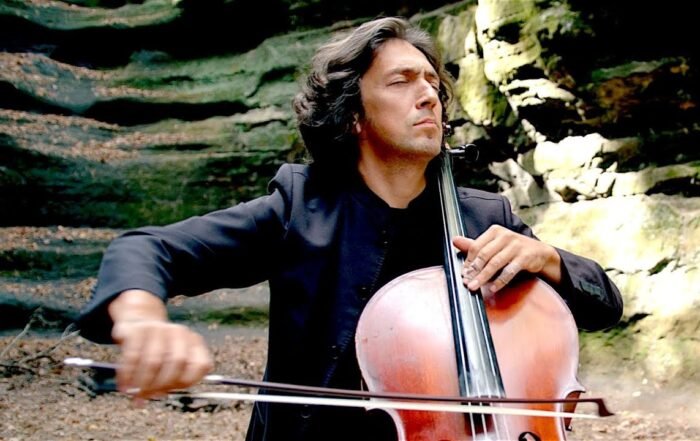
Ian Maksin: RESPIRO ambient meditation music for solo cello & multitrack (Video)
Ian Maksin: RESPIRO ambient meditation music for solo cello & multitrackVideo
This hits right to the heart! Deep emotional music.
Latest Neoclassical discoveries
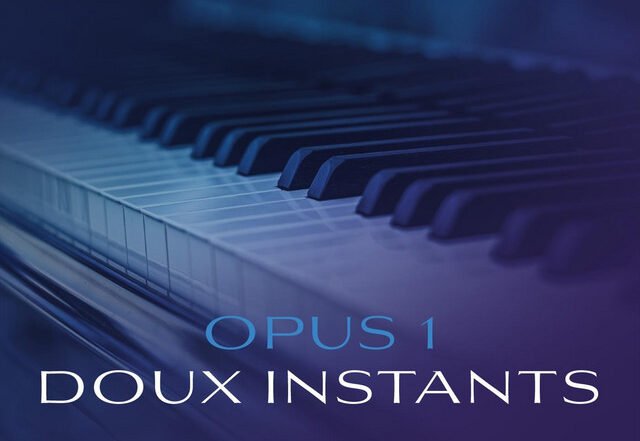
Raynald Grenier – Doux Instants
Beautiful composition, full of emotion and sweet moments that can be felt with every note coming from the blissful piano. It changes its moods at times, from v... >>> Read more & listen to this song on Nagamag #neo #modernclassical #cinematic #epicmusic #nagamag #musicmagazine

I and Others – Lost in the Light
With very melancholic harmonies and big atmospheric sounds composition feels like an intro to another state of mind, unfolding the new universe of soundscapes ... >>> Read more & listen to this song on Nagamag #cinematic #epicmusic #nagamag #musicmagazine
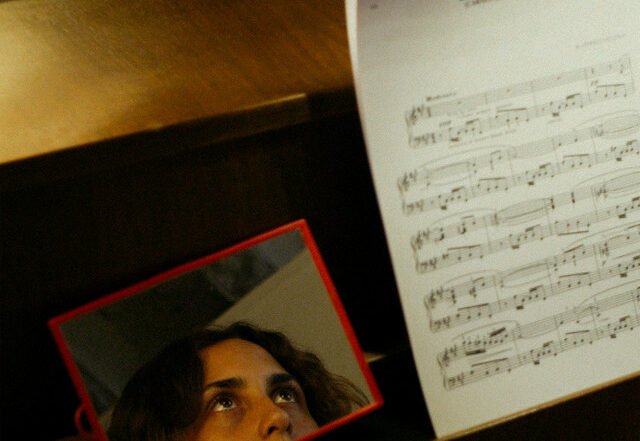
Sergio Díaz De Rojas – Canción para Otto y Elsa
Μια ανήσυχη μελωδία έρχεται ξαφνικά μέσα στο όμορφο πρωινό. Θέλει να μας ξυπνήσει απλά ή να μας πει κάτι; Τα μάτια ανοίγουν και ψάχνουν να πιαστούν από κάπου. ... >>> Read more & listen to this song on Nagamag #solopiano #neo #modernclassical #cinematic #epicmusic #nagamag #musicmagazine IG: @bonjoursergio

RonArt – End of times
Melancholic and beautiful piano theme sets the tone instantly. Strings and violins plays such an emotional themes, layering the piano in the background in a wo... >>> Read more & listen to this song on Nagamag #neo #modernclassical #cinematic #epicmusic #nagamag #musicmagazine
Josh Norman – Give Me Your Hand
Very dreamy, like the song is building by itself a fantasy world that will make every listener drift away in its imagination. Beautiful vocals and duet that fi... >>> Read more & listen to this song on Nagamag #adultcontemporary #nagamag #musicmagazine

Matthew Avery – With You
Without a doubt, piano is the most beautiful instrument for telling the emotional story. This composition is the perfect example of that kind of story telling.... >>> Read more & listen to this song on Nagamag #neo #modernclassical #nagamag #musicmagazine IG: @matthewaverymusic

Erwin Deleux – Doodtij
Μέσα στην ήσυχη νύχτα μια γλυκιά και ήρεμη μελωδία μας ξυπνά. Σαν ξάγρυπνο πουλί μας κελαηδά για να μας θυμίσει παλιές ιστορίες. Άλλες θέλουμε να τις ξεχάσουμε... >>> Read more & listen to this song on Nagamag #neo #modernclassical #nagamag #musicmagazine

Sam Miller – Peace
Μια ήρεμη δύναμη, κρυμμένη για καιρό απελευθερώνεται από την ψυχή μου. Η γαλήνια μελωδία με καθησυχάζει. Όλα είναι καλά και τίποτα δεν χαλά την ησυχία. Ο ρυθμό... >>> Read more & listen to this song on Nagamag #solopiano #neo #modernclassical #nagamag #musicmagazine IG: @sammillermusic TW: @sammiller
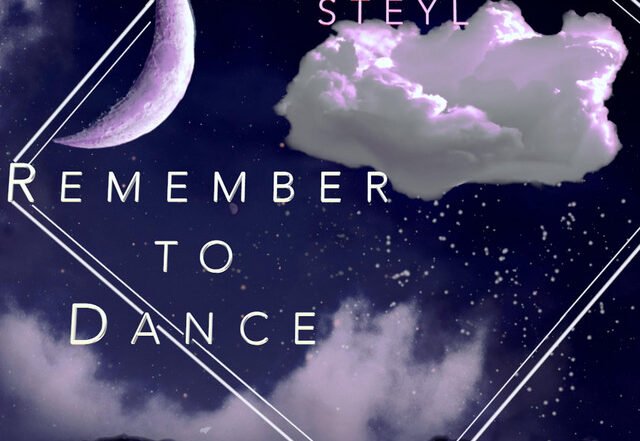
Steyl – Remember to Dance
"Steyl" share their artistic sensitivity via a fresh Neoclassical diamond. A soft touch of piano and violin magic, which can calm every anxious mind and bring ... >>> Read more & listen to this song on Nagamag #neo #modernclassical #nagamag #musicmagazine IG: @steyl_music
Difference between Classical and Neoclassical Music
Classical music refers to a broad range of music written in the classical tradition, which encompasses a wide range of styles and forms. It is generally characterized by its formal structure and its use of traditional instruments and ensemble configurations.
Neoclassicism is a style of music that refers to the revival and use of classical forms and styles in music, particularly in the 18th and early 19th centuries. It is characterized by its use of clear, concise forms and a focus on structure and balance. Neoclassicism was a reaction against the romantic style of music, which was characterized by emotion and passion, and was influenced by the ideas of the Enlightenment, which valued reason and classical learning.
Some of the key differences between classical and neoclassical music include:
Time period: Classical music refers to music written during the classical period (1730-1820), while neoclassicism refers to music written after the classical period that incorporates elements of classical forms and styles.
Emphasis on structure: Classical music is known for its formal structure and the use of traditional forms such as the sonata and the symphony. Neoclassical music also places a strong emphasis on structure, but may also incorporate elements of popular music and folk music.
Emphasis on emotion: Classical music is often more reserved and formal in its emotional expression, while neoclassicism tends to be more emotional and expressive.
Use of tonality: Both classical and neoclassical music use tonality, but neoclassicism often incorporates a wider range of tonal structures and may experiment with atonality.
Use of traditional instruments: Both classical and neoclassical music use traditional classical instruments such as strings, woodwinds, brass, and percussion. However, neoclassicism may also incorporate elements of popular music and folk music, and may use a wider range of instruments.
Overall, the main difference between classical and neoclassical music is the time period in which the music was written, and the specific techniques and styles used by the composer. Classical music is generally more formal and reserved in its expression, while neoclassicism tends to be more expressive and may incorporate elements of popular music and folk music.
The most used instruments in Neoclassical Music
In neoclassical music, the most common instruments used are those found in the classical orchestra, including:
Strings: Violin, viola, cello, double bass
Woodwinds: Flute, oboe, clarinet, bassoon
Brass: Trumpet, French horn, trombone, tuba
Percussion: Timpani, snare drum, bass drum, cymbals, xylophone, marimba, triangle
Keyboard: Piano, harpsichord
These instruments are often used to create a wide range of textures and sounds, and are featured in many different types of classical music, including neoclassical music. In addition to these instruments, many composers also incorporate elements of popular music and folk music into their compositions, and may use a variety of other instruments such as guitars, bass, drums, and synthesizers.
It’s also worth noting that many composers and performers of neoclassical music are skilled in a variety of different instruments, and may switch between different instruments in order to achieve the desired sound and texture.
Vocals are sometimes used in neoclassical music, although they are not as common as instrumental music. When vocals are used in neoclassical music, they are typically performed by trained classical singers who have the ability to sing with precise pitch and control.
One common use of vocals in neoclassical music is in operatic compositions, where singers perform arias and recitatives in a style that is similar to traditional opera. Neoclassical opera is a subgenre of classical music that combines elements of traditional opera with elements of neoclassicism, and often incorporates elements of popular music and folk music.
In addition to operatic vocals, vocals may also be used in other forms of neoclassical music, such as choral music or vocal chamber music. Some composers may also incorporate elements of popular music or folk music into their compositions, and may use vocals in a more modern or experimental style.
It’s worth noting that the use of vocals in neoclassical music is highly dependent on the individual composer and the specific piece of music, and not all neoclassical compositions will feature vocals.