
Neoclassical Music ⁞ New Releases⁞ Artist Interviews⁞ Music News
Introduction of Neoclassical Music
Neoclassical music is a style of classical music that is characterized by its use of traditional forms and styles, as well as a focus on structure and balance. It is often seen as a reaction against the romantic style of music, which was characterized by emotion and passion, and was influenced by the ideas of the Enlightenment, which valued reason and classical learning.
Some of the key features of neoclassical music include the use of traditional forms such as sonata form, the use of clear and concise melodies, and the incorporation of elements of folk music and popular music. Neoclassical music also often featured a return to tonality, which is the use of a specific key or tonal center in a piece of music.
The neoclassical style has had a lasting influence on classical music, and it continues to be an important part of the classical repertoire
Favorite Neoclassical Music on Spotify
Favorite Neoclassical Videos on Youtube
Recent Neoclassical Interviews
Neoclassical Features

Roger Evernden and Nico de Napoli – Girl On A Swing | Neoclassical music review
“For the lovers of Neoclassical music, a really impactful piano piece is out. The British composer Roger Evernden and the Italian pianist Nico de Napoli have managed to present the beauty of nature, silence and harmony in the most simple way. These melancholic lines echo like soft drops of rain in a totally peaceful atmosphere. An immersive sound experience, which you’ll remember for long!”
-Nagamag.com
Expand to read review translations *
“Για τους λάτρεις της νεοκλασικής μουσικής, κυκλοφορεί ένα πραγματικά εντυπωσιακό κομμάτι για πιάνο. Ο Βρετανός συνθέτης Roger Evernden και ο Ιταλός πιανίστας Nico de Napoli έχουν καταφέρει να παρουσιάσουν την ομορφιά της φύσης, τη σιωπή και την αρμονία με τον πιο απλό τρόπο. Αυτές οι μελαγχολικές γραμμές αντηχούν σαν απαλές σταγόνες βροχής σε μια εντελώς γαλήνια ατμόσφαιρα. Μια καθηλωτική εμπειρία ήχου, που θα θυμάστε για πολύ!”
-Nagamag.com
* Automatically Translated
Nagamag unveils the mesmerizing composition “Girl On A Swing”, an extraordinary creation of harmony and creativity that Roger Evernden and Nico de Napoli offered to all of us. A Neoclassical piece, which evoked an emotional voyage to our curator, who desired to write a unique review for the piece. What also places this song among the featured choices of Nagamag is the way that “Girl On A Swing” is enriched with the resources of the modern piano. “Girl On A Swing” is a fine music creation that deserves to be listened to again and again. Nagamag is honored to share this music review by one of our experienced reviewers for Neoclassical music compositions. As always, Nagamag keeps evaluating Neoclassical music from across the globe, ensuring that all Neoclassical enthusiasts around the world have access to these auditory treasures.
Neoclassical home page where “Roger Evernden and Nico de Napoli – Girl On A Swing” is hosted on Nagamag Music Magazine
Nagamag takes pride in supporting Neoclassical artists like “Roger Evernden and Nico de Napoli”, providing music reviews and music discoveries like “Girl On A Swing”.
This music post about song “Girl On A Swing” by “Roger Evernden and Nico de Napoli” is hosted in Neoclassical page on Nagamag.
There you can find similar Neoclassical artists to “Roger Evernden and Nico de Napoli” and more Neoclassical, Piano songs like “Girl On A Swing” that have been carefully selected by Nagamag’s Neoclassical experienced curators and reviewed by Nagamag’s Neoclassical dedicated reviewers.
Learn everything about Neoclassical on Wikipedia
If you enjoyed “Roger Evernden and Nico de Napoli – Girl On A Swing” but you have never listened before to any other Neoclassical song or you are interested in learning more about Neoclassical music gerne then click here to visit Neoclassical music page on Wikipedia.
Neoclassical music refers to a distinct style with common characteristics. Each genre carries its unique sound, instruments, and cultural influences. For a deeper understanding of Neoclassical music, Wikipedia provides comprehensive insights into its history, notable artists, and iconic works. Delve into the diverse and dynamic world of Neoclassical music through this valuable resource, broadening your knowledge around Neoclassical genre.
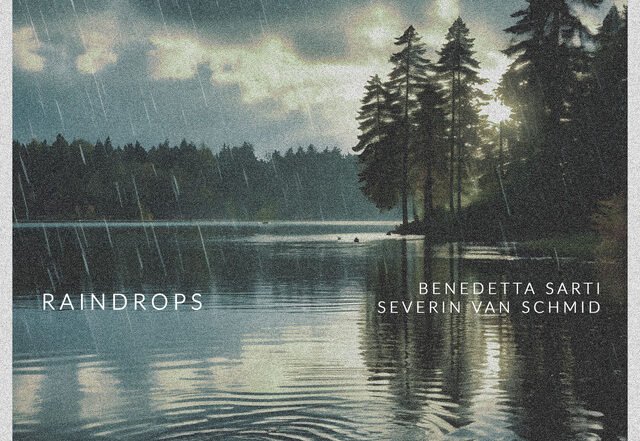
Benedetta Sarti – Raindrops | Neoclassical music review
“When strings of piano meet with violin chords we cannot resist in the call of sound. Melodic frequencies and harmonic vibrations meet together and merge thanks to the talent of experienced artists. The result is a piece that can clean the mind and touch your soul.”
-Nagamag.com
Expand to read review translations *
“Όταν οι χορδές του πιάνο συναντιούνται με χορδές βιολιού, δεν μπορούμε να αντισταθούμε στην κλήση του ήχου. Οι μελωδικές συχνότητες και οι αρμονικές δονήσεις συναντιούνται και συγχωνεύονται χάρη στο ταλέντο των έμπειρων καλλιτεχνών. Το αποτέλεσμα είναι ένα κομμάτι που μπορεί να καθαρίσει το μυαλό και να αγγίξει την ψυχή σας.”
-Nagamag.com
“Quando le stringhe di piano si incontrano con accordi di violino non possiamo resistere alla chiamata del suono. Le frequenze melodiche e le vibrazioni armoniche si incontrano e si fondono grazie al talento degli artisti esperti. Il risultato è un pezzo che può pulire la mente e toccare la tua anima.”
-Nagamag.com
The original review of “Benedetta Sarti – Raindrops
“ is written in the native language that is spoken by the dedicated, for this song, Nagamag’s Neoclassical reviewer and followed by two translations*, of which the one depends from the country of origin of the artist “Benedetta Sarti” (Italy) and the other one is translated to a different language than original review and the country of origin of the artist.
* Automatically Translated
Nagamag unveils the mesmerizing composition “Raindrops”, an extraordinary creation of harmony and creativity that “Benedetta Sarti” offered to all of us. A Neoclassical song, which evoked an emotional voyage to our curator that desired to write down a unique review for “Benedetta Sarti – Raindrops”. What also sets this song among the featured choices of Nagamag is the way that “Raindrops” is enriched with Piano characteristics. “Benedetta Sarti – Raindrops” is a rich music creation that deserves to be listened to again and again. Nagamag is honored to share this detailed music review by one of our experienced reviewers for Neoclassical music compositions. As always, Nagamag keeps up evaluating Neoclassical songs from across the globe, ensuring that all Neoclassical enthusiasts around the world have access to these auditory treasures .
Neoclassical home page where “Benedetta Sarti – Raindrops” is hosted on Nagamag Music Magazine
Nagamag takes pride in supporting Neoclassical artists like “Benedetta Sarti”, providing music reviews and music discoveries like “Raindrops”.
This music post about song “Raindrops” by “Benedetta Sarti” is hosted in Neoclassical page on Nagamag.
There you can find similar Neoclassical artists to “Benedetta Sarti” and more Neoclassical, Piano songs like “Raindrops” that have been carefully selected by Nagamag’s Neoclassical experienced curators and reviewed by Nagamag’s Neoclassical dedicated reviewers.
Learn everything about Neoclassical on Wikipedia
If you enjoyed “Benedetta Sarti – Raindrops” but you have never listened before to any other Neoclassical song or you are interested in learning more about Neoclassical music gerne then click here to visit Neoclassical music page on Wikipedia.
Neoclassical music refers to a distinct style with common characteristics. Each genre carries its unique sound, instruments, and cultural influences. For a deeper understanding of Neoclassical music, Wikipedia provides comprehensive insights into its history, notable artists, and iconic works. Delve into the diverse and dynamic world of Neoclassical music through this valuable resource, broadening your knowledge around Neoclassical genre.
Latest Neoclassical discoveries

White Angel – Karen Salicath
Mesmerizing and incredibly calming atmosphere of this piano beauty engage deeply within first notes. Harmonic structure and c... >>> Read full review & listen to the song on Nagamag #piano #nagamag #musicmagazine #musicreview #review

Van Gogh – Virginio Aiello
The piano master Virginio Aiello unfolds his creativity in a highly emotional single dedicated to a famous painter. Sober mel... >>> Read full review & listen to the song on Nagamag #neo #modernclassical #cinematic #epicmusic #crossoverclassical #virginioaiello #italy #nagamag #musicmagazine #musicreview #review

La última experiencia – Juan Pablo Fernández Ramos
Serene and very beautiful ethereal melodies and gentle textures with this enchanting and soothing composition. Its harmonic s... >>> Read full review & listen to the song on Nagamag #cinematic #nagamag #musicmagazine #musicreview #review

Silent Tears – Matthias Krauss
Ένα μελαγχολικό πέπλο απλώνεται γύρω σου και η ήρεμη και συμπονετική μελωδία έρχεται να σκουπίσει τα δάκρυα σου. Όλα όσα συνέ... >>> Read full review & listen to the song on Nagamag #neo #modernclassical #solopiano #matthiaskrauss #germany #nagamag #musicmagazine #musicreview #review

Segreti E Misteri – Daniele Piovani
Within three minutes of melodic piano vibrations, Daniele Piovani call us to dive in a world of pure mystery and search for i... >>> Read full review & listen to the song on Nagamag #cinematic #epicmusic #danielepiovani #italy #nagamag #musicmagazine #musicreview #review

Blue Blue Blue (Cinematic Orchestrated Arrangement) – Ma9Na
Ένα απόκοσμο συναίσθημα στην αρχή δίνει τη θέση του στον ενθουσιασμό στη συνέχεια. Τα εκπληκτικά φωνητικά δημιουργούν μια μεγ... >>> Read full review & listen to the song on Nagamag #cinematic #nagamag #musicmagazine #musicreview #review

Ground Wave – Chuck Johnson
Mesmerizing, incredibly calming and darker atmosphere of this cinematic beauty engage deeply within first instruments and not... >>> Read full review & listen to the song on Nagamag #neo #modernclassical #indierock #postrock #chuckjohnson #unitedstates #nagamag #musicmagazine #musicreview #review

Then Be Content (Mvt. 2) Pt. 3 ”walking through heather” – Erland Cooper
Cinematic structure gives this song different sound dimension, more depth and emotion to the already beautiful string themes.... >>> Read full review & listen to the song on Nagamag #neo #modernclassical #cinematic #epicmusic #ambient #erlandcooper #unitedkingdom #nagamag #musicmagazine #musicreview #review

Arctic Stars – amy wallace x Eric Heitmann
Serene and very beautiful ethereal melodies and gentle piano textures with her dreamy voice. Its harmonic structure brings de... >>> Read full review & listen to the song on Nagamag #neo #modernclassical #ambient #amywallacexericheitmann #amywallacexericheitmann #unitedstates #canada #nagamag #musicmagazine #musicreview #review
Difference between Classical and Neoclassical Music
Classical music refers to a broad range of music written in the classical tradition, which encompasses a wide range of styles and forms. It is generally characterized by its formal structure and its use of traditional instruments and ensemble configurations.
Neoclassicism is a style of music that refers to the revival and use of classical forms and styles in music, particularly in the 18th and early 19th centuries. It is characterized by its use of clear, concise forms and a focus on structure and balance. Neoclassicism was a reaction against the romantic style of music, which was characterized by emotion and passion, and was influenced by the ideas of the Enlightenment, which valued reason and classical learning.
Some of the key differences between classical and neoclassical music include:
Time period: Classical music refers to music written during the classical period (1730-1820), while neoclassicism refers to music written after the classical period that incorporates elements of classical forms and styles.
Emphasis on structure: Classical music is known for its formal structure and the use of traditional forms such as the sonata and the symphony. Neoclassical music also places a strong emphasis on structure, but may also incorporate elements of popular music and folk music.
Emphasis on emotion: Classical music is often more reserved and formal in its emotional expression, while neoclassicism tends to be more emotional and expressive.
Use of tonality: Both classical and neoclassical music use tonality, but neoclassicism often incorporates a wider range of tonal structures and may experiment with atonality.
Use of traditional instruments: Both classical and neoclassical music use traditional classical instruments such as strings, woodwinds, brass, and percussion. However, neoclassicism may also incorporate elements of popular music and folk music, and may use a wider range of instruments.
Overall, the main difference between classical and neoclassical music is the time period in which the music was written, and the specific techniques and styles used by the composer. Classical music is generally more formal and reserved in its expression, while neoclassicism tends to be more expressive and may incorporate elements of popular music and folk music.
The most used instruments in Neoclassical Music
In neoclassical music, the most common instruments used are those found in the classical orchestra, including:
Strings: Violin, viola, cello, double bass
Woodwinds: Flute, oboe, clarinet, bassoon
Brass: Trumpet, French horn, trombone, tuba
Percussion: Timpani, snare drum, bass drum, cymbals, xylophone, marimba, triangle
Keyboard: Piano, harpsichord
These instruments are often used to create a wide range of textures and sounds, and are featured in many different types of classical music, including neoclassical music. In addition to these instruments, many composers also incorporate elements of popular music and folk music into their compositions, and may use a variety of other instruments such as guitars, bass, drums, and synthesizers.
It’s also worth noting that many composers and performers of neoclassical music are skilled in a variety of different instruments, and may switch between different instruments in order to achieve the desired sound and texture.
Vocals are sometimes used in neoclassical music, although they are not as common as instrumental music. When vocals are used in neoclassical music, they are typically performed by trained classical singers who have the ability to sing with precise pitch and control.
One common use of vocals in neoclassical music is in operatic compositions, where singers perform arias and recitatives in a style that is similar to traditional opera. Neoclassical opera is a subgenre of classical music that combines elements of traditional opera with elements of neoclassicism, and often incorporates elements of popular music and folk music.
In addition to operatic vocals, vocals may also be used in other forms of neoclassical music, such as choral music or vocal chamber music. Some composers may also incorporate elements of popular music or folk music into their compositions, and may use vocals in a more modern or experimental style.
It’s worth noting that the use of vocals in neoclassical music is highly dependent on the individual composer and the specific piece of music, and not all neoclassical compositions will feature vocals.