
Electronica Music ⁞ New Releases⁞ Artist Interviews⁞ Music News
Introduction of Electronica Music
Electronica is a broad term that encompasses a variety of electronic music genres, including electronic dance music (EDM), techno, house, trance, and many others. These genres are characterized by the use of electronic instruments and computer-based production techniques to create music that is often designed for dancing and listening in clubs and other party settings. Electronica music often features electronic beats and synthesizers, as well as other electronic sounds and effects, and can range from high-energy, upbeat tracks to more atmospheric, ambient compositions. Electronica has a wide and diverse following, and is a major influence on contemporary popular music.
Electronica Playlist by Nagamag on Spotify
Favorite Electronica Videos on Youtube
Recent Electronica Interviews
Electronica Featured Releases

Roc Dubloc & Gid Sedgwick – Ready Or Not (Spotify)

“Give yourself a powerful Progressive House kick with this fresh team production in the scene. This track is loaded with groovy electronic patterns, atmospheric effects and mind-blowing vocals. Are you ready to ride on these dynamic waves and find a new dimension in sound? Dare to try!”
-Nagamag.com
Protocol Recordings kicks off 2022 with its first release of the year from newcomer Roc Dubloc and singer/songwriter Gid Sedgwick's single "Ready Or Not." The track serves as the debut on Nicky Romero's label for both Israeli artist Dubloc as well as the UK-based Sedgwick, and the two create a unique sonic experience with a combination of driving electro/progressive and retrowave influences. With an opening of haunting vocal riffs and a bassline that builds steadily into a drop that feels both dark and danceable, Sedgwick's voice lends a soulful element that takes the track to the next level, making this a strong start for Nicky Romero's imprint, whether you are "Ready Or Not" for it.
https://linktr.ee/RocDubloc
https://prot.cl/ready-or-not

dopeman – Don’t Stop (Spotify)

“Your sound addiction is already out. Light Drum & Bass style, in a track made only for specific listeners. Slow beat versus fast percussion patterns and a slight dose of melodic loops are waiting you in the next moments of excitement.”
-Nagamag.com
https://www.instagram.com/dopeman.music/
Mattirealism – Niet Bang Zijn (Spotify)
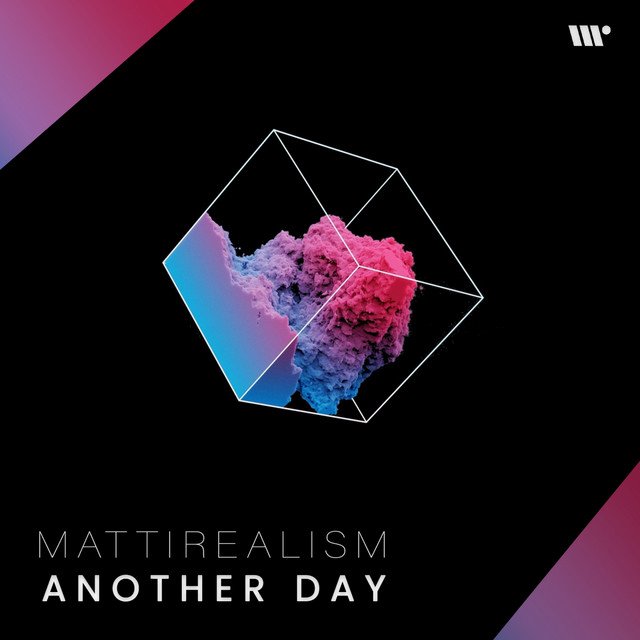
“Your mind-twisting Drum & Bass elixir is already here. "Niet Bang Zijn" gave us a pleasant kick with more than usual melodic touch. Light and fast, blows like wind out of your speakers. Don't waste time... adjust the volume and hit "play"!”
-Nagamag.com
https://mattirealism.bandcamp.com/
https://www.facebook.com/Mattirealism
https://www.instagram.com/mattirealism/
Latest Electronica discoveries
Ceas – Don’t Know
Modern production and a catchy dance groove that makes a smooth drive. Lead synth theme is amazing, with oscillating frequency that is bouncing within the arra... >>> Read more & listen to this song on Nagamag #melodictechno #house #nagamag #musicmagazine
BEC – Phantasy
Faster tempo and very groovy drive is something you can feel from the start. With some subtle old school rhythmic moments, track progresses into the perfect te... >>> Read more & listen to this song on Nagamag #techno #nagamag #musicmagazine

Elskavon – Blossom and the Void
Beautiful synths sounds are used, color is perfect, atmospheric, rich, beautifully composed. Atmospheric mood of the song don't stops there, its tribal groove,... >>> Read more & listen to this song on Nagamag #indieelectronic #nagamag #musicmagazine IG: @elskavon TW: @elskavon
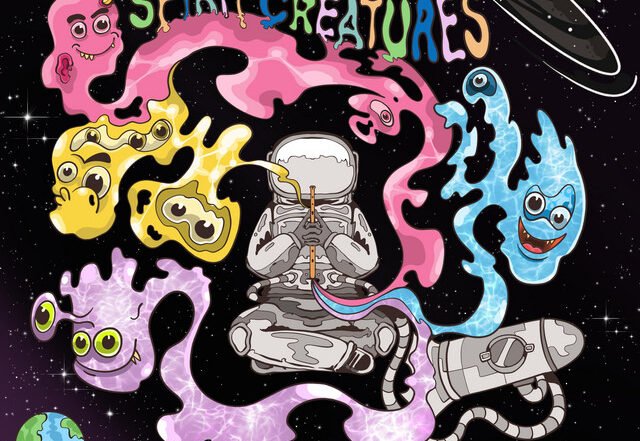
Spirit Creatures – The Event Horizon
Deeper atmosphere full of ethnic elements and harmonies is something that sets the mood of this track from the beginning. It progresses in the similar way, add... >>> Read more & listen to this song on Nagamag #psydub #psychill #psytrance #experimentalelectronic #nagamag #musicmagazine

Tadulka – I Can Feel It
Atmospheric beginning is full of interesting rhythm drums that ads a tribal feel to the track. It progresses into a nice and groovy ride, with a club crowd in ... >>> Read more & listen to this song on Nagamag #lofihouse #deephouse #nagamag #musicmagazine IG: @tadulka_____
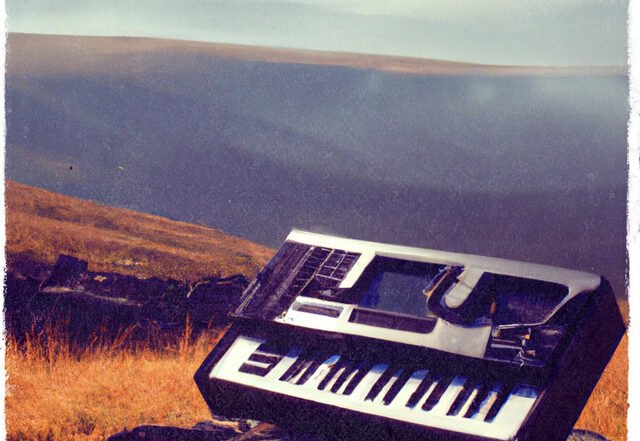
Castalia – Jessica’s Song
Το πάθος και η ζωντάνια ξεπηδούν άφθονα μέσα από τον ρυθμό και την εκπληκτική μελωδία. Χανόμαστε μέσα στον ξέφρενα όμορφο ρυθμό. Η ψυχή αναπτερώνεται και το μυ... >>> Read more & listen to this song on Nagamag #melodictechno #house #lightdrum #bass #edm #nagamag #musicmagazine
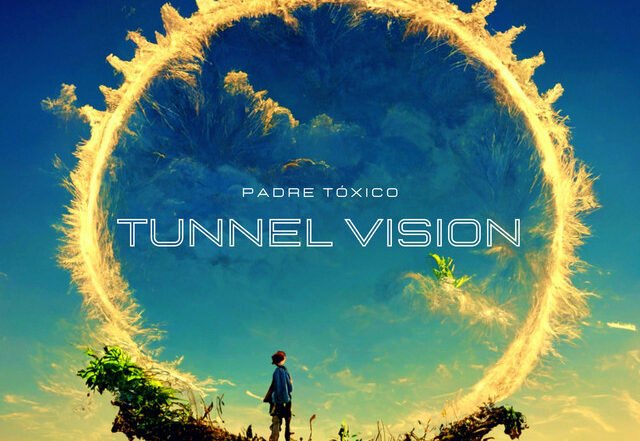
Padre Tóxico – Tunnel Vision
Track is full of very atmospheric sounds that creates such a blissful mood. Layered with beautiful themes, that adds more to that overall vibe. Arrangement is ... >>> Read more & listen to this song on Nagamag #downtempo #experimentalelectronic #nagamag #musicmagazine IG: @padretoxico TW: @PadreToxico

HAUMS x Spada – Vibration – Spada Remix
Deeper moods with this track can give the listener pure progressive calmness and smooth club drive. Pad harmonies are beautiful, melancholic atmosphere is laye... >>> Read more & listen to this song on Nagamag #progressivehouse #nagamag #musicmagazine
Mordent.IO – Places Everyone
Beautiful and soft beginning, slowly building into the drums and basic of the track with amazing themes and sounds. Smooth layering of harmonies with a blissfu... >>> Read more & listen to this song on Nagamag #downtempo #synthwave #nagamag #musicmagazine
Some Electronica subgenres
There are many subgenres within the broad umbrella of electronica music. Some of the more well-known subgenres include:
Techno: This genre originated in Detroit in the 1980s and is characterized by its use of electronic instruments and computer-based production techniques to create music that is often experimental and experimental.
House: This genre originated in Chicago in the 1980s and is characterized by its use of electronic instruments and computer-based production techniques to create music that is often upbeat and danceable.
Trance: This genre is characterized by its use of electronic instruments and computer-based production techniques to create music that is often hypnotic and characterized by repetitive rhythms and melodies.
Electro house: This genre is a fusion of house and electro, and is characterized by its use of electronic instruments and computer-based production techniques to create music that is often upbeat and energetic.
Dubstep: This genre originated in the UK in the late 1990s and is characterized by its use of electronic instruments and computer-based production techniques to create music that is often characterized by heavy bass and complex rhythms.
Drum and Bass: This genre originated in the UK in the 1980s and is characterized by its use of electronic instruments and computer-based production techniques to create music that is often characterized by fast tempos and complex rhythms.
Ambient: This genre is characterized by its use of electronic instruments and computer-based production techniques to create music that is often atmospheric and ambient.
Breakbeat: This genre is characterized by its use of electronic instruments and computer-based production techniques to create music that is often characterized by broken beat rhythms.
IDM (Intelligent Dance Music): This genre is characterized by its use of electronic instruments and computer-based production techniques to create music that is often experimental and characterized by complex rhythms and structures.
Electroclash: This genre is a fusion of electro and punk, and is characterized by its use of electronic instruments and computer-based production techniques to create music that is often characterized by a raw and edgy sound.
Glitch: This genre is characterized by its use of electronic instruments and computer-based production techniques to create music that is often characterized by the use of digital errors and glitches as part of the musical structure.
Acid House: This genre originated in the UK in the 1980s and is characterized by its use of electronic instruments and computer-based production techniques to create music that is often characterized by the use of the Roland TB-303 synthesizer.
Acid Techno: This genre is a fusion of techno and acid house, and is characterized by its use of electronic instruments and computer-based production techniques to create music that is often characterized by the use of the Roland TB-303 synthesizer.
These are just a few more examples of the many subgenres within the broad umbrella of electronica music. There are many other subgenres as well, each with its own unique characteristics and influences.
The most used instruments in Electronica Music
There are many electronic instruments and computer-based production techniques that are commonly used in electronica music. Some of the most common instruments and equipment used in electronica music production include:
Synthesizers: Synthesizers are electronic instruments that generate sound by creating and modifying waveforms. They are an essential part of many electronica music genres and are often used to create a wide range of electronic sounds, including bass lines, lead melodies, and special effects.
Drum machines: Drum machines are electronic instruments that are used to create and sequence electronic drum sounds. They are an essential part of many electronica music genres and are often used to create beats and rhythms.
Samplers: Samplers are electronic instruments that are used to record, manipulate, and play back audio samples. They are often used in electronica music to create beats and rhythms, as well as to incorporate pre-recorded sounds and samples into music.
Digital audio workstation (DAW): A digital audio workstation (DAW) is a computer software program that is used to create, edit, and produce music. Many electronica music producers use a DAW to create, arrange, and mix their music.
DJ controller: A DJ controller is a device that is used to control a digital audio workstation or DJ software. Many electronica music DJs use a DJ controller to mix and scratch electronic music in real-time.
Effects processors: Effects processors are electronic devices that are used to modify the sound of an audio signal. Many electronica music producers use effects processors to add special effects to their music, such as reverb, delay, and distortion.
Vocals: Vocals can be used in psychill music, although they are not always a prominent feature of the genre. Some psychill tracks may feature vocals as the main focus of the music, while in other cases, vocals may be used more sparingly as an additional element within the music.
When vocals are used in psychill music, they can take a variety of forms, including singing, spoken word, or chanting. The lyrics of psychill tracks may be abstract or metaphorical, or they may be more literal and narrative in nature. In some cases, vocals in psychill music may be treated as another instrument, with the use of pitch shifting, effects processing, and other production techniques to create unique and otherworldly sounds.
Overall, the use of vocals in psychill music is a matter of artistic choice and can vary widely from one track to the next. Some psychill tracks may feature prominent vocals, while others may use vocals sparingly or not at all.
These are just a few examples of the electronic instruments and computer-based production techniques that are commonly used in electronica music. There are many other electronic instruments and technologies that are also used in electronica music production, each with its own unique capabilities and characteristics.