
Neoclassical Music ⁞ New Releases⁞ Artist Interviews⁞ Music News
Introduction of Neoclassical Music
Neoclassical music is a style of classical music that is characterized by its use of traditional forms and styles, as well as a focus on structure and balance. It is often seen as a reaction against the romantic style of music, which was characterized by emotion and passion, and was influenced by the ideas of the Enlightenment, which valued reason and classical learning.
Some of the key features of neoclassical music include the use of traditional forms such as sonata form, the use of clear and concise melodies, and the incorporation of elements of folk music and popular music. Neoclassical music also often featured a return to tonality, which is the use of a specific key or tonal center in a piece of music.
The neoclassical style has had a lasting influence on classical music, and it continues to be an important part of the classical repertoire
Favorite Neoclassical Music on Spotify
Favorite Neoclassical Videos on Youtube
Recent Neoclassical Interviews
Leena Hertz Interview on Nagamag

Nagamag:
What are the genres that describe better your music style?
Leena Hertz:
Neo-classics, new age, instrumental, spiritual, piano, cinematic
Nagamag:
Few words about your musical background and career?
Leena Hertz:
I am playing piano since the time I remember myself. My mom is a music teacher and my dad is a big music lover. So piano, guitars, vinyl, music players were normal things in our family. My study background is 16 years: 9 year of classical piano school, 6 years of jazz piano in Moscow College of Improvising Music and 1 year of film composer study in Moscow Film School. Before 2018 I worked mostly as a pianist. I worked at exhibitions and events in Russia and abroad, I played covers and my own music. And I noticed that the public's reaction to my music was very positive. People told me that while listening to my music they had been wrapped in memories, different images, they cried. In 2016 I initiated a movement Piano Maniacs with the idea to connect those who are crazy about piano. But in 2017 I decided to be a professional film composer. In 2018 I started to work as a film composer. Also I've been playing sacred music for Gurdjieff's sacred dances since 2009. In June 2019 I started to record my first studio album Az Esm. It was released on 30/06/2020.
Nagamag:
Do you remember your first connection of love to music that was the right impact to be a music artist now?
Leena Hertz:
From the beginning of my life I felt myself as a real musician. I always played piano, sang songs, composed music. I played with rattled glass bottles that they are participants of some orchestra. I always made different noises with different things and heard music in them. Now I think that profession of sound designer could be good for me.
Nagamag:
What does the name of your album mean?
Leena Hertz:
My album is called Az Esm. It means I Am. But my music is not about myself. It's about you. You will learn something more about yourself, maybe you will recall something forgotten or maybe you'll discover something new in yourself. You will watch your own movie.
Nagamag:
Where can we listen to your album?
Leena Hertz:
Here is the link to the album: https://sl.onerpm.com/1393422220
Nagamag:
Most artists have a favorite song from a different music genre than the one they are producing music for... Which is yours?
Leena Hertz:
Shpongle "Around The World In A Tea Daze"
Nagamag:
Of Course Nagamag would love to listen also which track from a similar artist you admire?
Leena Hertz:
Shpongle "Dorset Perception"
Discover & Listen to Leena Hertz
Leena Hertz on Spotify
Leena Hertz's Signature Track
Leena Hertz on Social Media
Leena Hertz's Website
Catty.L Interview on Nagamag

Nagamag:
What are the genres that describe better your music style?
Catty.L:
New Age, Neoclassical, Ambient, World, Singer-songwriter
Nagamag:
Few words about your musical background and career?
Catty.L:
Since the age 3 I've been learning to play piano and accordion, music had become a part of my life when I was a kid. I used to sing a lot (well maybe I still do?), then started writing music on my own since I found it's way more interesting. In 2017 my first single "Tirta Empul" was released, after that I've been writing many works in the genres of New Age, Neo-classical, ambient and world music. This year 2020 I'm publishing new Single/EP/albums every month, I'm always excited to write something new !
Nagamag:
Do you remember your first connection of love to music that was the right impact to be a music artist now?
Catty.L:
I don't think there's a single one moment that made my wanna be a music artist... Like I said, music is a part of my life, some everything just happened very naturally. Real music can live for us after we died, and help us being remembered by the world, and that's one of the reason becoming a music artist.
Nagamag:
Most artists have a favorite song from a different music genre than the one they are producing music for... Which is yours?
Catty.L:
Alexandre Desplat "The Angel"
Nagamag:
Of Course Nagamag would love to listen also which track from a similar artist you admire?
Catty.L:
Olafur Arnalds "Near Light"
Discover & Listen to Catty.L
Catty.L on Spotify
Catty.L's Signature Track
Catty.L on Social Media
Neoclassical Features

Deja vu – Fernando Manuel
“Απαλά και σχεδόν αθόρυβα χάνομαι στα στενά της πόλης. Σαν μια όμορφη μελωδία η ανάσα μου βρίσκει το ρυθμό της και ζω ξανά και ξανά από την αρχή όσα έζησα. Οι υπέροχες νότες του πιάνου με συντροφεύουν και μου κάνουν παρέα στην περιπλάνηση μου. Ο ήρεμος ρυθμός διακριτικά στέκει δίπλα μου και μου δίνει κουράγιο να συνεχίσω την αναζήτηση μου.”
-Nagamag.com
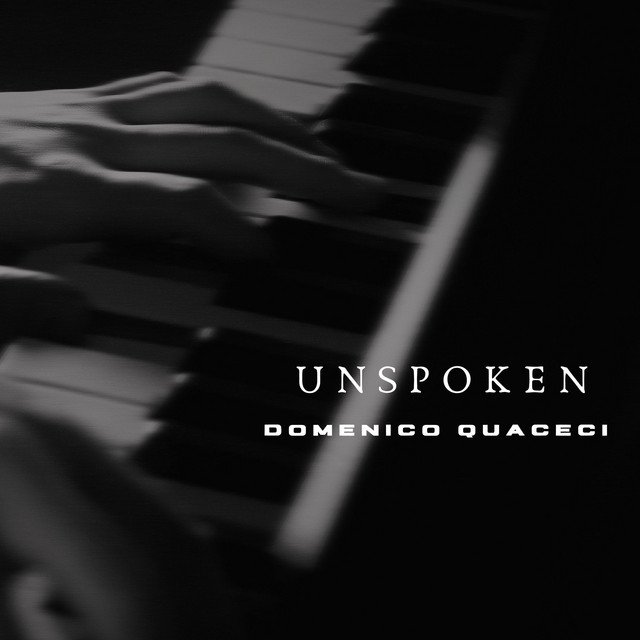
Unspoken – Domenico Quaceci
“Нежнейшее произведение композитора и пианиста -Domenico Quaceci-. Эта работа вызывает много эмоций и погружает слушателя в мир чувств через великолепную мелодию. Композитор демонстрирует настоящее мастерство и глубокое понимание музыкального языка. Произведение полностью оправдывает свое название. Оно словно передает те чувства, которые трудно выразить посредством слов и только магия звука способна достучаться до наших сердец.”
-Nagamag.com
Latest Neoclassical discoveries

“light” by we are ALVA | Neoclassical Song Review
Απαλές και αισθησιακές φωνές παρασύρουν τα αφτιά μας και μέσα από την μαγική χροιά τους βρίσκουμε διέξοδο. Η μεγαλόπρεπη μελω... >>> Read full review & listen to the song on Nagamag #neo #modernclassical #wearealva #germany #nagamag #musicmagazine #musicreview #review

Anna Phoebe – Return To Source | Essential Neoclassical Review
Η καταπληκτική αυτή μελωδία αγγίζει τις ευαίσθητες χορδές μας και ο μελαγχολικός χαρακτήρας της νιώθει τα συναισθήματά μας. ... >>> Read full review & listen to the song on Nagamag #neo #modernclassical #classicalstrings #annaphoebe #unitedkingdom #nagamag #musicmagazine #musicreview #review

Release Review: Amelie Lucille – Polar | Neoclassical
Τα υπέροχα αυτά φωνητικά κάνουν την θλίψη να φαίνεται γοητευτική. Η ευαισθησία στο ηχόχρωμά τους και η ειλικρίνειά τους μας β... >>> Read full review & listen to the song on Nagamag #indiepop #singersongwriter #amelielucille #unitedstates #nagamag #musicmagazine #musicreview #review

Fresh Find Review: Eydís Evensen – Challenger Deep | Neoclassical Discovery
Η υπέροχη μελωδία έρχεται σαν απαλό χάδι να μας λυτρώσει και να μαλακώσει την καρδιά μας. Οι νότες του πιάνου εκφράζουν τόσο ... >>> Read full review & listen to the song on Nagamag #neo #modernclassical #solopiano #eydísevensen #iceland #nagamag #musicmagazine #musicreview #review

Single Critique: “Telemachus (feat. Eldbjørg Hemsing)” by Olivia Belli | Neoclassical Review
Με πάθος και ένταση οι νότες της μελωδίας μοιάζουν να ξεπηδούν από μέσα μας και σαν βεγγαλικά εκρήγνυνται εντυπωσιακά. Σκέψει... >>> Read full review & listen to the song on Nagamag #neo #modernclassical #classicalstrings #oliviabelli #italy #nagamag #musicmagazine #musicreview #review
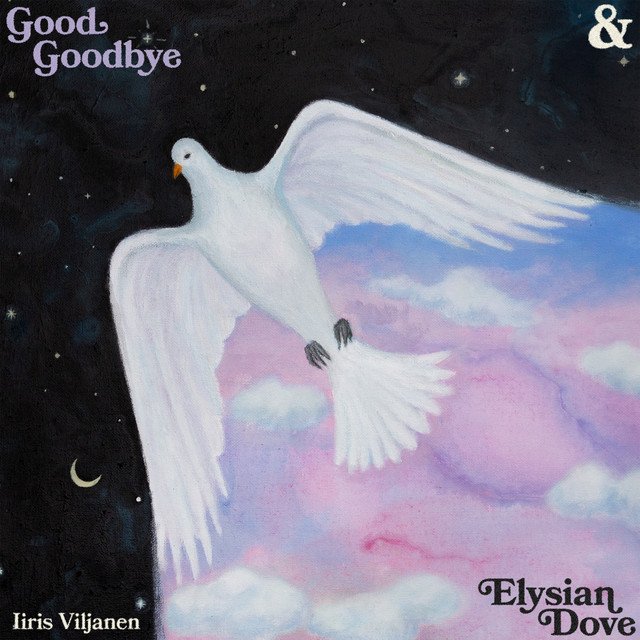
Iiris Viljanen – Good Goodbye Review | Neoclassical Discovery
Διακριτικά και με επιδέξιο τρόπο η γλυκιά μελωδία τρυπώνει στο μυαλό σου και σε αφήνει να χαθείς στην φαντασία σου νοσταλγικά... >>> Read full review & listen to the song on Nagamag #neo #modernclassical #solopiano #iirisviljanen #sweden #nagamag #musicmagazine #musicreview #review
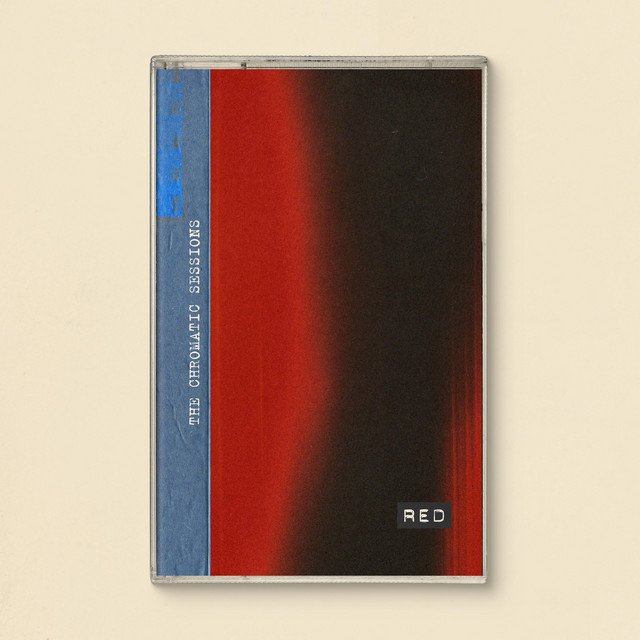
Breakdown Review: Dustin O’Halloran – Red | A Neoclassical Track that can’t be missed
Σκέψεις και συναισθήματα σκορπισμένα μέσα στο μυαλό μου. Η υπέροχη αυτή μελωδία έρχεται για να με γαληνέψει και να δώσει χρώμ... >>> Read full review & listen to the song on Nagamag #piano #nagamag #musicmagazine #musicreview #review
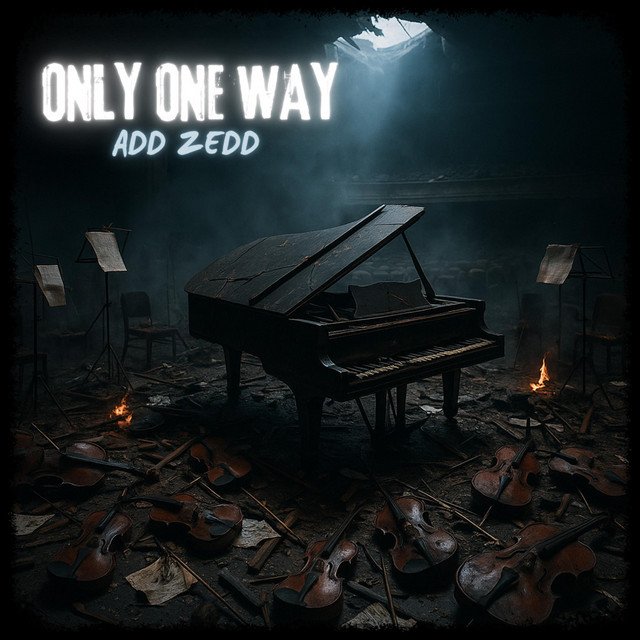
Release Critique: Add Zedd – Only One Way | Neoclassical Review
Οι εκπληκτικές και αυθόρμητες νότες της μελωδίας μοιάζουν να στήνουν έναν όμορφο αργό χορό και μας παρασύρουν μαζί τους. Τα ε... >>> Read full review & listen to the song on Nagamag #cinematic #epicmusic #classicalstrings #addzedd #israel #nagamag #musicmagazine #musicreview #review
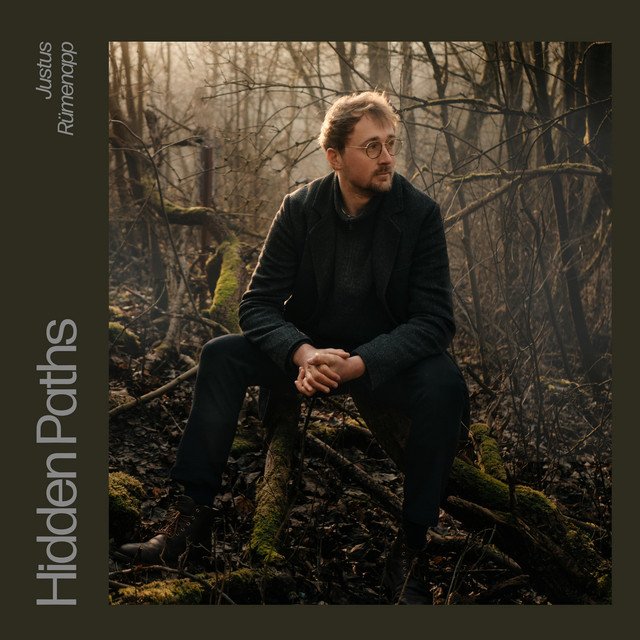
Composition Review: Justus Rümenapp – Hidden Paths | Neoclassical
Οι νότες του πιάνου μας αγγίζουν τόσο ήρεμα και διακριτικά αλλά η δύναμη τους και η επιρροή τους μέσα μας είναι μεγάλη.Η καρδ... >>> Read full review & listen to the song on Nagamag #cinematic #epicmusic #crossoverclassical #justusrümenapp #germany #nagamag #musicmagazine #musicreview #review
Difference between Classical and Neoclassical Music
Classical music refers to a broad range of music written in the classical tradition, which encompasses a wide range of styles and forms. It is generally characterized by its formal structure and its use of traditional instruments and ensemble configurations.
Neoclassicism is a style of music that refers to the revival and use of classical forms and styles in music, particularly in the 18th and early 19th centuries. It is characterized by its use of clear, concise forms and a focus on structure and balance. Neoclassicism was a reaction against the romantic style of music, which was characterized by emotion and passion, and was influenced by the ideas of the Enlightenment, which valued reason and classical learning.
Some of the key differences between classical and neoclassical music include:
Time period: Classical music refers to music written during the classical period (1730-1820), while neoclassicism refers to music written after the classical period that incorporates elements of classical forms and styles.
Emphasis on structure: Classical music is known for its formal structure and the use of traditional forms such as the sonata and the symphony. Neoclassical music also places a strong emphasis on structure, but may also incorporate elements of popular music and folk music.
Emphasis on emotion: Classical music is often more reserved and formal in its emotional expression, while neoclassicism tends to be more emotional and expressive.
Use of tonality: Both classical and neoclassical music use tonality, but neoclassicism often incorporates a wider range of tonal structures and may experiment with atonality.
Use of traditional instruments: Both classical and neoclassical music use traditional classical instruments such as strings, woodwinds, brass, and percussion. However, neoclassicism may also incorporate elements of popular music and folk music, and may use a wider range of instruments.
Overall, the main difference between classical and neoclassical music is the time period in which the music was written, and the specific techniques and styles used by the composer. Classical music is generally more formal and reserved in its expression, while neoclassicism tends to be more expressive and may incorporate elements of popular music and folk music.
The most used instruments in Neoclassical Music
In neoclassical music, the most common instruments used are those found in the classical orchestra, including:
Strings: Violin, viola, cello, double bass
Woodwinds: Flute, oboe, clarinet, bassoon
Brass: Trumpet, French horn, trombone, tuba
Percussion: Timpani, snare drum, bass drum, cymbals, xylophone, marimba, triangle
Keyboard: Piano, harpsichord
These instruments are often used to create a wide range of textures and sounds, and are featured in many different types of classical music, including neoclassical music. In addition to these instruments, many composers also incorporate elements of popular music and folk music into their compositions, and may use a variety of other instruments such as guitars, bass, drums, and synthesizers.
It’s also worth noting that many composers and performers of neoclassical music are skilled in a variety of different instruments, and may switch between different instruments in order to achieve the desired sound and texture.
Vocals are sometimes used in neoclassical music, although they are not as common as instrumental music. When vocals are used in neoclassical music, they are typically performed by trained classical singers who have the ability to sing with precise pitch and control.
One common use of vocals in neoclassical music is in operatic compositions, where singers perform arias and recitatives in a style that is similar to traditional opera. Neoclassical opera is a subgenre of classical music that combines elements of traditional opera with elements of neoclassicism, and often incorporates elements of popular music and folk music.
In addition to operatic vocals, vocals may also be used in other forms of neoclassical music, such as choral music or vocal chamber music. Some composers may also incorporate elements of popular music or folk music into their compositions, and may use vocals in a more modern or experimental style.
It’s worth noting that the use of vocals in neoclassical music is highly dependent on the individual composer and the specific piece of music, and not all neoclassical compositions will feature vocals.