
Neoclassical Music ⁞ New Releases⁞ Artist Interviews⁞ Music News
Introduction of Neoclassical Music
Neoclassical music is a style of classical music that is characterized by its use of traditional forms and styles, as well as a focus on structure and balance. It is often seen as a reaction against the romantic style of music, which was characterized by emotion and passion, and was influenced by the ideas of the Enlightenment, which valued reason and classical learning.
Some of the key features of neoclassical music include the use of traditional forms such as sonata form, the use of clear and concise melodies, and the incorporation of elements of folk music and popular music. Neoclassical music also often featured a return to tonality, which is the use of a specific key or tonal center in a piece of music.
The neoclassical style has had a lasting influence on classical music, and it continues to be an important part of the classical repertoire
Favorite Neoclassical Music on Spotify
Favorite Neoclassical Videos on Youtube
Recent Neoclassical Interviews
Neoclassical Features
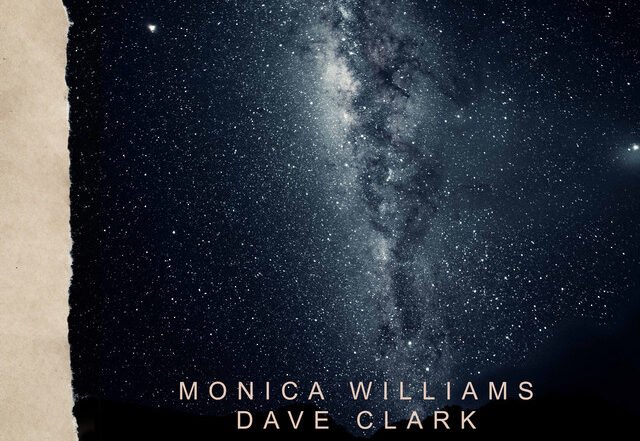
Monica Williams, Dave Clark – Message from the Stars | Neoclassical music review
“Smooth and very easy listening sounds make this song very enjoyable. Catchy guitar riffs are layered so well, creating wonderful atmosphere within the song and the flute theme expands that feeling even further, causing a very calm state of mind while listening. ”
-Nagamag.com
Expand to read review translations *
“Οι ομαλές και πολύ εύκολο ήχοι ακρόασης κάνουν αυτό το τραγούδι πολύ ευχάριστο. Τα πιασάρικα riff κιθάρας είναι στρωμένα τόσο καλά, δημιουργώντας υπέροχη ατμόσφαιρα μέσα στο τραγούδι και το θέμα φλάουτο επεκτείνει αυτό το συναίσθημα ακόμη περισσότερο, προκαλώντας μια πολύ ήρεμη κατάσταση του νου ενώ ακούει.”
-Nagamag.com
“Los sonidos de escucha suaves y muy fáciles hacen que esta canción sea muy agradable. Los riffs de guitarra pegadizos están en capas tan bien, creando un ambiente maravilloso dentro de la canción y el tema de la flauta expande ese sentimiento aún más, causando un estado mental muy tranquilo mientras escucha.”
-Nagamag.com
The original review of “Monica Williams, Dave Clark – Message from the Stars” is written in the native language that is spoken by the dedicated, for this song, Nagamag’s Neoclassical reviewer and followed by two translations*, of which the one depends from the country of origin of the artist “Monica Williams, Dave Clark” (United States) and the other one is translated to a different language than original review and the country of origin of the artist.
* Automatically Translated
Nagamag unveils the mesmerizing composition “Message from the Stars”, an extraordinary creation of harmony and creativity that “Monica Williams, Dave Clark” offered to all of us. A Neoclassical song, which evoked an emotional voyage to our curator that desired to write down a unique review for “Monica Williams, Dave Clark – Message from the Stars”. What also sets this song among the featured choices of Nagamag is the way that “Message from the Stars” is enriched with New Age characteristics. “Monica Williams, Dave Clark – Message from the Stars” is a rich music creation that deserves to be listened to again and again. Nagamag is honored to share this detailed music review by one of our experienced reviewers for Neoclassical music compositions. As always, Nagamag keeps up evaluating Neoclassical songs from across the globe, ensuring that all Neoclassical enthusiasts around the world have access to these auditory treasures .
Neoclassical home page where “Monica Williams, Dave Clark – Message from the Stars” is hosted on Nagamag Music Magazine
Nagamag takes pride in supporting Neoclassical artists like “Monica Williams, Dave Clark”, providing music reviews and music discoveries like “Message from the Stars”.
This music post about song “Message from the Stars” by “Monica Williams, Dave Clark” is hosted in Neoclassical page on Nagamag.
There you can find similar Neoclassical artists to “Monica Williams, Dave Clark” and more Neoclassical, New Age songs like “Message from the Stars” that have been carefully selected by Nagamag’s Neoclassical experienced curators and reviewed by Nagamag’s Neoclassical dedicated reviewers.
Learn everything about Neoclassical on Wikipedia
If you enjoyed “Monica Williams, Dave Clark – Message from the Stars” but you have never listened before to any other Neoclassical song or you are interested in learning more about Neoclassical music gerne then click here to visit Neoclassical music page on Wikipedia.
Neoclassical music refers to a distinct style with common characteristics. Each genre carries its unique sound, instruments, and cultural influences. For a deeper understanding of Neoclassical music, Wikipedia provides comprehensive insights into its history, notable artists, and iconic works. Delve into the diverse and dynamic world of Neoclassical music through this valuable resource, broadening your knowledge around Neoclassical genre.
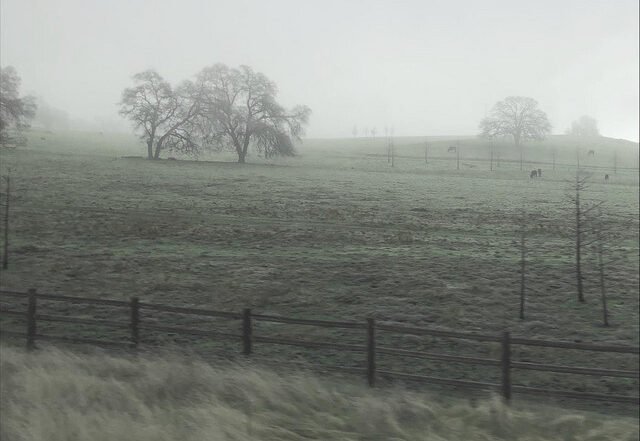
JUIFAN – Waiting In The Mist | Neoclassical music review
“Cinematic structure gives this song different sound dimension, more depth and emotion to the already beautiful lead guitar theme. String and violin themes in the background expands the soundscapes of the song in a symphonic way that is perfectly balanced.”
-Nagamag.com
Expand to read review translations *
“Η κινηματογραφική δομή δίνει σε αυτό το τραγούδι διαφορετική διάσταση ήχου, περισσότερο βάθος και συγκίνηση στο ήδη όμορφο θέμα κιθάρας. Τα θέματα String και Violin στο παρασκήνιο επεκτείνουν τα ηχητικά τοπία του τραγουδιού με συμφωνικό τρόπο που είναι απολύτως ισορροπημένο.”
-Nagamag.com
“La estructura cinematográfica le da a esta canción una dimensión de sonido diferente, más profundidad y emoción al tema de guitarra principal ya hermoso. Los temas de cadena y violín en el fondo expande los paisajes sonoros de la canción de una manera sinfónica que está perfectamente equilibrada.”
-Nagamag.com
The original review of “JUIFAN – Waiting In The Mist” is written in the native language that is spoken by the dedicated, for this song, Nagamag’s Neoclassical reviewer and followed by two translations*, of which the one depends from the country of origin of the artist “JUIFAN” (Taiwan) and the other one is translated to a different language than original review and the country of origin of the artist.
* Automatically Translated
Nagamag unveils the mesmerizing composition “Waiting In The Mist”, an extraordinary creation of harmony and creativity that “JUIFAN” offered to all of us. A Neoclassical song, which evoked an emotional voyage to our curator that desired to write down a unique review for “JUIFAN – Waiting In The Mist”. What also sets this song among the featured choices of Nagamag is the way that “Waiting In The Mist” is enriched with Strings, Guitar characteristics. “JUIFAN – Waiting In The Mist” is a rich music creation that deserves to be listened to again and again. Nagamag is honored to share this detailed music review by one of our experienced reviewers for Neoclassical music compositions. As always, Nagamag keeps up evaluating Neoclassical songs from across the globe, ensuring that all Neoclassical enthusiasts around the world have access to these auditory treasures .
Neoclassical home page where “JUIFAN – Waiting In The Mist” is hosted on Nagamag Music Magazine
Nagamag takes pride in supporting Neoclassical artists like “JUIFAN”, providing music reviews and music discoveries like “Waiting In The Mist”.
This music post about song “Waiting In The Mist” by “JUIFAN” is hosted in Neoclassical page on Nagamag.
There you can find similar Neoclassical artists to “JUIFAN” and more Neoclassical, Strings, Guitar songs like “Waiting In The Mist” that have been carefully selected by Nagamag’s Neoclassical experienced curators and reviewed by Nagamag’s Neoclassical dedicated reviewers.
Learn everything about Neoclassical on Wikipedia
If you enjoyed “JUIFAN – Waiting In The Mist” but you have never listened before to any other Neoclassical song or you are interested in learning more about Neoclassical music gerne then click here to visit Neoclassical music page on Wikipedia.
Neoclassical music refers to a distinct style with common characteristics. Each genre carries its unique sound, instruments, and cultural influences. For a deeper understanding of Neoclassical music, Wikipedia provides comprehensive insights into its history, notable artists, and iconic works. Delve into the diverse and dynamic world of Neoclassical music through this valuable resource, broadening your knowledge around Neoclassical genre.
Latest Neoclassical discoveries

L’Ombre – Lorenz Dunkel
Οι μαγικές στιγμές που μας προσφέρει η υπέροχη, νοσταλγική μελωδία μας ταξιδεύουν στο χρόνο. Με μια θλίψη που μας διαπερνά κα... >>> Read full review & listen to the song on Nagamag #piano #nagamag #musicmagazine #musicreview #review
Sunday Morning – Vincent Boot
Οι απαλές και ανακουφιστικές νότες του πιάνου σε ξυπνούν ένα ξέγνοιαστο πρωινό και όλα γύρω είναι τόσο φωτεινά. Η όμορφη μελω... >>> Read full review & listen to the song on Nagamag #neo #modernclassical #solopiano #vincentboot #netherlands #nagamag #musicmagazine #musicreview #review

La canzone del drago – Baco_Giovanni Cristino
Οι νότες του πιάνου σαν πολύχρωμες πεταλούδες στριφογυρίζουν γύρω μας και σκορπίζουν τη χαρά. Οι εναλλαγές της μελωδίας από τ... >>> Read full review & listen to the song on Nagamag #piano #nagamag #musicmagazine #musicreview #review

It Is Well with My Soul – Stephanie Augusta
Η εξαιρετική μελαγχολική μελωδία αγγίζει την καρδιά μας. Μας παρηγορεί γλυκά και αποενοχοποιεί την θλίψη. Είναι τόσο αρμονικ... >>> Read full review & listen to the song on Nagamag #cinematic #nagamag #musicmagazine #musicreview #review
Narration – Kaelhy
Это невероятно нежная и красивая симфоническая композиция, которая наверняка поможет вам окунуться в мир музыки и волшебства.... >>> Read full review & listen to the song on Nagamag #cinematic #nagamag #musicmagazine #musicreview #review

Reckoner – Piano – Gael Rakotondrabe
Чувственная и волнующая композиция, исполненная на пиано с безукоризненной техникой и глубоким чувством. По мере того как муз... >>> Read full review & listen to the song on Nagamag #piano #nagamag #musicmagazine #musicreview #review
Only Ghosts – Voide
Ένας ήρεμος αλλά ανήσυχος ρυθμός αγκαλιάζει την καρδιά σου και σου φέρνει στο σήμερα εικόνες του παρελθόντος. Όμορφες και άσχ... >>> Read full review & listen to the song on Nagamag #neo #modernclassical #solopiano #voide #germany #nagamag #musicmagazine #musicreview #review

Gifts From Crows Trio – Brightness of Summer – Sunrise Mix | Neoclassical music review
Это настоящее произведение искусства в мире музыки, в котором мелодичные звуки переплетаются между собой как ветви деревьев, ... >>> Read full review & listen to the song on Nagamag #neo #modernclassical #cinematic #epicmusic #newage #giftsfromcrowstrio #unitedkingdom #nagamag #musicmagazine #musicreview #review
Dustin O’Halloran – Spiritus Naturae Aeternus | Neoclassical music review
Serene and very beautiful ethereal melodies and gentle textures with this enchanting and soothing composition. Its harmonic s... >>> Read full review & listen to the song on Nagamag #neo #modernclassical #ambient #dustino'halloran #unitedstates #nagamag #musicmagazine #musicreview #review
Difference between Classical and Neoclassical Music
Classical music refers to a broad range of music written in the classical tradition, which encompasses a wide range of styles and forms. It is generally characterized by its formal structure and its use of traditional instruments and ensemble configurations.
Neoclassicism is a style of music that refers to the revival and use of classical forms and styles in music, particularly in the 18th and early 19th centuries. It is characterized by its use of clear, concise forms and a focus on structure and balance. Neoclassicism was a reaction against the romantic style of music, which was characterized by emotion and passion, and was influenced by the ideas of the Enlightenment, which valued reason and classical learning.
Some of the key differences between classical and neoclassical music include:
Time period: Classical music refers to music written during the classical period (1730-1820), while neoclassicism refers to music written after the classical period that incorporates elements of classical forms and styles.
Emphasis on structure: Classical music is known for its formal structure and the use of traditional forms such as the sonata and the symphony. Neoclassical music also places a strong emphasis on structure, but may also incorporate elements of popular music and folk music.
Emphasis on emotion: Classical music is often more reserved and formal in its emotional expression, while neoclassicism tends to be more emotional and expressive.
Use of tonality: Both classical and neoclassical music use tonality, but neoclassicism often incorporates a wider range of tonal structures and may experiment with atonality.
Use of traditional instruments: Both classical and neoclassical music use traditional classical instruments such as strings, woodwinds, brass, and percussion. However, neoclassicism may also incorporate elements of popular music and folk music, and may use a wider range of instruments.
Overall, the main difference between classical and neoclassical music is the time period in which the music was written, and the specific techniques and styles used by the composer. Classical music is generally more formal and reserved in its expression, while neoclassicism tends to be more expressive and may incorporate elements of popular music and folk music.
The most used instruments in Neoclassical Music
In neoclassical music, the most common instruments used are those found in the classical orchestra, including:
Strings: Violin, viola, cello, double bass
Woodwinds: Flute, oboe, clarinet, bassoon
Brass: Trumpet, French horn, trombone, tuba
Percussion: Timpani, snare drum, bass drum, cymbals, xylophone, marimba, triangle
Keyboard: Piano, harpsichord
These instruments are often used to create a wide range of textures and sounds, and are featured in many different types of classical music, including neoclassical music. In addition to these instruments, many composers also incorporate elements of popular music and folk music into their compositions, and may use a variety of other instruments such as guitars, bass, drums, and synthesizers.
It’s also worth noting that many composers and performers of neoclassical music are skilled in a variety of different instruments, and may switch between different instruments in order to achieve the desired sound and texture.
Vocals are sometimes used in neoclassical music, although they are not as common as instrumental music. When vocals are used in neoclassical music, they are typically performed by trained classical singers who have the ability to sing with precise pitch and control.
One common use of vocals in neoclassical music is in operatic compositions, where singers perform arias and recitatives in a style that is similar to traditional opera. Neoclassical opera is a subgenre of classical music that combines elements of traditional opera with elements of neoclassicism, and often incorporates elements of popular music and folk music.
In addition to operatic vocals, vocals may also be used in other forms of neoclassical music, such as choral music or vocal chamber music. Some composers may also incorporate elements of popular music or folk music into their compositions, and may use vocals in a more modern or experimental style.
It’s worth noting that the use of vocals in neoclassical music is highly dependent on the individual composer and the specific piece of music, and not all neoclassical compositions will feature vocals.