
Neoclassical Music ⁞ New Releases⁞ Artist Interviews⁞ Music News
Introduction of Neoclassical Music
Neoclassical music is a style of classical music that is characterized by its use of traditional forms and styles, as well as a focus on structure and balance. It is often seen as a reaction against the romantic style of music, which was characterized by emotion and passion, and was influenced by the ideas of the Enlightenment, which valued reason and classical learning.
Some of the key features of neoclassical music include the use of traditional forms such as sonata form, the use of clear and concise melodies, and the incorporation of elements of folk music and popular music. Neoclassical music also often featured a return to tonality, which is the use of a specific key or tonal center in a piece of music.
The neoclassical style has had a lasting influence on classical music, and it continues to be an important part of the classical repertoire
Favorite Neoclassical Music on Spotify
Favorite Neoclassical Videos on Youtube
Recent Neoclassical Interviews
Neoclassical Features
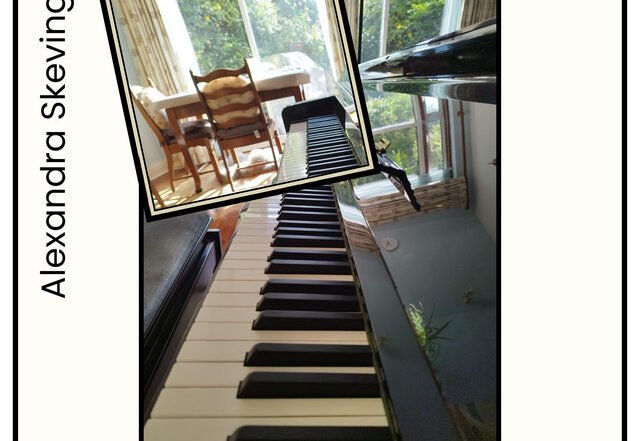
Alexandra Skevington – The Lonely Skater | Neoclassical music review
“Эта неоклассическая композиция от -Alexandra Skevington- настоящее искусство, запечатленное на клавишах пиано. Музыкальное путешествие начинается с медленных и мягких повторяющихся аккордов, которые создают вдумчивое настроение и чувство созерцания. Мелодия неторопливо развивается, создавая богатый и пленительный звуковой пейзаж.”
-Nagamag.com
Expand to read review translations *
“This neoclassical composition from -Alexandra skevington is real art captured on the piano keys. The musical journey begins with the slow and soft repeated chords that create a thoughtful mood and a sense of contemplation. The melody develops slowly, creating a rich and captivating sound landscape.”
-Nagamag.com
“Αυτή η νεοκλασική σύνθεση από το -Alexandra Skevington είναι πραγματική τέχνη που συλλαμβάνεται στα κλειδιά πιάνου. Το μουσικό ταξίδι ξεκινά με τις αργές και μαλακές επαναλαμβανόμενες χορδές που δημιουργούν μια προσεκτική διάθεση και μια αίσθηση περισυλλογής. Η μελωδία αναπτύσσεται αργά, δημιουργώντας ένα πλούσιο και μαγευτικό ήχο τοπίο.”
-Nagamag.com
The original review of “Alexandra Skevington – The Lonely Skater” is written in the native language that is spoken by the dedicated, for this song, Nagamag’s Neoclassical reviewer and followed by two translations*, of which the one depends from the country of origin of the artist “The Lonely Skater” (United Kingdom) and the other one is translated to a different language than original review and the country of origin of the artist.
* Automatically Translated
Nagamag unveils the mesmerizing composition “Alexandra Skevington”, an extraordinary creation of harmony and creativity that “The Lonely Skater” offered to all of us. A Neoclassical song, which evoked an emotional voyage to our curator that desired to write down a unique review for “Alexandra Skevington – The Lonely Skater”. What also sets this song among the featured choices of Nagamag is the way that “Alexandra Skevington” is enriched with Piano characteristics. “Alexandra Skevington – The Lonely Skater” is a rich music creation that deserves to be listened to again and again. Nagamag is honored to share this detailed music review by one of our experienced reviewers for Neoclassical music compositions. As always, Nagamag keeps up evaluating Neoclassical songs from across the globe, ensuring that all Neoclassical enthusiasts around the world have access to these auditory treasures .
Neoclassical home page where “Alexandra Skevington – The Lonely Skater” is hosted on Nagamag Music Magazine
Nagamag takes pride in supporting Neoclassical artists like “The Lonely Skater”, providing music reviews and music discoveries like “Alexandra Skevington”.
This music post about song “Alexandra Skevington” by “The Lonely Skater” is hosted in Neoclassical page on Nagamag.
There you can find similar Neoclassical artists to “The Lonely Skater” and more Neoclassical, Piano songs like “Alexandra Skevington” that have been carefully selected by Nagamag’s Neoclassical experienced curators and reviewed by Nagamag’s Neoclassical dedicated reviewers.
Learn everything about Neoclassical on Wikipedia
If you enjoyed “Alexandra Skevington – The Lonely Skater” but you have never listened before to any other Neoclassical song or you are interested in learning more about Neoclassical music gerne then click here to visit Neoclassical music page on Wikipedia.
Neoclassical music refers to a distinct style with common characteristics. Each genre carries its unique sound, instruments, and cultural influences. For a deeper understanding of Neoclassical music, Wikipedia provides comprehensive insights into its history, notable artists, and iconic works. Delve into the diverse and dynamic world of Neoclassical music through this valuable resource, broadening your knowledge around Neoclassical genre.
Paul Cardall – A Grief Observed | Neoclassical music review
“Удивительная неоклассическая композиция, которая переносит слушателя в мир глубоких эмоций и раздумий. -Paul Cardall- мастерски использует свой талант и музыкальное мастерство, создавая звуковой пейзаж, который берет за душу и оставляет незабываемое впечатление. Прекрасная техника игры на фортепиано и богатый звуковой диапазон создают впечатление живого исполнения, где каждая нота хороша.”
-Nagamag.com
Expand to read review translations *
“An amazing neoclassical composition that transfers the listener to the world of deep emotions and thoughts. -Paul Cardall- masterfully uses his talent and musical skill, creating a sound landscape that takes the soul and leaves an unforgettable impression. The excellent technique of playing the piano and a rich sound range create the impression of a living performance, where each note is good.”
-Nagamag.com
“Μια εκπληκτική νεοκλασική σύνθεση που μεταφέρει τον ακροατή στον κόσμο των βαθιών συναισθημάτων και σκέψεων. -Paul Cardall- Χρησιμοποιεί το ταλέντο και τη μουσική του ικανότητα, δημιουργώντας ένα υγιές τοπίο που παίρνει την ψυχή και αφήνει μια αξέχαστη εντύπωση. Η εξαιρετική τεχνική για να παίξετε το πιάνο και μια πλούσια γκάμα ήχου δημιουργούν την εντύπωση μιας ζωντανής παράστασης, όπου κάθε σημείωση είναι καλή.”
-Nagamag.com
The original review of “Paul Cardall – A Grief Observed” is written in the native language that is spoken by the dedicated, for this song, Nagamag’s Neoclassical reviewer and followed by two translations*, of which the one depends from the country of origin of the artist “Paul Cardall
“ (United States) and the other one is translated to a different language than original review and the country of origin of the artist.
* Automatically Translated
Nagamag unveils the mesmerizing composition “A Grief Observed”, an extraordinary creation of harmony and creativity that “Paul Cardall
“ offered to all of us. A Neoclassical song, which evoked an emotional voyage to our curator that desired to write down a unique review for “Paul Cardall – A Grief Observed”. What also sets this song among the featured choices of Nagamag is the way that “A Grief Observed” is enriched with Piano, Cinematic characteristics. “Paul Cardall – A Grief Observed” is a rich music creation that deserves to be listened to again and again. Nagamag is honored to share this detailed music review by one of our experienced reviewers for Neoclassical music compositions. As always, Nagamag keeps up evaluating Neoclassical songs from across the globe, ensuring that all Neoclassical enthusiasts around the world have access to these auditory treasures .
Additional information/sources for Paul Cardall – A Grief Observed
The introspective original piano tune is inspired by the five emotions we experience with grief. Centered around the piano with a touch of cello, pedal steel guitar, and ambient effects.
Neoclassical home page where “Paul Cardall – A Grief Observed” is hosted on Nagamag Music Magazine
Nagamag takes pride in supporting Neoclassical artists like “Paul Cardall
“, providing music reviews and music discoveries like “A Grief Observed”.
This music post about song “A Grief Observed” by “Paul Cardall
“ is hosted in Neoclassical page on Nagamag.
There you can find similar Neoclassical artists to “Paul Cardall
“ and more Neoclassical, Piano, Cinematic songs like “A Grief Observed” that have been carefully selected by Nagamag’s Neoclassical experienced curators and reviewed by Nagamag’s Neoclassical dedicated reviewers.
Learn everything about Neoclassical on Wikipedia
If you enjoyed “Paul Cardall – A Grief Observed” but you have never listened before to any other Neoclassical song or you are interested in learning more about Neoclassical music gerne then click here to visit Neoclassical music page on Wikipedia.
Neoclassical music refers to a distinct style with common characteristics. Each genre carries its unique sound, instruments, and cultural influences. For a deeper understanding of Neoclassical music, Wikipedia provides comprehensive insights into its history, notable artists, and iconic works. Delve into the diverse and dynamic world of Neoclassical music through this valuable resource, broadening your knowledge around Neoclassical genre.
Latest Neoclassical discoveries
Emmanuel Songsore – in quietness and trust | Neoclassical music review
Mesmerizing and incredibly calming atmosphere of this piano beauty engage deeply within first notes. Harmonic structure and c... >>> Read full review & listen to the song on Nagamag #neo #modernclassical #emmanuelsongsore #canada #nagamag #musicmagazine #musicreview #review

Muidas – Ripple Reverie | Neoclassical music review
Εικόνες στροβιλίζονται μέσα στο μυαλό και δεν ξέρω σε ποια από όλες να σταματήσω. Το χθες και το σήμερα αγκαλιασμένα σε μια ν... >>> Read full review & listen to the song on Nagamag #neo #modernclassical #cinematic #epicmusic #newage #muidas #unitedstates #nagamag #musicmagazine #musicreview #review
Steven Poole – All These Years | Neoclassical music review
Η συγκινητική ηρεμία της υπέροχης μελωδίας είναι πολύτιμη για τα αυτιά και τις αισθήσεις και επουλωτική για τις πληγές της ... >>> Read full review & listen to the song on Nagamag #neo #modernclassical #jazz #solopiano #stevenpoole #unitedkingdom #nagamag #musicmagazine #musicreview #review

Rem Rebuzzi – Nubes Permanentes | Neoclassical music review
Η όμορφη και απαλή μελωδία διαπερνά το σώμα από άκρη σε άκρη και γαλήνια συναισθήματα στολίζουν την ψυχή. Αρμονικές νότες χαϊ... >>> Read full review & listen to the song on Nagamag #piano #nagamag #musicmagazine #musicreview #review
Hudba Lyrika – Aurini | Neoclassical music review
Very easy listening, soft vibe and melancholic atmosphere within the song harmonic structure. Blissful and dreamy piano theme... >>> Read full review & listen to the song on Nagamag #cinematic #epicmusic #hudbalyrika #czechrepublic #nagamag #musicmagazine #musicreview #review
Natalia Quest – Redemption | Neoclassical music review
Melancholic and very emotional song feels deeper and deeper with every time it is played. Addictive piano theme is just beaut... >>> Read full review & listen to the song on Nagamag #neo #modernclassical #cinematic #epicmusic #altpop #nataliaquest #unitedstates #nagamag #musicmagazine #musicreview #review

Freigefyhl – Daydream | Neoclassical music review
Serene world of ethereal melodies and gentle piano themes with this enchanting and soothing composition. Its harmonic piano s... >>> Read full review & listen to the song on Nagamag #neo #modernclassical #solopiano #freigefyhl #germany #nagamag #musicmagazine #musicreview #review

Fernando Manuel – Serenidad | Neoclassical music review
-Serenidad- настоящая жемчужина минимализма в мире неоклассической музыки. Это нежное произведение, исполненное на пиано, иде... >>> Read full review & listen to the song on Nagamag #piano #nagamag #musicmagazine #musicreview #review

Karen Salicath – Angel Aura | Neoclassical music review
Исключительно красивая и эмоциональная музыка от -Karen Salicath-, исполненная на пианино. Эта минималистичная музыкальная пь... >>> Read full review & listen to the song on Nagamag #piano #nagamag #musicmagazine #musicreview #review
Difference between Classical and Neoclassical Music
Classical music refers to a broad range of music written in the classical tradition, which encompasses a wide range of styles and forms. It is generally characterized by its formal structure and its use of traditional instruments and ensemble configurations.
Neoclassicism is a style of music that refers to the revival and use of classical forms and styles in music, particularly in the 18th and early 19th centuries. It is characterized by its use of clear, concise forms and a focus on structure and balance. Neoclassicism was a reaction against the romantic style of music, which was characterized by emotion and passion, and was influenced by the ideas of the Enlightenment, which valued reason and classical learning.
Some of the key differences between classical and neoclassical music include:
Time period: Classical music refers to music written during the classical period (1730-1820), while neoclassicism refers to music written after the classical period that incorporates elements of classical forms and styles.
Emphasis on structure: Classical music is known for its formal structure and the use of traditional forms such as the sonata and the symphony. Neoclassical music also places a strong emphasis on structure, but may also incorporate elements of popular music and folk music.
Emphasis on emotion: Classical music is often more reserved and formal in its emotional expression, while neoclassicism tends to be more emotional and expressive.
Use of tonality: Both classical and neoclassical music use tonality, but neoclassicism often incorporates a wider range of tonal structures and may experiment with atonality.
Use of traditional instruments: Both classical and neoclassical music use traditional classical instruments such as strings, woodwinds, brass, and percussion. However, neoclassicism may also incorporate elements of popular music and folk music, and may use a wider range of instruments.
Overall, the main difference between classical and neoclassical music is the time period in which the music was written, and the specific techniques and styles used by the composer. Classical music is generally more formal and reserved in its expression, while neoclassicism tends to be more expressive and may incorporate elements of popular music and folk music.
The most used instruments in Neoclassical Music
In neoclassical music, the most common instruments used are those found in the classical orchestra, including:
Strings: Violin, viola, cello, double bass
Woodwinds: Flute, oboe, clarinet, bassoon
Brass: Trumpet, French horn, trombone, tuba
Percussion: Timpani, snare drum, bass drum, cymbals, xylophone, marimba, triangle
Keyboard: Piano, harpsichord
These instruments are often used to create a wide range of textures and sounds, and are featured in many different types of classical music, including neoclassical music. In addition to these instruments, many composers also incorporate elements of popular music and folk music into their compositions, and may use a variety of other instruments such as guitars, bass, drums, and synthesizers.
It’s also worth noting that many composers and performers of neoclassical music are skilled in a variety of different instruments, and may switch between different instruments in order to achieve the desired sound and texture.
Vocals are sometimes used in neoclassical music, although they are not as common as instrumental music. When vocals are used in neoclassical music, they are typically performed by trained classical singers who have the ability to sing with precise pitch and control.
One common use of vocals in neoclassical music is in operatic compositions, where singers perform arias and recitatives in a style that is similar to traditional opera. Neoclassical opera is a subgenre of classical music that combines elements of traditional opera with elements of neoclassicism, and often incorporates elements of popular music and folk music.
In addition to operatic vocals, vocals may also be used in other forms of neoclassical music, such as choral music or vocal chamber music. Some composers may also incorporate elements of popular music or folk music into their compositions, and may use vocals in a more modern or experimental style.
It’s worth noting that the use of vocals in neoclassical music is highly dependent on the individual composer and the specific piece of music, and not all neoclassical compositions will feature vocals.