
Neoclassical Music ⁞ New Releases⁞ Artist Interviews⁞ Music News
Introduction of Neoclassical Music
Neoclassical music is a style of classical music that is characterized by its use of traditional forms and styles, as well as a focus on structure and balance. It is often seen as a reaction against the romantic style of music, which was characterized by emotion and passion, and was influenced by the ideas of the Enlightenment, which valued reason and classical learning.
Some of the key features of neoclassical music include the use of traditional forms such as sonata form, the use of clear and concise melodies, and the incorporation of elements of folk music and popular music. Neoclassical music also often featured a return to tonality, which is the use of a specific key or tonal center in a piece of music.
The neoclassical style has had a lasting influence on classical music, and it continues to be an important part of the classical repertoire
Favorite Neoclassical Music on Spotify
Favorite Neoclassical Videos on Youtube
Recent Neoclassical Interviews
Neoclassical Features

Kepa Lehtinen – Suru | Neoclassical music review
“Work of art with two amazing instruments, piano and theremin. Beautiful concept, harmonic structure and very dreamy atmosphere is done perfectly. It’s hard to determine where to start when analyzing so much ingenuity, with a song of such epic proportions of listening pleasure. ”
-Nagamag.com
Expand to read review translations *
“Έργο τέχνης με δύο εκπληκτικά όργανα, πιάνο και theremin. Όμορφη ιδέα, αρμονική δομή και πολύ ονειρική ατμόσφαιρα γίνεται τέλεια. Είναι δύσκολο να προσδιορίσουμε πού να ξεκινήσουμε όταν αναλύουμε τόσο μεγάλη εφευρετικότητα, με ένα τραγούδι τέτοιων επικών αναλογιών της ευχαρίστησης ακρόασης.”
-Nagamag.com
“Taideteos kahdella hämmästyttävällä instrumentilla, pianolla ja Thereminillä. Kaunis konsepti, harmoninen rakenne ja erittäin unenomainen ilmapiiri tehdään täydellisesti. On vaikea määrittää, mistä aloittaa analysoitaessa niin paljon kekseliäisyyttä, sellaisten eeppisten kuunteluhihtojen kappaleiden kanssa.”
-Nagamag.com
The original review of “Kepa Lehtinen – Suru” is written in the native language that is spoken by the dedicated, for this song, Nagamag’s Neoclassical reviewer and followed by two translations*, of which the one depends from the country of origin of the artist “Kepa Lehtinen” (Finland) and the other one is translated to a different language than original review and the country of origin of the artist.
* Automatically Translated
Nagamag unveils the mesmerizing composition “Suru”, an extraordinary creation of harmony and creativity that “Kepa Lehtinen” offered to all of us. A Neoclassical song, which evoked an emotional voyage to our curator that desired to write down a unique review for “Kepa Lehtinen – Suru”. What also sets this song among the featured choices of Nagamag is the way that “Suru” is enriched with Piano, Theremin characteristics. “Kepa Lehtinen – Suru” is a rich music creation that deserves to be listened to again and again. Nagamag is honored to share this detailed music review by one of our experienced reviewers for Neoclassical music compositions. As always, Nagamag keeps up evaluating Neoclassical songs from across the globe, ensuring that all Neoclassical enthusiasts around the world have access to these auditory treasures .
Additional information/sources for Kepa Lehtinen – Suru
Noted Helsinki-based film and television composer and thereminist Kepa Lehtinen is about to make waves again with the release of his latest piece “Suru” on November 1st, 2023. It’s a brief, meaningful rumination on grief that uses melody, space, and a minimalist approach to speak directly to the human soul.
“I’ve noticed that the happier I am, the more sad music I make,” says Kepa. “There are interesting shades of sadness. Grief is not bad. In life, disaster is always lurking just around the corner but grief is a medicine in itself.” The title of the work is the Finnish word for grief, which puts the track’s intentions up front for all to see. It’s a breathtaking piece of music that couldn’t have come from any other musician.
Kepa Lehtinen began life on the piano but was mysteriously drawn to the theremin, a hands-free electronic instrument invented in Russia. Its tremulous, exotic sound gives Lehtinen’s music its own individual voice that can’t be forgotten once heard. He’s one of the most exciting classical composers working today.
Lehtinen is also a sought-after film/tv composer whose music has been used all over the world. His most important new work was the music for the internationally-released television series Made in Finland/Mobile 101, now available on Disney+.
Neoclassical home page where “Kepa Lehtinen – Suru” is hosted on Nagamag Music Magazine
Nagamag takes pride in supporting Neoclassical artists like “Kepa Lehtinen”, providing music reviews and music discoveries like “Suru”.
This music post about song “Suru” by “Kepa Lehtinen” is hosted in Neoclassical page on Nagamag.
There you can find similar Neoclassical artists to “Kepa Lehtinen” and more Neoclassical, Piano, Theremin songs like “Suru” that have been carefully selected by Nagamag’s Neoclassical experienced curators and reviewed by Nagamag’s Neoclassical dedicated reviewers.
Learn everything about Neoclassical on Wikipedia
If you enjoyed “Kepa Lehtinen – Suru” but you have never listened before to any other Neoclassical song or you are interested in learning more about Neoclassical music gerne then click here to visit Neoclassical music page on Wikipedia.
Neoclassical music refers to a distinct style with common characteristics. Each genre carries its unique sound, instruments, and cultural influences. For a deeper understanding of Neoclassical music, Wikipedia provides comprehensive insights into its history, notable artists, and iconic works. Delve into the diverse and dynamic world of Neoclassical music through this valuable resource, broadening your knowledge around Neoclassical genre.

Amy Rita – Orbit | Neoclassical music review
“Эта композиция, которая поражает своей уникальной неоклассической атмосферой и переносит слушателя в мир мечтаний и грёз, сооздавая глубокую и пространственную ауру. Игра на фортепиано в исполнении -Amy Rita- является настоящей жемчужиной: вас поглотит океан чувств, а мелодия словно хрустальный шар чиста и воздушна. Музыка, которая вдохновляет, расслабляет и вызывает глубокие эмоции.”
-Nagamag.com
Expand to read review translations *
“This composition, which impresses with its unique neoclassical atmosphere and transfers the listener to the world of dreams and dreams, comparing a deep and spatial aura. The play on the piano performed by -amy Rita is a real pearl: you will be absorbed by the ocean of feelings, and the melody is like a crystal ball is clean and airy. Music, which inspires, relaxes and causes deep emotions.”
-Nagamag.com
“Αυτή η σύνθεση, η οποία εντυπωσιάζει με τη μοναδική νεοκλασική ατμόσφαιρα και μεταφέρει τον ακροατή στον κόσμο των ονείρων και των ονείρων, συγκρίνοντας μια βαθιά και χωρική αύρα. Το παιχνίδι στο πιάνο που εκτελείται από το -Amy Rita είναι ένα πραγματικό μαργαριτάρι: θα απορροφηθεί από τον ωκεανό των συναισθημάτων και η μελωδία είναι σαν μια κρυστάλλινη σφαίρα είναι καθαρή και ευάερη. Η μουσική, η οποία εμπνέει, χαλαρώνει και προκαλεί βαθιά συναισθήματα.”
-Nagamag.com
The original review of “Amy Rita – Orbit” is written in the native language that is spoken by the dedicated, for this song, Nagamag’s Neoclassical reviewer and followed by two translations*, of which the one depends from the country of origin of the artist “Amy Rita” (Australia) and the other one is translated to a different language than original review and the country of origin of the artist.
* Automatically Translated
Nagamag unveils the mesmerizing composition “Orbit”, an extraordinary creation of harmony and creativity that “Amy Rita” offered to all of us. A Neoclassical song, which evoked an emotional voyage to our curator that desired to write down a unique review for “Amy Rita – Orbit”. What also sets this song among the featured choices of Nagamag is the way that “Orbit” is enriched with Piano characteristics. “Amy Rita – Orbit” is a rich music creation that deserves to be listened to again and again. Nagamag is honored to share this detailed music review by one of our experienced reviewers for Neoclassical music compositions. As always, Nagamag keeps up evaluating Neoclassical songs from across the globe, ensuring that all Neoclassical enthusiasts around the world have access to these auditory treasures .
Additional information/sources for Amy Rita – Orbit
Australian Swiss pianist, actress and composer.
www.amyrita.com
Neoclassical home page where “Amy Rita – Orbit” is hosted on Nagamag Music Magazine
Nagamag takes pride in supporting Neoclassical artists like “Amy Rita”, providing music reviews and music discoveries like “Orbit”.
This music post about song “Orbit” by “Amy Rita” is hosted in Neoclassical page on Nagamag.
There you can find similar Neoclassical artists to “Amy Rita” and more Neoclassical, Piano songs like “Orbit” that have been carefully selected by Nagamag’s Neoclassical experienced curators and reviewed by Nagamag’s Neoclassical dedicated reviewers.
Learn everything about Neoclassical on Wikipedia
If you enjoyed “Amy Rita – Orbit” but you have never listened before to any other Neoclassical song or you are interested in learning more about Neoclassical music gerne then click here to visit Neoclassical music page on Wikipedia.
Neoclassical music refers to a distinct style with common characteristics. Each genre carries its unique sound, instruments, and cultural influences. For a deeper understanding of Neoclassical music, Wikipedia provides comprehensive insights into its history, notable artists, and iconic works. Delve into the diverse and dynamic world of Neoclassical music through this valuable resource, broadening your knowledge around Neoclassical genre.
Latest Neoclassical discoveries
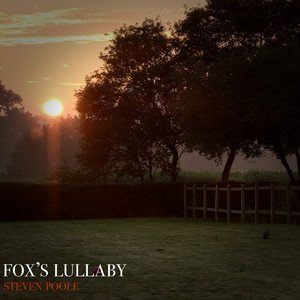
Steven Poole – Fox’s Lullaby | Neoclassical music review
Чарующая слух прекрасная фортепианная композиция от -Steven Poole-, которая непременно увлечет любого в мир музыки, мечт и фа... >>> Read full review & listen to the song on Nagamag #neo #modernclassical #solopiano #stevenpoole #unitedkingdom #nagamag #musicmagazine #musicreview #review
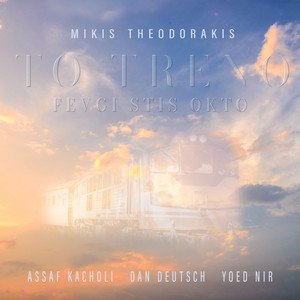
Assaf Kacholi x Yoed Nir – To Treno Fevgi Stis Okto | Neoclassical music review
Το υπέροχο τραγούδι του αείμνηστων και μοναδικών Μίκη Θεοδωράκη(σύνθεση) και Μάνου ελευθερίου(στίχοι) μέσα από την ματιά των ... >>> Read full review & listen to the song on Nagamag #neo #modernclassical #crossoverclassical #assafkacholixyoednir #assafkacholixyoednir #israel #nagamag #musicmagazine #musicreview #review

Beautiful Life x Astrid Sky – Dawning | Neoclassical music review
Η φανταστική μελωδία ζωγραφίζει με ζωηρά χρώματα ένα πίνακα και πάνω του αποτυπώνονται όλα τα συναισθήματα. Μια νέα μέρα ξημε... >>> Read full review & listen to the song on Nagamag #neo #modernclassical #solopiano #beautifullifexastridsky #beautifullifexastridsky #canada #nagamag #musicmagazine #musicreview #review
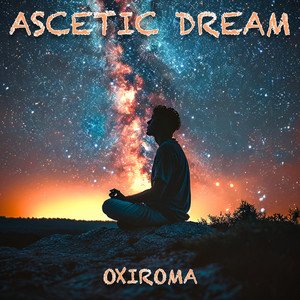
Oxiroma – Ascetic Dream | Neoclassical music review
Η εξαίσια και συγκινητική μελωδία μας κάνει να νιώθουμε νοσταλγία και τα συναισθήματα μας γίνονται πιο έντονα. Μια ήρεμη δύνα... >>> Read full review & listen to the song on Nagamag #neo #modernclassical #cinematic #epicmusic #crossoverclassical #oxiroma #cyprus #nagamag #musicmagazine #musicreview #review

Federico Ferrandina x MATÈ e Solisti Lucani – Nested In Gray | Neoclassical music review
Поразительное сочетание множества живых инструментов, с очень многогранной и глубокой аранжировкой привело к созданию такого ... >>> Read full review & listen to the song on Nagamag #neo #modernclassical #electronica #federicoferrandinaxmatèesolistilucani #federicoferrandinaxmatèesolistilucani #italy #nagamag #musicmagazine #musicreview #review
Chloé Antoniotti – Jasmin | Neoclassical music review
Композиция -Jasmin- от -Chloé Antoniotti- является настоящим подарком для наших душ в мире современной классической музыки. Э... >>> Read full review & listen to the song on Nagamag #neo #modernclassical #crossoverclassical #chloéantoniotti #france #nagamag #musicmagazine #musicreview #review
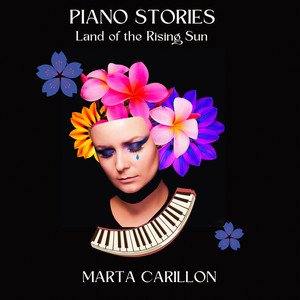
Marta Carillon – Ikigai (Reason for Being) | Neoclassical music review
-Marta Carillon- — талантливый композитор и музыкант, чья последняя композиция представляет собой потрясающий образец совреме... >>> Read full review & listen to the song on Nagamag #neo #modernclassical #ambient #martacarillon #unitedkingdom #nagamag #musicmagazine #musicreview #review

Eric Heitmann x Willa Weber – Destiny Reborn | Neoclassical music review
Through forgotten memories and dust from a distant past, a new destiny is reborned. Two talented minds joined for an impressi... >>> Read full review & listen to the song on Nagamag #cinematic #epicmusic #ericheitmannxwillaweber #ericheitmannxwillaweber #unitedstates #germany #nagamag #musicmagazine #musicreview #review

Preston Peak – Lost in Space | Neoclassical music review
Композиция исполненная на пиано яркий пример того, как простая, но очень глубокая по своей сути музыка может сливаться воедин... >>> Read full review & listen to the song on Nagamag #piano #nagamag #musicmagazine #musicreview #review
Difference between Classical and Neoclassical Music
Classical music refers to a broad range of music written in the classical tradition, which encompasses a wide range of styles and forms. It is generally characterized by its formal structure and its use of traditional instruments and ensemble configurations.
Neoclassicism is a style of music that refers to the revival and use of classical forms and styles in music, particularly in the 18th and early 19th centuries. It is characterized by its use of clear, concise forms and a focus on structure and balance. Neoclassicism was a reaction against the romantic style of music, which was characterized by emotion and passion, and was influenced by the ideas of the Enlightenment, which valued reason and classical learning.
Some of the key differences between classical and neoclassical music include:
Time period: Classical music refers to music written during the classical period (1730-1820), while neoclassicism refers to music written after the classical period that incorporates elements of classical forms and styles.
Emphasis on structure: Classical music is known for its formal structure and the use of traditional forms such as the sonata and the symphony. Neoclassical music also places a strong emphasis on structure, but may also incorporate elements of popular music and folk music.
Emphasis on emotion: Classical music is often more reserved and formal in its emotional expression, while neoclassicism tends to be more emotional and expressive.
Use of tonality: Both classical and neoclassical music use tonality, but neoclassicism often incorporates a wider range of tonal structures and may experiment with atonality.
Use of traditional instruments: Both classical and neoclassical music use traditional classical instruments such as strings, woodwinds, brass, and percussion. However, neoclassicism may also incorporate elements of popular music and folk music, and may use a wider range of instruments.
Overall, the main difference between classical and neoclassical music is the time period in which the music was written, and the specific techniques and styles used by the composer. Classical music is generally more formal and reserved in its expression, while neoclassicism tends to be more expressive and may incorporate elements of popular music and folk music.
The most used instruments in Neoclassical Music
In neoclassical music, the most common instruments used are those found in the classical orchestra, including:
Strings: Violin, viola, cello, double bass
Woodwinds: Flute, oboe, clarinet, bassoon
Brass: Trumpet, French horn, trombone, tuba
Percussion: Timpani, snare drum, bass drum, cymbals, xylophone, marimba, triangle
Keyboard: Piano, harpsichord
These instruments are often used to create a wide range of textures and sounds, and are featured in many different types of classical music, including neoclassical music. In addition to these instruments, many composers also incorporate elements of popular music and folk music into their compositions, and may use a variety of other instruments such as guitars, bass, drums, and synthesizers.
It’s also worth noting that many composers and performers of neoclassical music are skilled in a variety of different instruments, and may switch between different instruments in order to achieve the desired sound and texture.
Vocals are sometimes used in neoclassical music, although they are not as common as instrumental music. When vocals are used in neoclassical music, they are typically performed by trained classical singers who have the ability to sing with precise pitch and control.
One common use of vocals in neoclassical music is in operatic compositions, where singers perform arias and recitatives in a style that is similar to traditional opera. Neoclassical opera is a subgenre of classical music that combines elements of traditional opera with elements of neoclassicism, and often incorporates elements of popular music and folk music.
In addition to operatic vocals, vocals may also be used in other forms of neoclassical music, such as choral music or vocal chamber music. Some composers may also incorporate elements of popular music or folk music into their compositions, and may use vocals in a more modern or experimental style.
It’s worth noting that the use of vocals in neoclassical music is highly dependent on the individual composer and the specific piece of music, and not all neoclassical compositions will feature vocals.