
Neoclassical Music ⁞ New Releases⁞ Artist Interviews⁞ Music News
Introduction of Neoclassical Music
Neoclassical music is a style of classical music that is characterized by its use of traditional forms and styles, as well as a focus on structure and balance. It is often seen as a reaction against the romantic style of music, which was characterized by emotion and passion, and was influenced by the ideas of the Enlightenment, which valued reason and classical learning.
Some of the key features of neoclassical music include the use of traditional forms such as sonata form, the use of clear and concise melodies, and the incorporation of elements of folk music and popular music. Neoclassical music also often featured a return to tonality, which is the use of a specific key or tonal center in a piece of music.
The neoclassical style has had a lasting influence on classical music, and it continues to be an important part of the classical repertoire
Favorite Neoclassical Music on Spotify
Favorite Neoclassical Videos on Youtube
Recent Neoclassical Interviews
Neoclassical Features

Steven Poole – Song for Lisa | Neoclassical music review
“Мелодия пиано заставляет сердце замирать, а душу погружаться в океан эмоций. Эта великолепная композиция является подлинным произведением искусства, выражающим трепетные чувства и нежность. Музыка наполняет пространство спокойствием, создавая идеальную атмосферу, чтобы прочувствовать всю красоту и тонкость исполнения -Steven Poole-.”
-Nagamag.com
Expand to read review translations *
“The melody of the piano makes the heart freeze, and plunge the soul into the ocean of emotions. This magnificent composition is a genuine work of art, expressing reverent feelings and tenderness. Music fills the space with calmness, creating an ideal atmosphere in order to feel all the beauty and subtlety of performance -steven pool-.”
-Nagamag.com
“Η μελωδία του πιάνο κάνει την καρδιά να παγώσει και να βυθίσει την ψυχή στον ωκεανό των συναισθημάτων. Αυτή η υπέροχη σύνθεση είναι ένα γνήσιο έργο τέχνης, εκφράζοντας ευσεβείς συναισθήματα και τρυφερότητα. Η μουσική γεμίζει το χώρο με ηρεμία, δημιουργώντας μια ιδανική ατμόσφαιρα για να αισθανθεί όλη την ομορφιά και την λεπτότητα της απόδοσης -steven pool-.”
-Nagamag.com
The original review of “Steven Poole – Song for Lisa” is written in the native language that is spoken by the dedicated, for this song, Nagamag’s Neoclassical reviewer and followed by two translations*, of which the one depends from the country of origin of the artist “Song for Lisa” (United Kingdom) and the other one is translated to a different language than original review and the country of origin of the artist.
* Automatically Translated
Nagamag unveils the mesmerizing composition “Steven Poole”, an extraordinary creation of harmony and creativity that “Song for Lisa” offered to all of us. A Neoclassical song, which evoked an emotional voyage to our curator that desired to write down a unique review for “Steven Poole – Song for Lisa”. What also sets this song among the featured choices of Nagamag is the way that “Steven Poole” is enriched with Instrumental, Piano characteristics. “Steven Poole – Song for Lisa” is a rich music creation that deserves to be listened to again and again. Nagamag is honored to share this detailed music review by one of our experienced reviewers for Neoclassical music compositions. As always, Nagamag keeps up evaluating Neoclassical songs from across the globe, ensuring that all Neoclassical enthusiasts around the world have access to these auditory treasures .
Additional information/sources for Steven Poole – Song for Lisa
Steven Poole was born in London, grew up studying classical piano and clarinet, and has composed music for theatre, TV documentaries, and short films. He also produces electronic music as Supreme Ultimate Fist , and plays lead guitar in Doctor Da Vinci and his Elephant.
Neoclassical home page where “Steven Poole – Song for Lisa” is hosted on Nagamag Music Magazine
Nagamag takes pride in supporting Neoclassical artists like “Song for Lisa”, providing music reviews and music discoveries like “Steven Poole”.
This music post about song “Steven Poole” by “Song for Lisa” is hosted in Neoclassical page on Nagamag.
There you can find similar Neoclassical artists to “Song for Lisa” and more Neoclassical, Instrumental, Piano songs like “Steven Poole” that have been carefully selected by Nagamag’s Neoclassical experienced curators and reviewed by Nagamag’s Neoclassical dedicated reviewers.
Learn everything about Neoclassical on Wikipedia
If you enjoyed “Steven Poole – Song for Lisa” but you have never listened before to any other Neoclassical song or you are interested in learning more about Neoclassical music gerne then click here to visit Neoclassical music page on Wikipedia.
Neoclassical music refers to a distinct style with common characteristics. Each genre carries its unique sound, instruments, and cultural influences. For a deeper understanding of Neoclassical music, Wikipedia provides comprehensive insights into its history, notable artists, and iconic works. Delve into the diverse and dynamic world of Neoclassical music through this valuable resource, broadening your knowledge around Neoclassical genre.

CaptainTan – Vito | Neoclassical music review
“Harmonic tones, full of artistic creativity are offered to those who know how to evaluate quality music. The endless beauty of Neoclassical sound as it unfolds from melodic piano keys and sorrowful violin strings. As you listen, time stops and your mind suddenly forgets everything else!”
-Nagamag.com
Expand to read review translations *
“Οι αρμονικοί τόνοι, γεμάτοι καλλιτεχνική δημιουργικότητα προσφέρονται σε εκείνους που ξέρουν πώς να αξιολογήσουν την ποιοτική μουσική. Η ατελείωτη ομορφιά του νεοκλασικού ήχου καθώς ξεδιπλώνεται από τα μελωδικά πλήκτρα πιάνου και τις θλιβερές χορδές βιολιού. Καθώς ακούτε, ο χρόνος σταματά και το μυαλό σας ξεχνά ξαφνικά τα πάντα!”
-Nagamag.com
“Los tonos armónicos, llenos de creatividad artística se ofrecen a aquellos que saben cómo evaluar la música de calidad. La belleza interminable del sonido neoclásico a medida que se desarrolla de las teclas de piano melódico y tristes cuerdas de violín. ¡Mientras escuchas, el tiempo se detiene y tu mente de repente olvida todo lo demás!”
-Nagamag.com
The original review of “CaptainTan – Vito” is written in the native language that is spoken by the dedicated, for this song, Nagamag’s Neoclassical reviewer and followed by two translations*, of which the one depends from the country of origin of the artist “CaptainTan” (Spain) and the other one is translated to a different language than original review and the country of origin of the artist.
* Automatically Translated
Nagamag unveils the mesmerizing composition “Vito”, an extraordinary creation of harmony and creativity that “CaptainTan” offered to all of us. A Neoclassical song, which evoked an emotional voyage to our curator that desired to write down a unique review for “CaptainTan – Vito”. What also sets this song among the featured choices of Nagamag is the way that “Vito” is enriched with Piano characteristics. “CaptainTan – Vito” is a rich music creation that deserves to be listened to again and again. Nagamag is honored to share this detailed music review by one of our experienced reviewers for Neoclassical music compositions. As always, Nagamag keeps up evaluating Neoclassical songs from across the globe, ensuring that all Neoclassical enthusiasts around the world have access to these auditory treasures .
Additional information/sources for CaptainTan – Vito
Javier Moreno is a Spanish piano teacher and composer. He was born and lived his youth in the Valencian Community, a region located in the east of Spain, knowing very closely a musical life that extends through all the towns of this region. He subsequently moved to Madrid where he has resided since 2007.
He has dedicated himself to teaching how to play the piano and in this way he began to compose small pieces for his students to play. At the beginning of 2023 and as a result of an illness suffered by his wife, he dedicated himself to composing more intensely. Her first album Ep “My Life” is dedicated to her.
In his youth he belonged to several modern music bands such as “La Nueva Industria”, “Enigma del Deseo” or “Cristales Góticos”, “Quinteto de Músicos Libres” among others. His musical influences range from Classical Music, Wim Mertens and his youth’s favorite band: Depeche Mode.
His music seeks to delve into the human soul and capture it in a simple way on the piano.
Neoclassical home page where “CaptainTan – Vito” is hosted on Nagamag Music Magazine
Nagamag takes pride in supporting Neoclassical artists like “CaptainTan”, providing music reviews and music discoveries like “Vito”.
This music post about song “Vito” by “CaptainTan” is hosted in Neoclassical page on Nagamag.
There you can find similar Neoclassical artists to “CaptainTan” and more Neoclassical, Piano songs like “Vito” that have been carefully selected by Nagamag’s Neoclassical experienced curators and reviewed by Nagamag’s Neoclassical dedicated reviewers.
Learn everything about Neoclassical on Wikipedia
If you enjoyed “CaptainTan – Vito” but you have never listened before to any other Neoclassical song or you are interested in learning more about Neoclassical music gerne then click here to visit Neoclassical music page on Wikipedia.
Neoclassical music refers to a distinct style with common characteristics. Each genre carries its unique sound, instruments, and cultural influences. For a deeper understanding of Neoclassical music, Wikipedia provides comprehensive insights into its history, notable artists, and iconic works. Delve into the diverse and dynamic world of Neoclassical music through this valuable resource, broadening your knowledge around Neoclassical genre.
Latest Neoclassical discoveries
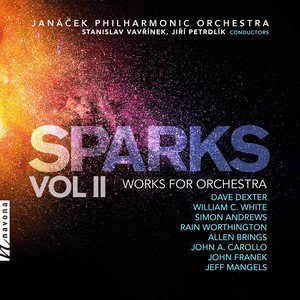
Janáček Philharmonic Ostrava – Reflections | Neoclassical music review
Потрясающая композиция в жанре Modern Classical от -Janáček Philharmonic Ostrava-, которая до краев наполнена глубокими эмоци... >>> Read full review & listen to the song on Nagamag #neo #modernclassical #cinematic #epicmusic #classicalstrings #janáčekphilharmonicostrava #czechrepublic #nagamag #musicmagazine #musicreview #review
Allen Yu – Starlight Reverie | Neoclassical music review
Великолепная композиция исполненная с душой и любовью на пиано, написанная талантливым музыкантом -Allen Yu-. Эта мелодия дар... >>> Read full review & listen to the song on Nagamag #solopiano #allenyu #unitedstates #nagamag #musicmagazine #musicreview #review

Corentin Le Roy – Violence | Neoclassical music review
Начиная с вводных аккордов, композиция создает атмосферу напряжения и интриги. Музыка переплетается с вашим сердцем, создавая... >>> Read full review & listen to the song on Nagamag #piano #nagamag #musicmagazine #musicreview #review
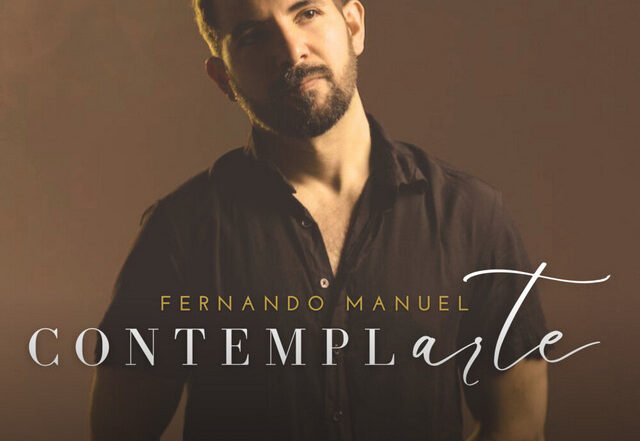
Fernando Manuel – Contemplarte | Neoclassical music review
Композиция полна нежности и глубоких эмоций, которые легко передаются через звуки пиано. Мелодия никуда не торопится, она сло... >>> Read full review & listen to the song on Nagamag #piano #nagamag #musicmagazine #musicreview #review

Matthias Krauss – Whispers Of Bliss | Neoclassical music review
-Matthias Krauss- представляет изящное произведение с интригующей атмосферой и глубоким эмоциональным звучанием. В этой мелод... >>> Read full review & listen to the song on Nagamag #neo #modernclassical #solopiano #matthiaskrauss #germany #nagamag #musicmagazine #musicreview #review

Marco Ranaldi – White Pages | Neoclassical music review
Οι νότες τους πιάνου αγγίζουν την καρδιά μας και την μαλακώνουν. Με σιγουριά και ειλικρίνεια η όμορφη μελωδία προχωρά μπροστ... >>> Read full review & listen to the song on Nagamag #piano #nagamag #musicmagazine #musicreview #review
Mirko Dukanovic x Zir Bijou – My Love Language | Neoclassical music review
Όσο μου κρατάς το χέρι ο γκρίζος ουρανός δεν θα είναι μελαγχολικός και η ήσυχη μελωδία θα με κάνει πάλι παιδί. Θα την έχω πάν... >>> Read full review & listen to the song on Nagamag #neo #modernclassical #solopiano #mirkodukanovicxzirbijou #mirkodukanovicxzirbijou #unitedstates #nagamag #musicmagazine #musicreview #review

Carlos Gayotto – Verdade | Neoclassical music review
Mysterious and elusive sound vibrations echo with serenity. The vocals are immersive and reach directly in the mind. Carlos ... >>> Read full review & listen to the song on Nagamag #cinematic #epicmusic #newage #carlosgayotto #unitedstates #nagamag #musicmagazine #musicreview #review
Charly Fez – Sanpo | Neoclassical music review
Музыкальные фразы переплетаются и сливаются вместе, создавая прекрасную гармонию и баланс внутреннего покоя. Композиция отлич... >>> Read full review & listen to the song on Nagamag #piano #nagamag #musicmagazine #musicreview #review
Difference between Classical and Neoclassical Music
Classical music refers to a broad range of music written in the classical tradition, which encompasses a wide range of styles and forms. It is generally characterized by its formal structure and its use of traditional instruments and ensemble configurations.
Neoclassicism is a style of music that refers to the revival and use of classical forms and styles in music, particularly in the 18th and early 19th centuries. It is characterized by its use of clear, concise forms and a focus on structure and balance. Neoclassicism was a reaction against the romantic style of music, which was characterized by emotion and passion, and was influenced by the ideas of the Enlightenment, which valued reason and classical learning.
Some of the key differences between classical and neoclassical music include:
Time period: Classical music refers to music written during the classical period (1730-1820), while neoclassicism refers to music written after the classical period that incorporates elements of classical forms and styles.
Emphasis on structure: Classical music is known for its formal structure and the use of traditional forms such as the sonata and the symphony. Neoclassical music also places a strong emphasis on structure, but may also incorporate elements of popular music and folk music.
Emphasis on emotion: Classical music is often more reserved and formal in its emotional expression, while neoclassicism tends to be more emotional and expressive.
Use of tonality: Both classical and neoclassical music use tonality, but neoclassicism often incorporates a wider range of tonal structures and may experiment with atonality.
Use of traditional instruments: Both classical and neoclassical music use traditional classical instruments such as strings, woodwinds, brass, and percussion. However, neoclassicism may also incorporate elements of popular music and folk music, and may use a wider range of instruments.
Overall, the main difference between classical and neoclassical music is the time period in which the music was written, and the specific techniques and styles used by the composer. Classical music is generally more formal and reserved in its expression, while neoclassicism tends to be more expressive and may incorporate elements of popular music and folk music.
The most used instruments in Neoclassical Music
In neoclassical music, the most common instruments used are those found in the classical orchestra, including:
Strings: Violin, viola, cello, double bass
Woodwinds: Flute, oboe, clarinet, bassoon
Brass: Trumpet, French horn, trombone, tuba
Percussion: Timpani, snare drum, bass drum, cymbals, xylophone, marimba, triangle
Keyboard: Piano, harpsichord
These instruments are often used to create a wide range of textures and sounds, and are featured in many different types of classical music, including neoclassical music. In addition to these instruments, many composers also incorporate elements of popular music and folk music into their compositions, and may use a variety of other instruments such as guitars, bass, drums, and synthesizers.
It’s also worth noting that many composers and performers of neoclassical music are skilled in a variety of different instruments, and may switch between different instruments in order to achieve the desired sound and texture.
Vocals are sometimes used in neoclassical music, although they are not as common as instrumental music. When vocals are used in neoclassical music, they are typically performed by trained classical singers who have the ability to sing with precise pitch and control.
One common use of vocals in neoclassical music is in operatic compositions, where singers perform arias and recitatives in a style that is similar to traditional opera. Neoclassical opera is a subgenre of classical music that combines elements of traditional opera with elements of neoclassicism, and often incorporates elements of popular music and folk music.
In addition to operatic vocals, vocals may also be used in other forms of neoclassical music, such as choral music or vocal chamber music. Some composers may also incorporate elements of popular music or folk music into their compositions, and may use vocals in a more modern or experimental style.
It’s worth noting that the use of vocals in neoclassical music is highly dependent on the individual composer and the specific piece of music, and not all neoclassical compositions will feature vocals.