
Neoclassical Music ⁞ New Releases⁞ Artist Interviews⁞ Music News
Introduction of Neoclassical Music
Neoclassical music is a style of classical music that is characterized by its use of traditional forms and styles, as well as a focus on structure and balance. It is often seen as a reaction against the romantic style of music, which was characterized by emotion and passion, and was influenced by the ideas of the Enlightenment, which valued reason and classical learning.
Some of the key features of neoclassical music include the use of traditional forms such as sonata form, the use of clear and concise melodies, and the incorporation of elements of folk music and popular music. Neoclassical music also often featured a return to tonality, which is the use of a specific key or tonal center in a piece of music.
The neoclassical style has had a lasting influence on classical music, and it continues to be an important part of the classical repertoire
Favorite Neoclassical Music on Spotify
Favorite Neoclassical Videos on Youtube
Recent Neoclassical Interviews
Neoclassical Features

Antoine Glatard – Ladder of Dreams | Neoclassical music review
“The master of Cinematic Antoine Glatard feeds our fantasy with a track full of dreamy melodies. Luminous sound which directly impacts every listener. The well organized structure and smooth flow of patterns can bring various images in the mind or awaken past memories.”
-Nagamag.com
Expand to read review translations *
“Ο πλοίαρχος του κινηματογραφικού Antoine Glatard τροφοδοτεί τη φαντασία μας με ένα κομμάτι γεμάτο από ονειρεμένες μελωδίες. Φωτεινός ήχος που επηρεάζει άμεσα κάθε ακροατή. Η καλά οργανωμένη δομή και η ομαλή ροή των μοτίβων μπορούν να φέρουν διάφορες εικόνες στο μυαλό ή να ξυπνήσουν προηγούμενες αναμνήσεις.”
-Nagamag.com
“Le maître du glatard cinématographique Antoine nourrit notre fantasme avec un morceau plein de mélodies de rêve. Sound lumineux qui a un impact direct sur chaque auditeur. La structure bien organisée et le flux lisse de motifs peuvent apporter diverses images dans l’esprit ou éveiller les souvenirs passés.”
-Nagamag.com
The original review of “Antoine Glatard – Ladder of Dreams” is written in the native language that is spoken by the dedicated, for this song, Nagamag’s Neoclassical reviewer and followed by two translations*, of which the one depends from the country of origin of the artist “Antoine Glatard” (France) and the other one is translated to a different language than original review and the country of origin of the artist.
* Automatically Translated
Nagamag unveils the mesmerizing composition “Ladder of Dreams”, an extraordinary creation of harmony and creativity that “Antoine Glatard” offered to all of us. A Neoclassical song, which evoked an emotional voyage to our curator that desired to write down a unique review for “Antoine Glatard – Ladder of Dreams”. What also sets this song among the featured choices of Nagamag is the way that “Ladder of Dreams” is enriched with Cinematic characteristics. “Antoine Glatard – Ladder of Dreams” is a rich music creation that deserves to be listened to again and again. Nagamag is honored to share this detailed music review by one of our experienced reviewers for Neoclassical music compositions. As always, Nagamag keeps up evaluating Neoclassical songs from across the globe, ensuring that all Neoclassical enthusiasts around the world have access to these auditory treasures .
Additional information/sources for Antoine Glatard – Ladder of Dreams
This orchestral, colorful, melancholic and captivating piece is a tribute to animated films, childhood and dreams.
Neoclassical home page where “Antoine Glatard – Ladder of Dreams” is hosted on Nagamag Music Magazine
Nagamag takes pride in supporting Neoclassical artists like “Antoine Glatard”, providing music reviews and music discoveries like “Ladder of Dreams”.
This music post about song “Ladder of Dreams” by “Antoine Glatard” is hosted in Neoclassical page on Nagamag.
There you can find similar Neoclassical artists to “Antoine Glatard” and more Neoclassical, Cinematic songs like “Ladder of Dreams” that have been carefully selected by Nagamag’s Neoclassical experienced curators and reviewed by Nagamag’s Neoclassical dedicated reviewers.
Learn everything about Neoclassical on Wikipedia
If you enjoyed “Antoine Glatard – Ladder of Dreams” but you have never listened before to any other Neoclassical song or you are interested in learning more about Neoclassical music gerne then click here to visit Neoclassical music page on Wikipedia.
Neoclassical music refers to a distinct style with common characteristics. Each genre carries its unique sound, instruments, and cultural influences. For a deeper understanding of Neoclassical music, Wikipedia provides comprehensive insights into its history, notable artists, and iconic works. Delve into the diverse and dynamic world of Neoclassical music through this valuable resource, broadening your knowledge around Neoclassical genre.

Liam Phan – Particles | Neoclassical music review
“Σαν το αθώο παιδικό άγγιγμα που χάνεται μέσα στο χρόνο οι νότες του πιάνου μας χαϊδεύουν χωρίς να ξέρουν πόσο βαθιά μέσα μας εισχωρούν. Οι σταγόνες τις βροχής κρύβουν τα δάκρυα μας και η όμορφη μελωδία ρίχνει το προστατευτικό της πέπλο για να μην φανεί η θλίψη μας και να μην κερδίσει ο φόβος. Κάπως έτσι οι δροσοσταλίδες θα φέρουν την χαρά.”
-Nagamag.com
Expand to read review translations *
“Like the innocent childhood touch that is lost in time, the notes of our piano caress us without knowing how deeply they penetrate us. The rain drops hide our tears and the beautiful melody throws its protective veil so that our sadness will not be seen and not to win fear. This is how the dewdrops will bring the joy.”
-Nagamag.com
“Comme la touche d’enfance innocente qui est perdue dans le temps, les notes de notre piano nous caressent sans savoir à quel point ils nous pénètrent profondément. Les gouttes de pluie cachent nos larmes et la belle mélodie jette son voile protecteur afin que notre tristesse ne soit pas vue et ne gagne pas la peur. C’est ainsi que les gardiens de rosée apporteront la joie.”
-Nagamag.com
The original review of “Liam Phan – Particles” is written in the native language that is spoken by the dedicated, for this song, Nagamag’s Neoclassical reviewer and followed by two translations*, of which the one depends from the country of origin of the artist “Liam Phan” (France) and the other one is translated to a different language than original review and the country of origin of the artist.
* Automatically Translated
Nagamag unveils the mesmerizing composition “Particles”, an extraordinary creation of harmony and creativity that “Liam Phan” offered to all of us. A Neoclassical song, which evoked an emotional voyage to our curator that desired to write down a unique review for “Liam Phan – Particles”. What also sets this song among the featured choices of Nagamag is the way that “Particles” is enriched with Piano characteristics. “Liam Phan – Particles” is a rich music creation that deserves to be listened to again and again. Nagamag is honored to share this detailed music review by one of our experienced reviewers for Neoclassical music compositions. As always, Nagamag keeps up evaluating Neoclassical songs from across the globe, ensuring that all Neoclassical enthusiasts around the world have access to these auditory treasures .
Additional information/sources for Liam Phan – Particles
“Particles,” the captivating single from Liam Phan’s album “Entropy.” With its piano-focused neoclassical style and ambient, experimental elements, “Particles” offers a mesmerizing and introspective musical experience.
“Entropy” is a project that explores the interplay between control and spontaneity in the creative process. Inspired by the concept of entropy in physics, Liam Phan delves into the balance between order and chaos in his compositions. “Particles” embodies this exploration, with its delicate piano arrangements and atmospheric textures.
Neoclassical home page where “Liam Phan – Particles” is hosted on Nagamag Music Magazine
Nagamag takes pride in supporting Neoclassical artists like “Liam Phan”, providing music reviews and music discoveries like “Particles”.
This music post about song “Particles” by “Liam Phan” is hosted in Neoclassical page on Nagamag.
There you can find similar Neoclassical artists to “Liam Phan” and more Neoclassical, Piano songs like “Particles” that have been carefully selected by Nagamag’s Neoclassical experienced curators and reviewed by Nagamag’s Neoclassical dedicated reviewers.
Learn everything about Neoclassical on Wikipedia
If you enjoyed “Liam Phan – Particles” but you have never listened before to any other Neoclassical song or you are interested in learning more about Neoclassical music gerne then click here to visit Neoclassical music page on Wikipedia.
Neoclassical music refers to a distinct style with common characteristics. Each genre carries its unique sound, instruments, and cultural influences. For a deeper understanding of Neoclassical music, Wikipedia provides comprehensive insights into its history, notable artists, and iconic works. Delve into the diverse and dynamic world of Neoclassical music through this valuable resource, broadening your knowledge around Neoclassical genre.
Latest Neoclassical discoveries
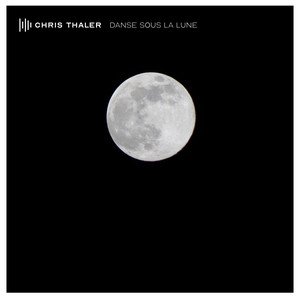
Chris Thaler – Danse sous la lune | Neoclassical music review
Sober and melancholic piano keys echo in the silence of the dark night sky. The full Moon shines like a sea-pearl and calls y... >>> Read full review & listen to the song on Nagamag #neo #modernclassical #christhaler #switzerland #nagamag #musicmagazine #musicreview #review
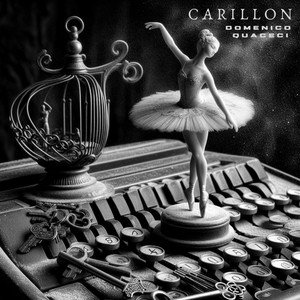
Domenico Quaceci – Carillon | Neoclassical music review
Ο χαλαρός αλλά παθιασμένος ρυθμός του πιάνου ρέει τόσο αρμονικά και ακούραστα που γαληνεύει την ψυχή. Η εξαιρετική μελωδία μ... >>> Read full review & listen to the song on Nagamag #neo #modernclassical #traditionalclassical #domenicoquaceci #italy #nagamag #musicmagazine #musicreview #review
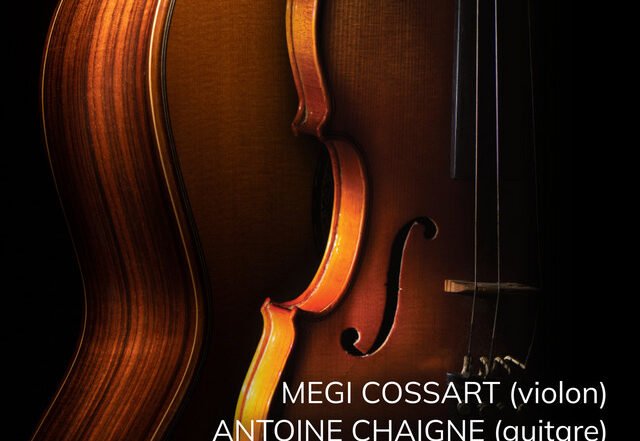
Antoine Chaigne – Triptico Porteno II : El rosedal | Neoclassical music review
Η όμορφη και απαλή μελωδία μέσα από μια νοσταλγική ατμόσφαιρα μας μεταφέρει πίσω στο χρόνο. Οι νότες τους βιολιού και της κιθ... >>> Read full review & listen to the song on Nagamag #guitar #nagamag #musicmagazine #musicreview #review
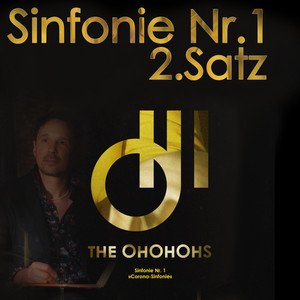
The OhOhOhs – Zweiter Satz – Adagio amoroso, Sinfonie Nr.1 – ”Corona-Sinfonie” | Neoclassical music review
-The OhOhOhs- представляют потрясающую композицию, которая великолепно сочетает в себе элементы современной и традиционной кл... >>> Read full review & listen to the song on Nagamag #neo #modernclassical #traditionalclassical #theohohohs #germany #nagamag #musicmagazine #musicreview #review
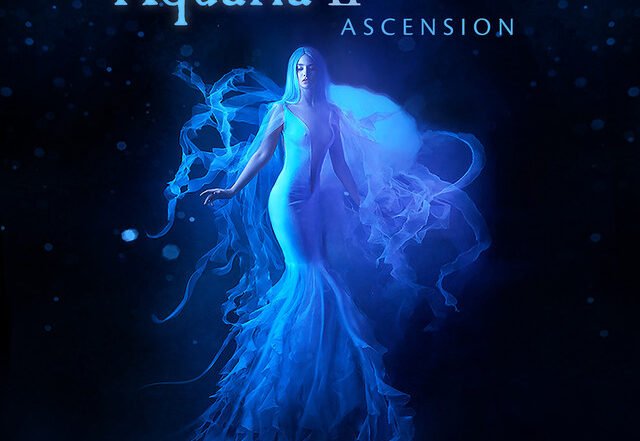
Diane Arkenstone – The Glass Ceiling Is Now The Sky | Neoclassical music review
Συναρπαστική και ατμοσφαιρική μελωδία που σε μεταφέρει σε ένα μυστηριακό και απρόσμενο τοπίο. Οι εντυπωσιακές εναλλαγές της σ... >>> Read full review & listen to the song on Nagamag #chillwave #downtempo #dianearkenstone #unitedstates #nagamag #musicmagazine #musicreview #review
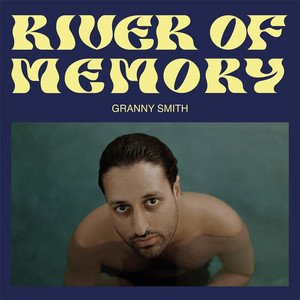
Granny Smith – River of Memory ii | Neoclassical music review
Μέσα από τις όμορφες και πληθωρικές νότες του πιάνου κάνουμε βουτιά στις σκέψεις μας βγάζοντας στο φως τις πραγματικές μας επ... >>> Read full review & listen to the song on Nagamag #neo #modernclassical #ambient #grannysmith #canada #nagamag #musicmagazine #musicreview #review
Bob Turco – June and Nora | Neoclassical music review
Η φανταστική και γλυκιά μελωδία μαλακώνει την καρδιά και ηρεμεί την ψυχή μας. Μέσα από μια νοσταλγική ένωση αγάπης και αισιοδ... >>> Read full review & listen to the song on Nagamag #piano #nagamag #musicmagazine #musicreview #review
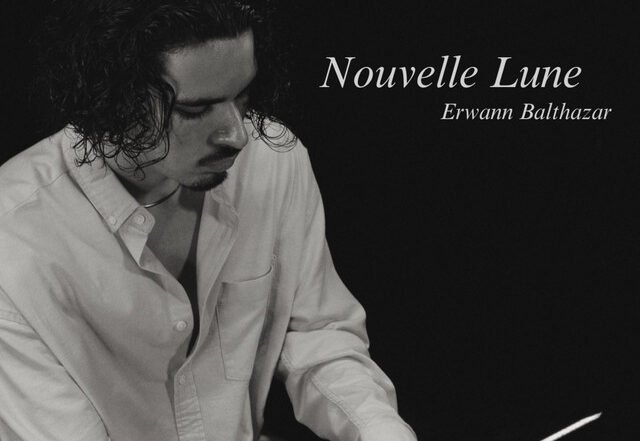
Erwann Balthazar – Seul | Neoclassical music review
Οι μελαγχολικές νότες του πιάνου μοιάζουν με πρωινές δροσοσταλίδες που περιμένουν με αγωνία το φως του ήλιου για να ζεσταθούν... >>> Read full review & listen to the song on Nagamag #piano #nagamag #musicmagazine #musicreview #review

Eric Heitmann – Until We Meet Again (Instrumental) | Neoclassical music review
Η μελωδία με μεγαλοπρέπεια μας ανοίγει τους καθαρούς και περήφανους ορίζοντες της. Η ένταση και η δύναμη της κάνει τα συναισθ... >>> Read full review & listen to the song on Nagamag #cinematic #epicmusic #ericheitmann #unitedstates #nagamag #musicmagazine #musicreview #review
Difference between Classical and Neoclassical Music
Classical music refers to a broad range of music written in the classical tradition, which encompasses a wide range of styles and forms. It is generally characterized by its formal structure and its use of traditional instruments and ensemble configurations.
Neoclassicism is a style of music that refers to the revival and use of classical forms and styles in music, particularly in the 18th and early 19th centuries. It is characterized by its use of clear, concise forms and a focus on structure and balance. Neoclassicism was a reaction against the romantic style of music, which was characterized by emotion and passion, and was influenced by the ideas of the Enlightenment, which valued reason and classical learning.
Some of the key differences between classical and neoclassical music include:
Time period: Classical music refers to music written during the classical period (1730-1820), while neoclassicism refers to music written after the classical period that incorporates elements of classical forms and styles.
Emphasis on structure: Classical music is known for its formal structure and the use of traditional forms such as the sonata and the symphony. Neoclassical music also places a strong emphasis on structure, but may also incorporate elements of popular music and folk music.
Emphasis on emotion: Classical music is often more reserved and formal in its emotional expression, while neoclassicism tends to be more emotional and expressive.
Use of tonality: Both classical and neoclassical music use tonality, but neoclassicism often incorporates a wider range of tonal structures and may experiment with atonality.
Use of traditional instruments: Both classical and neoclassical music use traditional classical instruments such as strings, woodwinds, brass, and percussion. However, neoclassicism may also incorporate elements of popular music and folk music, and may use a wider range of instruments.
Overall, the main difference between classical and neoclassical music is the time period in which the music was written, and the specific techniques and styles used by the composer. Classical music is generally more formal and reserved in its expression, while neoclassicism tends to be more expressive and may incorporate elements of popular music and folk music.
The most used instruments in Neoclassical Music
In neoclassical music, the most common instruments used are those found in the classical orchestra, including:
Strings: Violin, viola, cello, double bass
Woodwinds: Flute, oboe, clarinet, bassoon
Brass: Trumpet, French horn, trombone, tuba
Percussion: Timpani, snare drum, bass drum, cymbals, xylophone, marimba, triangle
Keyboard: Piano, harpsichord
These instruments are often used to create a wide range of textures and sounds, and are featured in many different types of classical music, including neoclassical music. In addition to these instruments, many composers also incorporate elements of popular music and folk music into their compositions, and may use a variety of other instruments such as guitars, bass, drums, and synthesizers.
It’s also worth noting that many composers and performers of neoclassical music are skilled in a variety of different instruments, and may switch between different instruments in order to achieve the desired sound and texture.
Vocals are sometimes used in neoclassical music, although they are not as common as instrumental music. When vocals are used in neoclassical music, they are typically performed by trained classical singers who have the ability to sing with precise pitch and control.
One common use of vocals in neoclassical music is in operatic compositions, where singers perform arias and recitatives in a style that is similar to traditional opera. Neoclassical opera is a subgenre of classical music that combines elements of traditional opera with elements of neoclassicism, and often incorporates elements of popular music and folk music.
In addition to operatic vocals, vocals may also be used in other forms of neoclassical music, such as choral music or vocal chamber music. Some composers may also incorporate elements of popular music or folk music into their compositions, and may use vocals in a more modern or experimental style.
It’s worth noting that the use of vocals in neoclassical music is highly dependent on the individual composer and the specific piece of music, and not all neoclassical compositions will feature vocals.