
Neoclassical Music ⁞ New Releases⁞ Artist Interviews⁞ Music News
Introduction of Neoclassical Music
Neoclassical music is a style of classical music that is characterized by its use of traditional forms and styles, as well as a focus on structure and balance. It is often seen as a reaction against the romantic style of music, which was characterized by emotion and passion, and was influenced by the ideas of the Enlightenment, which valued reason and classical learning.
Some of the key features of neoclassical music include the use of traditional forms such as sonata form, the use of clear and concise melodies, and the incorporation of elements of folk music and popular music. Neoclassical music also often featured a return to tonality, which is the use of a specific key or tonal center in a piece of music.
The neoclassical style has had a lasting influence on classical music, and it continues to be an important part of the classical repertoire
Favorite Neoclassical Music on Spotify
Favorite Neoclassical Videos on Youtube
Recent Neoclassical Interviews
Neoclassical Features
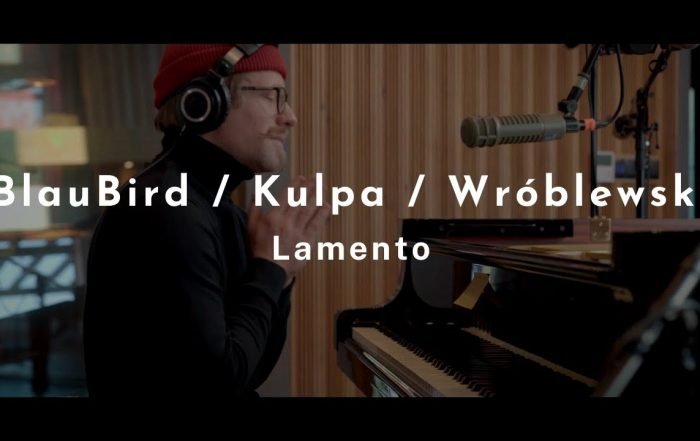
Roman Wróblewski x Weronika Kulpa x BlauBird – Lamento
“In an intensely dramatic atmosphere and passionate style, three artists express their opposition to the war. Seize this opportunity to enjoy a great combination of piano, cello and vocal performance of another level that won’t leave you unaffected.”
-Nagamag.com
“Lamento” is an inter-linguistic journey into the depths of one of the oldest traditions of lament. “There, among our memories, among the fragments of songs, words, and prayers we carry with us, is that which is sacred, our love, our humanity, and our ability to live one more day, to try to love always.” The main inspiration was words written in the Jerusalem Talmud: “Latin is adapted for war, the language of the host country for hymns, Hebrew for discussion, and Aramaic for lamentation.”
https://www.facebook.com/romanthepianist
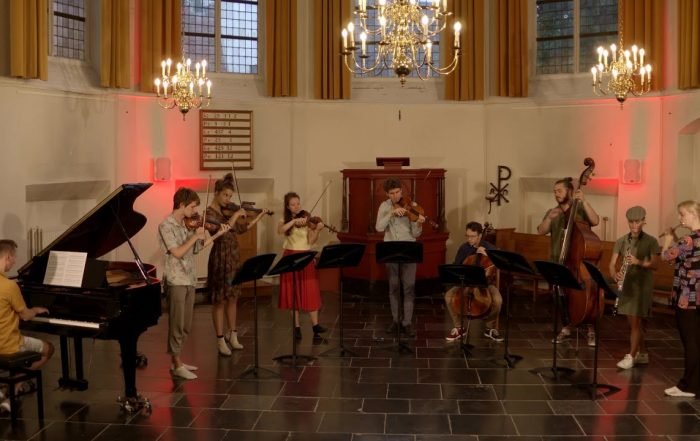
Chiel Nugter – Waltz of the Dancing Puppets
“Beautiful, with a chamber orchestra from 9 Waltz musicians, which is able to turn the head of his melody. An excellent combination and selection of live tools, each of which is placed. Immortal classic in modern arrangement. (Automatically Translated with Google Translate)”
“Красивый, с камерным оркестром из 9 музыкантов вальс, который способен вскружить голову своей мелодией. Прекрасное сочетание и подбор живых инструментов, на каждом из которых сделан свой акцент. Бессмертная классика в современной аранжировке.”
-Nagamag.com
https://push.fm/fl/6vlee5tm
Latest Neoclassical discoveries
Meredith Wilson, Joseph Macayan (Joey) – Till There Was You (Piano Cover) | Neoclassical music review
Эти два талантливых музыканта, -Meredith Wilson и Joseph Macayan-, воссоздали прекрасное классическое исполнение этой мелодии... >>> Read full review & listen to the song on Nagamag #piano #nagamag #musicmagazine #musicreview #review

Lewis Bolland – Distance | Neoclassical music review
С первых нот фортепиано создаётся атмосфера погружения, восхищая слушателя своими глубинными и инструментальными звуковыми те... >>> Read full review & listen to the song on Nagamag #neo #modernclassical #cinematic #epicmusic #classicalstrings #lewisbolland #unitedkingdom #nagamag #musicmagazine #musicreview #review FB: @lewisbollandmusic IG: @lewisbollandmusic TT: @@lewisbollandmusic

Stefano D’Amico – Home | Neoclassical music review
Только вдумайтесь, сколько любви вложил автор в свою работу. Мягкое и атмосферное звучание пиано и скрипки, которые создают с... >>> Read full review & listen to the song on Nagamag #chamberpop #neo #modernclassical #crossoverclassical #stefanod’amico #italy #nagamag #musicmagazine #musicreview #review FB: @stefanodamico.composer
Jessie Mae Doriga x Matt Herbst – Separate Ways (With Lyrics) | Neoclassical music review
Потрясающая совместная работа -Jessie Mae Doriga и Matt Herbst-, которая заслуживает особого внимания. Композиция очаровывает... >>> Read full review & listen to the song on Nagamag #acousticfolk #adultcontemporary #jessiemaedorigaxmattherbst #jessiemaedorigaxmattherbst #unitedstates #philippines #nagamag #musicmagazine #musicreview #review IG: @mattherbstmusic

Jessiah – Shadows of Love | Neoclassical music review
Very easy listening, soft vibe and melancholic atmosphere within the song harmonic structure. Blissful and dreamy piano theme... >>> Read full review & listen to the song on Nagamag #piano #strings #nagamag #musicmagazine #musicreview #review IG: @jessiah.official
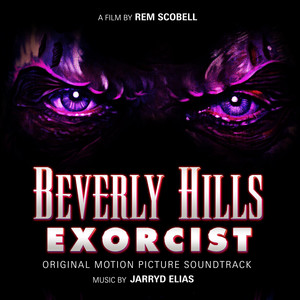
Jarryd Elias – Sonya’s Theme / End Credits | Neoclassical music review
Jarryd Elias sketches a series of vivid Cinematic waves for all movie fans and anxious minds out there. Luminus sound pattern... >>> Read full review & listen to the song on Nagamag #cinematic #epicmusic #jarrydelias #unitedstates #nagamag #musicmagazine #musicreview #review FB: @JarrydEliasMusic TT: @@jarrydeliasmusic
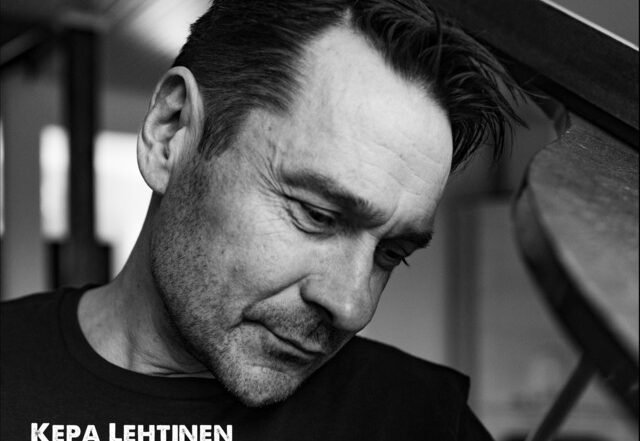
Kepa Lehtinen – Suru | Neoclassical music review
Work of art with two amazing instruments, piano and theremin. Beautiful concept, harmonic structure and very dreamy atmospher... >>> Read full review & listen to the song on Nagamag #piano #theremin #nagamag #musicmagazine #musicreview #review
JB – Autant en emporte le temps | Neoclassical music review
Serene piece of ethereal melodies and gentle piano themes with this enchanting and soothing composition. Its harmonic piano s... >>> Read full review & listen to the song on Nagamag #piano #nagamag #musicmagazine #musicreview #review
Manuel Peguero – Audacious Quest | Neoclassical music review
Melancholic and very emotional atmosphere, perfect for those lonely nights, alone with your own thoughts that goes really dee... >>> Read full review & listen to the song on Nagamag #piano #nagamag #musicmagazine #musicreview #review
Difference between Classical and Neoclassical Music
Classical music refers to a broad range of music written in the classical tradition, which encompasses a wide range of styles and forms. It is generally characterized by its formal structure and its use of traditional instruments and ensemble configurations.
Neoclassicism is a style of music that refers to the revival and use of classical forms and styles in music, particularly in the 18th and early 19th centuries. It is characterized by its use of clear, concise forms and a focus on structure and balance. Neoclassicism was a reaction against the romantic style of music, which was characterized by emotion and passion, and was influenced by the ideas of the Enlightenment, which valued reason and classical learning.
Some of the key differences between classical and neoclassical music include:
Time period: Classical music refers to music written during the classical period (1730-1820), while neoclassicism refers to music written after the classical period that incorporates elements of classical forms and styles.
Emphasis on structure: Classical music is known for its formal structure and the use of traditional forms such as the sonata and the symphony. Neoclassical music also places a strong emphasis on structure, but may also incorporate elements of popular music and folk music.
Emphasis on emotion: Classical music is often more reserved and formal in its emotional expression, while neoclassicism tends to be more emotional and expressive.
Use of tonality: Both classical and neoclassical music use tonality, but neoclassicism often incorporates a wider range of tonal structures and may experiment with atonality.
Use of traditional instruments: Both classical and neoclassical music use traditional classical instruments such as strings, woodwinds, brass, and percussion. However, neoclassicism may also incorporate elements of popular music and folk music, and may use a wider range of instruments.
Overall, the main difference between classical and neoclassical music is the time period in which the music was written, and the specific techniques and styles used by the composer. Classical music is generally more formal and reserved in its expression, while neoclassicism tends to be more expressive and may incorporate elements of popular music and folk music.
The most used instruments in Neoclassical Music
In neoclassical music, the most common instruments used are those found in the classical orchestra, including:
Strings: Violin, viola, cello, double bass
Woodwinds: Flute, oboe, clarinet, bassoon
Brass: Trumpet, French horn, trombone, tuba
Percussion: Timpani, snare drum, bass drum, cymbals, xylophone, marimba, triangle
Keyboard: Piano, harpsichord
These instruments are often used to create a wide range of textures and sounds, and are featured in many different types of classical music, including neoclassical music. In addition to these instruments, many composers also incorporate elements of popular music and folk music into their compositions, and may use a variety of other instruments such as guitars, bass, drums, and synthesizers.
It’s also worth noting that many composers and performers of neoclassical music are skilled in a variety of different instruments, and may switch between different instruments in order to achieve the desired sound and texture.
Vocals are sometimes used in neoclassical music, although they are not as common as instrumental music. When vocals are used in neoclassical music, they are typically performed by trained classical singers who have the ability to sing with precise pitch and control.
One common use of vocals in neoclassical music is in operatic compositions, where singers perform arias and recitatives in a style that is similar to traditional opera. Neoclassical opera is a subgenre of classical music that combines elements of traditional opera with elements of neoclassicism, and often incorporates elements of popular music and folk music.
In addition to operatic vocals, vocals may also be used in other forms of neoclassical music, such as choral music or vocal chamber music. Some composers may also incorporate elements of popular music or folk music into their compositions, and may use vocals in a more modern or experimental style.
It’s worth noting that the use of vocals in neoclassical music is highly dependent on the individual composer and the specific piece of music, and not all neoclassical compositions will feature vocals.