
Neoclassical Music ⁞ New Releases⁞ Artist Interviews⁞ Music News
Introduction of Neoclassical Music
Neoclassical music is a style of classical music that is characterized by its use of traditional forms and styles, as well as a focus on structure and balance. It is often seen as a reaction against the romantic style of music, which was characterized by emotion and passion, and was influenced by the ideas of the Enlightenment, which valued reason and classical learning.
Some of the key features of neoclassical music include the use of traditional forms such as sonata form, the use of clear and concise melodies, and the incorporation of elements of folk music and popular music. Neoclassical music also often featured a return to tonality, which is the use of a specific key or tonal center in a piece of music.
The neoclassical style has had a lasting influence on classical music, and it continues to be an important part of the classical repertoire
Favorite Neoclassical Music on Spotify
Favorite Neoclassical Videos on Youtube
Recent Neoclassical Interviews
Neoclassical Features
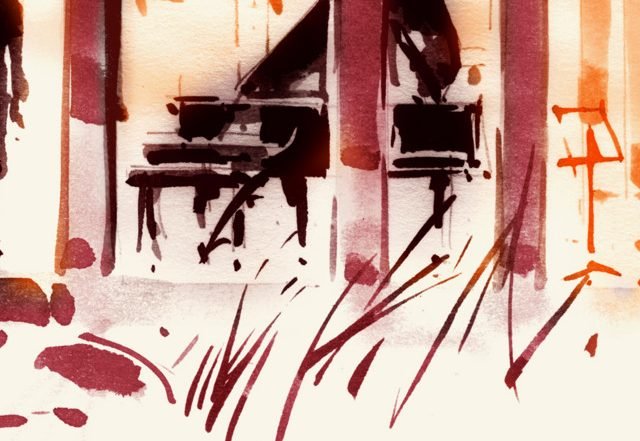
Florejan – The Second Fall (Spotify)

“All the beauty and lightness of a classical piano piece in the new single by maestro Florejan - The Second Fall. Everything you and your soul need in one composition.”
“Вся красота и лёгкость классического фортепианного произведения в новом сингле маэстро Florejan - The Second Fall. Всё, что нужно вам и вашей душе в одной композиции.”
-Nagamag.com
Florejan Verschueren (°1978) lives in Belgium together with his wife and their four children. He has been passionate about music ever since he was knee-high to a grashopper, and has been roaming the city and Belgium with numerous musical projects, in different styles.
At home he finds peace in his music room. The grand piano - a gift from his granddad to his father - adds a dash of grandeur to the room. This is Florejan’s musical sanctuary, a place that allows him to submerge himself into reverie. The trees outside follow the rhythm of the seasons, and set the pace at which Florejan composes new music. Harmony and balance. This has led to 'Piano Piano', an album that embraces rest and contemplation. It is process of growth, part of the cycle of life. It should not surprise anyone that the working title for 'Piano Piano' was 'WINTER', a season that breathes resourcing and reflection.
Florejan has stripped every composition to the bone, to the bare essence of the song. It has been an exercise in letting go and a quest for finding beauty and purity. Seemingly easy listening, the melodies conceal a profound richness. Each song is a trip, telling a story with many layers.
Who else but illustrator Sassafras De Bruyn could provide this album with the right images? It was a match made in heaven: beautiful drawings as a perfect answer to the multi-layered music.
'Piano Piano' is a very personal record and shows a part of Florejan that not many people have already discovered. The album will be released end of november 2019
https://www.instagram.com/florejan_/
https://www.facebook.com/florejan.be

Omar Raafat – Infinity (Spotify)

“Out of all the beautiful, cinematic productions, Omar Raafat created a real miracle for us. His new work, -Infinity- confirms that. Wonderful emotional melodic lines and wise story telling here. ”
“Одно из самых красивых, кинематографичных произведений, которое стало для нас истинным откровением в начале 2021 года. Omar Raafat сотворил настоящее чудо. Его новая работа Infinity тому подтверждение.”
-Nagamag.com
New Contemporary Classical Track that features piano, string quartet and electronic beats and synthesizers.
Latest Neoclassical discoveries
Nick Bhalla – Rewoven
Эта музыка отражает переплетение чувств и эмоций, смешивая в одно целое запахи листвы после проливного дождя и ветра, который медленно спускается туманами с го... >>> Read more & listen to this song on Nagamag #solopiano #neo #modernclassical #jazz #nickbhalla #unitedstates #nagamag #musicmagazine IG: @mr.nick.baker

REW<< – Madagasikara
Представьте себе танец невидимых, но таких осязаемых всем нутром душ, которые кружатся в танце под весенним дождём. Вокруг тишина и только мелодия фортепиано в... >>> Read more & listen to this song on Nagamag #solopiano #neo #modernclassical #rew<< #unitedstates #nagamag #musicmagazine IG: @rew.songs

Jonas Friedman – Waves
Lush strings and emotional piano theme is the heart and soul of this composition. Beautiful harmonies and string layering creates very moving soundscapes full ... >>> Read more & listen to this song on Nagamag #cinematic #epicmusic #jonasfriedman #unitedstates #nagamag #musicmagazine

Sacha Hoedemaker – Mad Masquerade
Οι νότες του πιάνου με γεμίζουν συναισθήματα νοσταλγίας και ήσυχα τρυπώνουν μέσα στο μυαλό μου. Η υπέροχη μελωδία πετά μαζί με την ανήσυχη καρδιά μου πάνω από ... >>> Read more & listen to this song on Nagamag #solopiano #neo #modernclassical #sachahoedemaker #netherlands #nagamag #musicmagazine IG: @sachahoedemaker
ttusk – wood whites must fly
Βαθυστόχαστα και μελαγχολικά η εκπληκτική μελωδία συναντά τα αργά βήματα μου και με την ομορφιά της αλλάζει τον τρόπο που βλέπω τα πράγματα. Η θλίψη γίνεται ελ... >>> Read more & listen to this song on Nagamag #solopiano #neo #modernclassical #ttusk #germany #nagamag #musicmagazine IG: @ttuskmusic

Willem Claesen – Wind
Vivid notes of piano keys are ready to illuminate the hazy tapestry of our typical day. Melodic patterns of classic beauty which have the power to bring smile ... >>> Read more & listen to this song on Nagamag #solopiano #willemclaesen #belgium #nagamag #musicmagazine IG: @willemclaesen

Chris Duke – Passing Phase
Σε μια ρομαντική και μαγευτική ατμόσφαιρα η υπέροχη μελωδία γεμίζει την ψυχή και στέλνει μηνύματα αγάπης και ζεστασιάς. Η θλίψη και η μελαγχολία φεύγουν μακριά... >>> Read more & listen to this song on Nagamag #solopiano #neo #modernclassical #chrisduke #germany #nagamag #musicmagazine IG: @chrisduke.music
Rémi Fay – Funambulist No8
Τα βήματα μου αργά με φέρνουν κοντά σου όμως τα λόγια έχουν εγκλωβιστεί και είναι αδύνατο να βγουν προς τα έξω. Η εξαιρετική μελωδία καταφέρνει να τα πει όλα χ... >>> Read more & listen to this song on Nagamag #solopiano #neo #modernclassical #rémifay #france #nagamag #musicmagazine

Marta Brankovich x Frédéric Chopin – Nocturne in C-sharp minor, Op.posth., No.20
Χάνομαι μέσα τα μαγικά φτερά της μελωδίας και πετώ μαζί της ψηλά πάνω από τα σύννεφα χωρίς βαρύτητα και άσχημες σκέψεις. Ο μεθυστικός ρυθμός με αφήνει να χαλαρ... >>> Read more & listen to this song on Nagamag #solopiano #martabrankovich #martabrankovichxfrédéricchopin #poland #serbia #nagamag #musicmagazine
Difference between Classical and Neoclassical Music
Classical music refers to a broad range of music written in the classical tradition, which encompasses a wide range of styles and forms. It is generally characterized by its formal structure and its use of traditional instruments and ensemble configurations.
Neoclassicism is a style of music that refers to the revival and use of classical forms and styles in music, particularly in the 18th and early 19th centuries. It is characterized by its use of clear, concise forms and a focus on structure and balance. Neoclassicism was a reaction against the romantic style of music, which was characterized by emotion and passion, and was influenced by the ideas of the Enlightenment, which valued reason and classical learning.
Some of the key differences between classical and neoclassical music include:
Time period: Classical music refers to music written during the classical period (1730-1820), while neoclassicism refers to music written after the classical period that incorporates elements of classical forms and styles.
Emphasis on structure: Classical music is known for its formal structure and the use of traditional forms such as the sonata and the symphony. Neoclassical music also places a strong emphasis on structure, but may also incorporate elements of popular music and folk music.
Emphasis on emotion: Classical music is often more reserved and formal in its emotional expression, while neoclassicism tends to be more emotional and expressive.
Use of tonality: Both classical and neoclassical music use tonality, but neoclassicism often incorporates a wider range of tonal structures and may experiment with atonality.
Use of traditional instruments: Both classical and neoclassical music use traditional classical instruments such as strings, woodwinds, brass, and percussion. However, neoclassicism may also incorporate elements of popular music and folk music, and may use a wider range of instruments.
Overall, the main difference between classical and neoclassical music is the time period in which the music was written, and the specific techniques and styles used by the composer. Classical music is generally more formal and reserved in its expression, while neoclassicism tends to be more expressive and may incorporate elements of popular music and folk music.
The most used instruments in Neoclassical Music
In neoclassical music, the most common instruments used are those found in the classical orchestra, including:
Strings: Violin, viola, cello, double bass
Woodwinds: Flute, oboe, clarinet, bassoon
Brass: Trumpet, French horn, trombone, tuba
Percussion: Timpani, snare drum, bass drum, cymbals, xylophone, marimba, triangle
Keyboard: Piano, harpsichord
These instruments are often used to create a wide range of textures and sounds, and are featured in many different types of classical music, including neoclassical music. In addition to these instruments, many composers also incorporate elements of popular music and folk music into their compositions, and may use a variety of other instruments such as guitars, bass, drums, and synthesizers.
It’s also worth noting that many composers and performers of neoclassical music are skilled in a variety of different instruments, and may switch between different instruments in order to achieve the desired sound and texture.
Vocals are sometimes used in neoclassical music, although they are not as common as instrumental music. When vocals are used in neoclassical music, they are typically performed by trained classical singers who have the ability to sing with precise pitch and control.
One common use of vocals in neoclassical music is in operatic compositions, where singers perform arias and recitatives in a style that is similar to traditional opera. Neoclassical opera is a subgenre of classical music that combines elements of traditional opera with elements of neoclassicism, and often incorporates elements of popular music and folk music.
In addition to operatic vocals, vocals may also be used in other forms of neoclassical music, such as choral music or vocal chamber music. Some composers may also incorporate elements of popular music or folk music into their compositions, and may use vocals in a more modern or experimental style.
It’s worth noting that the use of vocals in neoclassical music is highly dependent on the individual composer and the specific piece of music, and not all neoclassical compositions will feature vocals.