
Jazz Music ⁞ New Releases⁞ Artist Interviews⁞ Music News
Introduction of Jazz Music
Jazz is a genre of music that originated in the African-American communities of New Orleans, United States, in the late 19th and early 20th centuries. It is characterized by its use of improvisation, complex harmonic structures, and a wide range of musical influences, including blues, gospel, and European classical music. Jazz is known for its swing rhythm, which is created by the use of syncopated rhythms and a strong pulse. It is often played by small ensembles, such as a quintet or sextet, and is known for its ability to adapt to a wide range of musical contexts and styles. Jazz has had a significant influence on many other genres of music, and has been an important part of the cultural fabric of the United States and the rest of the world for more than a century.
Jazz by Nagamag Playlist on Spotify
Recent Jazz Interviews
Jazz Featured Releases

Skeewiff – Amen Brother
“Pieces like these are more like dessert for thought. They are relaxing, although not necessarily slow, like this song but it flows with its tempo and harmonic structure so well. The piece progressed so well, more complexity appeared with solo instrument parts that stimulated your brain both intellectually and emotionally.”
“Κομμάτια όπως αυτά είναι περισσότερο σαν επιδόρπιο για σκέψη. Είναι χαλαρωτικά, αν και όχι απαραίτητα αργή, όπως αυτό το τραγούδι, αλλά ρέει με το ρυθμό και την αρμονική δομή τόσο καλά. Το κομμάτι προχώρησε τόσο καλά, περισσότερη πολυπλοκότητα εμφανίστηκε με σόλο μέρη οργάνων που διεγείρουν τον εγκέφαλό σας τόσο διανοητικά όσο και συναισθηματικά.” *
“Piezas como estas son más como el postre para pensar. Son relajantes, aunque no necesariamente lentos, como esta canción, pero fluye con su tempo y estructura armónica muy bien. La pieza progresó tan bien, más complejidad apareció con partes de instrumentos en solitario que estimularon su cerebro tanto intelectual como emocionalmente.” *
-Nagamag.com
Song Sources for “Skeewiff – Amen Brother”:
Spotify: https://open.spotify.com/track/3X2n5TbBWThzvTmSmWHEof
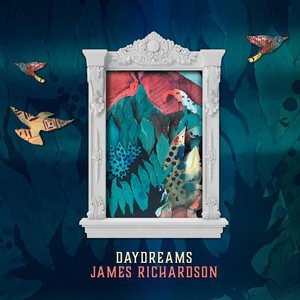
James Richardson – Laura
“Удивительная джазовая композиция, которая погружает слушателя в мир романтики, эмоций и теплоты. Завораживающее звуковое зрелище с нежными, мягкими аккордами создаёт атмосферу уюта. Здесь нет ярких и выпуклых мелодий, есть только нежность и красота. Это идеальная музыка для того, чтобы расслабиться и погрузиться в свои мысли.”
“An amazing jazz composition that immerses the listener into the world of romance, emotions and warmth. The bewitching sound sight with delicate, soft chords creates a comfort atmosphere. There are no bright and convex melodies, there are only tenderness and beauty. This is the perfect music in order to relax and plunge into your thoughts.” *
“Μια εκπληκτική σύνθεση τζαζ που βυθίζει τον ακροατή στον κόσμο του ρομαντισμού, των συναισθημάτων και της ζεστασιάς. Το μαγευτικό ηχητικό θέαμα με λεπτές, μαλακές χορδές δημιουργεί μια ατμόσφαιρα άνεσης. Δεν υπάρχουν φωτεινές και κυρτές μελωδίες, υπάρχουν μόνο τρυφερότητα και ομορφιά. Αυτή είναι η τέλεια μουσική για να χαλαρώσετε και να βυθίσετε τις σκέψεις σας.” *
-Nagamag.com
The song “James Richardson – Laura” is released by Songs by James, LLC
Song Sources for “James Richardson – Laura”:
Spotify: https://open.spotify.com/track/3E624LqgvbMTFTaZnQ9bfI
Youtube: https://www.youtube.com/watch?v=5YafU515Oic
Apple Music: https://music.apple.com/us/album/laura/1683259803?i=1683259811
Deezer: https://www.deezer.com/track/2244739357

Yuphoric – Almighty Goyde
“Amazing jam session that takes us directly to the heart of jazz and it wonderful atmosphere. Vintage soul of the song is the foundation for its elegant themes and elegies. Shimmering collision of glam attitude, and brilliant guitar and trumpet playing.”
“Καταπληκτική συνεδρία μαρμελάδας που μας οδηγεί απευθείας στην καρδιά της τζαζ και της υπέροχης ατμόσφαιρας. Το Vintage Soul του τραγουδιού είναι το θεμέλιο για τα κομψά θέματα και τις ελιγίες του. Η λαμπερή σύγκρουση της στάσης Glam και η λαμπρή κιθάρα και η τρομπέτα παίζουν.” *
“Erstaunliche Jam -Session, die uns direkt ins Herz des Jazz führt, und es wundervolle Atmosphäre. Vintage Soul of the Song ist die Grundlage für seine eleganten Themen und Elegien. Schimmernde Kollision der glamourösen Haltung und brillantes Gitarre und Trompete spielen.” *
-Nagamag.com
Song Sources for “Yuphoric – Almighty Goyde”:
Spotify: https://open.spotify.com/track/03ca7SDdAqZl6u8BMMDlqu
Youtube: https://www.youtube.com/watch?v=3NE1MQVedM8
Latest Jazz discoveries
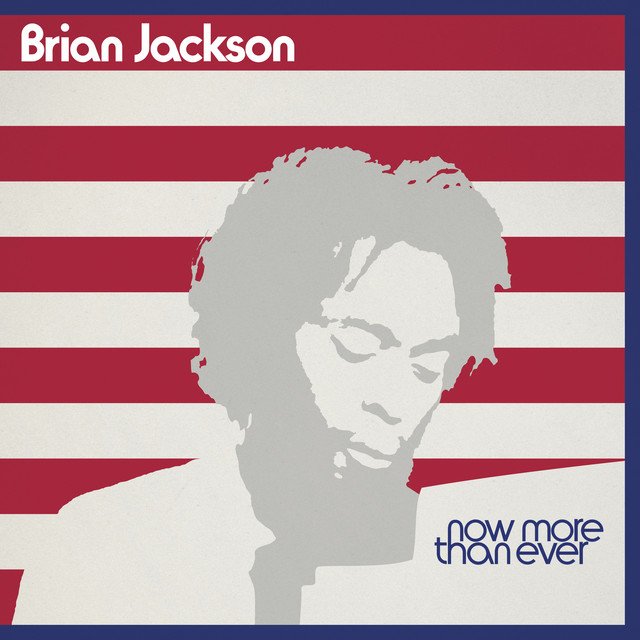
Brian Jackson x Moodymann – Brian Jackson – We Almost Lost Detroit feat Moodymann | Jazz Review
Brian Jackson and Moodymann reshape We Almost Lost Detroit” into something both deeply intimate and quietly transcendent. Th... >>> Read full review & listen to the song on Nagamag #jazz #spokenword #brianjacksonxmoodymann #brianjacksonxmoodymann #unitedstates #singapore #nagamag #musicmagazine #musicreview #review

Single Review: Tom Petrone – Chill of the Night – Oceanway Sessions | Review
On Chill of the Night – Oceanway Sessions,” Tom Petrone avoids chasing intensity; instead, he lets it smolder quietly beneat... >>> Read full review & listen to the song on Nagamag #nujazz #jazztronica #tompetrone #unitedstates #nagamag #musicmagazine #musicreview #review
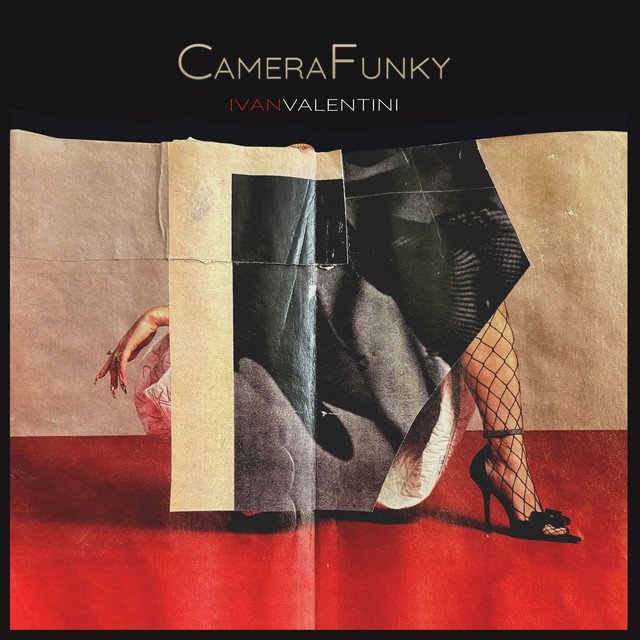
“Fu-Gu” by Ivan Valentini | Jazz Review
On Fu-Gu,” Ivan Valentini leans fully into exuberance, crafting a groove that feels less like a composition and more like an... >>> Read full review & listen to the song on Nagamag #funk #ivanvalentini #italy #nagamag #musicmagazine #musicreview #review
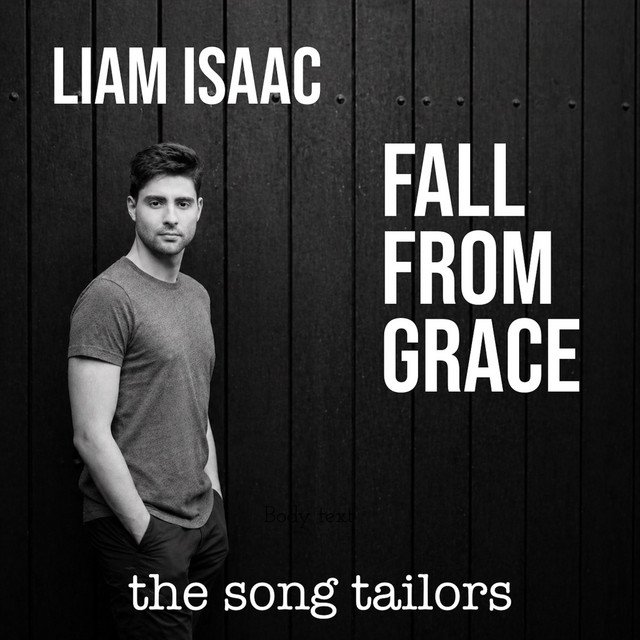
Track Review: The Song Tailors – Fall from Grace | Jazz
On Fall from Grace,” The Song Tailors and Liam Isaac weave a refined atmosphere that balances melancholy with romantic relea... >>> Read full review & listen to the song on Nagamag #jazz #adultcontemporary #thesongtailors #australia #nagamag #musicmagazine #musicreview #review
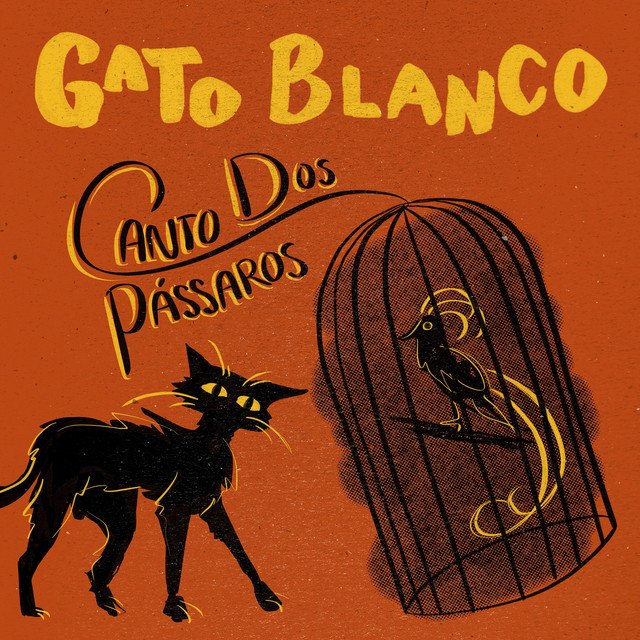
Gato Blanco – Canto Dos Pássaros | Essential Jazz Review
In Canto Dos Pássaros,” Gato Blanco crafts a melody that feels both refined and intoxicatingly carefree, balancing elegance ... >>> Read full review & listen to the song on Nagamag #jazz #brazilianjazz #gatoblanco #unitedstates #nagamag #musicmagazine #musicreview #review
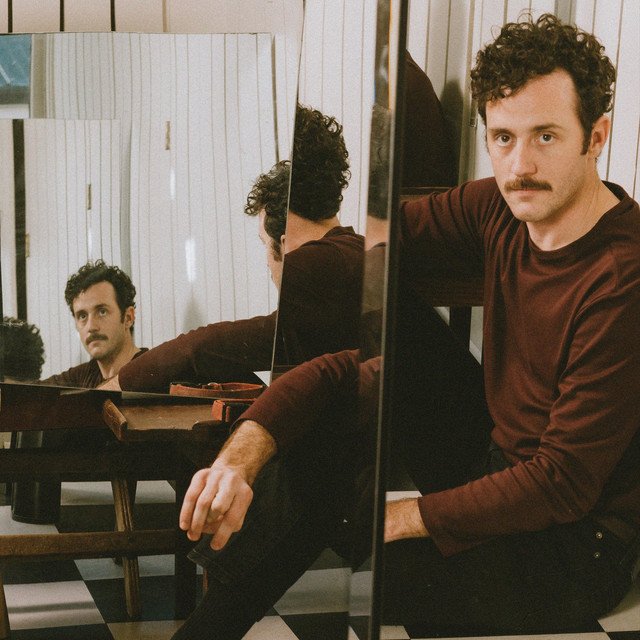
Song Review: “(That’s Not) The Way That You Love” by Dave Endlessly | A Rock by Nagamag.com, Jazz Discovery
In (That’s Not) The Way That You Love,” Dave Endlessly embraces buoyancy without slipping into cliché, delivering a melody t... >>> Read full review & listen to the song on Nagamag #indiefolk #singersongwriter #daveendlessly #unitedstates #nagamag #musicmagazine #musicreview #review
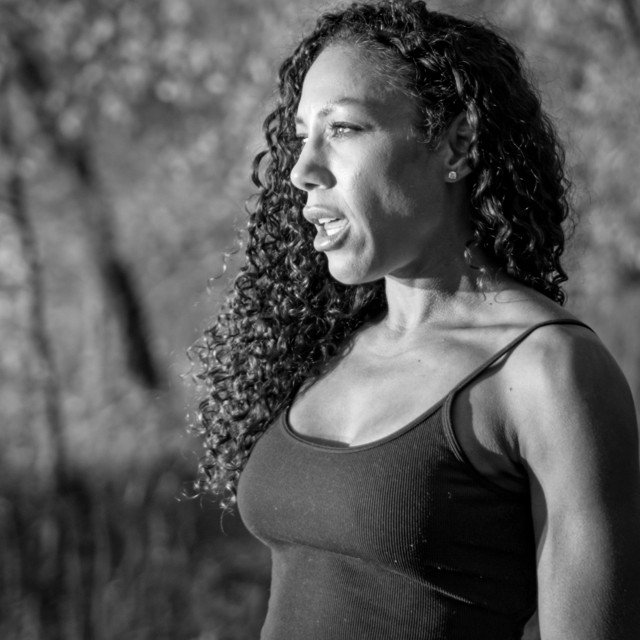
Release Review: Riley & The Urban Revival – Love in North Loop | Jazz Music
Love in North Loop by Riley & The Urban Revival arrives with a joyful, optimistic energy that brings a sense of entertainment... >>> Read full review & listen to the song on Nagamag #blues #adultcontemporary #riley #theurbanrevival #unitedstates #nagamag #musicmagazine #musicreview #review
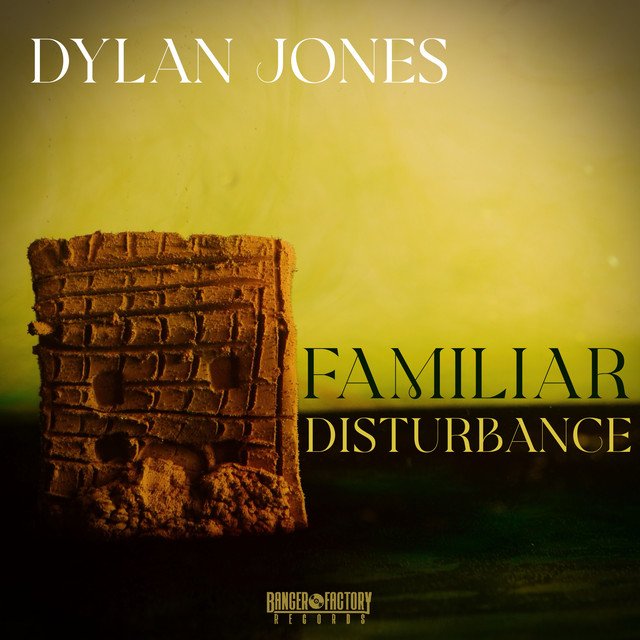
Single Review: Dylan Jones – Familiar Disturbance | Review
Familiar Disturbance by Dylan Jones moves with an underlying tension that never aims for explosive release, but instead slowl... >>> Read full review & listen to the song on Nagamag #nujazz #jazztronica #dylanjones #unitedkingdom #nagamag #musicmagazine #musicreview #review
Jazz Review: “June February” by Sue Cahill
June February by Sue Cahill drifts with an almost dreamlike delicacy, allowing its vocals to become the center of an atmosphe... >>> Read full review & listen to the song on Nagamag #jazz #suecahill #unitedstates #nagamag #musicmagazine #musicreview #review
Some Jazz subgenres
There are many subgenres of jazz, and the boundaries between them can be somewhat fluid. Here are a few of the most common subgenres of jazz:
Dixieland jazz: Also known as “traditional” or “New Orleans” jazz, this style is characterized by its use of collective improvisation and a strong rhythm section, featuring instruments such as the trumpet, trombone, and clarinet.
Swing: This style emerged in the 1930s and 1940s and is characterized by its use of a swinging rhythm and big band instrumentation. It was popularized by bands led by musicians such as Duke Ellington and Benny Goodman.
Bebop: This style emerged in the 1940s and is characterized by its fast tempo, complex chord progressions, and extensive use of improvisation. It was popularized by musicians such as Charlie Parker and Dizzy Gillespie.
Cool jazz: This style emerged in the 1950s and is characterized by its use of complex harmonies and a laid-back, relaxed approach to rhythm. It was popularized by musicians such as Miles Davis and Dave Brubeck.
Fusion: This style emerged in the 1970s and is characterized by its incorporation of elements from other genres of music, such as rock, funk, and world music. It was popularized by musicians such as John McLaughlin and Chick Corea.
Smooth jazz: This style emerged in the 1980s and is characterized by its use of electronic instrumentation and a focus on melody and groove. It was popularized by musicians such as George Benson and Grover Washington Jr.
Hard bop: This style emerged in the 1950s and is characterized by its use of blues and gospel influences and its incorporation of elements from bebop and swing. It was popularized by musicians such as Horace Silver and Art Blakey.
Free jazz: This style emerged in the 1960s and is characterized by its use of extended improvisation and a lack of strict chord progressions or other formal structures. It was popularized by musicians such as Ornette Coleman and John Coltrane.
Latin jazz: This style is characterized by its incorporation of Latin American rhythms and melodies, as well as its use of percussion instruments such as congas, timbales, and bongos. It was popularized by musicians such as Tito Puente and Cal Tjader.
Acid jazz: This style emerged in the 1980s and is characterized by its incorporation of elements from funk, soul, and hip hop, as well as its use of electronic instrumentation. It was popularized by musicians such as Brand New Heavies and Jamiroquai.
Jazz-rock: This style emerged in the 1970s and is characterized by its incorporation of elements from rock music and its use of electric instruments. It was popularized by musicians such as Mahavishnu Orchestra and Weather Report.
Jazz-funk: This style is characterized by its incorporation of elements from funk music and its use of electric instruments and groove-based rhythms. It was popularized by musicians such as James Brown and George Clinton.
As with any genre of music, these subgenres are just a few of the many that exist within the broader category of jazz. There are many other styles and variations within jazz.
The most used instruments in Jazz Music
There are many different instruments that are commonly used in jazz music, and the specific instruments used can vary depending on the style and context of the music. Here are a few of the most common instruments used in jazz:
Piano: The piano is a common instrument in jazz music and is often used to provide the harmonic foundation for the music. Jazz pianists may use a range of techniques, including comping (providing chordal accompaniment), soloing (performing a melodic solo), and improvising (creating music spontaneously).
Drums: The drums are an important part of the rhythm section in jazz music and are often used to create a swinging or groove-based feel. Jazz drummers may use a range of techniques, including various stick and cymbal patterns, to create complex rhythms and interactive interactions with other musicians.
Bass: The bass is another important part of the rhythm section in jazz music and is often used to provide the foundation for the music. Jazz bassists may use a range of techniques, including walking bass lines (a repeating pattern of notes played over the chord progression of a song) and soloing, to create a strong rhythmic and melodic foundation for the music.
Guitar: The guitar is often used in jazz music and can play a variety of roles, from providing chordal accompaniment to soloing. Jazz guitarists may use a range of techniques, including chord voicings (arrangements of notes in a chord), arpeggios (broken chords played one note at a time), and improvisation, to create complex and interesting musical textures.
Saxophone: The saxophone is a common instrument in jazz music and is often used to play melodies and improvise solos. Jazz saxophonists may use a range of techniques, including alternate fingerings, multiphonics (playing more than one pitch at a time), and circular breathing (a technique for continuous blowing), to create a wide range of sounds and textures.
Vocals: Vocals are often used in jazz music, and many jazz singers have made significant contributions to the genre. Jazz vocals can take many forms, ranging from scat singing (improvised vocalizations using nonsense syllables) to more traditional vocal styles such as singing with lyrics. Some famous jazz singers include Billie Holiday, Ella Fitzgerald, and Louis Armstrong, all of whom are known for their unique vocal styles and ability to improvise.
In addition to traditional vocals, many jazz musicians also use electronic effects and processing to manipulate their voices, creating a wide range of sounds and textures. Some jazz musicians, such as Bobby McFerrin and Gregory Porter, have made significant contributions to the genre using only their voices, without any accompanying instruments.
In jazz music, lyrics are often used in the same way as in other genres of music, to express emotions, tell a story, or convey a message. However, jazz lyrics may also be used to create a structure for improvisation or to provide a basis for scat singing, which is a form of vocal improvisation in which the singer uses nonsense syllables instead of actual words.
Jazz lyrics may also be more abstract and poetic than lyrics in other genres of music, and may use figurative language or symbolism to convey meaning. Jazz lyrics often reflect the social and cultural contexts in which the music was created, and may address themes such as love, loss, hope, and social or political issues.
Overall, vocals and the meaning of lyrics in jazz music depends on the context in which they are used and the intentions of the songwriter. They can be used to express emotions, tell a story, convey a message, or provide a structure for the music to follow.