
Neoclassical Music ⁞ New Releases⁞ Artist Interviews⁞ Music News
Introduction of Neoclassical Music
Neoclassical music is a style of classical music that is characterized by its use of traditional forms and styles, as well as a focus on structure and balance. It is often seen as a reaction against the romantic style of music, which was characterized by emotion and passion, and was influenced by the ideas of the Enlightenment, which valued reason and classical learning.
Some of the key features of neoclassical music include the use of traditional forms such as sonata form, the use of clear and concise melodies, and the incorporation of elements of folk music and popular music. Neoclassical music also often featured a return to tonality, which is the use of a specific key or tonal center in a piece of music.
The neoclassical style has had a lasting influence on classical music, and it continues to be an important part of the classical repertoire
Favorite Neoclassical Music on Spotify
Favorite Neoclassical Videos on Youtube
Recent Neoclassical Interviews
Neoclassical Features

Samuel Subrt – Leaf | Neoclassical music review
“Melancholic and very emotional atmosphere, perfectly capturing its title. Beautiful and playful dynamic of the composition is accompanied with perfect arrangement that fully evoke this piano piece and the imagination it is creating so vividly while listening. ”
-Nagamag.com
Expand to read review translations *
“Μελαγχολική και πολύ συναισθηματική ατμόσφαιρα, αποτυπώνοντας τέλεια τον τίτλο του. Η όμορφη και παιχνιδιάρικη δυναμική της σύνθεσης συνοδεύεται από τέλεια διασκευή που ξυπνούν πλήρως αυτό το κομμάτι για πιάνο και τη φαντασία που δημιουργεί τόσο έντονα ακούγοντας.”
-Nagamag.com
“Ambiente melancólico y muy emotivo, captando a la perfección su título. La hermosa y divertida dinámica de la composición se acompaña de un arreglo perfecto que evoca plenamente esta pieza para piano y la imaginación que crea tan vívidamente mientras se escucha.”
-Nagamag.com
The original review of “Samuel Subrt – Leaf” is written in the native language that is spoken by the dedicated, for this song, Nagamag’s Neoclassical reviewer and followed by two translations*, of which the one depends from the country of origin of the artist “Samuel Subrt” (Czechia) and the other one is translated to a different language than original review and the country of origin of the artist.
* Automatically Translated
Nagamag unveils the mesmerizing composition “Leaf”, an extraordinary creation of harmony and creativity that “Samuel Subrt” offered to all of us. A Neoclassical song, which evoked an emotional voyage to our curator that desired to write down a unique review for “Samuel Subrt – Leaf”. What also sets this song among the featured choices of Nagamag is the way that “Leaf” is enriched with Piano characteristics. “Samuel Subrt – Leaf” is a rich music creation that deserves to be listened to again and again. Nagamag is honored to share this detailed music review by one of our experienced reviewers for Neoclassical music compositions. As always, Nagamag keeps up evaluating Neoclassical songs from across the globe, ensuring that all Neoclassical enthusiasts around the world have access to these auditory treasures .
Neoclassical home page where “Samuel Subrt – Leaf” is hosted on Nagamag Music Magazine
Nagamag takes pride in supporting Neoclassical artists like “Samuel Subrt”, providing music reviews and music discoveries like “Leaf”.
This music post about song “Leaf” by “Samuel Subrt” is hosted in Neoclassical page on Nagamag.
There you can find similar Neoclassical artists to “Samuel Subrt” and more Neoclassical, Piano songs like “Leaf” that have been carefully selected by Nagamag’s Neoclassical experienced curators and reviewed by Nagamag’s Neoclassical dedicated reviewers.
Learn everything about Neoclassical on Wikipedia
If you enjoyed “Samuel Subrt – Leaf” but you have never listened before to any other Neoclassical song or you are interested in learning more about Neoclassical music gerne then click here to visit Neoclassical music page on Wikipedia.
Neoclassical music refers to a distinct style with common characteristics. Each genre carries its unique sound, instruments, and cultural influences. For a deeper understanding of Neoclassical music, Wikipedia provides comprehensive insights into its history, notable artists, and iconic works. Delve into the diverse and dynamic world of Neoclassical music through this valuable resource, broadening your knowledge around Neoclassical genre.

yannick Fortin – Longue Marche entre les dunes | Neoclassical music review
“Χιλιάδες συναισθήματα ζωντανεύουν και παίρνουν μορφή μέσα από αυτή την εκπληκτική μελωδία. Με μια νοσταλγική θλίψη μας παρασύρει η επιβλητική της όψη και σαν να ζούμε κάτι δραματικό απεγκλωβιζόμαστε από την πραγματικότητα μας. Ο ρυθμός επιδέξια και σταδιακά μας βάζει στο παιχνίδι και γινόμαστε οι ήρωες αυτού του απρόσμενου δράματος.”
-Nagamag.com
Expand to read review translations *
“Thousands of emotions come to life and take shape through this amazing melody. With a nostalgic sadness we are seduced by its imposing appearance and as if we are experiencing something dramatic we are released from our reality. The rhythm skillfully and gradually puts us in the game and we become the heroes of this unexpected drama.”
-Nagamag.com
“Des milliers d’émotions prennent vie et prennent forme à travers cette mélodie étonnante. Avec une tristesse nostalgique nous sommes séduits par son aspect imposant et comme si nous vivions quelque chose de dramatique nous sommes libérés de notre réalité. Le rythme nous met habilement et progressivement dans le jeu et nous devenons les héros de ce drame inattendu.”
-Nagamag.com
The original review of “yannick Fortin – Longue Marche entre les dunes” is written in the native language that is spoken by the dedicated, for this song, Nagamag’s Neoclassical reviewer and followed by two translations*, of which the one depends from the country of origin of the artist “yannick Fortin” (France) and the other one is translated to a different language than original review and the country of origin of the artist.
* Automatically Translated
Nagamag unveils the mesmerizing composition “Longue Marche entre les dunes”, an extraordinary creation of harmony and creativity that “yannick Fortin” offered to all of us. A Neoclassical song, which evoked an emotional voyage to our curator that desired to write down a unique review for “yannick Fortin – Longue Marche entre les dunes”. What also sets this song among the featured choices of Nagamag is the way that “Longue Marche entre les dunes” is enriched with Cinematic characteristics. “yannick Fortin – Longue Marche entre les dunes” is a rich music creation that deserves to be listened to again and again. Nagamag is honored to share this detailed music review by one of our experienced reviewers for Neoclassical music compositions. As always, Nagamag keeps up evaluating Neoclassical songs from across the globe, ensuring that all Neoclassical enthusiasts around the world have access to these auditory treasures .
Neoclassical home page where “yannick Fortin – Longue Marche entre les dunes” is hosted on Nagamag Music Magazine
Nagamag takes pride in supporting Neoclassical artists like “yannick Fortin”, providing music reviews and music discoveries like “Longue Marche entre les dunes”.
This music post about song “Longue Marche entre les dunes” by “yannick Fortin” is hosted in Neoclassical page on Nagamag.
There you can find similar Neoclassical artists to “yannick Fortin” and more Neoclassical, Cinematic songs like “Longue Marche entre les dunes” that have been carefully selected by Nagamag’s Neoclassical experienced curators and reviewed by Nagamag’s Neoclassical dedicated reviewers.
Learn everything about Neoclassical on Wikipedia
If you enjoyed “yannick Fortin – Longue Marche entre les dunes” but you have never listened before to any other Neoclassical song or you are interested in learning more about Neoclassical music gerne then click here to visit Neoclassical music page on Wikipedia.
Neoclassical music refers to a distinct style with common characteristics. Each genre carries its unique sound, instruments, and cultural influences. For a deeper understanding of Neoclassical music, Wikipedia provides comprehensive insights into its history, notable artists, and iconic works. Delve into the diverse and dynamic world of Neoclassical music through this valuable resource, broadening your knowledge around Neoclassical genre.
Latest Neoclassical discoveries

Karen Salicath – ANGEL JOFIEL (THE ANGEL OF ILLUMINATION)
Ethereal melodies of a gentle piano themes in this enchanting and soothing composition are so blissful. Its harmonic piano st... >>> Read full review & listen to the song on Nagamag #piano #nagamag #musicmagazine #musicreview #review
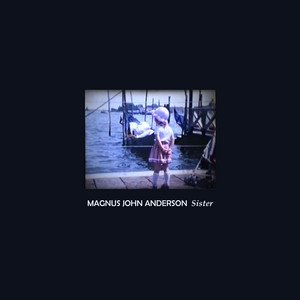
Sister – Magnus John Anderson
Magnus John Anderson unfolds his creativity in a uniquely artistic single, made for sensitive ears. Discover a smooth combina... >>> Read full review & listen to the song on Nagamag #neo #modernclassical #ambient #magnusjohnanderson #sweden #nagamag #musicmagazine #musicreview #review

Ithaki – Yann Keerim
Serene world of ethereal melodies of this gentle piano themes is really enchanting. Its harmonic piano structure brings depth... >>> Read full review & listen to the song on Nagamag #piano #nagamag #musicmagazine #musicreview #review
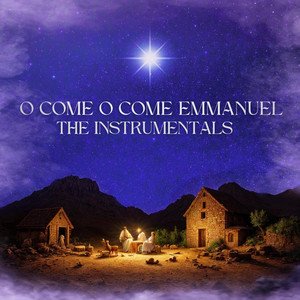
O Come O Come Emmanuel (The Instrumentals) – Rachael Mann
Mesmerizing and melancholic mood that keeps gaining momentum as this piece progresses. With every instrument and the themes, ... >>> Read full review & listen to the song on Nagamag #cinematic #epicmusic #holidaymusic #rachaelmann #unitedstates #nagamag #musicmagazine #musicreview #review

Window – Alberto Fiori
Mesmerizing and incredibly calming atmosphere of this piano beauty engage deeply within first notes. Harmonic structure and c... >>> Read full review & listen to the song on Nagamag #neo #modernclassical #solopiano #albertofiori #italy #nagamag #musicmagazine #musicreview #review

Old Sleep Singer – Icarus Phoenix
Really loveable, song feels much deeper and strikes a chord instantly. Its positive vibe and beautiful atmosphere is just mes... >>> Read full review & listen to the song on Nagamag #indierock #indiepop #folkpop #icarusphoenix #unitedstates #nagamag #musicmagazine #musicreview #review

Swan Shaped Kite – Per Störby Jutbring
Ethereal melodies and gentle textures with this enchanting and soothing composition. Its harmonic structure brings depth of e... >>> Read full review & listen to the song on Nagamag #neo #modernclassical #ambient #perstörbyjutbring #sweden #nagamag #musicmagazine #musicreview #review

Loiste – A. Blomqvist
Mesmerizing and incredibly calming atmosphere of this piano beauty engage deeply within first notes. Harmonic structure and c... >>> Read full review & listen to the song on Nagamag #neo #modernclassical #solopiano #ablomqvist #finland #nagamag #musicmagazine #musicreview #review

Living Hope – Chris Thaler
Mesmerizing and incredibly calming atmosphere of this piano beauty engage deeply within first notes. Harmonic structure and c... >>> Read full review & listen to the song on Nagamag #neo #modernclassical #christhaler #switzerland #nagamag #musicmagazine #musicreview #review
Difference between Classical and Neoclassical Music
Classical music refers to a broad range of music written in the classical tradition, which encompasses a wide range of styles and forms. It is generally characterized by its formal structure and its use of traditional instruments and ensemble configurations.
Neoclassicism is a style of music that refers to the revival and use of classical forms and styles in music, particularly in the 18th and early 19th centuries. It is characterized by its use of clear, concise forms and a focus on structure and balance. Neoclassicism was a reaction against the romantic style of music, which was characterized by emotion and passion, and was influenced by the ideas of the Enlightenment, which valued reason and classical learning.
Some of the key differences between classical and neoclassical music include:
Time period: Classical music refers to music written during the classical period (1730-1820), while neoclassicism refers to music written after the classical period that incorporates elements of classical forms and styles.
Emphasis on structure: Classical music is known for its formal structure and the use of traditional forms such as the sonata and the symphony. Neoclassical music also places a strong emphasis on structure, but may also incorporate elements of popular music and folk music.
Emphasis on emotion: Classical music is often more reserved and formal in its emotional expression, while neoclassicism tends to be more emotional and expressive.
Use of tonality: Both classical and neoclassical music use tonality, but neoclassicism often incorporates a wider range of tonal structures and may experiment with atonality.
Use of traditional instruments: Both classical and neoclassical music use traditional classical instruments such as strings, woodwinds, brass, and percussion. However, neoclassicism may also incorporate elements of popular music and folk music, and may use a wider range of instruments.
Overall, the main difference between classical and neoclassical music is the time period in which the music was written, and the specific techniques and styles used by the composer. Classical music is generally more formal and reserved in its expression, while neoclassicism tends to be more expressive and may incorporate elements of popular music and folk music.
The most used instruments in Neoclassical Music
In neoclassical music, the most common instruments used are those found in the classical orchestra, including:
Strings: Violin, viola, cello, double bass
Woodwinds: Flute, oboe, clarinet, bassoon
Brass: Trumpet, French horn, trombone, tuba
Percussion: Timpani, snare drum, bass drum, cymbals, xylophone, marimba, triangle
Keyboard: Piano, harpsichord
These instruments are often used to create a wide range of textures and sounds, and are featured in many different types of classical music, including neoclassical music. In addition to these instruments, many composers also incorporate elements of popular music and folk music into their compositions, and may use a variety of other instruments such as guitars, bass, drums, and synthesizers.
It’s also worth noting that many composers and performers of neoclassical music are skilled in a variety of different instruments, and may switch between different instruments in order to achieve the desired sound and texture.
Vocals are sometimes used in neoclassical music, although they are not as common as instrumental music. When vocals are used in neoclassical music, they are typically performed by trained classical singers who have the ability to sing with precise pitch and control.
One common use of vocals in neoclassical music is in operatic compositions, where singers perform arias and recitatives in a style that is similar to traditional opera. Neoclassical opera is a subgenre of classical music that combines elements of traditional opera with elements of neoclassicism, and often incorporates elements of popular music and folk music.
In addition to operatic vocals, vocals may also be used in other forms of neoclassical music, such as choral music or vocal chamber music. Some composers may also incorporate elements of popular music or folk music into their compositions, and may use vocals in a more modern or experimental style.
It’s worth noting that the use of vocals in neoclassical music is highly dependent on the individual composer and the specific piece of music, and not all neoclassical compositions will feature vocals.