
Neoclassical Music ⁞ New Releases⁞ Artist Interviews⁞ Music News
Introduction of Neoclassical Music
Neoclassical music is a style of classical music that is characterized by its use of traditional forms and styles, as well as a focus on structure and balance. It is often seen as a reaction against the romantic style of music, which was characterized by emotion and passion, and was influenced by the ideas of the Enlightenment, which valued reason and classical learning.
Some of the key features of neoclassical music include the use of traditional forms such as sonata form, the use of clear and concise melodies, and the incorporation of elements of folk music and popular music. Neoclassical music also often featured a return to tonality, which is the use of a specific key or tonal center in a piece of music.
The neoclassical style has had a lasting influence on classical music, and it continues to be an important part of the classical repertoire
Favorite Neoclassical Music on Spotify
Favorite Neoclassical Videos on Youtube
Recent Neoclassical Interviews
Neoclassical Features
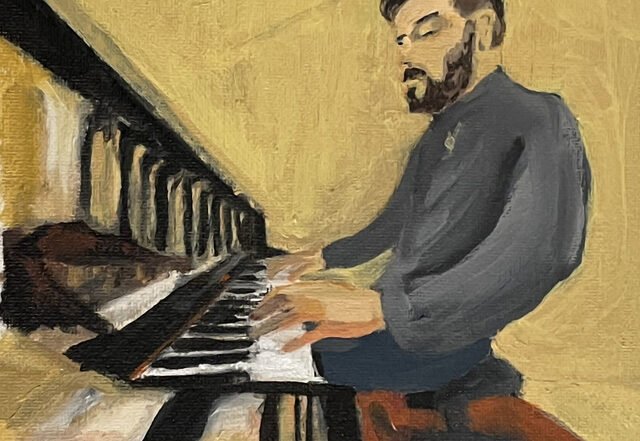
Charly Fez – Sanpo | Neoclassical music review
“Музыкальные фразы переплетаются и сливаются вместе, создавая прекрасную гармонию и баланс внутреннего покоя. Композиция отличается от других фортепианных работ своей уникальной атмосферой, которая провоцирует нас на размышления и воспоминания, а также даёт нам возможность остановиться и насладиться моментом.”
-Nagamag.com
Expand to read review translations *
“Musical phrases intertwine and merge together, creating beautiful harmony and balance of inner peace. The composition differs from other piano works because of its unique atmosphere, which provokes us to think and remember, and also gives us the opportunity to stop and enjoy the moment.”
-Nagamag.com
“Les phrases musicales s’entrelacent et fusionnent, créant une belle harmonie et un équilibre de paix intérieure. La composition se distingue des autres œuvres pour piano par son atmosphère unique, qui nous incite à réfléchir et à nous souvenir, et nous donne également l’occasion de nous arrêter et de profiter du moment présent.”
-Nagamag.com
The original review of “Charly Fez – Sanpo” is written in the native language that is spoken by the dedicated, for this song, Nagamag’s Neoclassical reviewer and followed by two translations*, of which the one depends from the country of origin of the artist “Charly Fez” (France) and the other one is translated to a different language than original review and the country of origin of the artist.
* Automatically Translated
Nagamag unveils the mesmerizing composition “Sanpo”, an extraordinary creation of harmony and creativity that “Charly Fez” offered to all of us. A Neoclassical song, which evoked an emotional voyage to our curator that desired to write down a unique review for “Charly Fez – Sanpo”. What also sets this song among the featured choices of Nagamag is the way that “Sanpo” is enriched with Piano characteristics. “Charly Fez – Sanpo” is a rich music creation that deserves to be listened to again and again. Nagamag is honored to share this detailed music review by one of our experienced reviewers for Neoclassical music compositions. As always, Nagamag keeps up evaluating Neoclassical songs from across the globe, ensuring that all Neoclassical enthusiasts around the world have access to these auditory treasures .
Neoclassical home page where “Charly Fez – Sanpo” is hosted on Nagamag Music Magazine
Nagamag takes pride in supporting Neoclassical artists like “Charly Fez”, providing music reviews and music discoveries like “Sanpo”.
This music post about song “Sanpo” by “Charly Fez” is hosted in Neoclassical page on Nagamag.
There you can find similar Neoclassical artists to “Charly Fez” and more Neoclassical, Piano songs like “Sanpo” that have been carefully selected by Nagamag’s Neoclassical experienced curators and reviewed by Nagamag’s Neoclassical dedicated reviewers.
Learn everything about Neoclassical on Wikipedia
If you enjoyed “Charly Fez – Sanpo” but you have never listened before to any other Neoclassical song or you are interested in learning more about Neoclassical music gerne then click here to visit Neoclassical music page on Wikipedia.
Neoclassical music refers to a distinct style with common characteristics. Each genre carries its unique sound, instruments, and cultural influences. For a deeper understanding of Neoclassical music, Wikipedia provides comprehensive insights into its history, notable artists, and iconic works. Delve into the diverse and dynamic world of Neoclassical music through this valuable resource, broadening your knowledge around Neoclassical genre.

Preston Peak – Lost in Space | Neoclassical music review
“Композиция исполненная на пиано яркий пример того, как простая, но очень глубокая по своей сути музыка может сливаться воедино с окружающим миром, создавая уникальное звучание, способное завоевать внимание слушателей любого возраста. Эта композиция идеально подходит как для фонового прослушивания, так и для более внимательного восприятия, погружая слушателя в мир умиротворения и вдохновения.”
-Nagamag.com
Expand to read review translations *
“The composition performed on the piano is a vivid example of how simple, but very deep music in its essence can merge with the surrounding world, creating a unique sound that can win the attention of listeners of any age. This composition is ideal for both background listening and for more attentive perception, immersing the listener in a world of peace and inspiration.”
-Nagamag.com
“Η σύνθεση που εκτελείται στο πιάνο είναι ένα ζωντανό παράδειγμα του πόσο απλή, αλλά πολύ βαθιά μουσική στην ουσία της μπορεί να συγχωνευθεί με τον περιβάλλοντα κόσμο, δημιουργώντας έναν μοναδικό ήχο που μπορεί να κερδίσει την προσοχή των ακροατών κάθε ηλικίας. Αυτή η σύνθεση είναι ιδανική τόσο για ακρόαση στο παρασκήνιο όσο και για πιο προσεκτική αντίληψη, βυθίζοντας τον ακροατή σε έναν κόσμο γαλήνης και έμπνευσης.”
-Nagamag.com
The original review of “Preston Peak – Lost in Space” is written in the native language that is spoken by the dedicated, for this song, Nagamag’s Neoclassical reviewer and followed by two translations*, of which the one depends from the country of origin of the artist “Preston Peak” (United States) and the other one is translated to a different language than original review and the country of origin of the artist.
* Automatically Translated
Nagamag unveils the mesmerizing composition “Lost in Space”, an extraordinary creation of harmony and creativity that “Preston Peak” offered to all of us. A Neoclassical song, which evoked an emotional voyage to our curator that desired to write down a unique review for “Preston Peak – Lost in Space”. What also sets this song among the featured choices of Nagamag is the way that “Lost in Space” is enriched with Piano characteristics. “Preston Peak – Lost in Space” is a rich music creation that deserves to be listened to again and again. Nagamag is honored to share this detailed music review by one of our experienced reviewers for Neoclassical music compositions. As always, Nagamag keeps up evaluating Neoclassical songs from across the globe, ensuring that all Neoclassical enthusiasts around the world have access to these auditory treasures .
Additional information/sources for Preston Peak – Lost in Space
Lost in Space’ is a calm, ethereal, but sad piece, emphasizing the vast loneliness that one may feel when they are ‘Lost in Space’.
Neoclassical home page where “Preston Peak – Lost in Space” is hosted on Nagamag Music Magazine
Nagamag takes pride in supporting Neoclassical artists like “Preston Peak”, providing music reviews and music discoveries like “Lost in Space”.
This music post about song “Lost in Space” by “Preston Peak” is hosted in Neoclassical page on Nagamag.
There you can find similar Neoclassical artists to “Preston Peak” and more Neoclassical, Piano songs like “Lost in Space” that have been carefully selected by Nagamag’s Neoclassical experienced curators and reviewed by Nagamag’s Neoclassical dedicated reviewers.
Learn everything about Neoclassical on Wikipedia
If you enjoyed “Preston Peak – Lost in Space” but you have never listened before to any other Neoclassical song or you are interested in learning more about Neoclassical music gerne then click here to visit Neoclassical music page on Wikipedia.
Neoclassical music refers to a distinct style with common characteristics. Each genre carries its unique sound, instruments, and cultural influences. For a deeper understanding of Neoclassical music, Wikipedia provides comprehensive insights into its history, notable artists, and iconic works. Delve into the diverse and dynamic world of Neoclassical music through this valuable resource, broadening your knowledge around Neoclassical genre.
Latest Neoclassical discoveries
Usui – Hideyuki Hashimoto
Mesmerizing and incredibly calming atmosphere of this piano beauty engage deeply within first notes. Harmonic structure and c... >>> Read full review & listen to the song on Nagamag #neo #modernclassical #hideyukihashimoto #japan #nagamag #musicmagazine #musicreview #review

Promise of Love – Angelo Nicola Giuliano
Mesmerizing and incredibly calming atmosphere of this piano beauty engage deeply within first notes. Harmonic structure and c... >>> Read full review & listen to the song on Nagamag #piano #nagamag #musicmagazine #musicreview #review
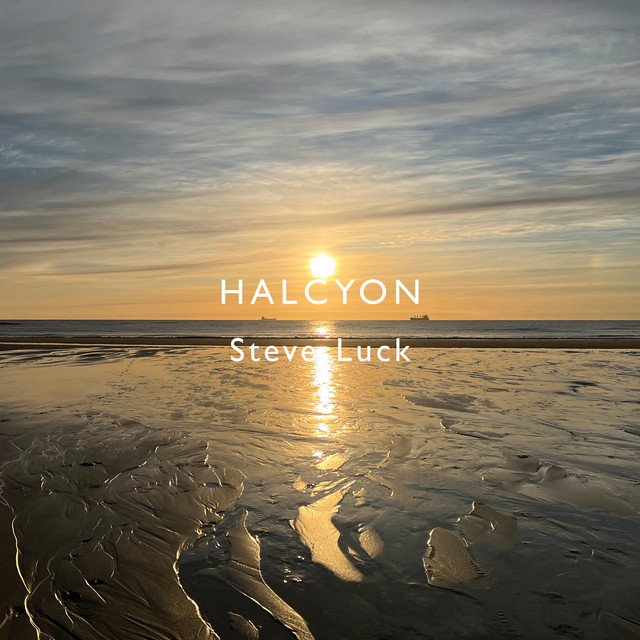
Halcyon – Steve Luck
Mesmerizing and incredibly calming atmosphere of this piano beauty engage deeply within first notes. Harmonic structure and c... >>> Read full review & listen to the song on Nagamag #neo #modernclassical #solopiano #steveluck #unitedkingdom #nagamag #musicmagazine #musicreview #review

Pohjola – A. Blomqvist
Погружаясь в эту неоклассическую композицию, мы находим не только драматическую музыку, но и волнующую ностальгию. Мелодия на... >>> Read full review & listen to the song on Nagamag #neo #modernclassical #cinematic #epicmusic #ablomqvist #finland #nagamag #musicmagazine #musicreview #review
Late Afternoon – Johan van der Voet
Изысканная фортепианная композиция в исполнении -Johan van der Voet-, которая погружает в свою умиротворенную атмосферу. Эта ... >>> Read full review & listen to the song on Nagamag #neo #modernclassical #crossoverclassical #johanvandervoet #netherlands #nagamag #musicmagazine #musicreview #review

Je pense à vous (Générique début) – Alexei Aigui
Serene and very beautiful ethereal melodies and gentle textures with this enchanting and soothing composition. Its harmonic s... >>> Read full review & listen to the song on Nagamag #neo #modernclassical #cinematic #epicmusic #alexeiaigui #france #nagamag #musicmagazine #musicreview #review

The Silicon Island: Clash – OHNomad
Η απαλή και ήρεμη μελωδία σε μαγεύει και σε οδηγεί σε μια γοητευτική περιπλάνηση πέρα από τα συνηθισμένα. Ο ορίζοντας ανοίγετ... >>> Read full review & listen to the song on Nagamag #cinematic #epicmusic #traditionalclassical #ohnomad #unitedstates #nagamag #musicmagazine #musicreview #review

Sommen – Magnus John Anderson
-Sommen- начинается легких аккордов клавишного инструмента, которые постепенно развиваются, создавая мелодию, словно невидимы... >>> Read full review & listen to the song on Nagamag #neo #modernclassical #cinematic #epicmusic #ambient #magnusjohnanderson #sweden #nagamag #musicmagazine #musicreview #review

Echo – Freya Arde
Мелодия окутывает нас своей спокойной, умиротворяющей атмосферой. Она плавно течет, словно река, уносящая наши тревоги и забо... >>> Read full review & listen to the song on Nagamag #neo #modernclassical #freyaarde #germany #nagamag #musicmagazine #musicreview #review
Difference between Classical and Neoclassical Music
Classical music refers to a broad range of music written in the classical tradition, which encompasses a wide range of styles and forms. It is generally characterized by its formal structure and its use of traditional instruments and ensemble configurations.
Neoclassicism is a style of music that refers to the revival and use of classical forms and styles in music, particularly in the 18th and early 19th centuries. It is characterized by its use of clear, concise forms and a focus on structure and balance. Neoclassicism was a reaction against the romantic style of music, which was characterized by emotion and passion, and was influenced by the ideas of the Enlightenment, which valued reason and classical learning.
Some of the key differences between classical and neoclassical music include:
Time period: Classical music refers to music written during the classical period (1730-1820), while neoclassicism refers to music written after the classical period that incorporates elements of classical forms and styles.
Emphasis on structure: Classical music is known for its formal structure and the use of traditional forms such as the sonata and the symphony. Neoclassical music also places a strong emphasis on structure, but may also incorporate elements of popular music and folk music.
Emphasis on emotion: Classical music is often more reserved and formal in its emotional expression, while neoclassicism tends to be more emotional and expressive.
Use of tonality: Both classical and neoclassical music use tonality, but neoclassicism often incorporates a wider range of tonal structures and may experiment with atonality.
Use of traditional instruments: Both classical and neoclassical music use traditional classical instruments such as strings, woodwinds, brass, and percussion. However, neoclassicism may also incorporate elements of popular music and folk music, and may use a wider range of instruments.
Overall, the main difference between classical and neoclassical music is the time period in which the music was written, and the specific techniques and styles used by the composer. Classical music is generally more formal and reserved in its expression, while neoclassicism tends to be more expressive and may incorporate elements of popular music and folk music.
The most used instruments in Neoclassical Music
In neoclassical music, the most common instruments used are those found in the classical orchestra, including:
Strings: Violin, viola, cello, double bass
Woodwinds: Flute, oboe, clarinet, bassoon
Brass: Trumpet, French horn, trombone, tuba
Percussion: Timpani, snare drum, bass drum, cymbals, xylophone, marimba, triangle
Keyboard: Piano, harpsichord
These instruments are often used to create a wide range of textures and sounds, and are featured in many different types of classical music, including neoclassical music. In addition to these instruments, many composers also incorporate elements of popular music and folk music into their compositions, and may use a variety of other instruments such as guitars, bass, drums, and synthesizers.
It’s also worth noting that many composers and performers of neoclassical music are skilled in a variety of different instruments, and may switch between different instruments in order to achieve the desired sound and texture.
Vocals are sometimes used in neoclassical music, although they are not as common as instrumental music. When vocals are used in neoclassical music, they are typically performed by trained classical singers who have the ability to sing with precise pitch and control.
One common use of vocals in neoclassical music is in operatic compositions, where singers perform arias and recitatives in a style that is similar to traditional opera. Neoclassical opera is a subgenre of classical music that combines elements of traditional opera with elements of neoclassicism, and often incorporates elements of popular music and folk music.
In addition to operatic vocals, vocals may also be used in other forms of neoclassical music, such as choral music or vocal chamber music. Some composers may also incorporate elements of popular music or folk music into their compositions, and may use vocals in a more modern or experimental style.
It’s worth noting that the use of vocals in neoclassical music is highly dependent on the individual composer and the specific piece of music, and not all neoclassical compositions will feature vocals.