
Neoclassical Music ⁞ New Releases⁞ Artist Interviews⁞ Music News
Introduction of Neoclassical Music
Neoclassical music is a style of classical music that is characterized by its use of traditional forms and styles, as well as a focus on structure and balance. It is often seen as a reaction against the romantic style of music, which was characterized by emotion and passion, and was influenced by the ideas of the Enlightenment, which valued reason and classical learning.
Some of the key features of neoclassical music include the use of traditional forms such as sonata form, the use of clear and concise melodies, and the incorporation of elements of folk music and popular music. Neoclassical music also often featured a return to tonality, which is the use of a specific key or tonal center in a piece of music.
The neoclassical style has had a lasting influence on classical music, and it continues to be an important part of the classical repertoire
Favorite Neoclassical Music on Spotify
Favorite Neoclassical Videos on Youtube
Recent Neoclassical Interviews
Neoclassical Features

Antonello Tosto – Ritratti – Laura | Neoclassical music review
“Beautiful ethereal melodies and gentle textures with this enchanting and soothing composition. Its harmonic structure brings depth of emotions with every sound. Perfect piano progression will bring you closer to the realm of tranquility and inner peace. ”
-Nagamag.com
Expand to read review translations *
“Όμορφες αιθέρες μελωδίες και απαλές υφές με αυτή τη μαγευτική και καταπραϋντική σύνθεση. Η αρμονική του δομή φέρνει το βάθος των συναισθημάτων με κάθε ήχο. Η τέλεια εξέλιξη του πιάνο θα σας φέρει πιο κοντά στη σφαίρα της ηρεμίας και της εσωτερικής ειρήνης.”
-Nagamag.com
“Belle melodie eteree e trame delicate con questa composizione incantevole e rilassante. La sua struttura armonica porta profondità di emozioni ad ogni suono. La perfetta progressione del piano ti avvicinerà al regno della tranquillità e della pace interiore.”
-Nagamag.com
The original review of “Antonello Tosto – Ritratti – Laura” is written in the native language that is spoken by the dedicated, for this song, Nagamag’s Neoclassical reviewer and followed by two translations*, of which the one depends from the country of origin of the artist “Antonello Tosto” (Italy) and the other one is translated to a different language than original review and the country of origin of the artist.
* Automatically Translated
Nagamag unveils the mesmerizing composition “Ritratti – Laura”, an extraordinary creation of harmony and creativity that “Antonello Tosto” offered to all of us. A Neoclassical song, which evoked an emotional voyage to our curator that desired to write down a unique review for “Antonello Tosto – Ritratti – Laura”. What also sets this song among the featured choices of Nagamag is the way that “Ritratti – Laura” is enriched with Piano characteristics. “Antonello Tosto – Ritratti – Laura” is a rich music creation that deserves to be listened to again and again. Nagamag is honored to share this detailed music review by one of our experienced reviewers for Neoclassical music compositions. As always, Nagamag keeps up evaluating Neoclassical songs from across the globe, ensuring that all Neoclassical enthusiasts around the world have access to these auditory treasures .
Neoclassical home page where “Antonello Tosto – Ritratti – Laura” is hosted on Nagamag Music Magazine
Nagamag takes pride in supporting Neoclassical artists like “Antonello Tosto”, providing music reviews and music discoveries like “Ritratti – Laura”.
This music post about song “Ritratti – Laura” by “Antonello Tosto” is hosted in Neoclassical page on Nagamag.
There you can find similar Neoclassical artists to “Antonello Tosto” and more Neoclassical, Piano songs like “Ritratti – Laura” that have been carefully selected by Nagamag’s Neoclassical experienced curators and reviewed by Nagamag’s Neoclassical dedicated reviewers.
Learn everything about Neoclassical on Wikipedia
If you enjoyed “Antonello Tosto – Ritratti – Laura” but you have never listened before to any other Neoclassical song or you are interested in learning more about Neoclassical music gerne then click here to visit Neoclassical music page on Wikipedia.
Neoclassical music refers to a distinct style with common characteristics. Each genre carries its unique sound, instruments, and cultural influences. For a deeper understanding of Neoclassical music, Wikipedia provides comprehensive insights into its history, notable artists, and iconic works. Delve into the diverse and dynamic world of Neoclassical music through this valuable resource, broadening your knowledge around Neoclassical genre.
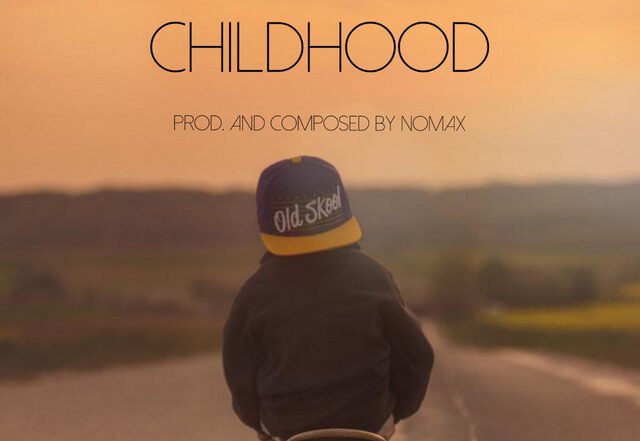
Nomax – Childhood | Neoclassical music review
“Композиция является потрясающим произведением, выполненным на пиано. Эта мелодия вызывает ностальгические эмоции и воспоминаниям о юности. Мелодия заполняется красками и эмоциями, перенося слушателя через течение времени на мечтательные поля воспоминаний. Звуки пиано полностью заполняют пространство, создавая атмосферу прекрасной детской невинности.”
-Nagamag.com
Expand to read review translations *
“The composition is an amazing work performed on the piano. This melody causes nostalgic emotions and memories of youth. The melody is filled with paints and emotions, transferring the listener through the course of time to the dreamy fields of memories. The sounds of the piano completely fill the space, creating an atmosphere of beautiful children’s innocence.”
-Nagamag.com
“Die Komposition ist eine erstaunliche Arbeit am Klavier. Diese Melodie verursacht nostalgische Emotionen und Erinnerungen der Jugend. Die Melodie ist mit Farben und Emotionen gefüllt und überträgt den Hörer im Laufe der Zeit auf die verträumten Bereiche der Erinnerungen. Die Klänge des Klaviers füllen den Raum vollständig und schaffen eine Atmosphäre der Unschuld der schönen Kinder.”
-Nagamag.com
The original review of “Nomax – Childhood” is written in the native language that is spoken by the dedicated, for this song, Nagamag’s Neoclassical reviewer and followed by two translations*, of which the one depends from the country of origin of the artist “Nomax” (Switzerland) and the other one is translated to a different language than original review and the country of origin of the artist.
* Automatically Translated
Nagamag unveils the mesmerizing composition “Childhood”, an extraordinary creation of harmony and creativity that “Nomax” offered to all of us. A Neoclassical song, which evoked an emotional voyage to our curator that desired to write down a unique review for “Nomax – Childhood”. What also sets this song among the featured choices of Nagamag is the way that “Childhood” is enriched with Piano characteristics. “Nomax – Childhood” is a rich music creation that deserves to be listened to again and again. Nagamag is honored to share this detailed music review by one of our experienced reviewers for Neoclassical music compositions. As always, Nagamag keeps up evaluating Neoclassical songs from across the globe, ensuring that all Neoclassical enthusiasts around the world have access to these auditory treasures .
Additional information/sources for Nomax – Childhood
CHILDHOOD is a musical ode to the past, evoking both comfort and melancholy through the soft sounds of the piano, reminding us that in every farewell there remains the warmth of memories
Neoclassical home page where “Nomax – Childhood” is hosted on Nagamag Music Magazine
Nagamag takes pride in supporting Neoclassical artists like “Nomax”, providing music reviews and music discoveries like “Childhood”.
This music post about song “Childhood” by “Nomax” is hosted in Neoclassical page on Nagamag.
There you can find similar Neoclassical artists to “Nomax” and more Neoclassical, Piano songs like “Childhood” that have been carefully selected by Nagamag’s Neoclassical experienced curators and reviewed by Nagamag’s Neoclassical dedicated reviewers.
Learn everything about Neoclassical on Wikipedia
If you enjoyed “Nomax – Childhood” but you have never listened before to any other Neoclassical song or you are interested in learning more about Neoclassical music gerne then click here to visit Neoclassical music page on Wikipedia.
Neoclassical music refers to a distinct style with common characteristics. Each genre carries its unique sound, instruments, and cultural influences. For a deeper understanding of Neoclassical music, Wikipedia provides comprehensive insights into its history, notable artists, and iconic works. Delve into the diverse and dynamic world of Neoclassical music through this valuable resource, broadening your knowledge around Neoclassical genre.
Latest Neoclassical discoveries

Fares Nsouli – Blue Cradle (Marco’s Version) | Neoclassical music review
Когда слышишь звуки фортепиано в исполнении -Fares Nsouli-, такие нежные, чувственные и, кажется, недосягаемые для большинств... >>> Read full review & listen to the song on Nagamag #piano #nagamag #musicmagazine #musicreview #review

Davide Anniballi – Alearda in D Major | Neoclassical music review
Η ευτυχία μοιάζει να ξεπηδά μέσα από τις νότες αυτής της μελωδίας. Η μαγεία σκορπίζεται παντού και όλα τώρα φαίνονται πιο όμο... >>> Read full review & listen to the song on Nagamag #cinematic #nagamag #musicmagazine #musicreview #review

OHNomad – Universal Connection: Danielle | Neoclassical music review
Η υπέροχα ανήσυχη μελωδία εξάπτει την φαντασία μας και μας οδηγεί σε μια μοναδική εξερεύνηση. Οι νότες του πιάνου αγκαλιάζουν... >>> Read full review & listen to the song on Nagamag #cinematic #epicmusic #traditionalclassical #ohnomad #unitedstates #nagamag #musicmagazine #musicreview #review

John Phillip – Lost Time | Neoclassical music review
Οι επιβλητικές νότες του πιάνου εισχωρούν μέσα μας και σαν να νιώθουν τον πόνο μας, μας ανακουφίζουν. Η υπέροχη μελωδία απαλά... >>> Read full review & listen to the song on Nagamag #neosoul #alternative #indiernb #adultcontemporary #johnphillip #unitedkingdom #nagamag #musicmagazine #musicreview #review
Mare Insularum Pier – Silanus | Neoclassical music review
Мелодия исполненная на пиано от -Mare Insularum Pier- великолепно передает всю ту энергию, которая бьет бесконечным потоком ч... >>> Read full review & listen to the song on Nagamag #neo #modernclassical #mareinsularumpier #italy #nagamag #musicmagazine #musicreview #review
Juan Pablo Fernández Ramos – La bola de cristal | Neoclassical music review
Меланхоличная и очень красивая неоклассическая композиция, в основе которой камерный оркестр, сопровождаемый тонкими и очень ... >>> Read full review & listen to the song on Nagamag #piano #nagamag #musicmagazine #musicreview #review

David Clavijo – Believing Again | Neoclassical music review
Pieces like these are more like dessert for thought. They are relaxing, like this song but it flows with its harmonic structu... >>> Read full review & listen to the song on Nagamag #neo #modernclassical #solopiano #davidclavijo #spain #nagamag #musicmagazine #musicreview #review

Steyl – Tears on a Lonely Bridge | Neoclassical music review
Serene world of ethereal melodies and gentle piano themes with this enchanting and soothing composition. Its harmonic piano s... >>> Read full review & listen to the song on Nagamag #neo #modernclassical #cinematic #epicmusic #steyl #switzerland #nagamag #musicmagazine #musicreview #review
Charlie Grey and Joseph Peach – S Maise an Dòchas – Hope is Beautiful | Neoclassical music review
Mesmerizing and incredibly calming atmosphere of this cinematic beauty engage deeply within first instruments and notes. Harm... >>> Read full review & listen to the song on Nagamag #neo #modernclassical #charliegreyandjosephpeach #unitedkingdom #nagamag #musicmagazine #musicreview #review
Difference between Classical and Neoclassical Music
Classical music refers to a broad range of music written in the classical tradition, which encompasses a wide range of styles and forms. It is generally characterized by its formal structure and its use of traditional instruments and ensemble configurations.
Neoclassicism is a style of music that refers to the revival and use of classical forms and styles in music, particularly in the 18th and early 19th centuries. It is characterized by its use of clear, concise forms and a focus on structure and balance. Neoclassicism was a reaction against the romantic style of music, which was characterized by emotion and passion, and was influenced by the ideas of the Enlightenment, which valued reason and classical learning.
Some of the key differences between classical and neoclassical music include:
Time period: Classical music refers to music written during the classical period (1730-1820), while neoclassicism refers to music written after the classical period that incorporates elements of classical forms and styles.
Emphasis on structure: Classical music is known for its formal structure and the use of traditional forms such as the sonata and the symphony. Neoclassical music also places a strong emphasis on structure, but may also incorporate elements of popular music and folk music.
Emphasis on emotion: Classical music is often more reserved and formal in its emotional expression, while neoclassicism tends to be more emotional and expressive.
Use of tonality: Both classical and neoclassical music use tonality, but neoclassicism often incorporates a wider range of tonal structures and may experiment with atonality.
Use of traditional instruments: Both classical and neoclassical music use traditional classical instruments such as strings, woodwinds, brass, and percussion. However, neoclassicism may also incorporate elements of popular music and folk music, and may use a wider range of instruments.
Overall, the main difference between classical and neoclassical music is the time period in which the music was written, and the specific techniques and styles used by the composer. Classical music is generally more formal and reserved in its expression, while neoclassicism tends to be more expressive and may incorporate elements of popular music and folk music.
The most used instruments in Neoclassical Music
In neoclassical music, the most common instruments used are those found in the classical orchestra, including:
Strings: Violin, viola, cello, double bass
Woodwinds: Flute, oboe, clarinet, bassoon
Brass: Trumpet, French horn, trombone, tuba
Percussion: Timpani, snare drum, bass drum, cymbals, xylophone, marimba, triangle
Keyboard: Piano, harpsichord
These instruments are often used to create a wide range of textures and sounds, and are featured in many different types of classical music, including neoclassical music. In addition to these instruments, many composers also incorporate elements of popular music and folk music into their compositions, and may use a variety of other instruments such as guitars, bass, drums, and synthesizers.
It’s also worth noting that many composers and performers of neoclassical music are skilled in a variety of different instruments, and may switch between different instruments in order to achieve the desired sound and texture.
Vocals are sometimes used in neoclassical music, although they are not as common as instrumental music. When vocals are used in neoclassical music, they are typically performed by trained classical singers who have the ability to sing with precise pitch and control.
One common use of vocals in neoclassical music is in operatic compositions, where singers perform arias and recitatives in a style that is similar to traditional opera. Neoclassical opera is a subgenre of classical music that combines elements of traditional opera with elements of neoclassicism, and often incorporates elements of popular music and folk music.
In addition to operatic vocals, vocals may also be used in other forms of neoclassical music, such as choral music or vocal chamber music. Some composers may also incorporate elements of popular music or folk music into their compositions, and may use vocals in a more modern or experimental style.
It’s worth noting that the use of vocals in neoclassical music is highly dependent on the individual composer and the specific piece of music, and not all neoclassical compositions will feature vocals.