
Neoclassical Music ⁞ New Releases⁞ Artist Interviews⁞ Music News
Introduction of Neoclassical Music
Neoclassical music is a style of classical music that is characterized by its use of traditional forms and styles, as well as a focus on structure and balance. It is often seen as a reaction against the romantic style of music, which was characterized by emotion and passion, and was influenced by the ideas of the Enlightenment, which valued reason and classical learning.
Some of the key features of neoclassical music include the use of traditional forms such as sonata form, the use of clear and concise melodies, and the incorporation of elements of folk music and popular music. Neoclassical music also often featured a return to tonality, which is the use of a specific key or tonal center in a piece of music.
The neoclassical style has had a lasting influence on classical music, and it continues to be an important part of the classical repertoire
Favorite Neoclassical Music on Spotify
Favorite Neoclassical Videos on Youtube
Recent Neoclassical Interviews
Neoclassical Features
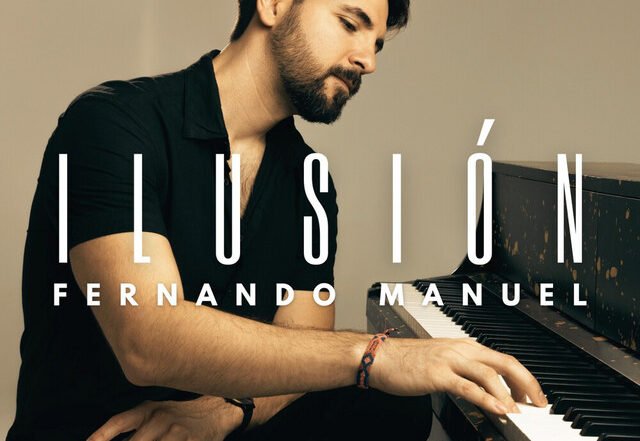
Fernando Manuel – Ilusión | Neoclassical music review
“Неоклассическая музыка всегда способна заставить сердце замирать своими эмоциональными мелодиями и эта композиция не стала исключением. Вы почувствуете, как звуки пиано превращаются в настоящую историю. -Marc Stone- показывает свой талант не только в исполнении, но и в создании потрясающе глубокой идеи и подачи её своим слушателям.”
-Nagamag.com
Expand to read review translations *
“Neoclassical music is always able to make the heart freeze with its emotional melodies and this composition was no exception. You will feel how the sounds of the piano turn into a real story. -Marc Stone- shows its talent not only in execution, but also in creating an amazingly deep idea and presenting it to its listeners.”
-Nagamag.com
“La música neoclásica siempre puede hacer que el corazón se congele con sus melodías emocionales y esta composición no fue la excepción. Sentirás cómo los sonidos del piano se convierten en una historia real. -Marc Stone- muestra su talento no solo en la ejecución, sino también en la creación de una idea increíblemente profunda y presentándola a sus oyentes.”
-Nagamag.com
The original review of “Fernando Manuel – Ilusión” is written in the native language that is spoken by the dedicated, for this song, Nagamag’s Neoclassical reviewer and followed by two translations*, of which the one depends from the country of origin of the artist “Fernando Manuel” (Mexico) and the other one is translated to a different language than original review and the country of origin of the artist.
* Automatically Translated
Nagamag unveils the mesmerizing composition “Ilusión”, an extraordinary creation of harmony and creativity that “Fernando Manuel” offered to all of us. A Neoclassical song, which evoked an emotional voyage to our curator that desired to write down a unique review for “Fernando Manuel – Ilusión”. What also sets this song among the featured choices of Nagamag is the way that “Ilusión” is enriched with Piano characteristics. “Fernando Manuel – Ilusión” is a rich music creation that deserves to be listened to again and again. Nagamag is honored to share this detailed music review by one of our experienced reviewers for Neoclassical music compositions. As always, Nagamag keeps up evaluating Neoclassical songs from across the globe, ensuring that all Neoclassical enthusiasts around the world have access to these auditory treasures .
Neoclassical home page where “Fernando Manuel – Ilusión” is hosted on Nagamag Music Magazine
Nagamag takes pride in supporting Neoclassical artists like “Fernando Manuel”, providing music reviews and music discoveries like “Ilusión”.
This music post about song “Ilusión” by “Fernando Manuel” is hosted in Neoclassical page on Nagamag.
There you can find similar Neoclassical artists to “Fernando Manuel” and more Neoclassical, Piano songs like “Ilusión” that have been carefully selected by Nagamag’s Neoclassical experienced curators and reviewed by Nagamag’s Neoclassical dedicated reviewers.
Learn everything about Neoclassical on Wikipedia
If you enjoyed “Fernando Manuel – Ilusión” but you have never listened before to any other Neoclassical song or you are interested in learning more about Neoclassical music gerne then click here to visit Neoclassical music page on Wikipedia.
Neoclassical music refers to a distinct style with common characteristics. Each genre carries its unique sound, instruments, and cultural influences. For a deeper understanding of Neoclassical music, Wikipedia provides comprehensive insights into its history, notable artists, and iconic works. Delve into the diverse and dynamic world of Neoclassical music through this valuable resource, broadening your knowledge around Neoclassical genre.
Piano Prayers – The Power Found In You | Neoclassical music review
“Cinematic structure gives this song different sound dimension, more depth and emotion to the already beautiful piano themes. Its progression, arrangement and overall harmonic structure are done in a wonderful way. Dreamy atmosphere can be felt with every key played. ”
-Nagamag.com
Expand to read review translations *
“Η κινηματογραφική δομή δίνει αυτό το τραγούδι διαφορετική διάσταση ήχου, περισσότερο βάθος και συγκίνηση στα ήδη όμορφα θέματα πιάνου. Η εξέλιξη, η ρύθμιση και η συνολική αρμονική δομή γίνονται με θαυμάσιο τρόπο. Η ονειρική ατμόσφαιρα μπορεί να γίνει αισθητή με κάθε κλειδί που παίζεται.”
-Nagamag.com
“La estructura cinematográfica le da a esta canción una dimensión de sonido diferente, más profundidad y emoción a los temas de piano ya hermosos. Su progresión, disposición y estructura armónica general se realizan de una manera maravillosa. El ambiente soñador se puede sentir con cada llave jugada.”
-Nagamag.com
The original review of “Piano Prayers – The Power Found In You” is written in the native language that is spoken by the dedicated, for this song, Nagamag’s Neoclassical reviewer and followed by two translations*, of which the one depends from the country of origin of the artist “Piano Prayers” (United States) and the other one is translated to a different language than original review and the country of origin of the artist.
* Automatically Translated
Nagamag unveils the mesmerizing composition “The Power Found In You”, an extraordinary creation of harmony and creativity that “Piano Prayers” offered to all of us. A Neoclassical song, which evoked an emotional voyage to our curator that desired to write down a unique review for “Piano Prayers – The Power Found In You”. What also sets this song among the featured choices of Nagamag is the way that “The Power Found In You” is enriched with Piano characteristics. “Piano Prayers – The Power Found In You” is a rich music creation that deserves to be listened to again and again. Nagamag is honored to share this detailed music review by one of our experienced reviewers for Neoclassical music compositions. As always, Nagamag keeps up evaluating Neoclassical songs from across the globe, ensuring that all Neoclassical enthusiasts around the world have access to these auditory treasures .
Neoclassical home page where “Piano Prayers – The Power Found In You” is hosted on Nagamag Music Magazine
Nagamag takes pride in supporting Neoclassical artists like “Piano Prayers”, providing music reviews and music discoveries like “The Power Found In You”.
This music post about song “The Power Found In You” by “Piano Prayers” is hosted in Neoclassical page on Nagamag.
There you can find similar Neoclassical artists to “Piano Prayers” and more Neoclassical, Piano songs like “The Power Found In You” that have been carefully selected by Nagamag’s Neoclassical experienced curators and reviewed by Nagamag’s Neoclassical dedicated reviewers.
Learn everything about Neoclassical on Wikipedia
If you enjoyed “Piano Prayers – The Power Found In You” but you have never listened before to any other Neoclassical song or you are interested in learning more about Neoclassical music gerne then click here to visit Neoclassical music page on Wikipedia.
Neoclassical music refers to a distinct style with common characteristics. Each genre carries its unique sound, instruments, and cultural influences. For a deeper understanding of Neoclassical music, Wikipedia provides comprehensive insights into its history, notable artists, and iconic works. Delve into the diverse and dynamic world of Neoclassical music through this valuable resource, broadening your knowledge around Neoclassical genre.
Latest Neoclassical discoveries
Philippa Ghosh – Into The Light | Neoclassical music review
Serene piece of ethereal melodies and gentle piano themes are captivating with this melancholic and soothing composition. Sof... >>> Read full review & listen to the song on Nagamag #piano #nagamag #musicmagazine #musicreview #review
Eric Whitacre x Voices of Concinnity – Sleep | Neoclassical music review
Восхитительная хоровая работа, сотворенная композитором -Eric Whitacre- в исполнении ансамбля -Voices of Concinnity-. Автор, ... >>> Read full review & listen to the song on Nagamag #neo #modernclassical #ericwhitacrexvoicesofconcinnity #ericwhitacrexvoicesofconcinnity #unitedstates #nagamag #musicmagazine #musicreview #review

Martin Martyn – Aurore | Neoclassical music review
Очень глубокое, спокойное и медитативное произведение на пиано, демонстрирующее талант исполнителя. Композиция начинается с н... >>> Read full review & listen to the song on Nagamag #neo #modernclassical #martinmartyn #japan #nagamag #musicmagazine #musicreview #review
Joao Balouta – Nevoa | Neoclassical music review
Это произведение идеально подходит для тех, кто ценит красивую и умиротворяющую музыку. -Rujo Balouta- искусно играет на пиан... >>> Read full review & listen to the song on Nagamag #piano #nagamag #musicmagazine #musicreview #review
Patricio Franzi – Islenas I | Neoclassical music review
Каждая нота звучит так мягко и нежно, словно рассказывая нам историю о любви, потерях и надежде. Исполнение от -Patricio Fran... >>> Read full review & listen to the song on Nagamag #piano #nagamag #musicmagazine #musicreview #review
Spectre Hem – The Ashlight | Neoclassical music review
-The Ashlight- объединяет в себе элементы неоклассики и атмосферного саунда свойственного исключительно оркестровой музыке, ч... >>> Read full review & listen to the song on Nagamag #cinematic #epicmusic #classicalstrings #spectrehem #unitedstates #nagamag #musicmagazine #musicreview #review
Matthias Krauss – Echoes Of Grace | Neoclassical music review
-Matthias Krauss- представляет нам удивительное сочетание мелодий и гармоний, создавая атмосферу благодати, которая звучит пр... >>> Read full review & listen to the song on Nagamag #neo #modernclassical #matthiaskrauss #germany #nagamag #musicmagazine #musicreview #review

DNTST – elusive black sapphire | Neoclassical music review
Композиция -Elusive Black Sapphire- от -DNTST- эмоциональная, глубокая и драматичная. Звуки пианино захватывают весь спектр ч... >>> Read full review & listen to the song on Nagamag #neo #modernclassical #solopiano #dntst #unitedstates #nagamag #musicmagazine #musicreview #review
Uva Lunera – Apertura | Neoclassical music review
Начиная с нежного и медленного вступления, музыка постепенно набирает обороты, словно разгадывая новые гармонии и мелодии, но... >>> Read full review & listen to the song on Nagamag #piano #nagamag #musicmagazine #musicreview #review
Difference between Classical and Neoclassical Music
Classical music refers to a broad range of music written in the classical tradition, which encompasses a wide range of styles and forms. It is generally characterized by its formal structure and its use of traditional instruments and ensemble configurations.
Neoclassicism is a style of music that refers to the revival and use of classical forms and styles in music, particularly in the 18th and early 19th centuries. It is characterized by its use of clear, concise forms and a focus on structure and balance. Neoclassicism was a reaction against the romantic style of music, which was characterized by emotion and passion, and was influenced by the ideas of the Enlightenment, which valued reason and classical learning.
Some of the key differences between classical and neoclassical music include:
Time period: Classical music refers to music written during the classical period (1730-1820), while neoclassicism refers to music written after the classical period that incorporates elements of classical forms and styles.
Emphasis on structure: Classical music is known for its formal structure and the use of traditional forms such as the sonata and the symphony. Neoclassical music also places a strong emphasis on structure, but may also incorporate elements of popular music and folk music.
Emphasis on emotion: Classical music is often more reserved and formal in its emotional expression, while neoclassicism tends to be more emotional and expressive.
Use of tonality: Both classical and neoclassical music use tonality, but neoclassicism often incorporates a wider range of tonal structures and may experiment with atonality.
Use of traditional instruments: Both classical and neoclassical music use traditional classical instruments such as strings, woodwinds, brass, and percussion. However, neoclassicism may also incorporate elements of popular music and folk music, and may use a wider range of instruments.
Overall, the main difference between classical and neoclassical music is the time period in which the music was written, and the specific techniques and styles used by the composer. Classical music is generally more formal and reserved in its expression, while neoclassicism tends to be more expressive and may incorporate elements of popular music and folk music.
The most used instruments in Neoclassical Music
In neoclassical music, the most common instruments used are those found in the classical orchestra, including:
Strings: Violin, viola, cello, double bass
Woodwinds: Flute, oboe, clarinet, bassoon
Brass: Trumpet, French horn, trombone, tuba
Percussion: Timpani, snare drum, bass drum, cymbals, xylophone, marimba, triangle
Keyboard: Piano, harpsichord
These instruments are often used to create a wide range of textures and sounds, and are featured in many different types of classical music, including neoclassical music. In addition to these instruments, many composers also incorporate elements of popular music and folk music into their compositions, and may use a variety of other instruments such as guitars, bass, drums, and synthesizers.
It’s also worth noting that many composers and performers of neoclassical music are skilled in a variety of different instruments, and may switch between different instruments in order to achieve the desired sound and texture.
Vocals are sometimes used in neoclassical music, although they are not as common as instrumental music. When vocals are used in neoclassical music, they are typically performed by trained classical singers who have the ability to sing with precise pitch and control.
One common use of vocals in neoclassical music is in operatic compositions, where singers perform arias and recitatives in a style that is similar to traditional opera. Neoclassical opera is a subgenre of classical music that combines elements of traditional opera with elements of neoclassicism, and often incorporates elements of popular music and folk music.
In addition to operatic vocals, vocals may also be used in other forms of neoclassical music, such as choral music or vocal chamber music. Some composers may also incorporate elements of popular music or folk music into their compositions, and may use vocals in a more modern or experimental style.
It’s worth noting that the use of vocals in neoclassical music is highly dependent on the individual composer and the specific piece of music, and not all neoclassical compositions will feature vocals.