
Neoclassical Music ⁞ New Releases⁞ Artist Interviews⁞ Music News
Introduction of Neoclassical Music
Neoclassical music is a style of classical music that is characterized by its use of traditional forms and styles, as well as a focus on structure and balance. It is often seen as a reaction against the romantic style of music, which was characterized by emotion and passion, and was influenced by the ideas of the Enlightenment, which valued reason and classical learning.
Some of the key features of neoclassical music include the use of traditional forms such as sonata form, the use of clear and concise melodies, and the incorporation of elements of folk music and popular music. Neoclassical music also often featured a return to tonality, which is the use of a specific key or tonal center in a piece of music.
The neoclassical style has had a lasting influence on classical music, and it continues to be an important part of the classical repertoire
Favorite Neoclassical Music on Spotify
Favorite Neoclassical Videos on Youtube
Recent Neoclassical Interviews
Neoclassical Features
Joseph Nimoh – Extravagant Grace | Neoclassical music review
“Με την παρέα του εκπληκτικού πιάνου και την μελωδία που απλόχερα μας μοιράζει νότες απολαυστικές και μοναδικές ζούμε την απόλυτη ηρεμία αλλά και συγκίνηση. Οι φανταστικές εναλλαγές της μας μαγνητίζουν και αρχίζουμε να ακούμε τα συναισθήματα μας. Ο χαλαρός ρυθμός μας αφήνει να βάλουμε τις σκέψεις μας σε σειρά και να βρούμε τον εαυτό μας.”
-Nagamag.com
Expand to read review translations *
“With the company of the amazing piano and the melody that generously shares notes us enjoyable and unique we live in total calm and emotion. Its fantastic alternations magnetize us and we begin to hear our emotions. The relaxed rhythm lets us put our thoughts in a row and find ourselves.”
-Nagamag.com
“Con la compañía del increíble piano y la melodía que comparte generosamente nos señala que nos agradecen y únicos, vivimos en total calma y emoción. Sus fantásticas alternancias nos magnetizan y comenzamos a escuchar nuestras emociones. El ritmo relajado nos permite poner nuestros pensamientos en una fila y encontrarnos.”
-Nagamag.com
The original review of “Joseph Nimoh – Extravagant Grace” is written in the native language that is spoken by the dedicated, for this song, Nagamag’s Neoclassical reviewer and followed by two translations*, of which the one depends from the country of origin of the artist “Joseph Nimoh” (United States) and the other one is translated to a different language than original review and the country of origin of the artist.
* Automatically Translated
Nagamag unveils the mesmerizing composition “Extravagant Grace”, an extraordinary creation of harmony and creativity that “Joseph Nimoh” offered to all of us. A Neoclassical song, which evoked an emotional voyage to our curator that desired to write down a unique review for “Joseph Nimoh – Extravagant Grace”. What also sets this song among the featured choices of Nagamag is the way that “Extravagant Grace” is enriched with Piano characteristics. “Joseph Nimoh – Extravagant Grace” is a rich music creation that deserves to be listened to again and again. Nagamag is honored to share this detailed music review by one of our experienced reviewers for Neoclassical music compositions. As always, Nagamag keeps up evaluating Neoclassical songs from across the globe, ensuring that all Neoclassical enthusiasts around the world have access to these auditory treasures .
Award-winning Pianist and Composer Joseph Nimoh’s music incorporates elements of several genres, including classical, jazz, and gospel music. His music has been described as emotionally rich, soothing, and peaceful. His creative harmonic approach, improvisational spirit, and delicate soulful touch is unique, inspiring, and refreshing.
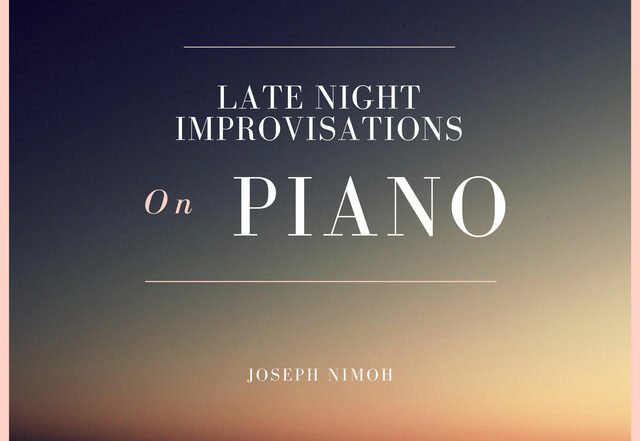
Joseph has released 12 albums; Quiet Time in His Presence, Living Waters, Reflections, Piano Hymns, Conversations on Piano (Best solo piano album for 2018 on One World Music Radio in the UK), Seasons, The Gift of Christmas, In the Flow, Hymns for Meditation on Piano (Best Christian Album for 2021 on SoloPiano.com), Timeless Hymns, Refreshing Hymns, and Late Night Improvisations on Piano. Joseph also releases music under the moniker, , where he produces ambient and instrumental piano tunes for relaxation.
Joseph’s music can be heard on KCUR 89.3 Night Tides, Calm Radio, Apple Music, Pandora, Amazon, The River of Calm Radio, New Age Stars Radio, Accu Radio, Airless Radio, Got Radio, Prayerful Living Radio, Sleep Radio, and various Radio and TV stations around the world.
Joseph’s music is frequently featured on many health and wellness and meditation platforms, such as Insight Timer, Simple Habit, and Relax Melodies, but to mention a few.
Follow to stay up to date with new releases. Learn more at www.josephnimoh.com
Nagamag takes pride in supporting Neoclassical artists like “Joseph Nimoh”, providing music reviews and music discoveries like “Extravagant Grace”.
This music post about song “Extravagant Grace” by “Joseph Nimoh” has been arranged in Neoclassical page on Nagamag.
There you can find similar Neoclassical artists to “Joseph Nimoh” and more Neoclassical, Piano songs like “Extravagant Grace” that have been carefully selected by Nagamag’s Neoclassical experienced curators and reviewed by Nagamag’s Neoclassical dedicated reviewers.
If you enjoyed “Joseph Nimoh – Extravagant Grace” but you have never listened before to any other Neoclassical song or you are interested in learning more about Neoclassical music gerne then click here to visit Neoclassical music page on Wikipedia.
Neoclassical music refers to a distinct style with common characteristics. Each genre carries its unique sound, instruments, and cultural influences. For a deeper understanding of Neoclassical music, Wikipedia provides comprehensive insights into its history, notable artists, and iconic works. Delve into the diverse and dynamic world of Neoclassical music through this valuable resource, broadening your knowledge around Neoclassical genre.
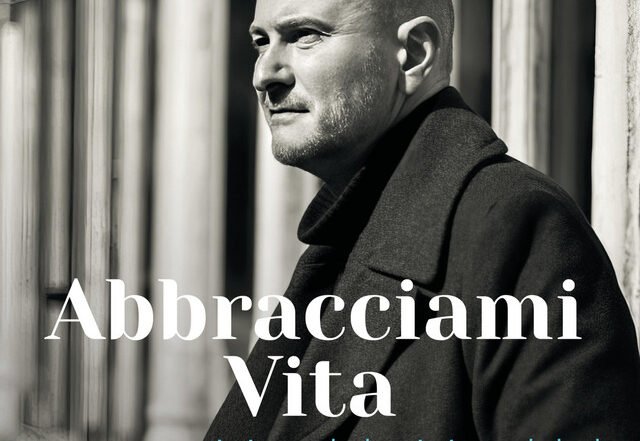
Enzo Gallo, Maurizio Marchini – Abbracciami, Vita | Neoclassical music review
“Τι να πρωτοπεί κανείς για αυτή την υπέροχη φωνή. Επιβλητική και σχεδόν θεϊκή διαπερνά όλες τις αισθήσεις και προκαλεί ανατριχίλα. Όλα τα συναισθήματα στο κόκκινο και η αδρεναλίνη στα ύψη. Η μελωδία απόλυτα ταιριασμένη δίνει ακόμη περισσότερη αίγλη στο κομμάτι. Το μυαλό ταξιδεύει πιο ψηλά από ποτέ και η καρδιά είναι τώρα πιο δεκτική για μια αγάπη αληθινή”
-Nagamag.com
Expand to read review translations *
“What to do for this wonderful voice. Impressive and almost divine permeates all senses and causes creepy. All feelings in red and adrenaline soaring. The melody perfectly matches even more glamor to the piece. Mind travels higher than ever and the heart is now more receptive to a love true love”
-Nagamag.com
“Wat te doen voor deze prachtige stem. Indrukwekkend en bijna goddelijk doordringt alle zintuigen en veroorzaakt griezelig. Alle gevoelens in rode en adrenaline stijgen. De melodie past perfect bij het stuk nog meer glamour. De geest reist hoger dan ooit en het hart is nu meer ontvankelijk voor een liefdes ware liefde”
-Nagamag.com
The original review of “Enzo Gallo, Maurizio Marchini – Abbracciami, Vita” is written in the native language that is spoken by the dedicated, for this song, Nagamag’s Neoclassical reviewer and followed by two translations*, of which the one depends from the country of origin of the artist “Enzo Gallo, Maurizio Marchini
“ (Netherlands) and the other one is translated to a different language than original review and the country of origin of the artist.
* Automatically Translated
Nagamag unveils the mesmerizing composition “Abbracciami, Vita”, an extraordinary creation of harmony and creativity that “Enzo Gallo, Maurizio Marchini
“ offered to all of us. A Neoclassical song, which evoked an emotional voyage to our curator that desired to write down a unique review for “Enzo Gallo, Maurizio Marchini – Abbracciami, Vita”. What also sets this song among the featured choices of Nagamag is the way that “Abbracciami, Vita” is enriched with Opera, Cinematic characteristics. “Enzo Gallo, Maurizio Marchini – Abbracciami, Vita” is a rich music creation that deserves to be listened to again and again. Nagamag is honored to share this detailed music review by one of our experienced reviewers for Neoclassical music compositions. As always, Nagamag keeps up evaluating Neoclassical songs from across the globe, ensuring that all Neoclassical enthusiasts around the world have access to these auditory treasures .
https://soundcloud.com/enzo-gallo
Nagamag takes pride in supporting Neoclassical artists like “Enzo Gallo, Maurizio Marchini
“, providing music reviews and music discoveries like “Abbracciami, Vita”.
This music post about song “Abbracciami, Vita” by “Enzo Gallo, Maurizio Marchini
“ has been arranged in Neoclassical page on Nagamag.
There you can find similar Neoclassical artists to “Enzo Gallo, Maurizio Marchini
“ and more Neoclassical, Opera, Cinematic songs like “Abbracciami, Vita” that have been carefully selected by Nagamag’s Neoclassical experienced curators and reviewed by Nagamag’s Neoclassical dedicated reviewers.
If you enjoyed “Enzo Gallo, Maurizio Marchini – Abbracciami, Vita” but you have never listened before to any other Neoclassical song or you are interested in learning more about Neoclassical music gerne then click here to visit Neoclassical music page on Wikipedia.
Neoclassical music refers to a distinct style with common characteristics. Each genre carries its unique sound, instruments, and cultural influences. For a deeper understanding of Neoclassical music, Wikipedia provides comprehensive insights into its history, notable artists, and iconic works. Delve into the diverse and dynamic world of Neoclassical music through this valuable resource, broadening your knowledge around Neoclassical genre.
Latest Neoclassical discoveries
Benedetta Sarti – Raindrops | Neoclassical music review
When strings of piano meet with violin chords we cannot resist in the call of sound. Melodic frequencies and harmonic vibrati... >>> Read full review & listen to the song on Nagamag #piano #nagamag #musicmagazine #musicreview #review

Eliezer Oliveira – The Flow | Neoclassical music review
Από το ανοιχτό παράθυρο παρέα με τις νότες του πιάνου ένας ολόκληρος κόσμος ξεδιπλώνεται μπροστά μου. Η μεγαλειώδης μελωδία θ... >>> Read full review & listen to the song on Nagamag #neo #modernclassical #cinematic #epicmusic #eliezeroliveira #brazil #nagamag #musicmagazine #musicreview #review

Beautiful Life – Beneath the Surface | Neoclassical music review
Η γαλήνια και ήρεμη μελωδία μας φέρνει μια ισορροπία παίρνοντας μακριά τις άσχημες σκέψεις, σχεδόν επουλώνει τις πληγές μας. ... >>> Read full review & listen to the song on Nagamag #neo #modernclassical #solopiano #beautifullife #canada #nagamag #musicmagazine #musicreview #review
Dan Becker – Into Aestas | Neoclassical music review
Мелодия пиано неторопливо развивается, создавая эффект максимального погружения. Музыкальные мотивы переплетаются друг с друг... >>> Read full review & listen to the song on Nagamag #piano #nagamag #musicmagazine #musicreview #review

Eli ivra – Le Conteur (The Storyteller) | Neoclassical music review
Прекрасное сочетание элегантности и эмоциональной глубины в жанре Modern Classical от -Eli ivra-. Как композитор, он раскрыва... >>> Read full review & listen to the song on Nagamag #neo #modernclassical #traditionalclassical #eliivra #australia #nagamag #musicmagazine #musicreview #review
Raynald Grenier – Sonatina in C sharp | Neoclassical music review
Η γλυκιά και παιχνιδιάρικη μελωδία μας φέρνει απρόσμενη χαρά και ευτυχία και καθώς εναλλάσσεται μας κάνει να νιώθουμε την αγω... >>> Read full review & listen to the song on Nagamag #piano #nagamag #musicmagazine #musicreview #review

Yosef Gutman – The World And Its People | Neoclassical music review
Οι σκέψεις γυροφέρνουν στο μυαλό και άλλοτε ηρεμούν και άλλοτε φουντώνουν σαν την οργισμένη θάλασσα. Η γλυκιά και ήρεμη μελωδ... >>> Read full review & listen to the song on Nagamag #cinematic #nagamag #musicmagazine #musicreview #review

Klauss Kaustarovsky -One Night in Tallinn | Neoclassical music review
Η ρομαντική και ήρεμη μελωδία απλώνει την ομορφιά της πάνω από την πόλη και την κάνει να φαίνεται τόσο όμορφη και μαγική. Οι ... >>> Read full review & listen to the song on Nagamag #piano #nagamag #musicmagazine #musicreview #review

Spearfisher x Brianna Tam – INEVITABLE | Neoclassical music review
Η επιβλητική μελωδία μας αρπάζει με την ήρεμη δύναμη της και μας ταξιδεύει σε κόσμους διαφορετικούς και ανεξερεύνητους. Η θλί... >>> Read full review & listen to the song on Nagamag #neo #modernclassical #classicalstrings #spearfisherxbriannatam #spearfisherxbriannatam #unitedstates #nagamag #musicmagazine #musicreview #review
Difference between Classical and Neoclassical Music
Classical music refers to a broad range of music written in the classical tradition, which encompasses a wide range of styles and forms. It is generally characterized by its formal structure and its use of traditional instruments and ensemble configurations.
Neoclassicism is a style of music that refers to the revival and use of classical forms and styles in music, particularly in the 18th and early 19th centuries. It is characterized by its use of clear, concise forms and a focus on structure and balance. Neoclassicism was a reaction against the romantic style of music, which was characterized by emotion and passion, and was influenced by the ideas of the Enlightenment, which valued reason and classical learning.
Some of the key differences between classical and neoclassical music include:
Time period: Classical music refers to music written during the classical period (1730-1820), while neoclassicism refers to music written after the classical period that incorporates elements of classical forms and styles.
Emphasis on structure: Classical music is known for its formal structure and the use of traditional forms such as the sonata and the symphony. Neoclassical music also places a strong emphasis on structure, but may also incorporate elements of popular music and folk music.
Emphasis on emotion: Classical music is often more reserved and formal in its emotional expression, while neoclassicism tends to be more emotional and expressive.
Use of tonality: Both classical and neoclassical music use tonality, but neoclassicism often incorporates a wider range of tonal structures and may experiment with atonality.
Use of traditional instruments: Both classical and neoclassical music use traditional classical instruments such as strings, woodwinds, brass, and percussion. However, neoclassicism may also incorporate elements of popular music and folk music, and may use a wider range of instruments.
Overall, the main difference between classical and neoclassical music is the time period in which the music was written, and the specific techniques and styles used by the composer. Classical music is generally more formal and reserved in its expression, while neoclassicism tends to be more expressive and may incorporate elements of popular music and folk music.
The most used instruments in Neoclassical Music
In neoclassical music, the most common instruments used are those found in the classical orchestra, including:
Strings: Violin, viola, cello, double bass
Woodwinds: Flute, oboe, clarinet, bassoon
Brass: Trumpet, French horn, trombone, tuba
Percussion: Timpani, snare drum, bass drum, cymbals, xylophone, marimba, triangle
Keyboard: Piano, harpsichord
These instruments are often used to create a wide range of textures and sounds, and are featured in many different types of classical music, including neoclassical music. In addition to these instruments, many composers also incorporate elements of popular music and folk music into their compositions, and may use a variety of other instruments such as guitars, bass, drums, and synthesizers.
It’s also worth noting that many composers and performers of neoclassical music are skilled in a variety of different instruments, and may switch between different instruments in order to achieve the desired sound and texture.
Vocals are sometimes used in neoclassical music, although they are not as common as instrumental music. When vocals are used in neoclassical music, they are typically performed by trained classical singers who have the ability to sing with precise pitch and control.
One common use of vocals in neoclassical music is in operatic compositions, where singers perform arias and recitatives in a style that is similar to traditional opera. Neoclassical opera is a subgenre of classical music that combines elements of traditional opera with elements of neoclassicism, and often incorporates elements of popular music and folk music.
In addition to operatic vocals, vocals may also be used in other forms of neoclassical music, such as choral music or vocal chamber music. Some composers may also incorporate elements of popular music or folk music into their compositions, and may use vocals in a more modern or experimental style.
It’s worth noting that the use of vocals in neoclassical music is highly dependent on the individual composer and the specific piece of music, and not all neoclassical compositions will feature vocals.