
Neoclassical Music ⁞ New Releases⁞ Artist Interviews⁞ Music News
Introduction of Neoclassical Music
Neoclassical music is a style of classical music that is characterized by its use of traditional forms and styles, as well as a focus on structure and balance. It is often seen as a reaction against the romantic style of music, which was characterized by emotion and passion, and was influenced by the ideas of the Enlightenment, which valued reason and classical learning.
Some of the key features of neoclassical music include the use of traditional forms such as sonata form, the use of clear and concise melodies, and the incorporation of elements of folk music and popular music. Neoclassical music also often featured a return to tonality, which is the use of a specific key or tonal center in a piece of music.
The neoclassical style has had a lasting influence on classical music, and it continues to be an important part of the classical repertoire
Favorite Neoclassical Music on Spotify
Favorite Neoclassical Videos on Youtube
Recent Neoclassical Interviews
Neoclassical Features
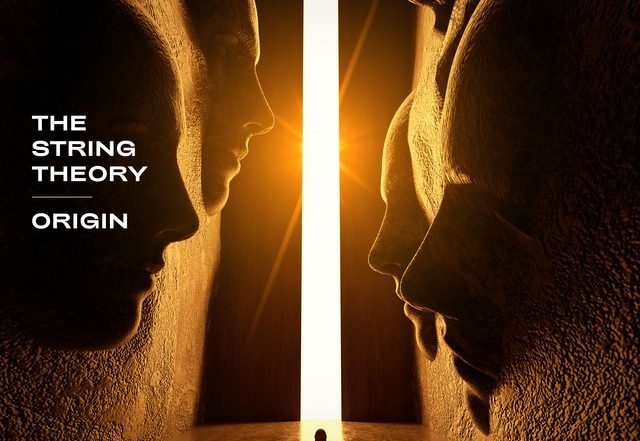
The String Theory – Solar Song

“The beauty and magic of a chamber orchestra, in which you can enjoy the singing of violins, the piano melody and plunge into the thick atmosphere of the female choir. A little sad, melancholy, but crazy beauty, which will leave behind a whole bouquet of unforgettable emotions!” (Automatically Translated with Google Translate)
“Красота и волшебство камерного оркестра, в котором можно насладиться пением скрипок, мелодией фортепиано и погрузиться в густую атмосферу женского хора. Немного грустная, меланхоличная, но безумной красоты композиция, которая оставит после себя целый букет незабываемых эмоций!”
-Nagamag.com
The Grammy-nominated ensemble The String Theory are releasing ‘Solar Song’ - An intrinsic piece with a profound strings and vocalists motif - a musical flow carrying the idea that humans are made of the same stuff as the stars and each and every one carries Light, like an inner sun shining from within, maybe some would call it a soul. The melody generates from the feeling that each individual, each soul has a melody, its very own song, that is as old as the echo of creation. This unusual song will leave you pondering on your stardust origin while floating through the relativity of time.
https://www.instagram.com/wearethestringtheory/

Brianna Tam – Aorta

“Music, which comes from the very bowels of your lonely soul and wants to be more heard. There is something ritual in this neoclassical melody that arouses hidden feelings. A beautiful, chamber composition with the breath of cello. Such live and so necessary here and now. Thank you!” (Automatically Translated with Google Translate)
“Музыка, которая исходит из самых недр вашей одинокой души и желает быть скорее услышанной. Есть в этой неоклассической мелодии нечто ритуальное, что пробуждает скрытые чувства. Прекрасная, камерная композиция с дыханием виолончели. Такая живая и такая необходимая здесь и сейчас. Спасибо!”
-Nagamag.com
"Aorta" is a moody, all cello, multi-layer track, inspired by its live-looped version. Its sound is a fusion of soundtrack, hip hop, and classical. This track is part of the album, I AM, which will be released later this summer.
Latest Neoclassical discoveries
Piano Prayers – The Power Found In You | Neoclassical music review
Cinematic structure gives this song different sound dimension, more depth and emotion to the already beautiful piano themes. ... >>> Read full review & listen to the song on Nagamag #piano #nagamag #musicmagazine #musicreview #review

John William Richard – The Nod | Neoclassical music review
With narrative mood and characteristic melodic patterns, John William Richard took us out of this world and lead us in a plac... >>> Read full review & listen to the song on Nagamag #cinematic #nagamag #musicmagazine #musicreview #review
Nick Bhalla – Invisible Ink | Neoclassical music review
Фортепианные композиции всегда занимают особое место в сердце музыкальных ценителей, и эта работа от -Nick Bhalla- не исключе... >>> Read full review & listen to the song on Nagamag #neo #modernclassical #jazz #solopiano #nickbhalla #unitedstates #nagamag #musicmagazine #musicreview #review

Hanno Herbst – Shine on Jerusalem | Neoclassical music review
Классическое оперное произведение, которое наполнено красотой и эмоциональными переживаниями. Композиция является великолепны... >>> Read full review & listen to the song on Nagamag #piano #opera #nagamag #musicmagazine #musicreview #review IG: @herbstverlag
Ray Angry – The Hill | Neoclassical music review
Between the echoes of piano keys, lies a vivid artistic spirit. Discover a rich canvas of vibrating melodies that evolve with... >>> Read full review & listen to the song on Nagamag #neo #modernclassical #solopiano #rayangry #unitedstates #nagamag #musicmagazine #musicreview #review

O’Bear – Fade Out | Neoclassical music review
Нежная и мелодичная атмосфера фортепиано, исполненное в мягкой и утонченной манере. Меланхоличные ноты словно созданы для тог... >>> Read full review & listen to the song on Nagamag #cinematic #epicmusic #o'bear #france #nagamag #musicmagazine #musicreview #review
Impromptu Sessions – Unvoiced | Neoclassical music review
Οι όμορφες και μελαγχολικές νότες της κιθάρας αγγίζουν βαθιά την ψυχή μας και η μελωδία σαν όμορφο παιχνίδισμα του ήλιου ανάμ... >>> Read full review & listen to the song on Nagamag #acoustic #piano #guitar #nagamag #musicmagazine #musicreview #review IG: @impromptusession

Thomas Lehmkühler – Everything is falling into place | Neoclassical music review
Эта музыкальная пьеса привносит в ваше сердце чувство гармонии и спокойствия, погружая в атмосферу прекрасного, мелодичного з... >>> Read full review & listen to the song on Nagamag #neo #modernclassical #thomaslehmkühler #germany #nagamag #musicmagazine #musicreview #review
Jesús Calderón – Un Mundo Violento (Tema Principal) | Neoclassical music review
Эта яркая, эпическая композиция является главной темой для фильма -Un Mundo Violento-. Многослойные и глубокие оркестровые эл... >>> Read full review & listen to the song on Nagamag #cinematic #epicmusic #jesúscalderón #spain #nagamag #musicmagazine #musicreview #review
Difference between Classical and Neoclassical Music
Classical music refers to a broad range of music written in the classical tradition, which encompasses a wide range of styles and forms. It is generally characterized by its formal structure and its use of traditional instruments and ensemble configurations.
Neoclassicism is a style of music that refers to the revival and use of classical forms and styles in music, particularly in the 18th and early 19th centuries. It is characterized by its use of clear, concise forms and a focus on structure and balance. Neoclassicism was a reaction against the romantic style of music, which was characterized by emotion and passion, and was influenced by the ideas of the Enlightenment, which valued reason and classical learning.
Some of the key differences between classical and neoclassical music include:
Time period: Classical music refers to music written during the classical period (1730-1820), while neoclassicism refers to music written after the classical period that incorporates elements of classical forms and styles.
Emphasis on structure: Classical music is known for its formal structure and the use of traditional forms such as the sonata and the symphony. Neoclassical music also places a strong emphasis on structure, but may also incorporate elements of popular music and folk music.
Emphasis on emotion: Classical music is often more reserved and formal in its emotional expression, while neoclassicism tends to be more emotional and expressive.
Use of tonality: Both classical and neoclassical music use tonality, but neoclassicism often incorporates a wider range of tonal structures and may experiment with atonality.
Use of traditional instruments: Both classical and neoclassical music use traditional classical instruments such as strings, woodwinds, brass, and percussion. However, neoclassicism may also incorporate elements of popular music and folk music, and may use a wider range of instruments.
Overall, the main difference between classical and neoclassical music is the time period in which the music was written, and the specific techniques and styles used by the composer. Classical music is generally more formal and reserved in its expression, while neoclassicism tends to be more expressive and may incorporate elements of popular music and folk music.
The most used instruments in Neoclassical Music
In neoclassical music, the most common instruments used are those found in the classical orchestra, including:
Strings: Violin, viola, cello, double bass
Woodwinds: Flute, oboe, clarinet, bassoon
Brass: Trumpet, French horn, trombone, tuba
Percussion: Timpani, snare drum, bass drum, cymbals, xylophone, marimba, triangle
Keyboard: Piano, harpsichord
These instruments are often used to create a wide range of textures and sounds, and are featured in many different types of classical music, including neoclassical music. In addition to these instruments, many composers also incorporate elements of popular music and folk music into their compositions, and may use a variety of other instruments such as guitars, bass, drums, and synthesizers.
It’s also worth noting that many composers and performers of neoclassical music are skilled in a variety of different instruments, and may switch between different instruments in order to achieve the desired sound and texture.
Vocals are sometimes used in neoclassical music, although they are not as common as instrumental music. When vocals are used in neoclassical music, they are typically performed by trained classical singers who have the ability to sing with precise pitch and control.
One common use of vocals in neoclassical music is in operatic compositions, where singers perform arias and recitatives in a style that is similar to traditional opera. Neoclassical opera is a subgenre of classical music that combines elements of traditional opera with elements of neoclassicism, and often incorporates elements of popular music and folk music.
In addition to operatic vocals, vocals may also be used in other forms of neoclassical music, such as choral music or vocal chamber music. Some composers may also incorporate elements of popular music or folk music into their compositions, and may use vocals in a more modern or experimental style.
It’s worth noting that the use of vocals in neoclassical music is highly dependent on the individual composer and the specific piece of music, and not all neoclassical compositions will feature vocals.