
Neoclassical Music ⁞ New Releases⁞ Artist Interviews⁞ Music News
Introduction of Neoclassical Music
Neoclassical music is a style of classical music that is characterized by its use of traditional forms and styles, as well as a focus on structure and balance. It is often seen as a reaction against the romantic style of music, which was characterized by emotion and passion, and was influenced by the ideas of the Enlightenment, which valued reason and classical learning.
Some of the key features of neoclassical music include the use of traditional forms such as sonata form, the use of clear and concise melodies, and the incorporation of elements of folk music and popular music. Neoclassical music also often featured a return to tonality, which is the use of a specific key or tonal center in a piece of music.
The neoclassical style has had a lasting influence on classical music, and it continues to be an important part of the classical repertoire
Favorite Neoclassical Music on Spotify
Favorite Neoclassical Videos on Youtube
Recent Neoclassical Interviews
Neoclassical Features

Benjamin Grundahl – Ohm & I

“This solo piano piece envelops you in a delicate state of bittersweet feelings. Absolutely peaceful mood which slowly unfolds itself in a world of constant flow. Ideal music to listen alone in search of self-balance.”
-Nagamag.com
The 27-year-old pianist Benjamin Grundahl is a rising piano talent in the neoclassical genre. There is nothing quite like the soft depression of a piano key. Expressing serenity through his four pieces 'Ohm & I', 'Sol', 'Atomos', and 'Ad Hoc', the medium-slow instrumentals calm and relax you - and almost make you sonder. On the piece 'Ohm & I', it oozes serenity and tranquility through the soothing, serene melancholy notes paint pictures of Scandinavian forests, calm lakes, and fresh morning mist. On 'Ohm & I', you can expect light piano with deep emotion.
Eric Heitmann & Ryan Dimmock – Ashes That Remain

“When the gray ash falls on the tired ground, it turns into a velvet carpet, through which green stems occasionally peeping over. Let this neoclassical melody associate you with the birth of something new, because sooner or later, sprouts of a nascent life appear on the field of past battle. (Automatically Translated with Google Translate)”
“Когда серый пепел опускается на уставшую землю, она превращается в бархатный ковёр, сквозь который изредка проглядывают зелёные стебельки. Пусть эта неоклассическая мелодия ассоциируется у вас с рождением чего-то нового, ведь рано или поздно даже на поле былой битвы появляются ростки зарождающейся жизни.”
-Nagamag.com
Latest Neoclassical discoveries

Magnus John Anderson x Axelina – Dance Like Florence | Neoclassical music review
Композиция выделяется уникальным сотрудничеством между двумя талантливыми артистами -Magnus John Anderson и Axelina-. Их музы... >>> Read full review & listen to the song on Nagamag #chamberpop #indiepop #adultcontemporary #magnusjohnandersonxaxelina #magnusjohnandersonxaxelina #sweden #nagamag #musicmagazine #musicreview #review
Eric Heitmann – Awakenings | Neoclassical music review
Serene and very beautiful ethereal melodies and gentle textures with this enchanting and soothing composition. Its harmonic s... >>> Read full review & listen to the song on Nagamag #cinematic #epicmusic #ericheitmann #unitedstates #nagamag #musicmagazine #musicreview #review

Maria Karakusheva – Enlightening | Neoclassical music review
Mesmerizing and melancholic mood that keeps gaining momentum as this piece progresses. With every piano note, this beautiful ... >>> Read full review & listen to the song on Nagamag #piano #nagamag #musicmagazine #musicreview #review IG: @karakusheva

Chris Duke – Hyperfantasia | Neoclassical music review
Piano instrumentation and nice development and layering of the opening melodic statement. Composition catches you right away.... >>> Read full review & listen to the song on Nagamag #neo #modernclassical #solopiano #chrisduke #nagamag #musicmagazine #musicreview #review

Steve Luck – Be Curious | Neoclassical music review
Ethereal melodies of a gentle piano themes in this enchanting and soothing composition are so blissful. Its harmonic piano st... >>> Read full review & listen to the song on Nagamag #neo #modernclassical #steveluck #unitedkingdom #nagamag #musicmagazine #musicreview #review

Bron – Follow | Neoclassical music review
Dreamy atmosphere and amazing layering of sounds, that creates very melancholic vibe within the song. Beautiful instrumentati... >>> Read full review & listen to the song on Nagamag #cinematic #epicmusic #bron #australia #nagamag #musicmagazine #musicreview #review

Danechav – Nostalgia | Neoclassical music review
Мелодия сочетает в себе элементы классической музыки, в которой идеально балансирует душа исполнителя и звуки пиано, чтобы со... >>> Read full review & listen to the song on Nagamag #piano #nagamag #musicmagazine #musicreview #review IG: @danychavaria
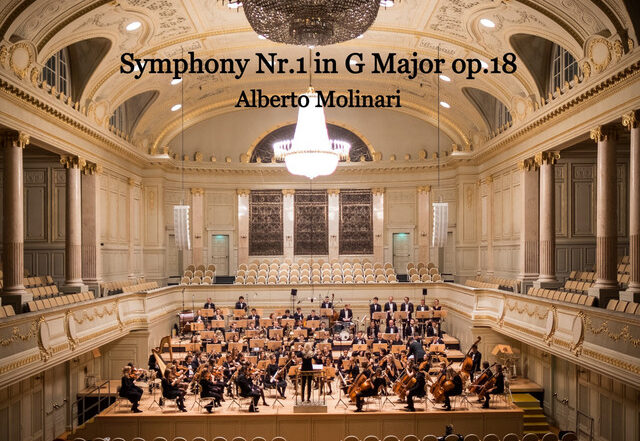
Alberto Molinari – Symphony Nr. 1 in G Major (Movement I Allegretto) | Neoclassical music review
Η υπέροχη επιβλητική μελωδία εισχωρεί μέσα μας και αναστατώνει τις αισθήσεις. Η ένταση και ο δυναμισμός της δημιουργούν μια α... >>> Read full review & listen to the song on Nagamag #cinematic #nagamag #musicmagazine #musicreview #review IG: @albertomolinari_composer

Daniel Kruglov – Emotions | Neoclassical music review
-Daniel Kruglov- прекрасно передает все нюансы и оттенки эмоций через свою музыку. Максимально искренняя фортепианная компози... >>> Read full review & listen to the song on Nagamag #piano #nagamag #musicmagazine #musicreview #review FB: @danielkruglov IG: @Danolog
Difference between Classical and Neoclassical Music
Classical music refers to a broad range of music written in the classical tradition, which encompasses a wide range of styles and forms. It is generally characterized by its formal structure and its use of traditional instruments and ensemble configurations.
Neoclassicism is a style of music that refers to the revival and use of classical forms and styles in music, particularly in the 18th and early 19th centuries. It is characterized by its use of clear, concise forms and a focus on structure and balance. Neoclassicism was a reaction against the romantic style of music, which was characterized by emotion and passion, and was influenced by the ideas of the Enlightenment, which valued reason and classical learning.
Some of the key differences between classical and neoclassical music include:
Time period: Classical music refers to music written during the classical period (1730-1820), while neoclassicism refers to music written after the classical period that incorporates elements of classical forms and styles.
Emphasis on structure: Classical music is known for its formal structure and the use of traditional forms such as the sonata and the symphony. Neoclassical music also places a strong emphasis on structure, but may also incorporate elements of popular music and folk music.
Emphasis on emotion: Classical music is often more reserved and formal in its emotional expression, while neoclassicism tends to be more emotional and expressive.
Use of tonality: Both classical and neoclassical music use tonality, but neoclassicism often incorporates a wider range of tonal structures and may experiment with atonality.
Use of traditional instruments: Both classical and neoclassical music use traditional classical instruments such as strings, woodwinds, brass, and percussion. However, neoclassicism may also incorporate elements of popular music and folk music, and may use a wider range of instruments.
Overall, the main difference between classical and neoclassical music is the time period in which the music was written, and the specific techniques and styles used by the composer. Classical music is generally more formal and reserved in its expression, while neoclassicism tends to be more expressive and may incorporate elements of popular music and folk music.
The most used instruments in Neoclassical Music
In neoclassical music, the most common instruments used are those found in the classical orchestra, including:
Strings: Violin, viola, cello, double bass
Woodwinds: Flute, oboe, clarinet, bassoon
Brass: Trumpet, French horn, trombone, tuba
Percussion: Timpani, snare drum, bass drum, cymbals, xylophone, marimba, triangle
Keyboard: Piano, harpsichord
These instruments are often used to create a wide range of textures and sounds, and are featured in many different types of classical music, including neoclassical music. In addition to these instruments, many composers also incorporate elements of popular music and folk music into their compositions, and may use a variety of other instruments such as guitars, bass, drums, and synthesizers.
It’s also worth noting that many composers and performers of neoclassical music are skilled in a variety of different instruments, and may switch between different instruments in order to achieve the desired sound and texture.
Vocals are sometimes used in neoclassical music, although they are not as common as instrumental music. When vocals are used in neoclassical music, they are typically performed by trained classical singers who have the ability to sing with precise pitch and control.
One common use of vocals in neoclassical music is in operatic compositions, where singers perform arias and recitatives in a style that is similar to traditional opera. Neoclassical opera is a subgenre of classical music that combines elements of traditional opera with elements of neoclassicism, and often incorporates elements of popular music and folk music.
In addition to operatic vocals, vocals may also be used in other forms of neoclassical music, such as choral music or vocal chamber music. Some composers may also incorporate elements of popular music or folk music into their compositions, and may use vocals in a more modern or experimental style.
It’s worth noting that the use of vocals in neoclassical music is highly dependent on the individual composer and the specific piece of music, and not all neoclassical compositions will feature vocals.