
Neoclassical Music ⁞ New Releases⁞ Artist Interviews⁞ Music News
Introduction of Neoclassical Music
Neoclassical music is a style of classical music that is characterized by its use of traditional forms and styles, as well as a focus on structure and balance. It is often seen as a reaction against the romantic style of music, which was characterized by emotion and passion, and was influenced by the ideas of the Enlightenment, which valued reason and classical learning.
Some of the key features of neoclassical music include the use of traditional forms such as sonata form, the use of clear and concise melodies, and the incorporation of elements of folk music and popular music. Neoclassical music also often featured a return to tonality, which is the use of a specific key or tonal center in a piece of music.
The neoclassical style has had a lasting influence on classical music, and it continues to be an important part of the classical repertoire
Favorite Neoclassical Music on Spotify
Favorite Neoclassical Videos on Youtube
Recent Neoclassical Interviews
Neoclassical Features
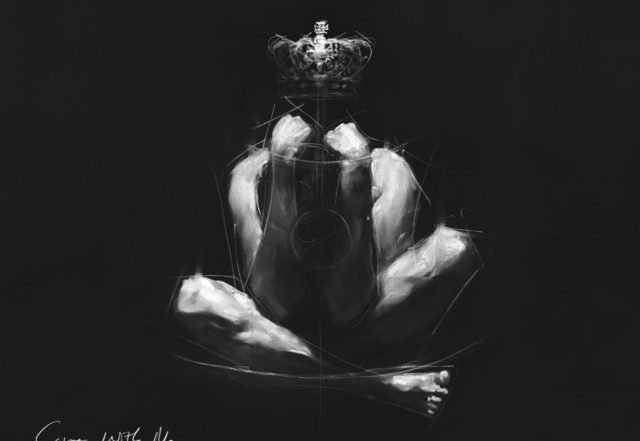
Emily Rice, Ro Rowan – So You Think You’re a King (Spotify)
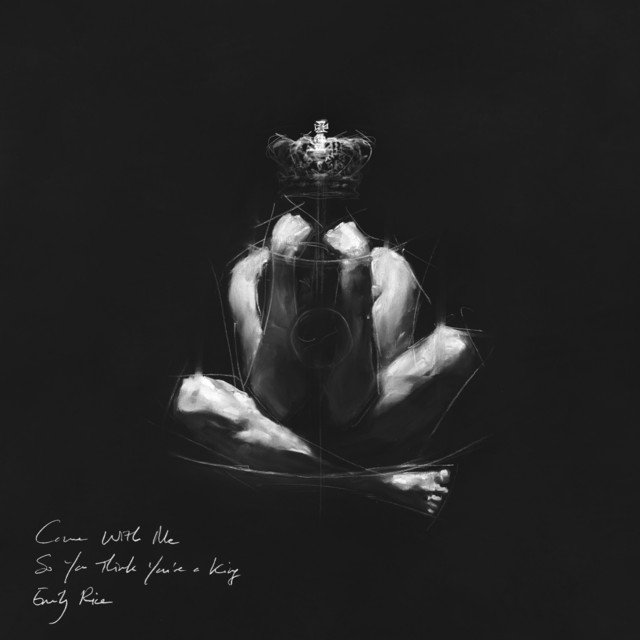
“Emily Rice reveals her advanced talent via this Cinematic masterpiece. The artist binds Classical with electronic elements in a really balanced way. Two minutes of irresistible sound which is quite likely to be heard more than once!”
-Nagamag.com
From West London to West Coast US, composer and rising star Emily Rice is now at the forefront of new wave of female European composers taking on Hollywood alongside the likes of Natalie Holt, Amelia Warner, Hannah Peel, Hildur Guðnadóttir and Isabel Waller-Bridge, to name a few. Usually known for her Film and TV scoring talent, Maybe It's Because I'm A Londoner marks Emily’s debut artist album, released on 19th November on First Artists Recordings / MNRK Records.
https://www.emilyricemusic.com/
MIBIAL has allowed the Emily to present a different side to her work. The album was recorded with a line up primarily of piano, strings, synthesizers and bass along with select guest appearances including Gene Back on Violin and the Hi-Lo Singers on vocals on the beautifully stripped back choral track ‘Outpour’.
Talking about the creation of MIBIAL, Emily reveals: “I was in my studio and started humming - there was something about the melody, so I wrote it down and it sparked this process. It was the door to me starting the album and that humming became album opener and first single ‘Come With Me’. It was an invitation for me to start writing, and an invitation to others to come with me on the journey of the rest of the album.
“MIBIAL is a love letter to home. The fondness, pining, sadness and hope that came with all the emotions stirred up by the pandemic. In recent years, at times it feels like we’re living in a movie and there is definitely a cinematic feel to the soundscape of MIBIAL.”
https://www.instagram.com/emrice.music/
British born Emily now resides in Los Angeles. Starting her musical life as a cellist playing in orchestras and rock bands, it wasn’t long before she was recognized as an emerging talent and was as the first composer awarded a scholarship from BAFTA L.A.. A music graduate of the University of York, Emily also holds a graduate certificate in film scoring from the USC Scoring for Motion Picture and Television program.
Among her credits, Emily scored The I-Land TV series for Netflix (executive produced by and starring Kate Bosworth). Her composition set featured in the 2018 second annual ‘The Future is Female’ concert catching the attention of an executive on the series, ultimately landing her the job. Emily is also in increasing demand as a composer for feature films, and has composed the scores to the documentaries 100 Years From Home, Self-Taught: Life Stories from Self-Directed Learners and For the Love of Rutland. In 2021, Lakeshore Records released the soundtrack to Emily’s score for the critically acclaimed feature Miss Juneteenth.
Maybe It’s Because I’m A Londoner will be the first release of many as Emily simultaneously builds her career as score composer and recording artist. It also marks the first artist release on the First Artist Recordings label.
https://twitter.com/EmRiceMusic

Chafa – Luminescence (Spotify)
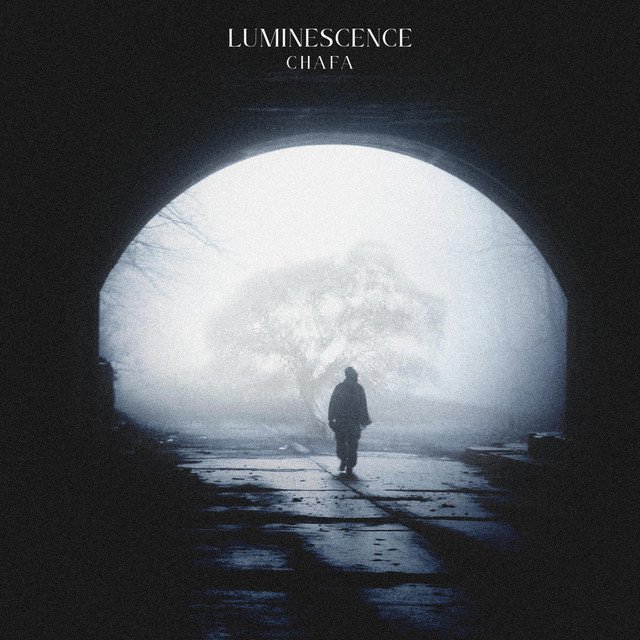
“The melody evenly fills the volleys, telling your story in the silence of the bay, circling in the silent and boundless spaces of fantasies. Monumentality in every note, symphonic passages and an inexhaustible source of good mood and peace of mind.”
“Мелодия равномерно накатывает волнами, раскачивая вашу лодку в объятия тихого залива, погружая в уютные и безграничные просторы фантазии. Монументальность в каждой ноте, симфонические пассажи и неиссякаемый источник хорошего настроения и умиротворённого душевного покоя.”
-Nagamag.com
https://www.instagram.com/shaynechafa
Chafa is an emerging pianist, producer, and composer based out of Los Angeles. He is currently preparing to launch onto the global music scene with his first two singles ready to drop imminently.
Chada said about this new track "I wrote the melody of "Luminescence" during the height of the lockdown period - it's meant to mimic the feeling of unfamiliarity with people and places you love dearly, but due to current circumstances, you must maintain a level of distance and caution with them. "
Latest Neoclassical discoveries

Juan Pablo Fernández Ramos – Retorno
Mesmerizing and incredibly calming atmosphere of this cinematic beauty engage deeply within first instruments and notes. Harmonic structure and composition is ... >>> Read more & listen to this song on Nagamag #neo #modernclassical #juanpablofernándezramos #nagamag #musicmagazine IG: @juanpablofernandezramos

Chiel Nugter – Walsje voor Tam
Прекрасная фортепианная композиция исполненная -Chiel Nugter-, которая олицетворяет нежность, спокойствие и создаёт романтичный настрой. Начиная с красивых и п... >>> Read more & listen to this song on Nagamag #solopiano #chielnugter #netherlands #nagamag #musicmagazine IG: @chielnugter

Antonio Ministeri – Unstable
Красивая, нежная и чарующая неоклассическая композиция от талантливого инструменталиста -Antonio Ministeri-, который наполнил свою мелодию очень глубокой атмос... >>> Read more & listen to this song on Nagamag #neo #modernclassical #cinematic #epicmusic #ambient #antonioministeri #nagamag #musicmagazine IG: @antonioministeri

Christopher Willis – Fireflies
Композитор -Christopher Willis- радует нас своим новым симфоническим произведением. Это яркая, лёгкая и вдохновляющая музыка из далёкого детства, которая позво... >>> Read more & listen to this song on Nagamag #cinematic #epicmusic #classicalstrings #christopherwillis #unitedstates #nagamag #musicmagazine

Camron Shahidi – Soledad
Красивая и меланхоличная неоклассическая композиция от -Camron Shahidi-, которая запоминается своей мистической атмосферой. Нежная мелодия фортепиано медленно ... >>> Read more & listen to this song on Nagamag #neo #modernclassical #crossoverclassical #camronshahidi #unitedstates #nagamag #musicmagazine
Matthias Krauss – Silent Flow
Глубокое и погружающее в себя фортепианное произведение, чья мелодия порождает ощущение течения маленькой реки. Время останавливается, а мысли улетают куда-то ... >>> Read more & listen to this song on Nagamag #neo #modernclassical #matthiaskrauss #germany #nagamag #musicmagazine IG: @matthiaskraussofficial

Taylor Hayward – Forest Voyage
Прекрасная фортепианная композиция, которая позволит вам позабыть обо всех проблемах и погрузиться в мир отдыха и покоя. Во время прослушивания можно представи... >>> Read more & listen to this song on Nagamag #solopiano #taylorhayward #unitedstates #nagamag #musicmagazine
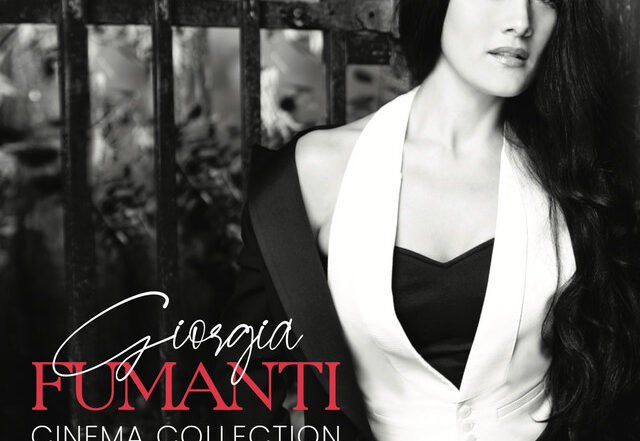
Giorgia Fumanti – Over The Rainbow
An impressive appearance of Georgia Fumanti is waiting you "Over The Rainbow". Strongly Cinematic production made of delicate soundscapes and guided by the art... >>> Read more & listen to this song on Nagamag #adultcontemporary #cinematic #epicmusic #crossoverclassical #giorgiafumanti #canada #nagamag #musicmagazine

Antonio Ministeri – In Bloom
Dreamy and very beautiful atmosphere at the beginning of this cinematic piece of art introduce us into a lush soundscapes. Blissful piano in the background, la... >>> Read more & listen to this song on Nagamag #cinematic #epicmusic #experimentalelectronic #antonioministeri #italy #nagamag #musicmagazine IG: @antonioministeri
Difference between Classical and Neoclassical Music
Classical music refers to a broad range of music written in the classical tradition, which encompasses a wide range of styles and forms. It is generally characterized by its formal structure and its use of traditional instruments and ensemble configurations.
Neoclassicism is a style of music that refers to the revival and use of classical forms and styles in music, particularly in the 18th and early 19th centuries. It is characterized by its use of clear, concise forms and a focus on structure and balance. Neoclassicism was a reaction against the romantic style of music, which was characterized by emotion and passion, and was influenced by the ideas of the Enlightenment, which valued reason and classical learning.
Some of the key differences between classical and neoclassical music include:
Time period: Classical music refers to music written during the classical period (1730-1820), while neoclassicism refers to music written after the classical period that incorporates elements of classical forms and styles.
Emphasis on structure: Classical music is known for its formal structure and the use of traditional forms such as the sonata and the symphony. Neoclassical music also places a strong emphasis on structure, but may also incorporate elements of popular music and folk music.
Emphasis on emotion: Classical music is often more reserved and formal in its emotional expression, while neoclassicism tends to be more emotional and expressive.
Use of tonality: Both classical and neoclassical music use tonality, but neoclassicism often incorporates a wider range of tonal structures and may experiment with atonality.
Use of traditional instruments: Both classical and neoclassical music use traditional classical instruments such as strings, woodwinds, brass, and percussion. However, neoclassicism may also incorporate elements of popular music and folk music, and may use a wider range of instruments.
Overall, the main difference between classical and neoclassical music is the time period in which the music was written, and the specific techniques and styles used by the composer. Classical music is generally more formal and reserved in its expression, while neoclassicism tends to be more expressive and may incorporate elements of popular music and folk music.
The most used instruments in Neoclassical Music
In neoclassical music, the most common instruments used are those found in the classical orchestra, including:
Strings: Violin, viola, cello, double bass
Woodwinds: Flute, oboe, clarinet, bassoon
Brass: Trumpet, French horn, trombone, tuba
Percussion: Timpani, snare drum, bass drum, cymbals, xylophone, marimba, triangle
Keyboard: Piano, harpsichord
These instruments are often used to create a wide range of textures and sounds, and are featured in many different types of classical music, including neoclassical music. In addition to these instruments, many composers also incorporate elements of popular music and folk music into their compositions, and may use a variety of other instruments such as guitars, bass, drums, and synthesizers.
It’s also worth noting that many composers and performers of neoclassical music are skilled in a variety of different instruments, and may switch between different instruments in order to achieve the desired sound and texture.
Vocals are sometimes used in neoclassical music, although they are not as common as instrumental music. When vocals are used in neoclassical music, they are typically performed by trained classical singers who have the ability to sing with precise pitch and control.
One common use of vocals in neoclassical music is in operatic compositions, where singers perform arias and recitatives in a style that is similar to traditional opera. Neoclassical opera is a subgenre of classical music that combines elements of traditional opera with elements of neoclassicism, and often incorporates elements of popular music and folk music.
In addition to operatic vocals, vocals may also be used in other forms of neoclassical music, such as choral music or vocal chamber music. Some composers may also incorporate elements of popular music or folk music into their compositions, and may use vocals in a more modern or experimental style.
It’s worth noting that the use of vocals in neoclassical music is highly dependent on the individual composer and the specific piece of music, and not all neoclassical compositions will feature vocals.