
Neoclassical Music ⁞ New Releases⁞ Artist Interviews⁞ Music News
Introduction of Neoclassical Music
Neoclassical music is a style of classical music that is characterized by its use of traditional forms and styles, as well as a focus on structure and balance. It is often seen as a reaction against the romantic style of music, which was characterized by emotion and passion, and was influenced by the ideas of the Enlightenment, which valued reason and classical learning.
Some of the key features of neoclassical music include the use of traditional forms such as sonata form, the use of clear and concise melodies, and the incorporation of elements of folk music and popular music. Neoclassical music also often featured a return to tonality, which is the use of a specific key or tonal center in a piece of music.
The neoclassical style has had a lasting influence on classical music, and it continues to be an important part of the classical repertoire
Favorite Neoclassical Music on Spotify
Favorite Neoclassical Videos on Youtube
Recent Neoclassical Interviews
Neoclassical Features

Jordane Tumarinson – Dieux et Démons (Spotify)

“We had visions of underwater forests of kelp and swarming creatures within every crevice. The enigmatic piano picked us up on our journey as we traverse the landscape. ”
-Nagamag.com
A very passionate and prolific artist, french pianist and composer Jordane Tumarinson has produced no less than 5 original albums between 2018 and 2020 as well as numerous singles. His compositions are either misty, either rythmic, always refined and are met with great interest on streaming platforms early on without any particular communication or professional entourage. His title "Morphée" is a true success and surpasses 11M streams to date while his album "L'Envol" paved his way to european labels.
https://www.facebook.com/jordanetumarinson
Forged around themes most important to him, Tumarinson's compositions are thought as coherent emotionnal storylines, navigating freely between neoclassical and romantic contemporary repertoire.
https://www.instagram.com/jordanetumarinson/
Highly influenced by nature in his life and in his art, Tumarinson also carries the ambitious "Uto'pians" project ; a compilation that aims to invite many composers around the world every year and which benefits non-profit organizations dedicated to environmental protection.
Now signed on the independent record label naïve, Tumarinson is expected to release his 6th album "Odyssée" in march 2022.

Thomas Hewitt Jones – Hesitation (Spotify)

“Like an avalanche that descends from the snow-covered mountains, Thomas Hewitt Jones music slowly and gradually affects the listener with its emotionality. Cinematic composition, packed with full neoclassic energy.”
“Словно лавина спускается с заснеженных гор, музыка -Thomas Hewitt Jones- медленно, постепенно и неторопливо поглощает своего слушателя своей эмоциональностью. Кинематографическая композиция, чья энергетика впитала в себя всё самое лучшее из жанра неоклассика.”
-Nagamag.com
From the latest album "Cinematic Advertising".
https://www.facebook.com/thomashewittjonesmusic
https://twitter.com/thewittjones
Latest Neoclassical discoveries

McKenzie Stubbert – Falling
Depth of this composition is very compelling. It is very power and irresistible with every note and the atmosphere it is building. Cinematic feeling is very st... >>> Read more & listen to this song on Nagamag #neo #modernclassical #ambient #mckenziestubbert #unitedstates #nagamag #musicmagazine IG: @pinballjukebox TW: @pinballjukebox

Chris Duke – Wholesome
Превосходная неоклассическая работа, которая погружает в мир гармонии и хорошего настроения. Музыка сочетает в себе эмоциональный тембр и выразительность, кото... >>> Read more & listen to this song on Nagamag #solopiano #neo #modernclassical #jazz #chrisduke #germany #nagamag #musicmagazine IG: @chrisduke.music
Joe Dworniak – The Summer Snow
Playful piano theme and a darker background atmosphere. This contrast is done so well, its cinematic musical structure feeds on this elements within the songs ... >>> Read more & listen to this song on Nagamag #cinematic #epicmusic #classicalstrings #joedworniak #unitedkingdom #nagamag #musicmagazine IG: @riverfishmusic

Beautiful Life – Serendipity
Как и гласит название, эта чарующая своим магнетизмом неоклассическая композиция подарит вам настоящее чувство прекрасного и позволит на мгновение соприкоснуть... >>> Read more & listen to this song on Nagamag #solopiano #beautifullife #canada #nagamag #musicmagazine IG: @christinadegazio

DNTST – forest totem
Melancholic atmosphere and very emotional piano themes within this composition is breathtaking. Its melodic structure and depth it have makes your mind wonder,... >>> Read more & listen to this song on Nagamag #solopiano #dntst #unitedstates #nagamag #musicmagazine IG: @dntst13 TW: @DNTST13
Aysedeniz Gokcin – Velvet Piano
Композиция от -Aysedeniz Gokcin- олицетворяет собой новый взгляд на неоклассическую музыку. Очаровательная и такая волнительная работа является приятным сочета... >>> Read more & listen to this song on Nagamag #solopiano #neo #modernclassical #aysedenizgokcin #unitedkingdom #nagamag #musicmagazine
André Goyvaerts – Somnolent
Με ήρεμες και απαλές κινήσεις απλώνομαι νωχελικά και νιώθω όλα μου τα βάρη να έχουν φύγει. Η εκπληκτική μελωδία ομορφαίνει τις σκέψεις μου και σαν να πετώ πάνω... >>> Read more & listen to this song on Nagamag #solopiano #neo #modernclassical #andrégoyvaerts #ireland #nagamag #musicmagazine IG: @andregoyvaerts
Kenneth Lampl – To the End of My Tomorrows
Darker tone and melancholic atmosphere gives this cinematic piece of art an amazing amount of depth and emotion. Cello and violin themes are played in such emo... >>> Read more & listen to this song on Nagamag #neo #modernclassical #kennethlampl #unitedstates #nagamag #musicmagazine
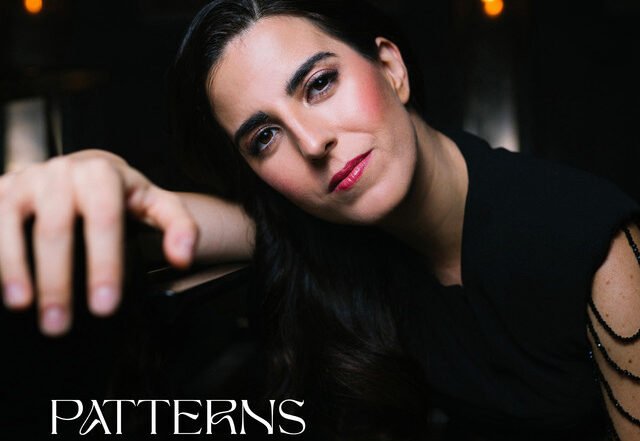
Aysedeniz Gokcin – In My Head
Απαλά ήσυχα και ρομαντικά περιπλανιέμαι στα μονοπάτια του μυαλού μου και ψάχνω να βρω διέξοδο. Μέσα μου η φανταστική μελωδία έχει αρχίσει να φτιάχνει εικόνες κ... >>> Read more & listen to this song on Nagamag #solopiano #neo #modernclassical #aysedenizgokcin #unitedkingdom #nagamag #musicmagazine
Difference between Classical and Neoclassical Music
Classical music refers to a broad range of music written in the classical tradition, which encompasses a wide range of styles and forms. It is generally characterized by its formal structure and its use of traditional instruments and ensemble configurations.
Neoclassicism is a style of music that refers to the revival and use of classical forms and styles in music, particularly in the 18th and early 19th centuries. It is characterized by its use of clear, concise forms and a focus on structure and balance. Neoclassicism was a reaction against the romantic style of music, which was characterized by emotion and passion, and was influenced by the ideas of the Enlightenment, which valued reason and classical learning.
Some of the key differences between classical and neoclassical music include:
Time period: Classical music refers to music written during the classical period (1730-1820), while neoclassicism refers to music written after the classical period that incorporates elements of classical forms and styles.
Emphasis on structure: Classical music is known for its formal structure and the use of traditional forms such as the sonata and the symphony. Neoclassical music also places a strong emphasis on structure, but may also incorporate elements of popular music and folk music.
Emphasis on emotion: Classical music is often more reserved and formal in its emotional expression, while neoclassicism tends to be more emotional and expressive.
Use of tonality: Both classical and neoclassical music use tonality, but neoclassicism often incorporates a wider range of tonal structures and may experiment with atonality.
Use of traditional instruments: Both classical and neoclassical music use traditional classical instruments such as strings, woodwinds, brass, and percussion. However, neoclassicism may also incorporate elements of popular music and folk music, and may use a wider range of instruments.
Overall, the main difference between classical and neoclassical music is the time period in which the music was written, and the specific techniques and styles used by the composer. Classical music is generally more formal and reserved in its expression, while neoclassicism tends to be more expressive and may incorporate elements of popular music and folk music.
The most used instruments in Neoclassical Music
In neoclassical music, the most common instruments used are those found in the classical orchestra, including:
Strings: Violin, viola, cello, double bass
Woodwinds: Flute, oboe, clarinet, bassoon
Brass: Trumpet, French horn, trombone, tuba
Percussion: Timpani, snare drum, bass drum, cymbals, xylophone, marimba, triangle
Keyboard: Piano, harpsichord
These instruments are often used to create a wide range of textures and sounds, and are featured in many different types of classical music, including neoclassical music. In addition to these instruments, many composers also incorporate elements of popular music and folk music into their compositions, and may use a variety of other instruments such as guitars, bass, drums, and synthesizers.
It’s also worth noting that many composers and performers of neoclassical music are skilled in a variety of different instruments, and may switch between different instruments in order to achieve the desired sound and texture.
Vocals are sometimes used in neoclassical music, although they are not as common as instrumental music. When vocals are used in neoclassical music, they are typically performed by trained classical singers who have the ability to sing with precise pitch and control.
One common use of vocals in neoclassical music is in operatic compositions, where singers perform arias and recitatives in a style that is similar to traditional opera. Neoclassical opera is a subgenre of classical music that combines elements of traditional opera with elements of neoclassicism, and often incorporates elements of popular music and folk music.
In addition to operatic vocals, vocals may also be used in other forms of neoclassical music, such as choral music or vocal chamber music. Some composers may also incorporate elements of popular music or folk music into their compositions, and may use vocals in a more modern or experimental style.
It’s worth noting that the use of vocals in neoclassical music is highly dependent on the individual composer and the specific piece of music, and not all neoclassical compositions will feature vocals.