
Neoclassical Music ⁞ New Releases⁞ Artist Interviews⁞ Music News
Introduction of Neoclassical Music
Neoclassical music is a style of classical music that is characterized by its use of traditional forms and styles, as well as a focus on structure and balance. It is often seen as a reaction against the romantic style of music, which was characterized by emotion and passion, and was influenced by the ideas of the Enlightenment, which valued reason and classical learning.
Some of the key features of neoclassical music include the use of traditional forms such as sonata form, the use of clear and concise melodies, and the incorporation of elements of folk music and popular music. Neoclassical music also often featured a return to tonality, which is the use of a specific key or tonal center in a piece of music.
The neoclassical style has had a lasting influence on classical music, and it continues to be an important part of the classical repertoire
Favorite Neoclassical Music on Spotify
Favorite Neoclassical Videos on Youtube
Recent Neoclassical Interviews
Neoclassical Features

Duo Lumimare – Light Is Coming (Video)
“The Duo Lumimare have produced a beautifully calming piece for piano and flute called Light Is Coming. If you allow yourself to be lulled by the sweet melodies and breathy evocations of the piano and flute you too will feel that the light is coming for all of us. ”
-Nagamag.com
https://www.instagram.com/mathiasschabowpiano/
https://www.instagram.com/michaela.neuwirth/
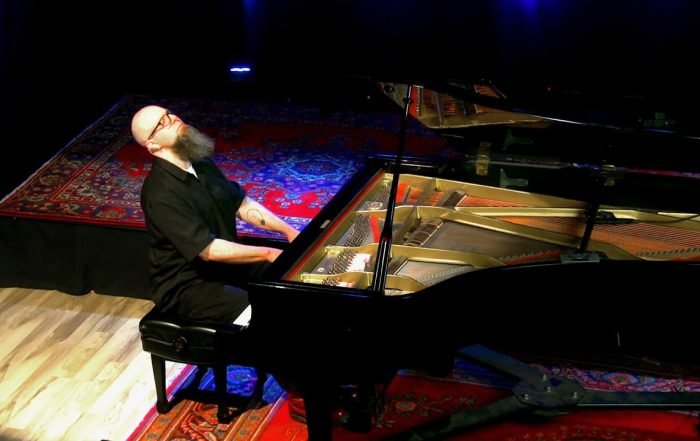
Sonare (Official Video with Score) (Video)
“We know that among many of you, there are fans of real art in the world of music. -Sonare- will be a real gift for you, like opening the package of which you will instantly feel the breath of a light breeze and the smell of meadow flowers. Soft, but incredibly rich piece of music art!”
“Мы знаем, что среди вам много поклонников настоящего искусства в мире музыки. -Sonare- станет для вас настоящим подарком, открыв упаковку которого вы мгновенно почувствуете дуновение лёгкого ветерка и запахи луговых цветов. Лёгкое, но невероятно насыщенное произведение.”
-Nagamag.com
Lose yourself in the resonance of composer-pianist Martin Graff’s Trips for Piano: eight evocative piano pieces made to move the soul and light the imagination. Graff’s affecting harmonies, soaring melodies, pensive compositional style, and impassioned playing conjure the most beautiful colors from keys of black and white. The final track, “Sonare,” is an increasingly virtuosic celebration of the full expressive range of the piano, a dramatic crescendo of enveloping sonority…
https://www.facebook.com/martin.graff.737
https://twitter.com/The_Face_Zone
https://www.instagram.com/thefacezone
Latest Neoclassical discoveries
Juan Pablo Fernández Ramos – El Sueño de Equidna
With a modern cinematic atmosphere and mood but full of classical influences, specially within the arrangement section and how transitions are done. Beautiful ... >>> Read more & listen to this song on Nagamag #cinematic #epicmusic #juanpablofernándezramos #spain #nagamag #musicmagazine IG: @juanpablofernandezramos

Eamonn Watt – Etude of Emotions
Потрясающая композиция от -Eamonn Watt-, которая переносит слушателя в другой, чудный мир. Атмосферная мелодия фортепиано исполненная -Eamonn- прекрасно переда... >>> Read more & listen to this song on Nagamag #solopiano #eamonnwatt #unitedkingdom #nagamag #musicmagazine

Geert Veneklaas – Miniature
Нежная и мелодичная музыка от нидерландского композитора -Geert Veneklaas-. Он создал идеальную мелодию для медитации и расслабления, с помощью обилия гармонич... >>> Read more & listen to this song on Nagamag #solopiano #neo #modernclassical #geertveneklaas #netherlands #nagamag #musicmagazine

Benjamin Cook – Aeon
Это потрясающая инструментальная, неоклассическая композиция, которая сочетает в себе красивые и завораживающие оркестровые звуки. Музыка передаёт красоту и эм... >>> Read more & listen to this song on Nagamag #cinematic #epicmusic #benjamincook #unitedkingdom #nagamag #musicmagazine

Steven Poole – In Silent Circles
Μέσα στην ησυχία της ψυχής έρχεται η μελωδία να ανάψει τη φλόγα του πάθους και να βγάλει στο φως τα συναισθήματα που τόσο καλά είχαν κρυφτεί για να μπορεί να γ... >>> Read more & listen to this song on Nagamag #solopiano #neo #modernclassical #stevenpoole #unitedkingdom #nagamag #musicmagazine TW: @stevenpoole

Sergio Díaz De Rojas – Amanita Muscaria
Эта композиция станет для вас бесконечным путешествием в неоклассическую музыку. Подобно таинственной находке этот трек создаёт вдохновляющую атмосферу, полную... >>> Read more & listen to this song on Nagamag #neo #modernclassical #ambient #sergiodíazderojas #peru #nagamag #musicmagazine IG: @bonjoursergio

Neil Foster – Sheskinmore
Неоклассическая композиция от -Neil Foster- характеризуется мелодичными фортепианными аккордами, которые создают атмосферу умиротворения и спокойствия, а благо... >>> Read more & listen to this song on Nagamag #neo #modernclassical #ambient #neilfoster #unitedkingdom #nagamag #musicmagazine IG: @neil_foster_music
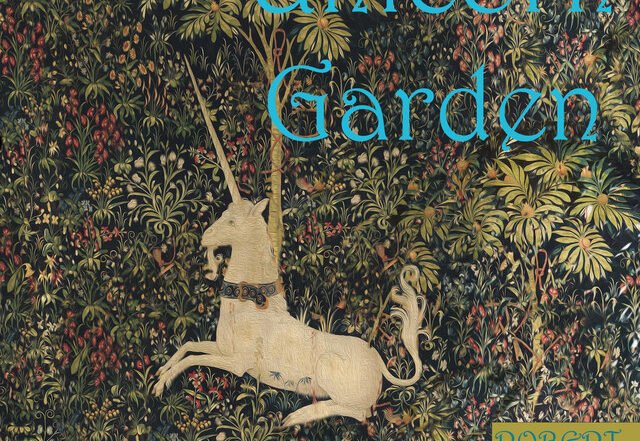
Robert Anton Strobel – Garden of Heavenly Dreams
Peace and serenity, creativity and balance may well be found in music too. Discover them inside the smooth tapestry of Cinematic sound as presented from a tale... >>> Read more & listen to this song on Nagamag #cinematic #epicmusic #robertantonstrobel #unitedstates #nagamag #musicmagazine IG: @strobelcomposer

Mare Insularum Pier – One
Композиция -Mare Insularum Pier- поразила нас своей красотой и глубиной. Музыка отводит взгляд за горизонт, открывая перед слушателем прекрасный вид на бесконе... >>> Read more & listen to this song on Nagamag #neo #modernclassical #mareinsularumpier #italy #nagamag #musicmagazine
Difference between Classical and Neoclassical Music
Classical music refers to a broad range of music written in the classical tradition, which encompasses a wide range of styles and forms. It is generally characterized by its formal structure and its use of traditional instruments and ensemble configurations.
Neoclassicism is a style of music that refers to the revival and use of classical forms and styles in music, particularly in the 18th and early 19th centuries. It is characterized by its use of clear, concise forms and a focus on structure and balance. Neoclassicism was a reaction against the romantic style of music, which was characterized by emotion and passion, and was influenced by the ideas of the Enlightenment, which valued reason and classical learning.
Some of the key differences between classical and neoclassical music include:
Time period: Classical music refers to music written during the classical period (1730-1820), while neoclassicism refers to music written after the classical period that incorporates elements of classical forms and styles.
Emphasis on structure: Classical music is known for its formal structure and the use of traditional forms such as the sonata and the symphony. Neoclassical music also places a strong emphasis on structure, but may also incorporate elements of popular music and folk music.
Emphasis on emotion: Classical music is often more reserved and formal in its emotional expression, while neoclassicism tends to be more emotional and expressive.
Use of tonality: Both classical and neoclassical music use tonality, but neoclassicism often incorporates a wider range of tonal structures and may experiment with atonality.
Use of traditional instruments: Both classical and neoclassical music use traditional classical instruments such as strings, woodwinds, brass, and percussion. However, neoclassicism may also incorporate elements of popular music and folk music, and may use a wider range of instruments.
Overall, the main difference between classical and neoclassical music is the time period in which the music was written, and the specific techniques and styles used by the composer. Classical music is generally more formal and reserved in its expression, while neoclassicism tends to be more expressive and may incorporate elements of popular music and folk music.
The most used instruments in Neoclassical Music
In neoclassical music, the most common instruments used are those found in the classical orchestra, including:
Strings: Violin, viola, cello, double bass
Woodwinds: Flute, oboe, clarinet, bassoon
Brass: Trumpet, French horn, trombone, tuba
Percussion: Timpani, snare drum, bass drum, cymbals, xylophone, marimba, triangle
Keyboard: Piano, harpsichord
These instruments are often used to create a wide range of textures and sounds, and are featured in many different types of classical music, including neoclassical music. In addition to these instruments, many composers also incorporate elements of popular music and folk music into their compositions, and may use a variety of other instruments such as guitars, bass, drums, and synthesizers.
It’s also worth noting that many composers and performers of neoclassical music are skilled in a variety of different instruments, and may switch between different instruments in order to achieve the desired sound and texture.
Vocals are sometimes used in neoclassical music, although they are not as common as instrumental music. When vocals are used in neoclassical music, they are typically performed by trained classical singers who have the ability to sing with precise pitch and control.
One common use of vocals in neoclassical music is in operatic compositions, where singers perform arias and recitatives in a style that is similar to traditional opera. Neoclassical opera is a subgenre of classical music that combines elements of traditional opera with elements of neoclassicism, and often incorporates elements of popular music and folk music.
In addition to operatic vocals, vocals may also be used in other forms of neoclassical music, such as choral music or vocal chamber music. Some composers may also incorporate elements of popular music or folk music into their compositions, and may use vocals in a more modern or experimental style.
It’s worth noting that the use of vocals in neoclassical music is highly dependent on the individual composer and the specific piece of music, and not all neoclassical compositions will feature vocals.