
Neoclassical Music ⁞ New Releases⁞ Artist Interviews⁞ Music News
Introduction of Neoclassical Music
Neoclassical music is a style of classical music that is characterized by its use of traditional forms and styles, as well as a focus on structure and balance. It is often seen as a reaction against the romantic style of music, which was characterized by emotion and passion, and was influenced by the ideas of the Enlightenment, which valued reason and classical learning.
Some of the key features of neoclassical music include the use of traditional forms such as sonata form, the use of clear and concise melodies, and the incorporation of elements of folk music and popular music. Neoclassical music also often featured a return to tonality, which is the use of a specific key or tonal center in a piece of music.
The neoclassical style has had a lasting influence on classical music, and it continues to be an important part of the classical repertoire
Favorite Neoclassical Music on Spotify
Favorite Neoclassical Videos on Youtube
Recent Neoclassical Interviews
Neoclassical Features
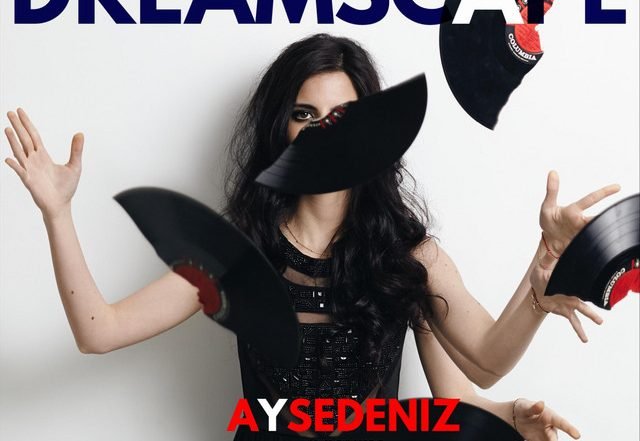
Aysedeniz Gokcin – Prologue of Promises (Spotify)

“Prologue of promises the second out of a fourteen track album from classical/rock crossover pianist Aysedeniz Gokcin, is a mastefully performed solo piece with an eclectic yet elegant aura that ask from listeners to contemplate on reshaping the future and how we want things to be fixed through pure musical notes”
-Nagamag.com
Prologue of Promises is a track that hosts all our wishes and hopes for the future in musical notes. It is a reflection of how we would reshape our future and how we would like to fix things...
AyseDeniz is a classical/rock crossover pianist currently splitting her time between Los Angeles, London, and Istanbul. She started playing piano at age five and was considered a child prodigy in her native home of Turkey. She completed her Bachelor's in Piano Performance at Eastman School of Music in New York and her Masters in Piano Performance at the Royal Academy of Music in London.
AyseDeniz is recognized internationally for her ability to unite the classical genre with classic rock and creating original rock arrangements and compositions, which she now performs for fans worldwide to sold-out shows. She has appeared on BBC News, Vogue, Classic FM, Prog Rock Magazine, and more. The Arts Council England endorses her under the Exceptional Talent Visa.
https://instagram.com/adpianist

Sun Rain – Oils (Spotify)

“In order to explore his expansive sonic ideas, multi-instrumentalist, DJ and producer Chad Skinner launched the Sun rain project fusing his vesatile compositional talents into a delicate emotive acoustic solo – piano melody”
-Nagamag.com
Sun Rain is the solo alias of Toronto-based multi-instrumentalist, DJ, and electronic producer Chad Skinner. His debut solo album Sheets was released in May 2019, yet he's been active since 2014, releasing two albums as one-half of electronic production duo Snowday. In 2017 he conceptually launched the Sun Rain project, fusing his versatile compositional talents to explore his own expansive sonic ideas.
https://www.instagram.com/sunrain_music/
Latest Neoclassical discoveries
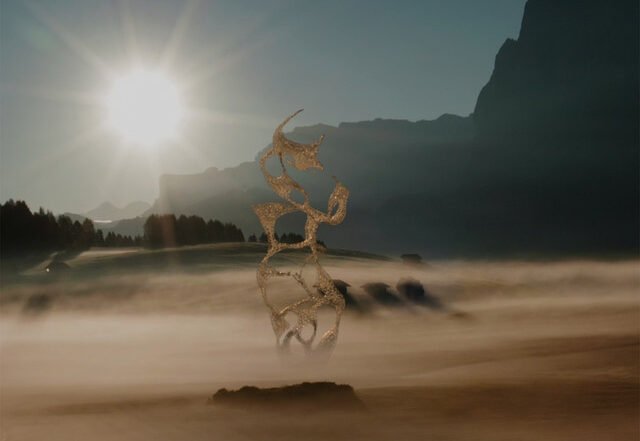
Epokhé – Different Suns Will Change Us
Η εξαίσια και ανήσυχη μελωδία μας μεταφέρει σε κόσμους διαφορετικούς και άγνωστους. Σαν μια κραυγή αγωνίας εισχωρεί μέσα στην ψυχή μας και μας παρασύρει στο με... >>> Read more & listen to this song on Nagamag #cinematic #epicmusic #epokhé #canada #nagamag #musicmagazine

Deep Sleep Panda – Relaxing Spa Music
Η απόλυτη χαλάρωση του μυαλού της ψυχής έρχεται μέσα από αυτή την υπέροχη μελωδία. Οι ήχοι της φύσης σβήνουν το θόρυβο και το άγχος της πόλης και μεταφέρουν ολ... >>> Read more & listen to this song on Nagamag #ambient #deepsleeppanda #unitedstates #nagamag #musicmagazine

Kevin Stahl – Orbits
Η υπέροχη μελωδία ανήσυχη και επιβλητική έρχεται για να μας βγάλει από το μπερδεμένο μας μυαλό και να μας οδηγήσει στο φως, ώστε να δούμε καθαρά μπροστά μας. Μ... >>> Read more & listen to this song on Nagamag #neo #modernclassical #cinematic #epicmusic #crossoverclassical #kevinstahl #unitedstates #nagamag #musicmagazine TW: @kstahl
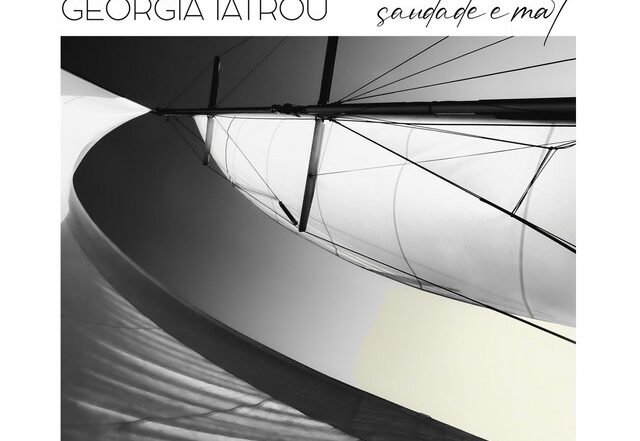
Georgia Iatrou – Saudade E Mar
Guided by a strong feeling of sadness, Georgia Iatrou reveals her piano production skills. Within three minutes of smooth vibrations, peaceful atmosphere and s... >>> Read more & listen to this song on Nagamag #solopiano #neo #modernclassical #georgiaiatrou #greece #nagamag #musicmagazine IG: @georgia.iatrou

Domenico Quaceci – Fiore di primavera
Когда весной первые лучи солнца падают на цветочные поля, их лепестки словно маленькие дети тянутся к теплу. Они наполняют любовью и светом всё вокруг себя, то... >>> Read more & listen to this song on Nagamag #solopiano #domenicoquaceci #italy #nagamag #musicmagazine IG: @domenicoquaceci_official

Sergio Díaz De Rojas – El gato escondido entre las plantas
Η όμορφη και ήρεμη μελωδία σκορπίζει χαρούμενες και ανέμελες στιγμές σε μια ζωή που ελίσσεται και αναζητά την περιπέτεια σε κάθε της βήμα. Με την αθωότητα της ... >>> Read more & listen to this song on Nagamag #solopiano #neo #modernclassical #worldmusiclatin #hispanic #sergiodíazderojas #peru #nagamag #musicmagazine IG: @bonjoursergio

Mircadia – In This, Prevail
Με ευαισθησία και αγάπη οι νότες του πιάνου ακουμπούν την ψυχή μου. Σαν να μην θέλουν να με αναστατώσουν επιστρατεύουν όλη την απαλότητα τους. Η εξαιρετική μελ... >>> Read more & listen to this song on Nagamag #neo #modernclassical #mircadia #unitedstates #nagamag #musicmagazine

Vincent Boot – A Song For You
Эта чудесная мелодия создана для каждого из вас. Её музыка закрадывается в самые потайные уголки вашего подсознания и задевая каждую клеточку вашего тела - впи... >>> Read more & listen to this song on Nagamag #solopiano #vincentboot #netherlands #nagamag #musicmagazine IG: @vincent_boot TW: @upcomingstorms
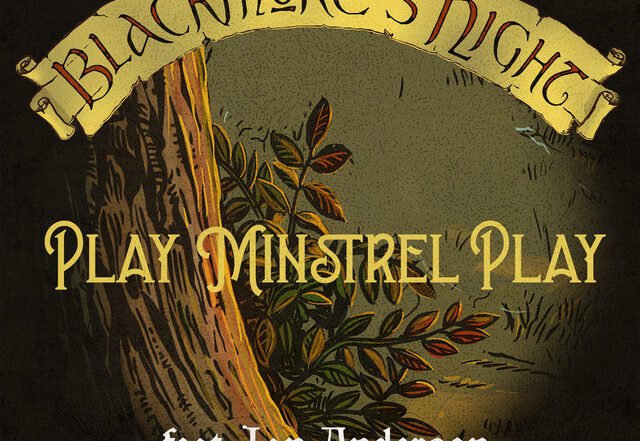
Blackmore’s Night – Play Minstrel Play
Η εκπληκτική μελωδία αφήνει την φαντασία μας ελεύθερη να περιπλανηθεί σε όμορφα δάση με πυκνή βλάστηση και δέντρα ψηλά. Χανόμαστε μέσα στη μαγεία της και εξερε... >>> Read more & listen to this song on Nagamag #neo #modernclassical #neofolk #blackmore'snight #unitedstates #nagamag #musicmagazine
Difference between Classical and Neoclassical Music
Classical music refers to a broad range of music written in the classical tradition, which encompasses a wide range of styles and forms. It is generally characterized by its formal structure and its use of traditional instruments and ensemble configurations.
Neoclassicism is a style of music that refers to the revival and use of classical forms and styles in music, particularly in the 18th and early 19th centuries. It is characterized by its use of clear, concise forms and a focus on structure and balance. Neoclassicism was a reaction against the romantic style of music, which was characterized by emotion and passion, and was influenced by the ideas of the Enlightenment, which valued reason and classical learning.
Some of the key differences between classical and neoclassical music include:
Time period: Classical music refers to music written during the classical period (1730-1820), while neoclassicism refers to music written after the classical period that incorporates elements of classical forms and styles.
Emphasis on structure: Classical music is known for its formal structure and the use of traditional forms such as the sonata and the symphony. Neoclassical music also places a strong emphasis on structure, but may also incorporate elements of popular music and folk music.
Emphasis on emotion: Classical music is often more reserved and formal in its emotional expression, while neoclassicism tends to be more emotional and expressive.
Use of tonality: Both classical and neoclassical music use tonality, but neoclassicism often incorporates a wider range of tonal structures and may experiment with atonality.
Use of traditional instruments: Both classical and neoclassical music use traditional classical instruments such as strings, woodwinds, brass, and percussion. However, neoclassicism may also incorporate elements of popular music and folk music, and may use a wider range of instruments.
Overall, the main difference between classical and neoclassical music is the time period in which the music was written, and the specific techniques and styles used by the composer. Classical music is generally more formal and reserved in its expression, while neoclassicism tends to be more expressive and may incorporate elements of popular music and folk music.
The most used instruments in Neoclassical Music
In neoclassical music, the most common instruments used are those found in the classical orchestra, including:
Strings: Violin, viola, cello, double bass
Woodwinds: Flute, oboe, clarinet, bassoon
Brass: Trumpet, French horn, trombone, tuba
Percussion: Timpani, snare drum, bass drum, cymbals, xylophone, marimba, triangle
Keyboard: Piano, harpsichord
These instruments are often used to create a wide range of textures and sounds, and are featured in many different types of classical music, including neoclassical music. In addition to these instruments, many composers also incorporate elements of popular music and folk music into their compositions, and may use a variety of other instruments such as guitars, bass, drums, and synthesizers.
It’s also worth noting that many composers and performers of neoclassical music are skilled in a variety of different instruments, and may switch between different instruments in order to achieve the desired sound and texture.
Vocals are sometimes used in neoclassical music, although they are not as common as instrumental music. When vocals are used in neoclassical music, they are typically performed by trained classical singers who have the ability to sing with precise pitch and control.
One common use of vocals in neoclassical music is in operatic compositions, where singers perform arias and recitatives in a style that is similar to traditional opera. Neoclassical opera is a subgenre of classical music that combines elements of traditional opera with elements of neoclassicism, and often incorporates elements of popular music and folk music.
In addition to operatic vocals, vocals may also be used in other forms of neoclassical music, such as choral music or vocal chamber music. Some composers may also incorporate elements of popular music or folk music into their compositions, and may use vocals in a more modern or experimental style.
It’s worth noting that the use of vocals in neoclassical music is highly dependent on the individual composer and the specific piece of music, and not all neoclassical compositions will feature vocals.