
Neoclassical Music ⁞ New Releases⁞ Artist Interviews⁞ Music News
Introduction of Neoclassical Music
Neoclassical music is a style of classical music that is characterized by its use of traditional forms and styles, as well as a focus on structure and balance. It is often seen as a reaction against the romantic style of music, which was characterized by emotion and passion, and was influenced by the ideas of the Enlightenment, which valued reason and classical learning.
Some of the key features of neoclassical music include the use of traditional forms such as sonata form, the use of clear and concise melodies, and the incorporation of elements of folk music and popular music. Neoclassical music also often featured a return to tonality, which is the use of a specific key or tonal center in a piece of music.
The neoclassical style has had a lasting influence on classical music, and it continues to be an important part of the classical repertoire
Favorite Neoclassical Music on Spotify
Favorite Neoclassical Videos on Youtube
Recent Neoclassical Interviews
Neoclassical Features
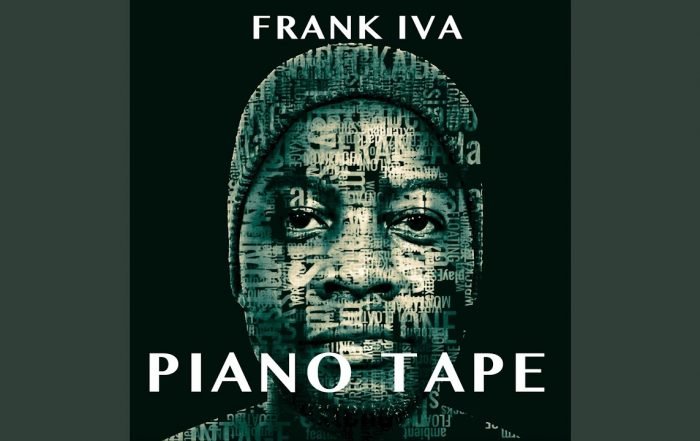
Frank Iva – Wreckage (Video)
“Wreckage by Frank Iva is a deep emotive solo piano which explores the shades of nostalgy through a well gently performance.”
-Nagamag.com
FRANK IVA is a Ugandan-born American music producer based in San Diego, CA. His work is an exciting fusion of electronic and live music with hints of jazz, hiphop, classical and gospel influence.
Even though his dream was to be a concert pianist, he first attended college as a Statistics major at the prestigious Makerere University in Kampala, Uganda. Through college and beyond, Frank coached worship teams, taught piano, and worked as a record engineer. In 2006, he moved from Kampala to the U.S. to pursue his dreams as a producer and artist.
As a black international student pursuing a degree in Music from Judson University, Frank’s worldview was soon greatly impacted through working as Worship Arts Director for a predominantly white evangelical church in the suburbs of Chicago. He faced both overt and subtle racism in America, that left him hurt and confused about his purpose.
A series of life-altering events took Frank through a time of no music, no church; of love, loss, and redemption; and across the country to San Diego, CA where he now resides. His work as Music Director at The Rock Church, as well as his MBA in Project Management has propelled his path back to his dreams.
Today, you can find Frank Iva merging his love of Chicago’s improv Jazz with that relaxed California electro vibe, with his first single ‘Conversations’, released May 2019. His anticipated uptempo followup, ‘Bassline’, was released December 2019. He will be releasing his first EP in early 2020. You can also view video of live production and performance in Frank’s ‘Iva On The Track” series on YouTube.
https://www.instagram.com/frankivamusic/

Jonny Southard – Until Then (Spotify)

“Until then a collaboration between british composer Jonny Southard andambient artist Kirk Smith is a short but moving neo-classical pianotrack with a minimal yet uplifting ambient music embellished with deep cinematic textures ”
-Nagamag.com
This is a collaboration between UK composer Jonny Southard and Memphis based ambient artist Kirk Smith (We Dream of Eden). Its a neo-classical piano track with ambient, cinematic textures. This short but moving piece creates feelings of longing and hopefulness for what is yet to come.
Latest Neoclassical discoveries

Sacha Hoedemaker – Blue Ocean
У океана теперь есть своя собственная мелодия и благодаря -Sacha Hoedemaker- и его таланту мы сможем послушать, о чём думает и мечтает эта глубокая синева. Фор... >>> Read more & listen to this song on Nagamag #solopiano #neo #modernclassical #sachahoedemaker #netherlands #nagamag #musicmagazine IG: @sachahoedemaker

Freigefyhl – When The Wind Calls You
Когда ветер зовёт тебя, моё дыхание останавливается и вместе с пением утренних птиц прислушивается к шелесту листвы в кронах деревьев. Быть может там, на самом... >>> Read more & listen to this song on Nagamag #solopiano #neo #modernclassical #freigefyhl #germany #nagamag #musicmagazine IG: @freigefyhl_piano
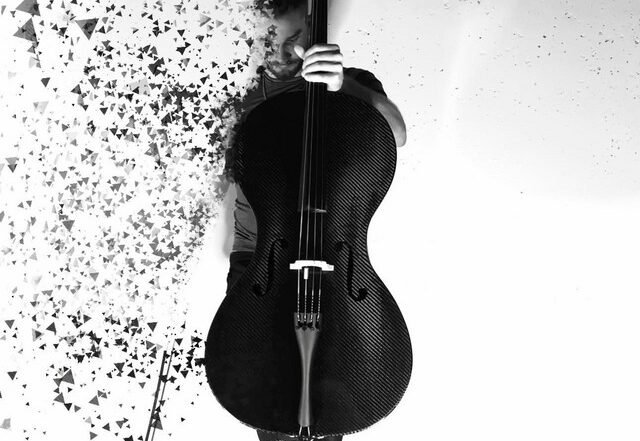
Drew Wiegman – The Climb
Мелодия создаёт напряжение, её вибрацию вы можете почувствовать прохладой в воздухе. Музыка словно плачет, делится со своим слушателем своей трагичной историей... >>> Read more & listen to this song on Nagamag #neo #modernclassical #drewwiegman #unitedstates #nagamag #musicmagazine IG: @andrew.wiegman
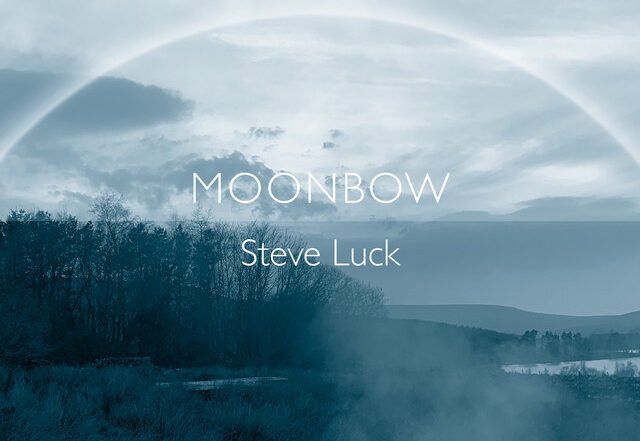
Steve Luck – Moonbow
Το μελαγχολικό τοπίο με κάνει πιο σκεπτικό και η όμορφη μελωδία στέκεται δίπλα μου σαν τον καλό φίλο. Θλιμμένη κι αυτή αλλά έτοιμη να δώσει τη δύναμη της για έ... >>> Read more & listen to this song on Nagamag #solopiano #neo #modernclassical #steveluck #unitedkingdom #nagamag #musicmagazine IG: @steveluckmusic TW: @steveluck
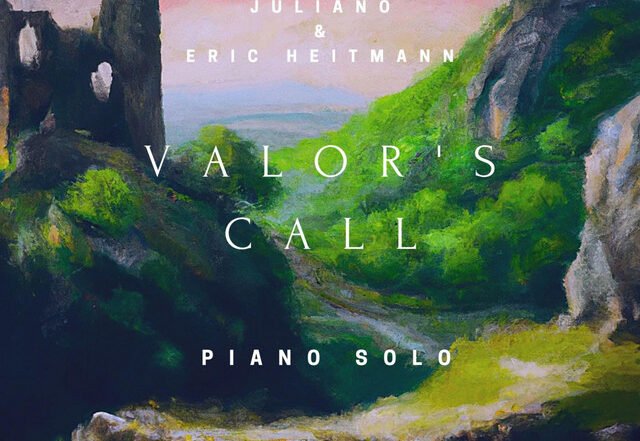
Juliano x Eric Heitmann – Valor’s Call Piano Solo
Η ήρεμη μελωδία ξεκουράζει το μυαλό και την ψυχή. Οι χαρούμενες νότες της ξεπηδούν αυθόρμητα και μας φέρνουν ευεξία. Ρουφάμε την ενέργεια της σαν τα διψασμένα ... >>> Read more & listen to this song on Nagamag #solopiano #cinematic #epicmusic #juliano #julianoxericheitmann #unitedstates #germany #nagamag #musicmagazine IG: @juliano_piano_music
Frerick den Haan – The Art of Aesthetics
Σαν ένας όμορφος περίπατος μέσα σε τοπίο μαγικό η εκπληκτική μελωδία με γεμίζει συναισθήματα νοσταλγίας αλλά και χαράς. Όσο προχωρώ τα βήματα μου είναι όλο και... >>> Read more & listen to this song on Nagamag #solopiano #neo #modernclassical #traditionalclassical #frerickdenhaan #netherlands #nagamag #musicmagazine IG: @frerickdenhaanmusic

Neil Foster – Still Point
Вы находитесь в атмосфере полной идиллии, вас ничего не беспокоит, сердце спокойно, а душа парит высоко над головой. Если бы тишину можно было услышать, то она... >>> Read more & listen to this song on Nagamag #neo #modernclassical #experimentalelectronic #neilfoster #unitedkingdom #nagamag #musicmagazine IG: @neil_foster_music
Szymon Skoneczny – Space desert
Επιβλητική και στιβαρή μελωδία που αναστατώνει τα συναισθήματα μας και μας απογειώνει. Με ορμή και τόλμη μας παρασύρει και νιώθουμε μαχητές της ζωής διεκδικώντ... >>> Read more & listen to this song on Nagamag #cinematic #epicmusic #szymonskoneczny #poland #nagamag #musicmagazine

Kevyn Oliveira – End
Mysterious background tapestry and elusive melodic frequencies are waiting to be discovered in the new release of Kevyn Oliveira. The Brazilian artist combines... >>> Read more & listen to this song on Nagamag #solopiano #neo #modernclassical #ambient #kevynoliveira #brazil #nagamag #musicmagazine TW: @kevvvoliveira
Difference between Classical and Neoclassical Music
Classical music refers to a broad range of music written in the classical tradition, which encompasses a wide range of styles and forms. It is generally characterized by its formal structure and its use of traditional instruments and ensemble configurations.
Neoclassicism is a style of music that refers to the revival and use of classical forms and styles in music, particularly in the 18th and early 19th centuries. It is characterized by its use of clear, concise forms and a focus on structure and balance. Neoclassicism was a reaction against the romantic style of music, which was characterized by emotion and passion, and was influenced by the ideas of the Enlightenment, which valued reason and classical learning.
Some of the key differences between classical and neoclassical music include:
Time period: Classical music refers to music written during the classical period (1730-1820), while neoclassicism refers to music written after the classical period that incorporates elements of classical forms and styles.
Emphasis on structure: Classical music is known for its formal structure and the use of traditional forms such as the sonata and the symphony. Neoclassical music also places a strong emphasis on structure, but may also incorporate elements of popular music and folk music.
Emphasis on emotion: Classical music is often more reserved and formal in its emotional expression, while neoclassicism tends to be more emotional and expressive.
Use of tonality: Both classical and neoclassical music use tonality, but neoclassicism often incorporates a wider range of tonal structures and may experiment with atonality.
Use of traditional instruments: Both classical and neoclassical music use traditional classical instruments such as strings, woodwinds, brass, and percussion. However, neoclassicism may also incorporate elements of popular music and folk music, and may use a wider range of instruments.
Overall, the main difference between classical and neoclassical music is the time period in which the music was written, and the specific techniques and styles used by the composer. Classical music is generally more formal and reserved in its expression, while neoclassicism tends to be more expressive and may incorporate elements of popular music and folk music.
The most used instruments in Neoclassical Music
In neoclassical music, the most common instruments used are those found in the classical orchestra, including:
Strings: Violin, viola, cello, double bass
Woodwinds: Flute, oboe, clarinet, bassoon
Brass: Trumpet, French horn, trombone, tuba
Percussion: Timpani, snare drum, bass drum, cymbals, xylophone, marimba, triangle
Keyboard: Piano, harpsichord
These instruments are often used to create a wide range of textures and sounds, and are featured in many different types of classical music, including neoclassical music. In addition to these instruments, many composers also incorporate elements of popular music and folk music into their compositions, and may use a variety of other instruments such as guitars, bass, drums, and synthesizers.
It’s also worth noting that many composers and performers of neoclassical music are skilled in a variety of different instruments, and may switch between different instruments in order to achieve the desired sound and texture.
Vocals are sometimes used in neoclassical music, although they are not as common as instrumental music. When vocals are used in neoclassical music, they are typically performed by trained classical singers who have the ability to sing with precise pitch and control.
One common use of vocals in neoclassical music is in operatic compositions, where singers perform arias and recitatives in a style that is similar to traditional opera. Neoclassical opera is a subgenre of classical music that combines elements of traditional opera with elements of neoclassicism, and often incorporates elements of popular music and folk music.
In addition to operatic vocals, vocals may also be used in other forms of neoclassical music, such as choral music or vocal chamber music. Some composers may also incorporate elements of popular music or folk music into their compositions, and may use vocals in a more modern or experimental style.
It’s worth noting that the use of vocals in neoclassical music is highly dependent on the individual composer and the specific piece of music, and not all neoclassical compositions will feature vocals.