
Jazz Music ⁞ New Releases⁞ Artist Interviews⁞ Music News
Introduction of Jazz Music
Jazz is a genre of music that originated in the African-American communities of New Orleans, United States, in the late 19th and early 20th centuries. It is characterized by its use of improvisation, complex harmonic structures, and a wide range of musical influences, including blues, gospel, and European classical music. Jazz is known for its swing rhythm, which is created by the use of syncopated rhythms and a strong pulse. It is often played by small ensembles, such as a quintet or sextet, and is known for its ability to adapt to a wide range of musical contexts and styles. Jazz has had a significant influence on many other genres of music, and has been an important part of the cultural fabric of the United States and the rest of the world for more than a century.
Jazz by Nagamag Playlist on Spotify
Recent Jazz Interviews
Jazz Featured Releases

Saïna – Wrong Love
“Very relaxing song with smooth rhythm and groove. Lush piano theme in the background makes the basic structure of the song, that expands in a wonderful way with the amazing lead vocal. Her voice is just beautiful, style, color, everything is full of emotions. Horn section adds more jazz elements to the very lunge mood song have. ”
“Πολύ χαλαρωτικό τραγούδι με ομαλό ρυθμό και αυλάκι. Το πλούσιο θέμα πιάνου στο παρασκήνιο κάνει τη βασική δομή του τραγουδιού, που επεκτείνεται με θαυμάσιο τρόπο με το εκπληκτικό φωνητικό μολύβι. Η φωνή της είναι απλά όμορφη, στυλ, χρώμα, όλα είναι γεμάτα συναισθήματα. Το τμήμα Horn προσθέτει περισσότερα στοιχεία τζαζ στο τραγούδι της διάθεσης πολύ.” *
“Canción muy relajante con ritmo suave y ritmo. El tema de piano exuberante en el fondo hace la estructura básica de la canción, que se expande de una manera maravillosa con la increíble voz principal. Su voz es simplemente hermosa, estilo, color, todo está lleno de emociones. La sección de bocinas agrega más elementos de jazz a la canción de Mounge Mood que tiene.” *
-Nagamag.com
The song “Saïna – Wrong Love” is released by Circa80’s
Song Sources for “Saïna – Wrong Love”:
Spotify: https://open.spotify.com/track/2U09Gezu5PFkfoDiFJGKwm
Find Saïna on Socials:
Instagram: https://www.instagram.com/baby.zeen
Twitter: https://twitter.com/saina_music
TikTok: https://www.tiktok.com/@baby.zeen
Website of Saïna:
https://distrokid.com/hyperfollow/sana4/wrong-love
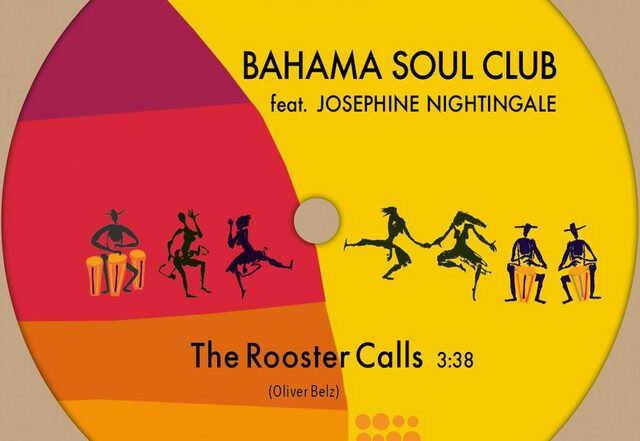
The Bahama Soul Club – The Rooster Calls feat. Josephine Nightingale
“Amazing journey you will have with this song. Perfectly seductive vibe and groovy rhythm will take your mind to many places. Vocals are amazing, fitting the swing style and funk mood of the song in a great manner. Song have an amazing flow, production is top notch, but somehow it feels like a jam session, just great. ”
“Καταπληκτικό ταξίδι που θα έχετε με αυτό το τραγούδι. Το απόλυτα σαγηνευτικό vibe και ο Groovy Rhythm θα πάρουν το μυαλό σας σε πολλά μέρη. Τα φωνητικά είναι εκπληκτικά, προσαρμόζοντας το στυλ ταλάντευσης και τη διάθεση του τραγουδιού με τον καλύτερο τρόπο. Το τραγούδι έχει μια εκπληκτική ροή, η παραγωγή είναι κορυφαία εγκοπή, αλλά με κάποιο τρόπο αισθάνεται σαν μια συνάντηση μαρμελάδας, απλά μεγάλη.” *
“Jornada incrível que você terá com essa música. Vibe perfeitamente sedutora e ritmo groovy levarão sua mente a muitos lugares. Os vocais são incríveis, ajustando o estilo de swing e o humor do funk da música de uma ótima maneira. A música tem um fluxo incrível, a produção é de primeira qualidade, mas de alguma forma parece uma sessão de jam, apenas ótima.” *
-Nagamag.com
The song “The Bahama Soul Club – The Rooster Calls feat. Josephine Nightingale” is released by Buyu-Records
Song Sources for “The Bahama Soul Club – The Rooster Calls feat. Josephine Nightingale”:
Spotify: https://open.spotify.com/track/1f3oXc85fXIxtJuWEsc83d

Grizzly Beatz – A Walk
“Very calming track with easy listening structure and smooth beats. Dreamy sounds and melodic structure creates really enjoyable listening experience. Pitched up vocal is perfectly expanding that mood, delivering a very catchy moment within the track. Lower frequency string gives depth with its bass line alike sound. ”
“Πολύ ηρεμιστικό κομμάτι με εύκολη δομή ακρόασης και ομαλές ρυθμές. Οι ονειρικοί ήχοι και η μελωδική δομή δημιουργούν πραγματικά ευχάριστη εμπειρία ακρόασης. Το φωνητικό φωνητικό είναι απόλυτα επεκτείνει αυτή τη διάθεση, παρέχοντας μια πολύ πιασάρικη στιγμή μέσα στην πίστα. Η χαμηλότερη συμβολοσειρά συχνότητας δίνει βάθος με τον ήχο της μπάσων.” *
“Pista muy calmante con una fácil estructura de escucha y ritmos suaves. Los sonidos soñadores y la estructura melódica crean una experiencia auditiva realmente agradable. Pitched Up Vocal está expandiendo perfectamente ese estado de ánimo, ofreciendo un momento muy pegadizo dentro de la pista. La cadena de frecuencia más baja proporciona profundidad con su línea de bajo por igual.” *
-Nagamag.com
The song “Grizzly Beatz – A Walk” is released by Grizzly Beatz LLC
Song Sources for “Grizzly Beatz – A Walk”:
Spotify: https://open.spotify.com/track/2wlOJWcMln0xftXvtXHNIX
Youtube: https://www.youtube.com/watch?v=Pgo8Kaqu5X4
Apple Music: https://music.apple.com/us/album/a-walk/1656329106?i=1656329107
Deezer: https://www.deezer.com/track/2038749747
Find Grizzly Beatz on Socials:
Instagram: https://www.instagram.com/officialgrizzlybeatz
Twitter: https://twitter.com/Grizzlybeatz
TikTok: https://www.tiktok.com/@officialgrizzlybeatz
Latest Jazz discoveries

Composition Review: JOE-G. – Left, Right | Jazz
Ένα υπέροχο πάρτι ξεκινά και οι χορευτικές μας κινήσεις παραδίνονται στον έντονο ρυθμό. Η ευχάριστη και δυναμική μελωδία μας ... >>> Read full review & listen to the song on Nagamag #funk #poprap #joeg #unitedstates #nagamag #musicmagazine #musicreview #review

Collaboration Review: Daniel Vildósola x John Waugh – Noise & Faith | Jazz
Με αργές και προσεκτικές κινήσεις η μελωδία μας πλησιάζει και δημιουργεί μια μοναδική ατμόσφαιρα χαλάρωσης και ηρεμίας. Οι αν... >>> Read full review & listen to the song on Nagamag #jazzfusion #crossoverclassical #danielvildósolaxjohnwaugh #danielvildósolaxjohnwaugh #unitedstates #unitedkingdom #nagamag #musicmagazine #musicreview #review
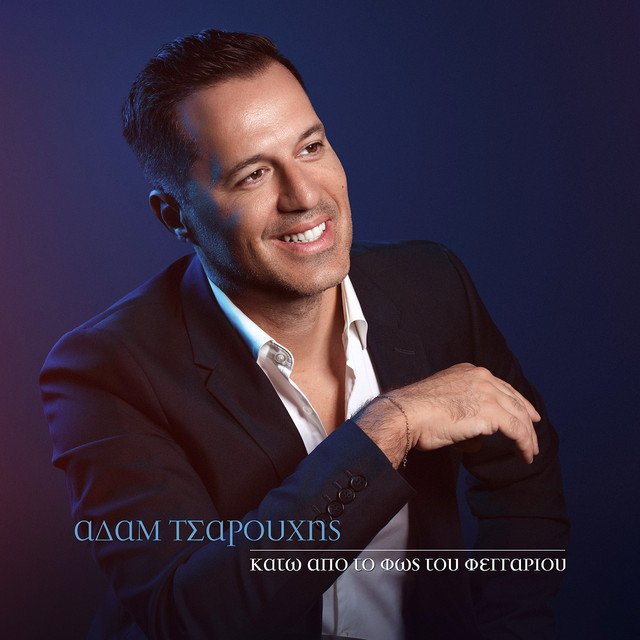
Single Critique: “Under Moonlight” by Adam Tsarouchis | Jazz Review
Τα ωραία ρομαντικά αγγίγματα της μελωδίας κάνουν την καρδιά μας να χτυπούν δυνατά, ειδικά στο 2:06, και μας μεταφέρουν πίσω σ... >>> Read full review & listen to the song on Nagamag #jazz #adamtsarouchis #greece #nagamag #musicmagazine #musicreview #review

Song Review: “I Wish You Love (feat. Eric Wheeler, Joe Dyson, Joel Ross & Sean Mason)” by Lauren Henderson | A Jazz Discovery
Τα απαλά και αισθησιακά φωνητικά μας παρασύρουν στο υπέροχο μελωδικό ταξίδι τους και το πάθος τους μας ζωντανεύει. Η κεφάτη κ... >>> Read full review & listen to the song on Nagamag #jazz #laurenhenderson #unitedstates #nagamag #musicmagazine #musicreview #review

Single Review: Lauren Henderson – Purple (feat. Sullivan Fortner, Dezron Douglas & Joe Dyson) | Listen to Jazz
Με ωραία παιχνιδιάρικη διάθεση ο ρυθμός μας μεταφέρει σε μια απολαυστική ατμόσφαιρα κάτω από το φως των αστεριών. Τα φωνητικά... >>> Read full review & listen to the song on Nagamag #neosoul #laurenhenderson #unitedstates #nagamag #musicmagazine #musicreview #review
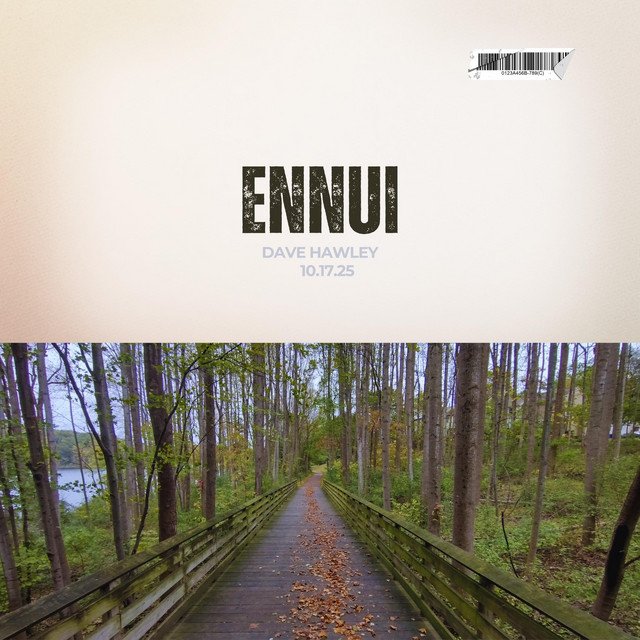
Next Up Jazz Review: Dave Hawley – Ennui
Μια γοητευτική περιπλάνηση ξεκινά μέσα από αυτή τη υπέροχη μελωδία. Με τον ευχάριστο και καθησυχαστικό χαρακτήρα της πραγματι... >>> Read full review & listen to the song on Nagamag #nujazz #jazztronica #davehawley #unitedstates #nagamag #musicmagazine #musicreview #review

Colab Review: “Dontukno” by Barrett Staples x hot beige | Jazz Release
Οι ευχάριστες νότες της μελωδίας έρχονται σαν τις ευεργετικές σταγόνες της βροχής μετά την ξηρασία και μας τονώνουν ψυχικά. Μ... >>> Read full review & listen to the song on Nagamag #neosoul #barrettstaplesxhotbeige #barrettstaplesxhotbeige #unitedstates #nagamag #musicmagazine #musicreview #review

Release Critique: Estelle Chen – touch | Jazz Review
Μέσα στη βουή της πόλης η απαλή αυτή μελωδία προσπαθεί να κρατήσει τις ισορροπίες. Ο χρόνος για λίγο σταματά και ερχόμαστε κο... >>> Read full review & listen to the song on Nagamag #contemporaryrnb #estellechen #france #nagamag #musicmagazine #musicreview #review

Song Review: “One World” by Heather Christine | A Jazz Discovery
Τα φανταστικά φωνητικά με το απαλό και εκλεπτυσμένο στυλ τους ανεβάζουν το επίπεδο της διασκέδασης. Οι απίστευτες ικανότητες ... >>> Read full review & listen to the song on Nagamag #blues #heatherchristine #canada #nagamag #musicmagazine #musicreview #review
Some Jazz subgenres
There are many subgenres of jazz, and the boundaries between them can be somewhat fluid. Here are a few of the most common subgenres of jazz:
Dixieland jazz: Also known as “traditional” or “New Orleans” jazz, this style is characterized by its use of collective improvisation and a strong rhythm section, featuring instruments such as the trumpet, trombone, and clarinet.
Swing: This style emerged in the 1930s and 1940s and is characterized by its use of a swinging rhythm and big band instrumentation. It was popularized by bands led by musicians such as Duke Ellington and Benny Goodman.
Bebop: This style emerged in the 1940s and is characterized by its fast tempo, complex chord progressions, and extensive use of improvisation. It was popularized by musicians such as Charlie Parker and Dizzy Gillespie.
Cool jazz: This style emerged in the 1950s and is characterized by its use of complex harmonies and a laid-back, relaxed approach to rhythm. It was popularized by musicians such as Miles Davis and Dave Brubeck.
Fusion: This style emerged in the 1970s and is characterized by its incorporation of elements from other genres of music, such as rock, funk, and world music. It was popularized by musicians such as John McLaughlin and Chick Corea.
Smooth jazz: This style emerged in the 1980s and is characterized by its use of electronic instrumentation and a focus on melody and groove. It was popularized by musicians such as George Benson and Grover Washington Jr.
Hard bop: This style emerged in the 1950s and is characterized by its use of blues and gospel influences and its incorporation of elements from bebop and swing. It was popularized by musicians such as Horace Silver and Art Blakey.
Free jazz: This style emerged in the 1960s and is characterized by its use of extended improvisation and a lack of strict chord progressions or other formal structures. It was popularized by musicians such as Ornette Coleman and John Coltrane.
Latin jazz: This style is characterized by its incorporation of Latin American rhythms and melodies, as well as its use of percussion instruments such as congas, timbales, and bongos. It was popularized by musicians such as Tito Puente and Cal Tjader.
Acid jazz: This style emerged in the 1980s and is characterized by its incorporation of elements from funk, soul, and hip hop, as well as its use of electronic instrumentation. It was popularized by musicians such as Brand New Heavies and Jamiroquai.
Jazz-rock: This style emerged in the 1970s and is characterized by its incorporation of elements from rock music and its use of electric instruments. It was popularized by musicians such as Mahavishnu Orchestra and Weather Report.
Jazz-funk: This style is characterized by its incorporation of elements from funk music and its use of electric instruments and groove-based rhythms. It was popularized by musicians such as James Brown and George Clinton.
As with any genre of music, these subgenres are just a few of the many that exist within the broader category of jazz. There are many other styles and variations within jazz.
The most used instruments in Jazz Music
There are many different instruments that are commonly used in jazz music, and the specific instruments used can vary depending on the style and context of the music. Here are a few of the most common instruments used in jazz:
Piano: The piano is a common instrument in jazz music and is often used to provide the harmonic foundation for the music. Jazz pianists may use a range of techniques, including comping (providing chordal accompaniment), soloing (performing a melodic solo), and improvising (creating music spontaneously).
Drums: The drums are an important part of the rhythm section in jazz music and are often used to create a swinging or groove-based feel. Jazz drummers may use a range of techniques, including various stick and cymbal patterns, to create complex rhythms and interactive interactions with other musicians.
Bass: The bass is another important part of the rhythm section in jazz music and is often used to provide the foundation for the music. Jazz bassists may use a range of techniques, including walking bass lines (a repeating pattern of notes played over the chord progression of a song) and soloing, to create a strong rhythmic and melodic foundation for the music.
Guitar: The guitar is often used in jazz music and can play a variety of roles, from providing chordal accompaniment to soloing. Jazz guitarists may use a range of techniques, including chord voicings (arrangements of notes in a chord), arpeggios (broken chords played one note at a time), and improvisation, to create complex and interesting musical textures.
Saxophone: The saxophone is a common instrument in jazz music and is often used to play melodies and improvise solos. Jazz saxophonists may use a range of techniques, including alternate fingerings, multiphonics (playing more than one pitch at a time), and circular breathing (a technique for continuous blowing), to create a wide range of sounds and textures.
Vocals: Vocals are often used in jazz music, and many jazz singers have made significant contributions to the genre. Jazz vocals can take many forms, ranging from scat singing (improvised vocalizations using nonsense syllables) to more traditional vocal styles such as singing with lyrics. Some famous jazz singers include Billie Holiday, Ella Fitzgerald, and Louis Armstrong, all of whom are known for their unique vocal styles and ability to improvise.
In addition to traditional vocals, many jazz musicians also use electronic effects and processing to manipulate their voices, creating a wide range of sounds and textures. Some jazz musicians, such as Bobby McFerrin and Gregory Porter, have made significant contributions to the genre using only their voices, without any accompanying instruments.
In jazz music, lyrics are often used in the same way as in other genres of music, to express emotions, tell a story, or convey a message. However, jazz lyrics may also be used to create a structure for improvisation or to provide a basis for scat singing, which is a form of vocal improvisation in which the singer uses nonsense syllables instead of actual words.
Jazz lyrics may also be more abstract and poetic than lyrics in other genres of music, and may use figurative language or symbolism to convey meaning. Jazz lyrics often reflect the social and cultural contexts in which the music was created, and may address themes such as love, loss, hope, and social or political issues.
Overall, vocals and the meaning of lyrics in jazz music depends on the context in which they are used and the intentions of the songwriter. They can be used to express emotions, tell a story, convey a message, or provide a structure for the music to follow.