
Jazz Music ⁞ New Releases⁞ Artist Interviews⁞ Music News
Introduction of Jazz Music
Jazz is a genre of music that originated in the African-American communities of New Orleans, United States, in the late 19th and early 20th centuries. It is characterized by its use of improvisation, complex harmonic structures, and a wide range of musical influences, including blues, gospel, and European classical music. Jazz is known for its swing rhythm, which is created by the use of syncopated rhythms and a strong pulse. It is often played by small ensembles, such as a quintet or sextet, and is known for its ability to adapt to a wide range of musical contexts and styles. Jazz has had a significant influence on many other genres of music, and has been an important part of the cultural fabric of the United States and the rest of the world for more than a century.
Jazz by Nagamag Playlist on Spotify
Recent Jazz Interviews
Jazz Featured Releases

Aesthetic Sounds – All Good
“Η επιβλητική μελωδία φέρνει έναν αέρα ανανέωσης και το εκλεπτυσμένο ύφος της δηλώνει μια υψηλή αισθητική. Οι αισθήσεις χαλαρώνουν και η ατμόσφαιρα γίνεται αισθησιακή και γοητευτική. Το μυαλό χάνεται στον όμορφο ρυθμό και αποβάλει τις στενάχωρες σκέψεις του. Ένα κομμάτι που πραγματικά οδηγεί στην ψυχική ανάταση.”
“The imposing melody brings a refreshing air and its sophisticated style indicates a high aesthetic. The senses relax and the atmosphere becomes sensual and charming. The mind is lost in the beautiful rhythm and eliminates his distressed thoughts. A piece that really leads to mental uplift.” *
“The imposing melody brings a refreshing air and its sophisticated style indicates a high aesthetic. The senses relax and the atmosphere becomes sensual and charming. The mind is lost in the beautiful rhythm and eliminates his distressed thoughts. A piece that really leads to mental uplift.” *
-Nagamag.com
Song Sources for “Aesthetic Sounds – All Good”:
Spotify: https://open.spotify.com/track/6IKnMleftSUP4w240Sqqwf
Find Aesthetic Sounds on Socials:
Instagram: https://www.instagram.com/aestheticsoundsbeats/
TikTok: https://www.tiktok.com/@aestheticsoundsbeats

Francesco Bianchini – Pied-À-Terre
“Such a positive vibe this song have and it creates that same feeling to the listener. It is such a smooth summer jazz song that will definitely put a smile on your face. Beautiful piano themes in the background is layered with an amazing vocal and even more stunning trumpet solo. Subtle and so effective guitar theme in the background expands the overall feeling. ”
“Μια τέτοια θετική ατμόσφαιρα έχει αυτό το τραγούδι και δημιουργεί το ίδιο συναίσθημα στον ακροατή. Είναι ένα τόσο ομαλό τραγούδι τζαζ καλοκαιρινής τζαζ που σίγουρα θα βάλει ένα χαμόγελο στο πρόσωπό σας. Όμορφα θέματα πιάνου στο παρασκήνιο είναι στρωμένα με ένα εκπληκτικό φωνητικό και ακόμα πιο εκπληκτικό σόλο τρομπέτα. Το λεπτό και τόσο αποτελεσματικό θέμα κιθάρας στο παρασκήνιο επεκτείνει το συνολικό συναίσθημα.” *
“Un’atmosfera così positiva che questa canzone ha e crea la stessa sensazione per l’ascoltatore. È una canzone jazz estiva così liscia che ti farà sicuramente sorridere. Bellissimi temi di piano in sottofondo sono stratificati con un assolo di tromba vocale e ancora più sbalorditivo. Il tema della chitarra sottile e così efficace in background espande la sensazione generale.” *
-Nagamag.com
The song “Francesco Bianchini – Pied-À-Terre” is released by iMD-Allora Blanco records
Song Sources for “Francesco Bianchini – Pied-À-Terre”:
Spotify: https://open.spotify.com/track/1XohDg3NOtP7n4PwITwRpg
Youtube: https://www.youtube.com/watch?v=1v9BtmjkG6M
Apple Music: https://music.apple.com/us/album/pied-%C3%A0-terre-feat-yura-sabitov/1643032615?i=1643032618
Deezer: https://www.deezer.com/track/1890660837
Find Francesco Bianchini on Socials:
Instagram: https://www.instagram.com/allorablanco
Website of Francesco Bianchini:
https://music.apple.com/ru/artist/francesco-bianchini/1060517625
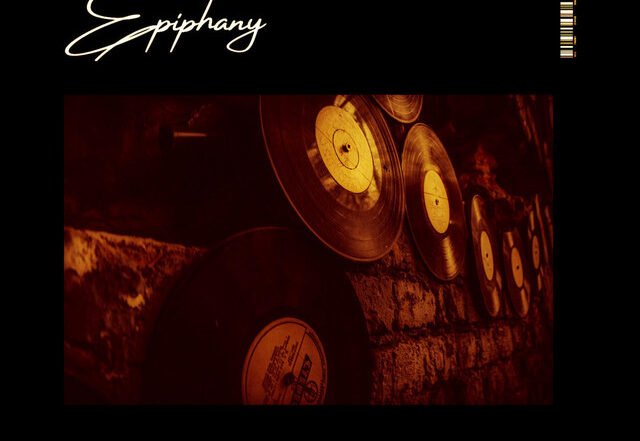
The Event Horizon – Epiphany
“Easy listening sounds, soft, creates lounge atmosphere that is perfect for relaxation. Beats are groovy and makes really nice rhythm patterns that fits the harmonic mood in the background. Subtle and maybe the most interesting part/sound of the track is the synth sequence that layers the bass line, really catchy one. ”
“Εύκολοι ήχοι ακρόασης, μαλακοί, δημιουργούν ατμόσφαιρα σαλόνι που είναι ιδανική για χαλάρωση. Οι κτύποι είναι groovy και κάνουν πραγματικά ωραία μοτίβα ρυθμού που ταιριάζει στην αρμονική διάθεση στο παρασκήνιο. Το λεπτό και ίσως το πιο ενδιαφέρον μέρος/ήχος της διαδρομής είναι η ακολουθία synth που στρώνει τη γραμμή μπάσων, πραγματικά πιασάρικα.” *
“Sonidos de escucha fáciles, suaves, crea un ambiente de salón que es perfecto para relajarse. Los ritmos son maravillosos y son patrones de ritmo realmente agradables que se ajustan al estado de ánimo armónico en el fondo. La parte sutil y quizás la parte más interesante de la pista es la secuencia de sintetizador que coloca la línea de bajo, realmente pegadiza.” *
-Nagamag.com
Song Sources for “The Event Horizon – Epiphany”:
Spotify: https://open.spotify.com/track/7hoF8VvocZ8wztUVNbUs8L
Youtube: https://www.youtube.com/watch?v=P1uHpLt8h5o
Apple Music: https://music.apple.com/us/album/epiphany/1666452959?i=1666452960
Deezer: https://www.deezer.com/track/2114473897
Find The Event Horizon on Socials:
Instagram: https://www.instagram.com/Ehorizon8
Twitter: https://twitter.com/EHorizon8
Latest Jazz discoveries
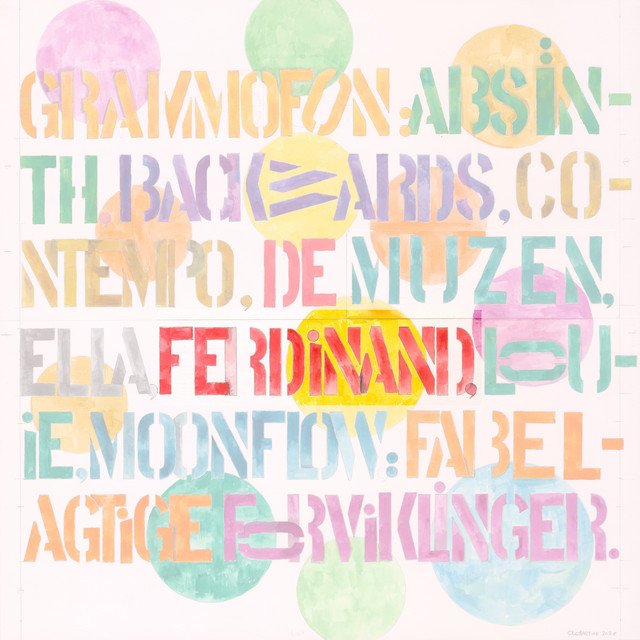
Song Critique: Grammofon – Ferdinand | Jazz Review
Με αισθησιασμό και εκλεπτυσμένη διάθεση, η μοναδική μελωδία σκορπίζεται τριγύρω και η φαντασία σου βρίσκει χώρο να δημιουργήσ... >>> Read full review & listen to the song on Nagamag #jazz #grammofon #denmark #nagamag #musicmagazine #musicreview #review

Colab Review: “Minagan” by Barzo x Kaleta | Jazz Release
Με τα υπέροχα, πληθωρικά φωνητικά, το κομμάτι έρχεται για να μας προσφέρει την απόλυτη διασκέδαση, ενώ η χαρά επιστρέφει ξανά... >>> Read full review & listen to the song on Nagamag #funk #worldmusicafrican #barzoxkaleta #barzoxkaleta #unitedstates #costarica #nagamag #musicmagazine #musicreview #review

Track Review: Klanglys – Sua Calma | Jazz
Η μελωδία, ήρεμα και γαλήνια, ξεδιπλώνεται, και η μέρα μας παίρνει μια όμορφη, αισιόδοξη μορφή, σαν να μας επιβεβαιώνει πως ό... >>> Read full review & listen to the song on Nagamag #nujazz #jazztronica #klanglys #denmark #nagamag #musicmagazine #musicreview #review
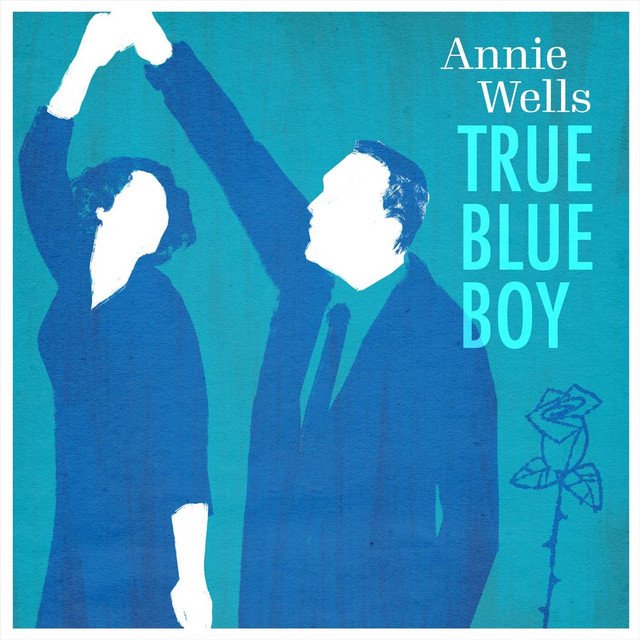
Song Critique Annie Wells – True Blue Boy | Review
Ωραία και αισθησιακά τα φωνητικά απλώνονται στο χώρο και το ταπεραμέντο τους μας δίνει μια αίσθηση μυστηρίου .Η διακριτική αλ... >>> Read full review & listen to the song on Nagamag #jazz #bossanova #anniewells #nagamag #musicmagazine #musicreview #review
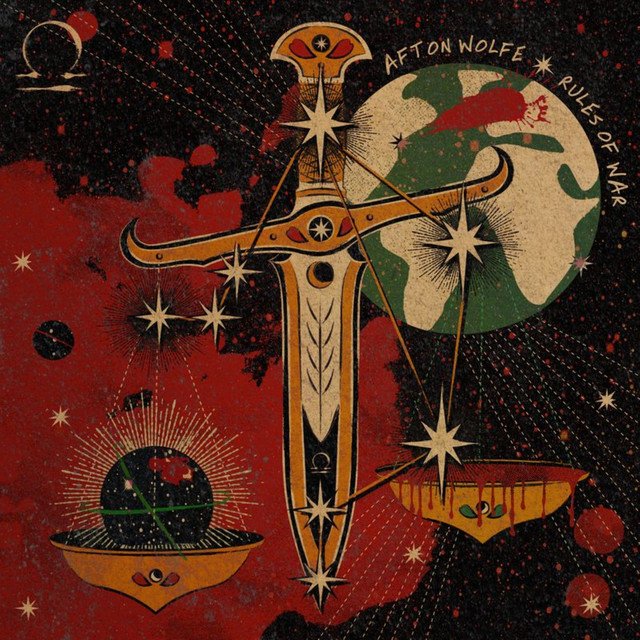
Single Review: Afton Wolfe – Rules of War | Listen to Jazz
Μέσα από τα πλήκτρα του πιάνου ο αισθησιασμός και το ταπεραμέντο ξεπηδούν και μας αναστατώνουν. Η παθιασμένη μελωδία εξάπτει ... >>> Read full review & listen to the song on Nagamag #blues #aftonwolfe #unitedstates #nagamag #musicmagazine #musicreview #review

Song Review: “Spring Rain” by Blunders of the World | A Jazz Discovery
Μελωδίκά και αρμονικά τα φωνητικά λες και ξεφυτρώνουν από τόπους μαγικούς έρχονται για να μας γαληνέψουν και να μας καθησυχάσ... >>> Read full review & listen to the song on Nagamag #neosoul #blundersoftheworld #unitedkingdom #nagamag #musicmagazine #musicreview #review
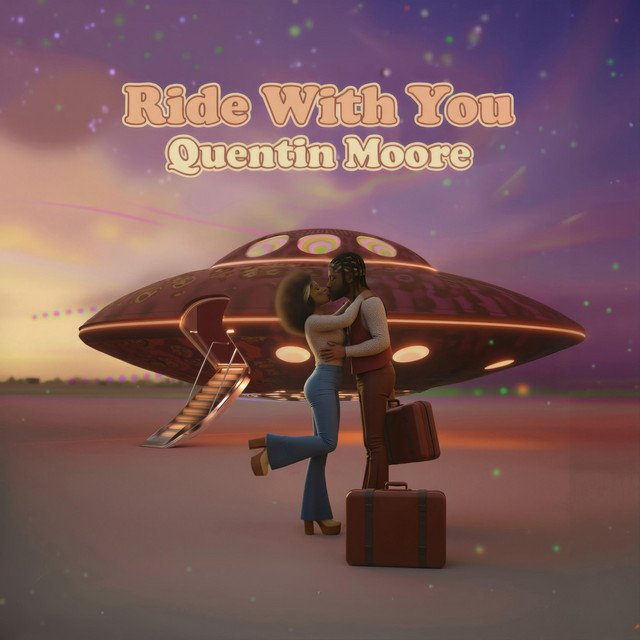
Song Critique Quentin Moore – Don’t Forget Me | Review
Με το εκλεπτυσμένο στυλ της και το ταπεραμέντο της η μελωδία τραβά της προσοχή μας και μας παρασύρει ευχάριστα μαζί της. Τα ε... >>> Read full review & listen to the song on Nagamag #neosoul #quentinmoore #unitedstates #nagamag #musicmagazine #musicreview #review
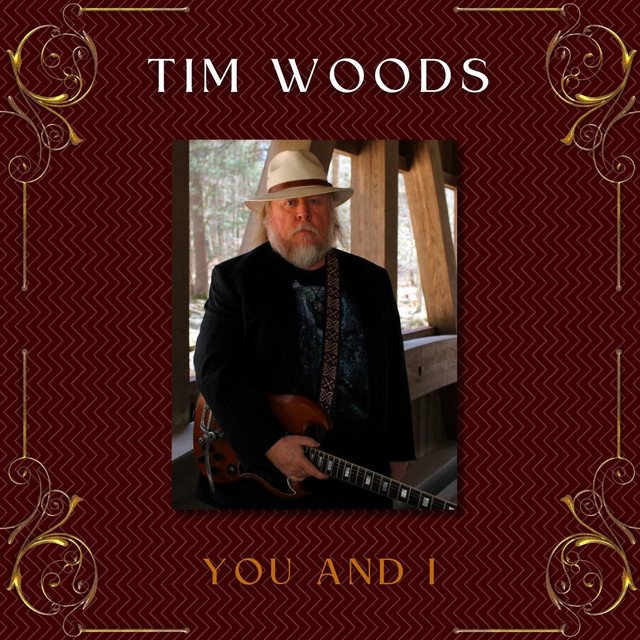
Release Review: Tim Woods – You and I | Jazz
Η ωραία ταξιδιάρικη μελωδία μας μεταφέρει σε όμορφα και διαφορετικά μέρη και ξεκουράζει το μυαλό μας. Τα εκπληκτικά φωνητικά ... >>> Read full review & listen to the song on Nagamag #blues #timwoods #unitedstates #nagamag #musicmagazine #musicreview #review
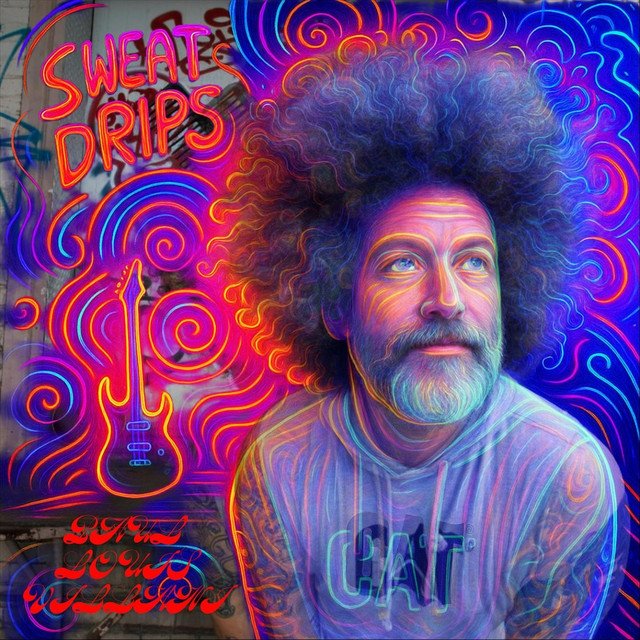
Release Critique: Paul Louis Villani – Sweat Drips | Jazz Review
Με ένταση και κέφι ο ρυθμός δεν σταματά να μας ξεσηκώνει και να μας διασκεδάζει. Τα μοναδικά φωνητικά με τον σκληροπυρηνικό χ... >>> Read full review & listen to the song on Nagamag #funk #paullouisvillani #australia #nagamag #musicmagazine #musicreview #review
Some Jazz subgenres
There are many subgenres of jazz, and the boundaries between them can be somewhat fluid. Here are a few of the most common subgenres of jazz:
Dixieland jazz: Also known as “traditional” or “New Orleans” jazz, this style is characterized by its use of collective improvisation and a strong rhythm section, featuring instruments such as the trumpet, trombone, and clarinet.
Swing: This style emerged in the 1930s and 1940s and is characterized by its use of a swinging rhythm and big band instrumentation. It was popularized by bands led by musicians such as Duke Ellington and Benny Goodman.
Bebop: This style emerged in the 1940s and is characterized by its fast tempo, complex chord progressions, and extensive use of improvisation. It was popularized by musicians such as Charlie Parker and Dizzy Gillespie.
Cool jazz: This style emerged in the 1950s and is characterized by its use of complex harmonies and a laid-back, relaxed approach to rhythm. It was popularized by musicians such as Miles Davis and Dave Brubeck.
Fusion: This style emerged in the 1970s and is characterized by its incorporation of elements from other genres of music, such as rock, funk, and world music. It was popularized by musicians such as John McLaughlin and Chick Corea.
Smooth jazz: This style emerged in the 1980s and is characterized by its use of electronic instrumentation and a focus on melody and groove. It was popularized by musicians such as George Benson and Grover Washington Jr.
Hard bop: This style emerged in the 1950s and is characterized by its use of blues and gospel influences and its incorporation of elements from bebop and swing. It was popularized by musicians such as Horace Silver and Art Blakey.
Free jazz: This style emerged in the 1960s and is characterized by its use of extended improvisation and a lack of strict chord progressions or other formal structures. It was popularized by musicians such as Ornette Coleman and John Coltrane.
Latin jazz: This style is characterized by its incorporation of Latin American rhythms and melodies, as well as its use of percussion instruments such as congas, timbales, and bongos. It was popularized by musicians such as Tito Puente and Cal Tjader.
Acid jazz: This style emerged in the 1980s and is characterized by its incorporation of elements from funk, soul, and hip hop, as well as its use of electronic instrumentation. It was popularized by musicians such as Brand New Heavies and Jamiroquai.
Jazz-rock: This style emerged in the 1970s and is characterized by its incorporation of elements from rock music and its use of electric instruments. It was popularized by musicians such as Mahavishnu Orchestra and Weather Report.
Jazz-funk: This style is characterized by its incorporation of elements from funk music and its use of electric instruments and groove-based rhythms. It was popularized by musicians such as James Brown and George Clinton.
As with any genre of music, these subgenres are just a few of the many that exist within the broader category of jazz. There are many other styles and variations within jazz.
The most used instruments in Jazz Music
There are many different instruments that are commonly used in jazz music, and the specific instruments used can vary depending on the style and context of the music. Here are a few of the most common instruments used in jazz:
Piano: The piano is a common instrument in jazz music and is often used to provide the harmonic foundation for the music. Jazz pianists may use a range of techniques, including comping (providing chordal accompaniment), soloing (performing a melodic solo), and improvising (creating music spontaneously).
Drums: The drums are an important part of the rhythm section in jazz music and are often used to create a swinging or groove-based feel. Jazz drummers may use a range of techniques, including various stick and cymbal patterns, to create complex rhythms and interactive interactions with other musicians.
Bass: The bass is another important part of the rhythm section in jazz music and is often used to provide the foundation for the music. Jazz bassists may use a range of techniques, including walking bass lines (a repeating pattern of notes played over the chord progression of a song) and soloing, to create a strong rhythmic and melodic foundation for the music.
Guitar: The guitar is often used in jazz music and can play a variety of roles, from providing chordal accompaniment to soloing. Jazz guitarists may use a range of techniques, including chord voicings (arrangements of notes in a chord), arpeggios (broken chords played one note at a time), and improvisation, to create complex and interesting musical textures.
Saxophone: The saxophone is a common instrument in jazz music and is often used to play melodies and improvise solos. Jazz saxophonists may use a range of techniques, including alternate fingerings, multiphonics (playing more than one pitch at a time), and circular breathing (a technique for continuous blowing), to create a wide range of sounds and textures.
Vocals: Vocals are often used in jazz music, and many jazz singers have made significant contributions to the genre. Jazz vocals can take many forms, ranging from scat singing (improvised vocalizations using nonsense syllables) to more traditional vocal styles such as singing with lyrics. Some famous jazz singers include Billie Holiday, Ella Fitzgerald, and Louis Armstrong, all of whom are known for their unique vocal styles and ability to improvise.
In addition to traditional vocals, many jazz musicians also use electronic effects and processing to manipulate their voices, creating a wide range of sounds and textures. Some jazz musicians, such as Bobby McFerrin and Gregory Porter, have made significant contributions to the genre using only their voices, without any accompanying instruments.
In jazz music, lyrics are often used in the same way as in other genres of music, to express emotions, tell a story, or convey a message. However, jazz lyrics may also be used to create a structure for improvisation or to provide a basis for scat singing, which is a form of vocal improvisation in which the singer uses nonsense syllables instead of actual words.
Jazz lyrics may also be more abstract and poetic than lyrics in other genres of music, and may use figurative language or symbolism to convey meaning. Jazz lyrics often reflect the social and cultural contexts in which the music was created, and may address themes such as love, loss, hope, and social or political issues.
Overall, vocals and the meaning of lyrics in jazz music depends on the context in which they are used and the intentions of the songwriter. They can be used to express emotions, tell a story, convey a message, or provide a structure for the music to follow.