
Jazz Music ⁞ New Releases⁞ Artist Interviews⁞ Music News
Introduction of Jazz Music
Jazz is a genre of music that originated in the African-American communities of New Orleans, United States, in the late 19th and early 20th centuries. It is characterized by its use of improvisation, complex harmonic structures, and a wide range of musical influences, including blues, gospel, and European classical music. Jazz is known for its swing rhythm, which is created by the use of syncopated rhythms and a strong pulse. It is often played by small ensembles, such as a quintet or sextet, and is known for its ability to adapt to a wide range of musical contexts and styles. Jazz has had a significant influence on many other genres of music, and has been an important part of the cultural fabric of the United States and the rest of the world for more than a century.
Jazz by Nagamag Playlist on Spotify
Recent Jazz Interviews
Jazz Featured Releases

Sergio Párraga – Luces
“Perfect groove with an amazing bass line that gives this song such a smooth drive. Percussions and rhythm parts expands that feeling further, because every part is produced and placed so well. Saxophone lead takes your breath away when it arrives, every other sound sets that moment perfectly, creating truly wonderful song. ”
“Perfect Groove με μια εκπληκτική γραμμή μπάσων που δίνει αυτό το τραγούδι μια τόσο ομαλή κίνηση. Οι κρουστά και τα μέρη ρυθμού επεκτείνουν αυτό το αίσθημα περαιτέρω, επειδή κάθε μέρος παράγεται και τοποθετείται τόσο καλά. Το Saxophone Lead παίρνει την ανάσα σας όταν φτάσει, κάθε άλλος ήχος θέτει τέλεια τη στιγμή, δημιουργώντας πραγματικά υπέροχο τραγούδι.” *
“Groove perfecto con una increíble línea de bajo que le da a esta canción un impulso tan suave. Las percusiones y las piezas de ritmo amplían esa sensación aún más, porque cada parte se produce y se coloca muy bien. El plomo de saxofón me quita el aliento cuando llega, todos los demás sonidos se establecen perfectamente, creando una canción realmente maravillosa.” *
-Nagamag.com
The song “Sergio Párraga – Luces” is released by SP Estudio
Song Sources for “Sergio Párraga – Luces”:
Spotify: https://open.spotify.com/track/7jpEnXUsX8IAcj3wgJKwX6
Youtube: https://www.youtube.com/watch?v=hS6RbwMrDI8
Apple Music: https://music.apple.com/us/album/luces/1542070611?i=1542070620
Deezer: https://www.deezer.com/track/1154819002
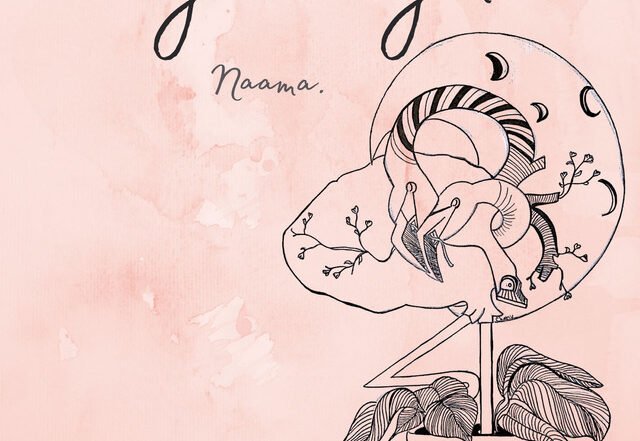
Naama – Oh! You Crazy Moon
“Lush piano theme, deep contrabas sound and beautiful xylophone melody is all you need to enjoy this beauty. But when the amazing and very seductive voice arrives that feeling expands into something more. Smooth arrangement creates wonders with this song, every instrument find its place and a moment to shine. ”
“Το πλούσιο θέμα του πιάνο, ο ήχος βαθιάς λαθρεμπορίου και η όμορφη μελωδία ξυλόφωνο είναι το μόνο που χρειάζεστε για να απολαύσετε αυτήν την ομορφιά. Αλλά όταν η εκπληκτική και πολύ σαγηνευτική φωνή φτάνει αυτό το συναίσθημα επεκτείνεται σε κάτι περισσότερο. Η ομαλή διάταξη δημιουργεί θαύματα με αυτό το τραγούδι, κάθε όργανο βρίσκει τη θέση του και μια στιγμή για να λάμψει.” *
“El tema exuberante de piano, el sonido profundo de los contrabas y la hermosa melodía xilófono es todo lo que necesitas para disfrutar de esta belleza. Pero cuando llega la voz sorprendente y muy seductora, la sensación se expande en algo más. El arreglo suave crea maravillas con esta canción, cada instrumento encuentra su lugar y un momento para brillar.” *
-Nagamag.com
Song Sources for “Naama – Oh! You Crazy Moon”:
Spotify: https://open.spotify.com/track/1wtmmdu2EvPawO9wpSA63f
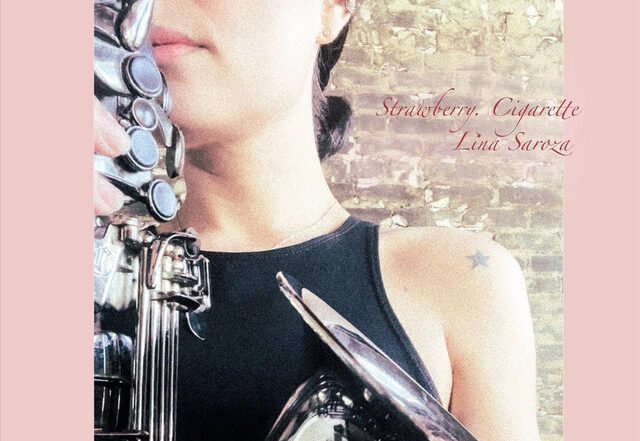
Lina Saroza – Strawberry. Cigarette
“Soft chord synth sounds makes a perfect opening of the song, easy listening and lounge atmosphere. Saxophone creates smooth jazz moments that expands with a beautiful voice. Production is great, specially the way saxophone is placed in the background, behind the lead vocal, adding such a seductive mood. ”
“Οι ήχοι Soft Syd Synth κάνουν ένα τέλειο άνοιγμα του τραγουδιού, εύκολη ακρόαση και ατμόσφαιρα σαλόνι. Το σαξόφωνο δημιουργεί ομαλές στιγμές τζαζ που επεκτείνεται με μια όμορφη φωνή. Η παραγωγή είναι μεγάλη, ειδικά ο τρόπος που το σαξόφωνο τοποθετείται στο παρασκήνιο, πίσω από το φωνητικό μολύβι, προσθέτοντας μια τέτοια σαγηνευτική διάθεση.” *
“Los sonidos de sintetizador de acordes suaves son una apertura perfecta de la canción, la escucha fácil y el ambiente de salón. El saxofón crea momentos de jazz suaves que se expande con una hermosa voz. La producción es excelente, especialmente la forma en que el saxofón se coloca en el fondo, detrás de la voz principal, agregando un estado de ánimo tan seductor.” *
-Nagamag.com
Track Sources for “Lina Saroza – Strawberry. Cigarette”:
Spotify: https://open.spotify.com/track/3o3dthHDcOlLdoD3a2YZ3L
Youtube: https://www.youtube.com/watch?v=o-GNFb6YUH8
Find Lina Saroza on Socials:
Instagram: https://www.instagram.com/linasaroza
Latest Jazz discoveries

Klaz – Thuis (feat. Hermine Deurloo) | Essential Jazz Review
Οι εκλεπτυσμένες νότες της μελωδίας και οι επιδέξιες εναλλαγές της μας ταξιδεύουν κάτω από τον λαμπερό ήλιο καθώς η απέραντη ... >>> Read full review & listen to the song on Nagamag #nujazz #jazztronica #klaz #netherlands #nagamag #musicmagazine #musicreview #review
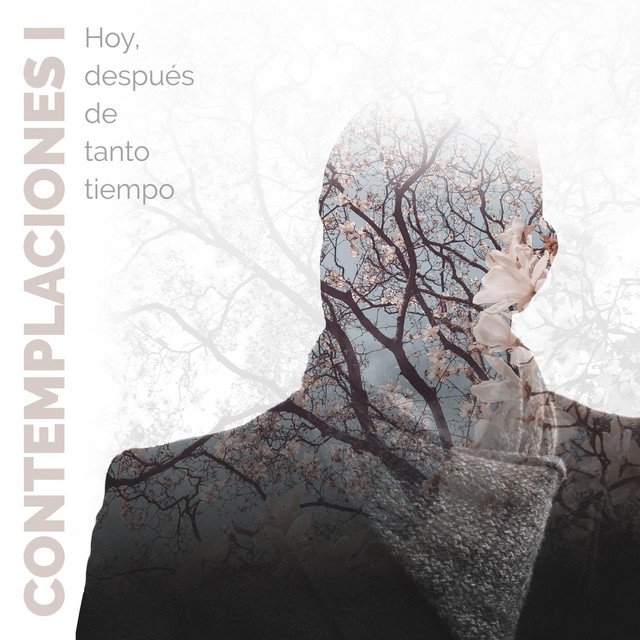
Release Review: Ariel Pirotti – Contemplaciones 1 – Hoy después de tanto tiempo | Jazz
Ένας μελαγχολικός αέρας πνέει μέσα μας και η μελωδία γεμάτη έμπνευση και συναίσθημα μας αφήνει να ζήσουμε το δράμα μέσα μας, ... >>> Read full review & listen to the song on Nagamag #jazzfusion #classicalstrings #arielpirotti #argentina #nagamag #musicmagazine #musicreview #review
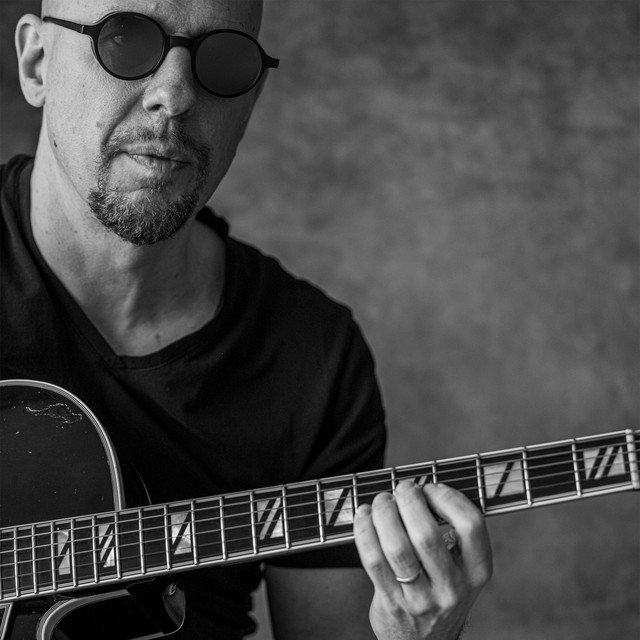
Composition Review: David Laborier – It’s Mine | Jazz
Μέσα στην ιδιαίτερη αρμονία της η υπέροχη μελωδία μας ξεσηκώνει ευχάριστα και μας φτιάχνει το κέφι. Μια ατμόσφαιρα μυστηρίου ... >>> Read full review & listen to the song on Nagamag #funk #davidlaborier #luxembourg #nagamag #musicmagazine #musicreview #review
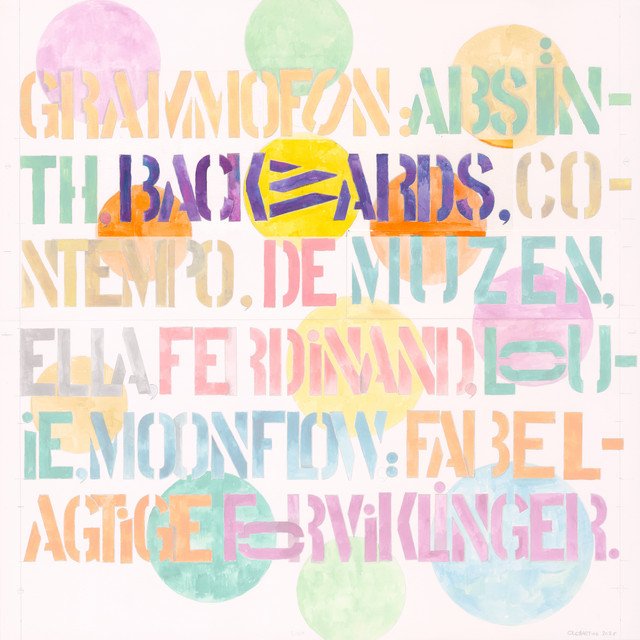
Grammofon – Backwards Review | Jazz Discovery
Η μελωδία με την απίστευτη γοητεία της και το ταπεραμέντο της μας καλεί σε μια ξέγνοιαστη γιορτή. Η ευκρίνεια του ήχου προσφέ... >>> Read full review & listen to the song on Nagamag #jazz #grammofon #denmark #nagamag #musicmagazine #musicreview #review

Music Critique: Frank Bellucci – Sunday Morning | Jazz Review
Μια ξέγνοιαστη μέρα ξεκινά και όλα μοιάζουν τόσο σωστά και ήσυχα. Η ωραία μελωδία επιβεβαιώνει τις σκέψεις μας και σαν χάδι ε... >>> Read full review & listen to the song on Nagamag #jazz #frankbellucci #unitedstates #nagamag #musicmagazine #musicreview #review
“Sitting In The Corner” by St. Paul & The Broken Bones | A Jazz Breakdown Review
Με ωραία διάθεση τα φωνητικά έρχονται για να μας ξεσηκώσουν και να ομορφύνουν την μέρα μας. Τα σώματά μας λικνίζονται στον κε... >>> Read full review & listen to the song on Nagamag #blues #stpaul #thebrokenbones #unitedstates #nagamag #musicmagazine #musicreview #review

Song Review: “Faces of Demonstration” by Bar Geva | Jazz Essential
Η διασκεδαστική ενέργεια της μελωδίας μας βάζει στο παιχνίδι απο την πρώτη στιγμή.Παθιασμένοι ήχοι και αδρεναλίνη που ανεβαίν... >>> Read full review & listen to the song on Nagamag #neo #modernclassical #worldmusicother #bargeva #israel #nagamag #musicmagazine #musicreview #review

Song Review: “Of All My Choices (feat. Sinne Eeg, Randy Brecker & Lars Jansson)” by The New Standard | A Jazz Discovery
Μετά από μια κουραστική μέρα η εκπληκτική αυτή μελωδία έρχεται να μας χαλαρώσει και να μας κάνει να ακούσουμε τα συναισθήματά... >>> Read full review & listen to the song on Nagamag #jazz #thenewstandard #denmark #nagamag #musicmagazine #musicreview #review

Next Up Jazz Review: Eoin Shannon – Demon Lady
Η ωραία παθιασμένη μελωδία αναστατώνει τις αισθήσεις μας και κεντρίζει το ενδιαφέρον μας. Τα ερωτικά και πληθωρικά φωνητικά μ... >>> Read full review & listen to the song on Nagamag #blues #classicrock #eoinshannon #ireland #nagamag #musicmagazine #musicreview #review
Some Jazz subgenres
There are many subgenres of jazz, and the boundaries between them can be somewhat fluid. Here are a few of the most common subgenres of jazz:
Dixieland jazz: Also known as “traditional” or “New Orleans” jazz, this style is characterized by its use of collective improvisation and a strong rhythm section, featuring instruments such as the trumpet, trombone, and clarinet.
Swing: This style emerged in the 1930s and 1940s and is characterized by its use of a swinging rhythm and big band instrumentation. It was popularized by bands led by musicians such as Duke Ellington and Benny Goodman.
Bebop: This style emerged in the 1940s and is characterized by its fast tempo, complex chord progressions, and extensive use of improvisation. It was popularized by musicians such as Charlie Parker and Dizzy Gillespie.
Cool jazz: This style emerged in the 1950s and is characterized by its use of complex harmonies and a laid-back, relaxed approach to rhythm. It was popularized by musicians such as Miles Davis and Dave Brubeck.
Fusion: This style emerged in the 1970s and is characterized by its incorporation of elements from other genres of music, such as rock, funk, and world music. It was popularized by musicians such as John McLaughlin and Chick Corea.
Smooth jazz: This style emerged in the 1980s and is characterized by its use of electronic instrumentation and a focus on melody and groove. It was popularized by musicians such as George Benson and Grover Washington Jr.
Hard bop: This style emerged in the 1950s and is characterized by its use of blues and gospel influences and its incorporation of elements from bebop and swing. It was popularized by musicians such as Horace Silver and Art Blakey.
Free jazz: This style emerged in the 1960s and is characterized by its use of extended improvisation and a lack of strict chord progressions or other formal structures. It was popularized by musicians such as Ornette Coleman and John Coltrane.
Latin jazz: This style is characterized by its incorporation of Latin American rhythms and melodies, as well as its use of percussion instruments such as congas, timbales, and bongos. It was popularized by musicians such as Tito Puente and Cal Tjader.
Acid jazz: This style emerged in the 1980s and is characterized by its incorporation of elements from funk, soul, and hip hop, as well as its use of electronic instrumentation. It was popularized by musicians such as Brand New Heavies and Jamiroquai.
Jazz-rock: This style emerged in the 1970s and is characterized by its incorporation of elements from rock music and its use of electric instruments. It was popularized by musicians such as Mahavishnu Orchestra and Weather Report.
Jazz-funk: This style is characterized by its incorporation of elements from funk music and its use of electric instruments and groove-based rhythms. It was popularized by musicians such as James Brown and George Clinton.
As with any genre of music, these subgenres are just a few of the many that exist within the broader category of jazz. There are many other styles and variations within jazz.
The most used instruments in Jazz Music
There are many different instruments that are commonly used in jazz music, and the specific instruments used can vary depending on the style and context of the music. Here are a few of the most common instruments used in jazz:
Piano: The piano is a common instrument in jazz music and is often used to provide the harmonic foundation for the music. Jazz pianists may use a range of techniques, including comping (providing chordal accompaniment), soloing (performing a melodic solo), and improvising (creating music spontaneously).
Drums: The drums are an important part of the rhythm section in jazz music and are often used to create a swinging or groove-based feel. Jazz drummers may use a range of techniques, including various stick and cymbal patterns, to create complex rhythms and interactive interactions with other musicians.
Bass: The bass is another important part of the rhythm section in jazz music and is often used to provide the foundation for the music. Jazz bassists may use a range of techniques, including walking bass lines (a repeating pattern of notes played over the chord progression of a song) and soloing, to create a strong rhythmic and melodic foundation for the music.
Guitar: The guitar is often used in jazz music and can play a variety of roles, from providing chordal accompaniment to soloing. Jazz guitarists may use a range of techniques, including chord voicings (arrangements of notes in a chord), arpeggios (broken chords played one note at a time), and improvisation, to create complex and interesting musical textures.
Saxophone: The saxophone is a common instrument in jazz music and is often used to play melodies and improvise solos. Jazz saxophonists may use a range of techniques, including alternate fingerings, multiphonics (playing more than one pitch at a time), and circular breathing (a technique for continuous blowing), to create a wide range of sounds and textures.
Vocals: Vocals are often used in jazz music, and many jazz singers have made significant contributions to the genre. Jazz vocals can take many forms, ranging from scat singing (improvised vocalizations using nonsense syllables) to more traditional vocal styles such as singing with lyrics. Some famous jazz singers include Billie Holiday, Ella Fitzgerald, and Louis Armstrong, all of whom are known for their unique vocal styles and ability to improvise.
In addition to traditional vocals, many jazz musicians also use electronic effects and processing to manipulate their voices, creating a wide range of sounds and textures. Some jazz musicians, such as Bobby McFerrin and Gregory Porter, have made significant contributions to the genre using only their voices, without any accompanying instruments.
In jazz music, lyrics are often used in the same way as in other genres of music, to express emotions, tell a story, or convey a message. However, jazz lyrics may also be used to create a structure for improvisation or to provide a basis for scat singing, which is a form of vocal improvisation in which the singer uses nonsense syllables instead of actual words.
Jazz lyrics may also be more abstract and poetic than lyrics in other genres of music, and may use figurative language or symbolism to convey meaning. Jazz lyrics often reflect the social and cultural contexts in which the music was created, and may address themes such as love, loss, hope, and social or political issues.
Overall, vocals and the meaning of lyrics in jazz music depends on the context in which they are used and the intentions of the songwriter. They can be used to express emotions, tell a story, convey a message, or provide a structure for the music to follow.