
Jazz Music ⁞ New Releases⁞ Artist Interviews⁞ Music News
Introduction of Jazz Music
Jazz is a genre of music that originated in the African-American communities of New Orleans, United States, in the late 19th and early 20th centuries. It is characterized by its use of improvisation, complex harmonic structures, and a wide range of musical influences, including blues, gospel, and European classical music. Jazz is known for its swing rhythm, which is created by the use of syncopated rhythms and a strong pulse. It is often played by small ensembles, such as a quintet or sextet, and is known for its ability to adapt to a wide range of musical contexts and styles. Jazz has had a significant influence on many other genres of music, and has been an important part of the cultural fabric of the United States and the rest of the world for more than a century.
Jazz by Nagamag Playlist on Spotify
Recent Jazz Interviews
Jazz Featured Releases

Eden Barel – Mid Breakfast
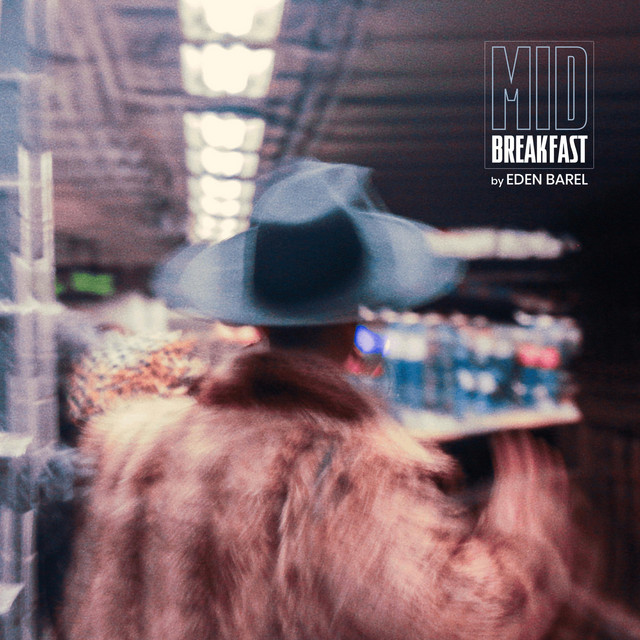
“Jazz possesses one unique property - it is able to turn off any negative thought into the consciousness of a person and instantly switch to the creation of something beautiful. In your heart, huge gardens will bloom, the fruits of which you will enjoy every time you come back to this composition. (Automatically Translated with Google Translate)”
“Джаз обладает одним уникальным свойством — он способен выключить в сознание человека любую негативную мысль и мгновенно переключиться на созидание нечто прекрасного. В вашем сердце расцветут огромные сады, плодами которых вы будете наслаждаться каждый раз, когда будете возвращаться к этой композиции.”
-Nagamag.com
Artist said about this song:
"Mid breakfast is My first single from my upcoming Ep under the same title. when i get asked about the genre i often say - "soul/jazz" but The various sounds in this tune, when I look back at it are almost like a homage of everything that inspired me at that time when I wrote it in Brooklyn, Ny. both visually and musically. I’m happy to finally share it with the world, and hoping to hopefully inspire others in their own path."
https://www.facebook.com/Eden-Barel-106943084312596
Eden Barel is a composer/producer and a multi-instrumentalist based in Tel aviv.
Barel grew up in northern Israel and is largely a self-taught musician. Assimilating North and east African influences, Eden’s eclectic style continued to creatively evolve deeper into jazz and soul music in New York, where he started composing for the first time.
His unique musical path and influences are vividly present in his instrumental, cinematic pieces, which are filled with groove wind instrumentation, guitars that fuse jazz, soul and funk, and melodies that leap out of Asia, Africa and America.
Clémentine – Le mambo du légionnaire
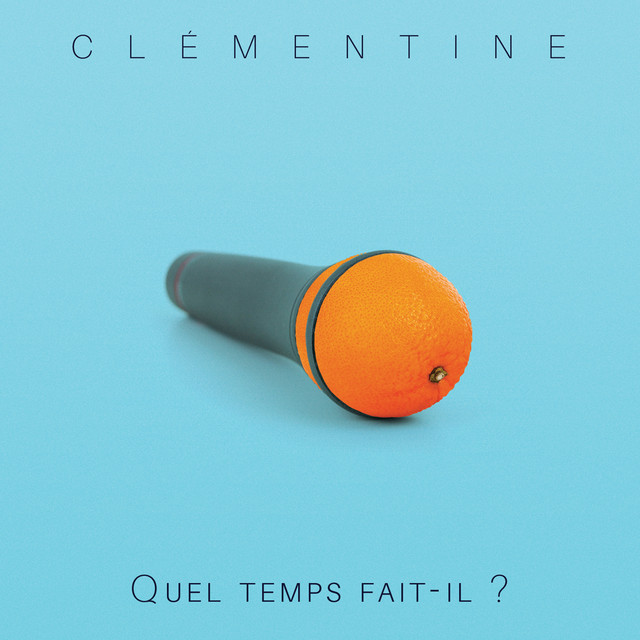
“Percussia seems to be tickling your ears, is so pleasant for rumor. Beautiful instrumental component, very nice female vocal and jazz notes. This is all that you need to brighten your long-awaited evening by the fireplace with a cup of ginger tea. (Automatically Translated with Google Translate)”
“Перкуссия словно щекочет ваши уши, настолько она приятная на слух. Красивая инструментальная составляющая, очень приятный женский вокал и нотки джаза. Это всё, что нужно для того, чтобы скрасить ваши долгожданные вечера у камина с чашечкой имбирного чая.”
-Nagamag.com
Ori Dagan – My Finger Slipped (Video)
“You will go crazy with swing, bright jazz elements and elegant vocals that fill the whole atmosphere of this magnificent composition. An integral work of interesting content and semantic load.”
“Вы сойдёте с ума от свинга, ярких джазовых элементов и элегантного вокала, который заполняет собой всю атмосферу этой великолепной композиции. Цельная, интересная по содержанию и смысловой нагрузке работа!”
-Nagamag.com
The lyric video from award-winning jazz singer-songwriter Ori Dagan’s upcoming album “Click Right Here” for his self-penned single “My Finger Slipped” it is a hilarious slice of 21st-century life we can all relate to.
https://www.oridagan.com
https://www.facebook.com/ori.dagan.jazz/
https://www.instagram.com/oridaganjazz
Latest Jazz discoveries

When the Ball Drops – Remek Kossacz
Οι όμορφες και παιχνιδιάρικες νότες της κιθάρας μας κάνουν να λικνιζόμαστε ευχάριστα απολαμβάνοντας το ποτό μας με την αγαπημ... >>> Read full review & listen to the song on Nagamag #funk #contemporaryrnb #rap #remekkossacz #poland #nagamag #musicmagazine #musicreview #review

Your Intuition – Cluster Of Three
Η υπέροχη και περιπετειώδης μελωδία σε ταξιδεύει σε μέρη ανεξερεύνητα και εξάπτει τη φαντασία σου. Τα γοητευτικά φωνητικά γεμ... >>> Read full review & listen to the song on Nagamag #nujazz #jazztronica #jazzfusion #clusterofthree #unitedstates #nagamag #musicmagazine #musicreview #review

Let Time Do Its Work – The Soulers
Υπέροχη μελωδία που σε μεταφέρει σε μια ανέμελη και ξέγνοιαστη ατμόσφαιρα και το πάρτι ξεκινά. Η διάθεση μας φτιάχνει από την... >>> Read full review & listen to the song on Nagamag #funk #nujazz #jazztronica #retrosoul #thesoulers #spain #nagamag #musicmagazine #musicreview #review

Departing – Conor Cantrell
Τα υπέροχα και εκλεπτυσμένα αγγίγματα της μελωδίας είναι μοναδικά. Πραγματικά, δημιουργούν μια απολαυστική ατμόσφαιρα ξεγνοια... >>> Read full review & listen to the song on Nagamag #nujazz #jazztronica #jazzfusion #jazz #conorcantrell #ireland #nagamag #musicmagazine #musicreview #review
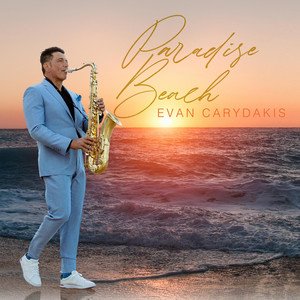
Paradise Beach – Evan Carydakis
Το κέφι και η θετική ενέργεια επιστρέφουν. Με όρεξη και με το δροσερό άγγιγμα της η μελωδία μοιράζει τριγύρω την χαρά. Οι νότ... >>> Read full review & listen to the song on Nagamag #nujazz #jazztronica #jazzfusion #jazz #evancarydakis #australia #nagamag #musicmagazine #musicreview #review
A Very Common Blue – Luca Strazzullo x Koffie Strings
Smooth mood and easy listening sounds that are layered with her blissful lead vocal. Mixture of styles are done so well withi... >>> Read full review & listen to the song on Nagamag #blues #lucastrazzulloxkoffiestrings #lucastrazzulloxkoffiestrings #italy #nagamag #musicmagazine #musicreview #review

Christmas At Home – The It City
С первых аккордов слушателя охватывает теплота духовых инструментов, которые, словно старый друг, приглашают в мир воспоминан... >>> Read full review & listen to the song on Nagamag #nujazz #jazztronica #jazz #electroswing #theitcity #unitedstates #nagamag #musicmagazine #musicreview #review

Cozy Christmas – Wolfgang Lohr x Glenn Gatsby
Οι χαρούμενες νότες της κιθάρας αλλάζουν τη διάθεση μας και η γιορτινή ατμόσφαιρα κάνει τα πάντα γύρω μας πιο όμορφα και λαμπ... >>> Read full review & listen to the song on Nagamag #jazz #holidaymusic #wolfganglohrxglenngatsby #wolfganglohrxglenngatsby #germany #newzealand #nagamag #musicmagazine #musicreview #review

Shiny Day – Eldar Frige
Soothing and easy listening sounds make this jazz song very enjoyable. Even with very melancholic atmosphere within the song ... >>> Read full review & listen to the song on Nagamag #jazz #funk #eldarfrige #israel #nagamag #musicmagazine #musicreview #review
Some Jazz subgenres
There are many subgenres of jazz, and the boundaries between them can be somewhat fluid. Here are a few of the most common subgenres of jazz:
Dixieland jazz: Also known as “traditional” or “New Orleans” jazz, this style is characterized by its use of collective improvisation and a strong rhythm section, featuring instruments such as the trumpet, trombone, and clarinet.
Swing: This style emerged in the 1930s and 1940s and is characterized by its use of a swinging rhythm and big band instrumentation. It was popularized by bands led by musicians such as Duke Ellington and Benny Goodman.
Bebop: This style emerged in the 1940s and is characterized by its fast tempo, complex chord progressions, and extensive use of improvisation. It was popularized by musicians such as Charlie Parker and Dizzy Gillespie.
Cool jazz: This style emerged in the 1950s and is characterized by its use of complex harmonies and a laid-back, relaxed approach to rhythm. It was popularized by musicians such as Miles Davis and Dave Brubeck.
Fusion: This style emerged in the 1970s and is characterized by its incorporation of elements from other genres of music, such as rock, funk, and world music. It was popularized by musicians such as John McLaughlin and Chick Corea.
Smooth jazz: This style emerged in the 1980s and is characterized by its use of electronic instrumentation and a focus on melody and groove. It was popularized by musicians such as George Benson and Grover Washington Jr.
Hard bop: This style emerged in the 1950s and is characterized by its use of blues and gospel influences and its incorporation of elements from bebop and swing. It was popularized by musicians such as Horace Silver and Art Blakey.
Free jazz: This style emerged in the 1960s and is characterized by its use of extended improvisation and a lack of strict chord progressions or other formal structures. It was popularized by musicians such as Ornette Coleman and John Coltrane.
Latin jazz: This style is characterized by its incorporation of Latin American rhythms and melodies, as well as its use of percussion instruments such as congas, timbales, and bongos. It was popularized by musicians such as Tito Puente and Cal Tjader.
Acid jazz: This style emerged in the 1980s and is characterized by its incorporation of elements from funk, soul, and hip hop, as well as its use of electronic instrumentation. It was popularized by musicians such as Brand New Heavies and Jamiroquai.
Jazz-rock: This style emerged in the 1970s and is characterized by its incorporation of elements from rock music and its use of electric instruments. It was popularized by musicians such as Mahavishnu Orchestra and Weather Report.
Jazz-funk: This style is characterized by its incorporation of elements from funk music and its use of electric instruments and groove-based rhythms. It was popularized by musicians such as James Brown and George Clinton.
As with any genre of music, these subgenres are just a few of the many that exist within the broader category of jazz. There are many other styles and variations within jazz.
The most used instruments in Jazz Music
There are many different instruments that are commonly used in jazz music, and the specific instruments used can vary depending on the style and context of the music. Here are a few of the most common instruments used in jazz:
Piano: The piano is a common instrument in jazz music and is often used to provide the harmonic foundation for the music. Jazz pianists may use a range of techniques, including comping (providing chordal accompaniment), soloing (performing a melodic solo), and improvising (creating music spontaneously).
Drums: The drums are an important part of the rhythm section in jazz music and are often used to create a swinging or groove-based feel. Jazz drummers may use a range of techniques, including various stick and cymbal patterns, to create complex rhythms and interactive interactions with other musicians.
Bass: The bass is another important part of the rhythm section in jazz music and is often used to provide the foundation for the music. Jazz bassists may use a range of techniques, including walking bass lines (a repeating pattern of notes played over the chord progression of a song) and soloing, to create a strong rhythmic and melodic foundation for the music.
Guitar: The guitar is often used in jazz music and can play a variety of roles, from providing chordal accompaniment to soloing. Jazz guitarists may use a range of techniques, including chord voicings (arrangements of notes in a chord), arpeggios (broken chords played one note at a time), and improvisation, to create complex and interesting musical textures.
Saxophone: The saxophone is a common instrument in jazz music and is often used to play melodies and improvise solos. Jazz saxophonists may use a range of techniques, including alternate fingerings, multiphonics (playing more than one pitch at a time), and circular breathing (a technique for continuous blowing), to create a wide range of sounds and textures.
Vocals: Vocals are often used in jazz music, and many jazz singers have made significant contributions to the genre. Jazz vocals can take many forms, ranging from scat singing (improvised vocalizations using nonsense syllables) to more traditional vocal styles such as singing with lyrics. Some famous jazz singers include Billie Holiday, Ella Fitzgerald, and Louis Armstrong, all of whom are known for their unique vocal styles and ability to improvise.
In addition to traditional vocals, many jazz musicians also use electronic effects and processing to manipulate their voices, creating a wide range of sounds and textures. Some jazz musicians, such as Bobby McFerrin and Gregory Porter, have made significant contributions to the genre using only their voices, without any accompanying instruments.
In jazz music, lyrics are often used in the same way as in other genres of music, to express emotions, tell a story, or convey a message. However, jazz lyrics may also be used to create a structure for improvisation or to provide a basis for scat singing, which is a form of vocal improvisation in which the singer uses nonsense syllables instead of actual words.
Jazz lyrics may also be more abstract and poetic than lyrics in other genres of music, and may use figurative language or symbolism to convey meaning. Jazz lyrics often reflect the social and cultural contexts in which the music was created, and may address themes such as love, loss, hope, and social or political issues.
Overall, vocals and the meaning of lyrics in jazz music depends on the context in which they are used and the intentions of the songwriter. They can be used to express emotions, tell a story, convey a message, or provide a structure for the music to follow.