
Jazz Music ⁞ New Releases⁞ Artist Interviews⁞ Music News
Introduction of Jazz Music
Jazz is a genre of music that originated in the African-American communities of New Orleans, United States, in the late 19th and early 20th centuries. It is characterized by its use of improvisation, complex harmonic structures, and a wide range of musical influences, including blues, gospel, and European classical music. Jazz is known for its swing rhythm, which is created by the use of syncopated rhythms and a strong pulse. It is often played by small ensembles, such as a quintet or sextet, and is known for its ability to adapt to a wide range of musical contexts and styles. Jazz has had a significant influence on many other genres of music, and has been an important part of the cultural fabric of the United States and the rest of the world for more than a century.
Jazz by Nagamag Playlist on Spotify
Recent Jazz Interviews
Jazz Featured Releases
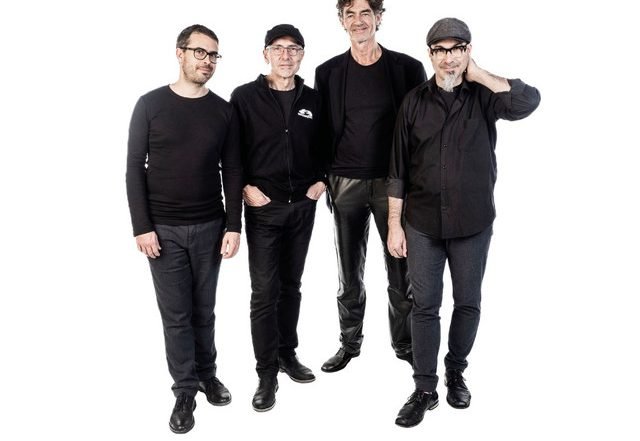
Wolkenpark – Lazy Day
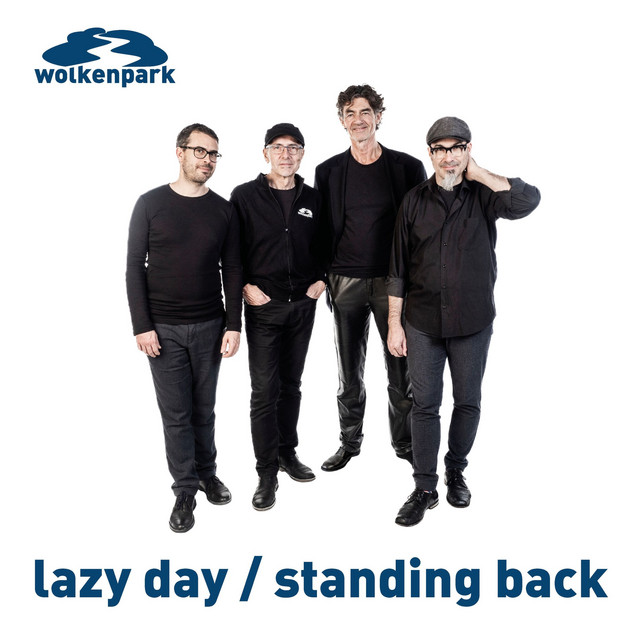
“Gorgeous jazz music in a very minimalist, but expressive cocktail of muffled light, faded rays of spotlights and breathing of a living orchestra. Pure pleasure in melodic surroundings of chic music. (Automatically Translated with Google Translate)”
“Шикарная джазовая музыка в очень минималистичном, но при этом выразительном коктейле из приглушённого света, блеклых лучах прожекторов и дыхания живого оркестра. Чистое наслаждение в мелодичном антураже шикарной музыки.”
-Nagamag.com
http://www.wolkenpark.com/
The title track «Lazy Day» is composed by bass player Jean-Pierre Schaller, a smoothly rolling theme which evolves smoothly thoughout the whole piece passing a dialogue like solo by bass and trumpet and culminating towards the end in looping cascades over the main theme.
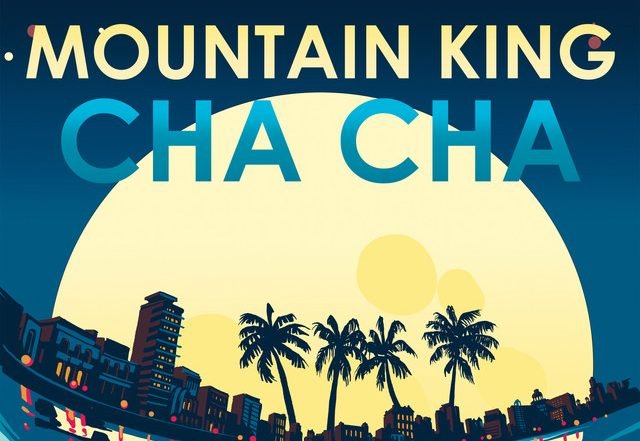
Joachim Horsely – Mountain King Cha Cha

“The melody familiar to many of you from childhood, packed in modern processing of Jazz and Crossover Classical genres. Virtuoso possession of tools create a magical and very pleasant atmosphere. (Automatically Translated with Google Translate)”
“Знакомая многим из вас мелодия с детства, упакованная в современную обработку жанров Jazz и Crossover Classical. Виртуозное владение инструментами создают волшебную и очень приятную атмосферу.”
-Nagamag.com
After the success of his debut album "Via Havana", the American pianist Joachim Horsley comes back with a new track "Mountain King Cha Cha". Derived from the the Edvard Grieg’s masterpiece "In the Hall of the Mountain King" (written for Hendrick Ibsen’s theatre piece "Peer Gynt"), this new piece picks up his interbreeding work between European Classical music and Afro-Caribean music, offring to the audience a cheerful and inspired artistic encounter.

Jennifer Holliday – So in Love
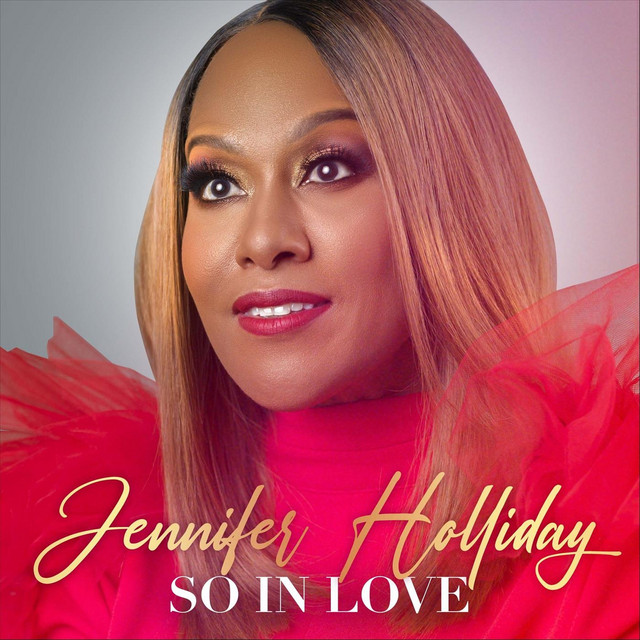
“Music, which is a guide in the author's soul, where the heat of vocals -Jennifer Holliday- twirls for the lonely strings of your soul. The magnificent lyrical composition, whose task to wake in you the most beautiful, kind and bright. (Automatically Translated with Google Translate)”
“Музыка, которая является проводником в душу автора, где теплота вокала -Jennifer Holliday- дёргает за одинокие струны вашей души. Великолепная лирическая композиция, задача которой разбудить в вас всё самое прекрасное, доброе и светлое.”
-Nagamag.com
https://www.instagram.com/jenniferhollidaydreamgirl/
Latest Jazz discoveries

Love is Not a Beast To Tame – Isabella Lundgren
Ένας ύμνος στον έρωτα και την αγάπη μέσα από αυτή την υπέροχη αυτή μελωδία, που απλώνεται πάνω μας σαν χάδι και τον ήσυχο ρυθ... >>> Read full review & listen to the song on Nagamag #jazz #isabellalundgren #sweden #nagamag #musicmagazine #musicreview #review

The Moon & Me – Greg Johnson
Η απαλή και αισθησιακή μελωδία μας αγκαλιάζει τόσο ζεστά που χανόμαστε μέσα στην ερωτική θαλπωρή της. Τα φωνητικά με ευαισθησ... >>> Read full review & listen to the song on Nagamag #nujazz #jazztronica #jazz #adultcontemporary #gregjohnson #unitedstates #nagamag #musicmagazine #musicreview #review

Lova Herren sol och måne / Bliv kvar hos mig – Per Thornberg
Οι φανταστικές νότες του σαξοφώνου χαλαρώνουν το μυαλό μου και με συνοδεύουν σε ένα μοναχικό αλλά απολαυστικό περίπατο στους ... >>> Read full review & listen to the song on Nagamag #jazz #perthornberg #sweden #nagamag #musicmagazine #musicreview #review

More Cowbell – The Next Movement
Η παιχνιδιάρικη και ζωντανή μελωδία μας ξεσηκώνει και μας κάνει να αλλάξουμε διάθεση από τη μια στιγμή στην άλλη. Ένα υπέροχο... >>> Read full review & listen to the song on Nagamag #funk #thenextmovement #switzerland #nagamag #musicmagazine #musicreview #review
passing place – Bitty
Η ωραία ατμοσφαιρική μελωδία ξεκουράζει το μυαλό και το εκλεπτυσμένο ύφος της ανεβάζει το επίπεδο της διασκέδασης. Τα απαλά κ... >>> Read full review & listen to the song on Nagamag #neosoul #nujazz #jazztronica #bitty #singapore #nagamag #musicmagazine #musicreview #review

Lines – Ed Wynne
Η δυναμική μελωδία αναστατώνει τις αισθήσεις και τα τύμπανα σκορπίζουν παντού ευχάριστες νότες. Το σαξόφωνο ηλεκτρίζει την ατ... >>> Read full review & listen to the song on Nagamag #funk #edwynne #unitedstates #nagamag #musicmagazine #musicreview #review

Peaceful – Wolkenpark
Διακριτικά και απαλά οι νότες της μελωδίας με αγκαλιάζουν και με επιδέξιο τρόπο σκορπίζουν την αισιοδοξία γύρω τους. Με εντάσ... >>> Read full review & listen to the song on Nagamag #funk #nujazz #jazztronica #jazz #wolkenpark #switzerland #nagamag #musicmagazine #musicreview #review

Poor in Spirit – Travis A. Shaw
Η αισιόδοξη και κεφάτη μελωδία φτιάχνει τη διάθεση σου και νιώθεις την χαρά να επανέρχεται μέσα σου. Το ύφος της σε καθησυχάζ... >>> Read full review & listen to the song on Nagamag #nujazz #jazztronica #travisashaw #unitedstates #nagamag #musicmagazine #musicreview #review

Aurelia – Kama Tala
Η κιθάρα και το σαξόφωνο σε μια απόλυτη μελωδική ένωση εκφράζουν τόσο επιδέξια τα συναισθήματα μας. Τα φωνητικά με τη δυναμικ... >>> Read full review & listen to the song on Nagamag #nujazz #jazztronica #indiepop #kamatala #nagamag #musicmagazine #musicreview #review
Some Jazz subgenres
There are many subgenres of jazz, and the boundaries between them can be somewhat fluid. Here are a few of the most common subgenres of jazz:
Dixieland jazz: Also known as “traditional” or “New Orleans” jazz, this style is characterized by its use of collective improvisation and a strong rhythm section, featuring instruments such as the trumpet, trombone, and clarinet.
Swing: This style emerged in the 1930s and 1940s and is characterized by its use of a swinging rhythm and big band instrumentation. It was popularized by bands led by musicians such as Duke Ellington and Benny Goodman.
Bebop: This style emerged in the 1940s and is characterized by its fast tempo, complex chord progressions, and extensive use of improvisation. It was popularized by musicians such as Charlie Parker and Dizzy Gillespie.
Cool jazz: This style emerged in the 1950s and is characterized by its use of complex harmonies and a laid-back, relaxed approach to rhythm. It was popularized by musicians such as Miles Davis and Dave Brubeck.
Fusion: This style emerged in the 1970s and is characterized by its incorporation of elements from other genres of music, such as rock, funk, and world music. It was popularized by musicians such as John McLaughlin and Chick Corea.
Smooth jazz: This style emerged in the 1980s and is characterized by its use of electronic instrumentation and a focus on melody and groove. It was popularized by musicians such as George Benson and Grover Washington Jr.
Hard bop: This style emerged in the 1950s and is characterized by its use of blues and gospel influences and its incorporation of elements from bebop and swing. It was popularized by musicians such as Horace Silver and Art Blakey.
Free jazz: This style emerged in the 1960s and is characterized by its use of extended improvisation and a lack of strict chord progressions or other formal structures. It was popularized by musicians such as Ornette Coleman and John Coltrane.
Latin jazz: This style is characterized by its incorporation of Latin American rhythms and melodies, as well as its use of percussion instruments such as congas, timbales, and bongos. It was popularized by musicians such as Tito Puente and Cal Tjader.
Acid jazz: This style emerged in the 1980s and is characterized by its incorporation of elements from funk, soul, and hip hop, as well as its use of electronic instrumentation. It was popularized by musicians such as Brand New Heavies and Jamiroquai.
Jazz-rock: This style emerged in the 1970s and is characterized by its incorporation of elements from rock music and its use of electric instruments. It was popularized by musicians such as Mahavishnu Orchestra and Weather Report.
Jazz-funk: This style is characterized by its incorporation of elements from funk music and its use of electric instruments and groove-based rhythms. It was popularized by musicians such as James Brown and George Clinton.
As with any genre of music, these subgenres are just a few of the many that exist within the broader category of jazz. There are many other styles and variations within jazz.
The most used instruments in Jazz Music
There are many different instruments that are commonly used in jazz music, and the specific instruments used can vary depending on the style and context of the music. Here are a few of the most common instruments used in jazz:
Piano: The piano is a common instrument in jazz music and is often used to provide the harmonic foundation for the music. Jazz pianists may use a range of techniques, including comping (providing chordal accompaniment), soloing (performing a melodic solo), and improvising (creating music spontaneously).
Drums: The drums are an important part of the rhythm section in jazz music and are often used to create a swinging or groove-based feel. Jazz drummers may use a range of techniques, including various stick and cymbal patterns, to create complex rhythms and interactive interactions with other musicians.
Bass: The bass is another important part of the rhythm section in jazz music and is often used to provide the foundation for the music. Jazz bassists may use a range of techniques, including walking bass lines (a repeating pattern of notes played over the chord progression of a song) and soloing, to create a strong rhythmic and melodic foundation for the music.
Guitar: The guitar is often used in jazz music and can play a variety of roles, from providing chordal accompaniment to soloing. Jazz guitarists may use a range of techniques, including chord voicings (arrangements of notes in a chord), arpeggios (broken chords played one note at a time), and improvisation, to create complex and interesting musical textures.
Saxophone: The saxophone is a common instrument in jazz music and is often used to play melodies and improvise solos. Jazz saxophonists may use a range of techniques, including alternate fingerings, multiphonics (playing more than one pitch at a time), and circular breathing (a technique for continuous blowing), to create a wide range of sounds and textures.
Vocals: Vocals are often used in jazz music, and many jazz singers have made significant contributions to the genre. Jazz vocals can take many forms, ranging from scat singing (improvised vocalizations using nonsense syllables) to more traditional vocal styles such as singing with lyrics. Some famous jazz singers include Billie Holiday, Ella Fitzgerald, and Louis Armstrong, all of whom are known for their unique vocal styles and ability to improvise.
In addition to traditional vocals, many jazz musicians also use electronic effects and processing to manipulate their voices, creating a wide range of sounds and textures. Some jazz musicians, such as Bobby McFerrin and Gregory Porter, have made significant contributions to the genre using only their voices, without any accompanying instruments.
In jazz music, lyrics are often used in the same way as in other genres of music, to express emotions, tell a story, or convey a message. However, jazz lyrics may also be used to create a structure for improvisation or to provide a basis for scat singing, which is a form of vocal improvisation in which the singer uses nonsense syllables instead of actual words.
Jazz lyrics may also be more abstract and poetic than lyrics in other genres of music, and may use figurative language or symbolism to convey meaning. Jazz lyrics often reflect the social and cultural contexts in which the music was created, and may address themes such as love, loss, hope, and social or political issues.
Overall, vocals and the meaning of lyrics in jazz music depends on the context in which they are used and the intentions of the songwriter. They can be used to express emotions, tell a story, convey a message, or provide a structure for the music to follow.