
Jazz Music ⁞ New Releases⁞ Artist Interviews⁞ Music News
Introduction of Jazz Music
Jazz is a genre of music that originated in the African-American communities of New Orleans, United States, in the late 19th and early 20th centuries. It is characterized by its use of improvisation, complex harmonic structures, and a wide range of musical influences, including blues, gospel, and European classical music. Jazz is known for its swing rhythm, which is created by the use of syncopated rhythms and a strong pulse. It is often played by small ensembles, such as a quintet or sextet, and is known for its ability to adapt to a wide range of musical contexts and styles. Jazz has had a significant influence on many other genres of music, and has been an important part of the cultural fabric of the United States and the rest of the world for more than a century.
Jazz by Nagamag Playlist on Spotify
Recent Jazz Interviews
Jazz Featured Releases

Sulu and Excelsior – Run and Hide
“Playful and very melodic jazz song. Piano themes are creating some wonderful themes and harmonies in the background, as well as the rhythmic layering. Vocals are great, specially the background ones within the chorus parts. ”
-Nagamag.com
This song released by: Slow Jam King Productions LLC
Track Sources:
Spotify: https://open.spotify.com/track/5A8I6MxBLg3dt2x00bYwjc
Youtube: https://www.youtube.com/watch?v=AgRc99i1K58
Artist’s Socials:
Instagram: https://www.instagram.com/suluandexcelsior/
Twitter: https://twitter.com/suluandxlcr

STORRY – Bow Down
“Such a smooth song, from subtle and easy listening drums, creating the perfect groove, to seductive and sensual vocals. Music have a bit of cinematic feeling, so beautiful that chorus line will stay in your head for a long time, if it is not on repeat mode. ”
-Nagamag.com
Track Sources:
Spotify: https://open.spotify.com/track/6PA3Pu476Hd9v6WflL77x6
Youtube: https://www.youtube.com/watch?v=6tcnk8BYxg4
Artist’s Socials:
Twitter: https://twitter.com/storrymusic
Website: https://www.storrymusic.com
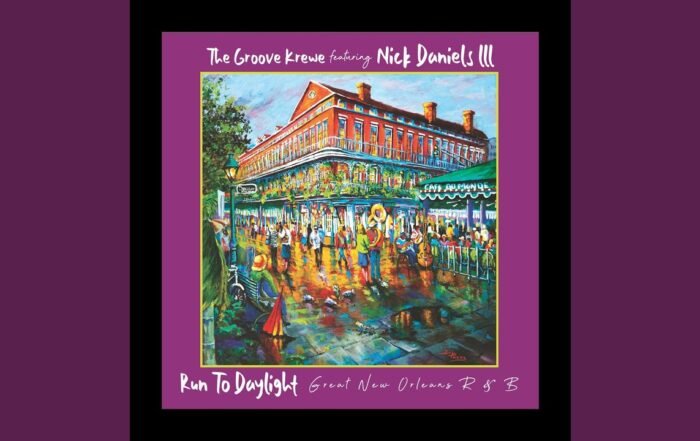
The Groove Krewe featuring Nick Daniels III – In the Groove Zone
“If you love funk, jazz and every other fusion you want to hear in a song this is the one for you. Ultimate 70’s mood, groove, feeling, vocals, horn section and that piano and organ solo, just perfect. So, get your groove on with this one. ”
-Nagamag.com
Latest Jazz discoveries

You Make Me Feel Like – Corey James Clifton
Η διαδοχή των πνευστών οργάνων αλλά και των υπολοίπων στην υπέροχη αυτή μελωδία είναι καταλυτική για την αλλαγή της ψυχολογικ... >>> Read full review & listen to the song on Nagamag #contemporaryrnb #blues #retrosoul #coreyjamesclifton #unitedstates #nagamag #musicmagazine #musicreview #review

Someday I’ll Find You (feat. Simon Moullier) – Naama
Η γλυκιά και παιχνιδιάρικη μελωδία απλώνεται τριγύρω μας και μας κάνει να τα δούμε όλα πιο μαγικά και όμορφα. Τα θεσπέσια φων... >>> Read full review & listen to the song on Nagamag #jazz #naama #israel #nagamag #musicmagazine #musicreview #review

Jaque de Reinas – Piroklastica de Belgrado
Ωραία και δυναμική η εισαγωγή της μελωδίας που μας προκαταβάλει για αυτό που θα ακολουθήσει. Τα νεραϊδίσια και γοητευτικά φω... >>> Read full review & listen to the song on Nagamag #blues #piroklasticadebelgrado #spain #nagamag #musicmagazine #musicreview #review
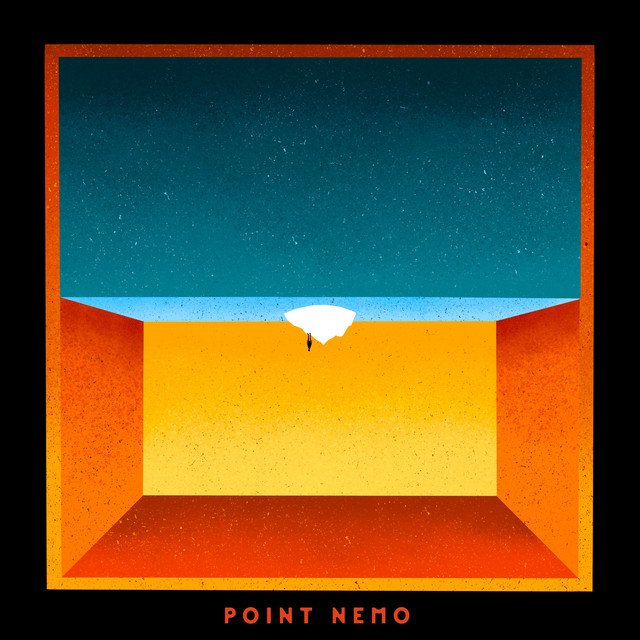
Point Nemo – TELLL
Τον εκκωφαντικό ήχο της ησυχίας μέσα στο άπειρο έρχεται να σπάσει η μοναδική αυτή μελωδία. Μοιάζει σαν ένα ταξίδι του μυαλού ... >>> Read full review & listen to the song on Nagamag #chillout #nagamag #musicmagazine #musicreview #review

I’m in the Mood for Love (feat. Snorre Kirk, Magnus Hjorth & Lasse Mørck) – Marie Mørck
Τα ωραία και διακριτικά αγγίγματα της μελωδίας σκορπίζουν την αισιοδοξία τους γύρω μας. Τα χαρούμενα και εκφραστικά φωνητικά ... >>> Read full review & listen to the song on Nagamag #jazz #mariemørck #denmark #nagamag #musicmagazine #musicreview #review

I Guess We’re Buddies Now – Lynne Jazz Ensemble
Τα υπέροχα φωνητικά μας μοιράζουν την χαρά τους και φτιάχνουν τη διάθεση μας από την πρώτη στιγμή. Η μελωδία με μια παιχνιδιά... >>> Read full review & listen to the song on Nagamag #jazz #lynnejazzensemble #norway #nagamag #musicmagazine #musicreview #review

Love Comes & Goes – Puma June
Η κομψή και εκλεπτυσμένη μελωδία αγγίζει την εύθραυστη ψυχή μας με διακριτικότητα και αγάπη. Τα μοναδικά φωνητικά μας κλέβου... >>> Read full review & listen to the song on Nagamag #neosoul #pumajune #canada #nagamag #musicmagazine #musicreview #review

I’m Doin’ Fine – Kyle Cox
Η θετική ενέργεια την μελωδίας φτιάχνει τη διάθεση μας από την αρχή. Το τέλειο παιχνίδισμά της μας δίνει χαρά. Με κέφι και ζω... >>> Read full review & listen to the song on Nagamag #jazz #kylecox #nagamag #musicmagazine #musicreview #review

Maxi Priest – Ada Morghe
Φανταστικά φωνητικά που δημιουργούν μια χαλαρή και γοητευτική ατμόσφαιρα που σίγουρα θες να εισχωρήσεις σε αυτή. Τα φωνητικά ... >>> Read full review & listen to the song on Nagamag #contemporaryrnb #chillwave #retrosoul #adamorghe #germany #nagamag #musicmagazine #musicreview #review
Some Jazz subgenres
There are many subgenres of jazz, and the boundaries between them can be somewhat fluid. Here are a few of the most common subgenres of jazz:
Dixieland jazz: Also known as “traditional” or “New Orleans” jazz, this style is characterized by its use of collective improvisation and a strong rhythm section, featuring instruments such as the trumpet, trombone, and clarinet.
Swing: This style emerged in the 1930s and 1940s and is characterized by its use of a swinging rhythm and big band instrumentation. It was popularized by bands led by musicians such as Duke Ellington and Benny Goodman.
Bebop: This style emerged in the 1940s and is characterized by its fast tempo, complex chord progressions, and extensive use of improvisation. It was popularized by musicians such as Charlie Parker and Dizzy Gillespie.
Cool jazz: This style emerged in the 1950s and is characterized by its use of complex harmonies and a laid-back, relaxed approach to rhythm. It was popularized by musicians such as Miles Davis and Dave Brubeck.
Fusion: This style emerged in the 1970s and is characterized by its incorporation of elements from other genres of music, such as rock, funk, and world music. It was popularized by musicians such as John McLaughlin and Chick Corea.
Smooth jazz: This style emerged in the 1980s and is characterized by its use of electronic instrumentation and a focus on melody and groove. It was popularized by musicians such as George Benson and Grover Washington Jr.
Hard bop: This style emerged in the 1950s and is characterized by its use of blues and gospel influences and its incorporation of elements from bebop and swing. It was popularized by musicians such as Horace Silver and Art Blakey.
Free jazz: This style emerged in the 1960s and is characterized by its use of extended improvisation and a lack of strict chord progressions or other formal structures. It was popularized by musicians such as Ornette Coleman and John Coltrane.
Latin jazz: This style is characterized by its incorporation of Latin American rhythms and melodies, as well as its use of percussion instruments such as congas, timbales, and bongos. It was popularized by musicians such as Tito Puente and Cal Tjader.
Acid jazz: This style emerged in the 1980s and is characterized by its incorporation of elements from funk, soul, and hip hop, as well as its use of electronic instrumentation. It was popularized by musicians such as Brand New Heavies and Jamiroquai.
Jazz-rock: This style emerged in the 1970s and is characterized by its incorporation of elements from rock music and its use of electric instruments. It was popularized by musicians such as Mahavishnu Orchestra and Weather Report.
Jazz-funk: This style is characterized by its incorporation of elements from funk music and its use of electric instruments and groove-based rhythms. It was popularized by musicians such as James Brown and George Clinton.
As with any genre of music, these subgenres are just a few of the many that exist within the broader category of jazz. There are many other styles and variations within jazz.
The most used instruments in Jazz Music
There are many different instruments that are commonly used in jazz music, and the specific instruments used can vary depending on the style and context of the music. Here are a few of the most common instruments used in jazz:
Piano: The piano is a common instrument in jazz music and is often used to provide the harmonic foundation for the music. Jazz pianists may use a range of techniques, including comping (providing chordal accompaniment), soloing (performing a melodic solo), and improvising (creating music spontaneously).
Drums: The drums are an important part of the rhythm section in jazz music and are often used to create a swinging or groove-based feel. Jazz drummers may use a range of techniques, including various stick and cymbal patterns, to create complex rhythms and interactive interactions with other musicians.
Bass: The bass is another important part of the rhythm section in jazz music and is often used to provide the foundation for the music. Jazz bassists may use a range of techniques, including walking bass lines (a repeating pattern of notes played over the chord progression of a song) and soloing, to create a strong rhythmic and melodic foundation for the music.
Guitar: The guitar is often used in jazz music and can play a variety of roles, from providing chordal accompaniment to soloing. Jazz guitarists may use a range of techniques, including chord voicings (arrangements of notes in a chord), arpeggios (broken chords played one note at a time), and improvisation, to create complex and interesting musical textures.
Saxophone: The saxophone is a common instrument in jazz music and is often used to play melodies and improvise solos. Jazz saxophonists may use a range of techniques, including alternate fingerings, multiphonics (playing more than one pitch at a time), and circular breathing (a technique for continuous blowing), to create a wide range of sounds and textures.
Vocals: Vocals are often used in jazz music, and many jazz singers have made significant contributions to the genre. Jazz vocals can take many forms, ranging from scat singing (improvised vocalizations using nonsense syllables) to more traditional vocal styles such as singing with lyrics. Some famous jazz singers include Billie Holiday, Ella Fitzgerald, and Louis Armstrong, all of whom are known for their unique vocal styles and ability to improvise.
In addition to traditional vocals, many jazz musicians also use electronic effects and processing to manipulate their voices, creating a wide range of sounds and textures. Some jazz musicians, such as Bobby McFerrin and Gregory Porter, have made significant contributions to the genre using only their voices, without any accompanying instruments.
In jazz music, lyrics are often used in the same way as in other genres of music, to express emotions, tell a story, or convey a message. However, jazz lyrics may also be used to create a structure for improvisation or to provide a basis for scat singing, which is a form of vocal improvisation in which the singer uses nonsense syllables instead of actual words.
Jazz lyrics may also be more abstract and poetic than lyrics in other genres of music, and may use figurative language or symbolism to convey meaning. Jazz lyrics often reflect the social and cultural contexts in which the music was created, and may address themes such as love, loss, hope, and social or political issues.
Overall, vocals and the meaning of lyrics in jazz music depends on the context in which they are used and the intentions of the songwriter. They can be used to express emotions, tell a story, convey a message, or provide a structure for the music to follow.