
Jazz Music ⁞ New Releases⁞ Artist Interviews⁞ Music News
Introduction of Jazz Music
Jazz is a genre of music that originated in the African-American communities of New Orleans, United States, in the late 19th and early 20th centuries. It is characterized by its use of improvisation, complex harmonic structures, and a wide range of musical influences, including blues, gospel, and European classical music. Jazz is known for its swing rhythm, which is created by the use of syncopated rhythms and a strong pulse. It is often played by small ensembles, such as a quintet or sextet, and is known for its ability to adapt to a wide range of musical contexts and styles. Jazz has had a significant influence on many other genres of music, and has been an important part of the cultural fabric of the United States and the rest of the world for more than a century.
Jazz by Nagamag Playlist on Spotify
Recent Jazz Interviews
Jazz Featured Releases

Sorg & Napoleon Maddox – Louverture (feat. Jowee Omicil) (Video)
“Cool and engaging, they make hip look so easy. Something about a proper horn section that just screams real Jazz. His words flow perfectly and are truly though out or is its freestyle magic? Either way we dig, and the sublime chorus brings it all together. ”
-Nagamag.com
https://lvrtrjosnm.lnk.to/t9fsai
Filmed at Château de Joux, in the cell of Toussaint Louverture, and in the countryside of Doubs, France
https://www.instagram.com/napoleonsoloshots/
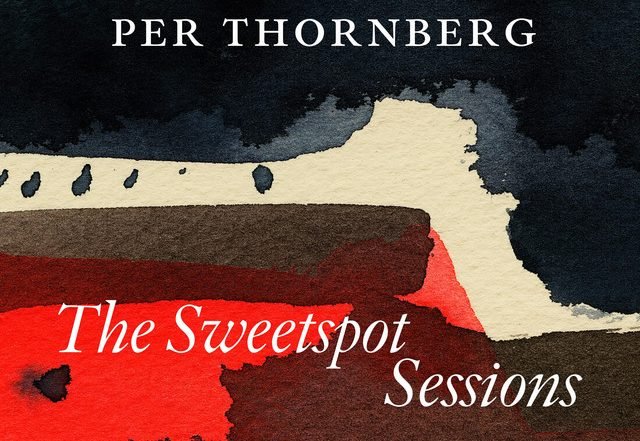
Per Thornberg – An Even Sweeter Spot (Spotify)

“You can get the impression of a large inner energy, whose strength seem to break through all the sound palette of Jazz and take advantage of your mind. Beautiful performance and virtuoso instrument use!”
“Создаётся впечатление большой внутренней энергии, чья сила и поток словно прорываются сквозь всю звуковую палитру джаза и завладевают вашим сознанием. Красивое исполнение и виртуозное владение инструментами!”
-Nagamag.com
Recorded with just one microphone in a perfect sounding room at Sweetspot Studios, An Even Sweeter Spot is the last song on the EP "The Sweetspot Sessions".
https://instagram.com/tmp_jazz
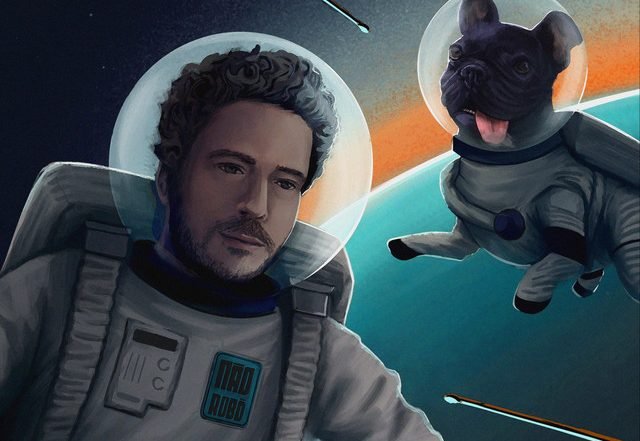
Gustavo Campos – Não Robô (Spotify)
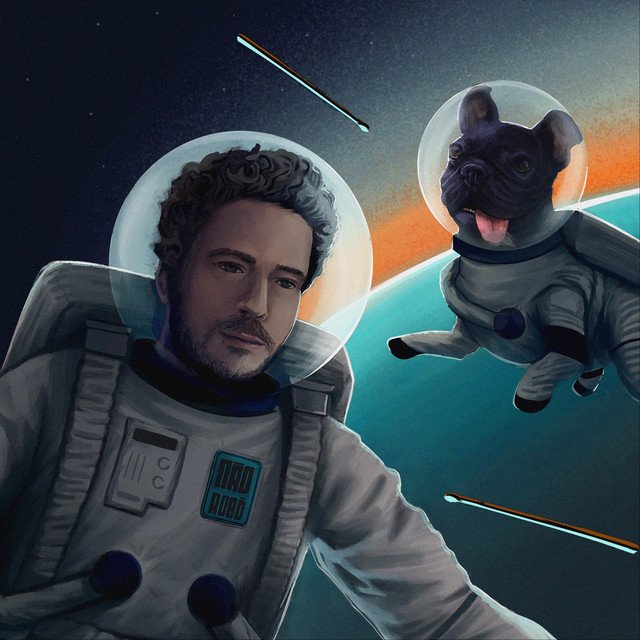
“The Não Robô single is a definite must-have for fans of bossa nova / Jazz.A personal and intimate record where we are invited on a journey into the mind of an artist. It's an original piece that shows a wide range of emotions and musicality, the sound is elegant and sophisticated and the production impeccable, Gustavo Campos does a great job in this single.”
-Nagamag.com
Latest Jazz discoveries

Imagine – WeeLye
Με μια διαφορετική και όμορφη προσέγγιση τα φωνητικά εκφράζουν τα συναισθήματα τους και μας μεταφέρουν την αλήθεια τους με τ... >>> Read full review & listen to the song on Nagamag #acousticfolk #jazz #singersongwriter #weelye #france #nagamag #musicmagazine #musicreview #review

Azizam – Hans Luchs
Ένα υπέροχο μελωδικό ταξίδι με εκλεπτυσμένα και απαλά αγγίγματα που ξεκουράζουν μυαλό και ψυχή. Το πάθος και το ταπεραμέντο τ... >>> Read full review & listen to the song on Nagamag #jazz #hansluchs #unitedstates #nagamag #musicmagazine #musicreview #review

Goopy – Nitecap
Με όρεξη και με κέφι η μελωδία δημιουργεί μια ευχάριστη ατμόσφαιρα. Οι επιδέξιες εναλλαγές της κρατούν το ενδιαφέρον μας αμεί... >>> Read full review & listen to the song on Nagamag #funk #nujazz #jazztronica #retrosoul #nitecap #unitedstates #nagamag #musicmagazine #musicreview #review
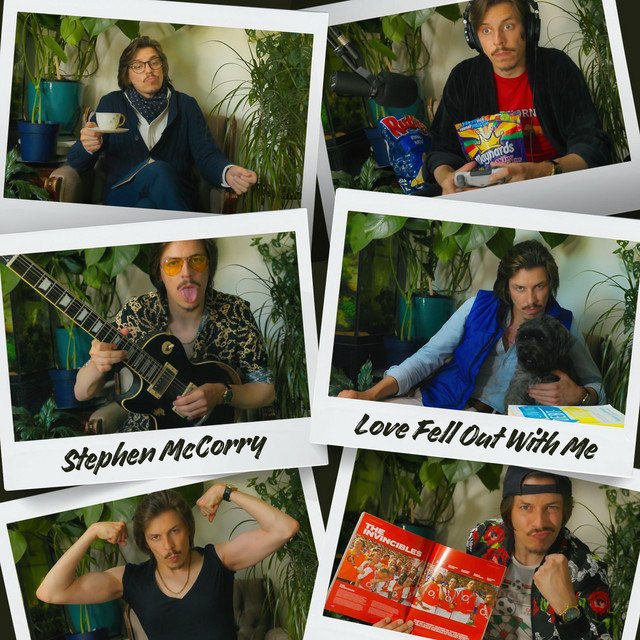
Love Fell Out With Me – Stephen McCorry
Όμροφα και αισθησιακά η μελωδία κάθεται δίπλα μας και μας παρασύρει σε ένα γοητευτικό χορό. Τα φωνητικά με την υπέροχη βραχνή... >>> Read full review & listen to the song on Nagamag #jazz #stephenmccorry #ireland #nagamag #musicmagazine #musicreview #review
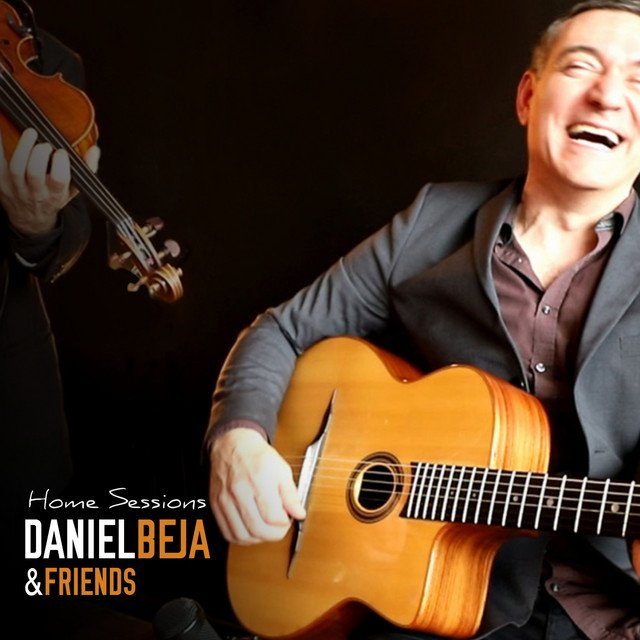
Adieu Paris – Daniel Beja
Melancholic and very emotional song feels deeper and deeper with every time it is played. Addictive violin lead is just beaut... >>> Read full review & listen to the song on Nagamag #jazz #danielbeja #france #nagamag #musicmagazine #musicreview #review

All So Incredible – Cici Arthur (Joseph Shabason, Chris A. Cummings, Thom Gill)
Amazing jazz song with lounge harmonic structure behind it. Full of catchy themes, that feels almost cinematic. Blissful lead... >>> Read full review & listen to the song on Nagamag #dreampop #ambient #ciciarthurjosephshabason #chrisacummings #thomgill #canada #nagamag #musicmagazine #musicreview #review
02/09/23 – Seth Finch x Gabrielle Cavassa
Smooth mood and easy listening sounds that are layered with blissful lead vocal. Her voice is definitely makes us focus the m... >>> Read full review & listen to the song on Nagamag #neosoul #nujazz #jazztronica #jazz #sethfinchxgabriellecavassa #sethfinchxgabriellecavassa #unitedstates #nagamag #musicmagazine #musicreview #review

Ladies Man – Bush Divers
Όμορφα και παθιασμένα φωνητικά που ανεβάζουν την αδρεναλίνη με την πληθωρική ερμηνεία τους. Η μελωδία με τα μεθυστικά αγγίγμα... >>> Read full review & listen to the song on Nagamag #funk #indierock #alternativerock #bushdivers #unitedstates #nagamag #musicmagazine #musicreview #review

Desperate For Love – Camille Trust
Όμορφα και ρομαντικά φωνητικά που με τον αισθησιασμό τους μαλακώνουν την καρδιά μας και ανεβάζουν το επίπεδο της διασκέδασης ... >>> Read full review & listen to the song on Nagamag #neosoul #funk #retrosoul #camilletrust #unitedstates #nagamag #musicmagazine #musicreview #review
Some Jazz subgenres
There are many subgenres of jazz, and the boundaries between them can be somewhat fluid. Here are a few of the most common subgenres of jazz:
Dixieland jazz: Also known as “traditional” or “New Orleans” jazz, this style is characterized by its use of collective improvisation and a strong rhythm section, featuring instruments such as the trumpet, trombone, and clarinet.
Swing: This style emerged in the 1930s and 1940s and is characterized by its use of a swinging rhythm and big band instrumentation. It was popularized by bands led by musicians such as Duke Ellington and Benny Goodman.
Bebop: This style emerged in the 1940s and is characterized by its fast tempo, complex chord progressions, and extensive use of improvisation. It was popularized by musicians such as Charlie Parker and Dizzy Gillespie.
Cool jazz: This style emerged in the 1950s and is characterized by its use of complex harmonies and a laid-back, relaxed approach to rhythm. It was popularized by musicians such as Miles Davis and Dave Brubeck.
Fusion: This style emerged in the 1970s and is characterized by its incorporation of elements from other genres of music, such as rock, funk, and world music. It was popularized by musicians such as John McLaughlin and Chick Corea.
Smooth jazz: This style emerged in the 1980s and is characterized by its use of electronic instrumentation and a focus on melody and groove. It was popularized by musicians such as George Benson and Grover Washington Jr.
Hard bop: This style emerged in the 1950s and is characterized by its use of blues and gospel influences and its incorporation of elements from bebop and swing. It was popularized by musicians such as Horace Silver and Art Blakey.
Free jazz: This style emerged in the 1960s and is characterized by its use of extended improvisation and a lack of strict chord progressions or other formal structures. It was popularized by musicians such as Ornette Coleman and John Coltrane.
Latin jazz: This style is characterized by its incorporation of Latin American rhythms and melodies, as well as its use of percussion instruments such as congas, timbales, and bongos. It was popularized by musicians such as Tito Puente and Cal Tjader.
Acid jazz: This style emerged in the 1980s and is characterized by its incorporation of elements from funk, soul, and hip hop, as well as its use of electronic instrumentation. It was popularized by musicians such as Brand New Heavies and Jamiroquai.
Jazz-rock: This style emerged in the 1970s and is characterized by its incorporation of elements from rock music and its use of electric instruments. It was popularized by musicians such as Mahavishnu Orchestra and Weather Report.
Jazz-funk: This style is characterized by its incorporation of elements from funk music and its use of electric instruments and groove-based rhythms. It was popularized by musicians such as James Brown and George Clinton.
As with any genre of music, these subgenres are just a few of the many that exist within the broader category of jazz. There are many other styles and variations within jazz.
The most used instruments in Jazz Music
There are many different instruments that are commonly used in jazz music, and the specific instruments used can vary depending on the style and context of the music. Here are a few of the most common instruments used in jazz:
Piano: The piano is a common instrument in jazz music and is often used to provide the harmonic foundation for the music. Jazz pianists may use a range of techniques, including comping (providing chordal accompaniment), soloing (performing a melodic solo), and improvising (creating music spontaneously).
Drums: The drums are an important part of the rhythm section in jazz music and are often used to create a swinging or groove-based feel. Jazz drummers may use a range of techniques, including various stick and cymbal patterns, to create complex rhythms and interactive interactions with other musicians.
Bass: The bass is another important part of the rhythm section in jazz music and is often used to provide the foundation for the music. Jazz bassists may use a range of techniques, including walking bass lines (a repeating pattern of notes played over the chord progression of a song) and soloing, to create a strong rhythmic and melodic foundation for the music.
Guitar: The guitar is often used in jazz music and can play a variety of roles, from providing chordal accompaniment to soloing. Jazz guitarists may use a range of techniques, including chord voicings (arrangements of notes in a chord), arpeggios (broken chords played one note at a time), and improvisation, to create complex and interesting musical textures.
Saxophone: The saxophone is a common instrument in jazz music and is often used to play melodies and improvise solos. Jazz saxophonists may use a range of techniques, including alternate fingerings, multiphonics (playing more than one pitch at a time), and circular breathing (a technique for continuous blowing), to create a wide range of sounds and textures.
Vocals: Vocals are often used in jazz music, and many jazz singers have made significant contributions to the genre. Jazz vocals can take many forms, ranging from scat singing (improvised vocalizations using nonsense syllables) to more traditional vocal styles such as singing with lyrics. Some famous jazz singers include Billie Holiday, Ella Fitzgerald, and Louis Armstrong, all of whom are known for their unique vocal styles and ability to improvise.
In addition to traditional vocals, many jazz musicians also use electronic effects and processing to manipulate their voices, creating a wide range of sounds and textures. Some jazz musicians, such as Bobby McFerrin and Gregory Porter, have made significant contributions to the genre using only their voices, without any accompanying instruments.
In jazz music, lyrics are often used in the same way as in other genres of music, to express emotions, tell a story, or convey a message. However, jazz lyrics may also be used to create a structure for improvisation or to provide a basis for scat singing, which is a form of vocal improvisation in which the singer uses nonsense syllables instead of actual words.
Jazz lyrics may also be more abstract and poetic than lyrics in other genres of music, and may use figurative language or symbolism to convey meaning. Jazz lyrics often reflect the social and cultural contexts in which the music was created, and may address themes such as love, loss, hope, and social or political issues.
Overall, vocals and the meaning of lyrics in jazz music depends on the context in which they are used and the intentions of the songwriter. They can be used to express emotions, tell a story, convey a message, or provide a structure for the music to follow.