
Jazz Music ⁞ New Releases⁞ Artist Interviews⁞ Music News
Introduction of Jazz Music
Jazz is a genre of music that originated in the African-American communities of New Orleans, United States, in the late 19th and early 20th centuries. It is characterized by its use of improvisation, complex harmonic structures, and a wide range of musical influences, including blues, gospel, and European classical music. Jazz is known for its swing rhythm, which is created by the use of syncopated rhythms and a strong pulse. It is often played by small ensembles, such as a quintet or sextet, and is known for its ability to adapt to a wide range of musical contexts and styles. Jazz has had a significant influence on many other genres of music, and has been an important part of the cultural fabric of the United States and the rest of the world for more than a century.
Jazz by Nagamag Playlist on Spotify
Recent Jazz Interviews
Jazz Featured Releases
Mathien – M-F Calendar
“Although it is a jazz song with every fiber in its soul, it does have that one moment, that really hits that mark, catchy detail, sitar instrument, that is perfectly layered with the rest of the songs sounds. Smooth groove and beautiful vocal that fits the song 70’s vibe in amazing way. ”
“Παρόλο που είναι ένα τραγούδι τζαζ με κάθε ίνα στην ψυχή του, έχει αυτή τη στιγμή, που πραγματικά χτυπά αυτό το σήμα, πιασάρικη λεπτομέρεια, το Sitar όργανο, που είναι τέλεια στρωμένο με τα υπόλοιπα τραγούδια ακούγεται. Smooth Groove και Beautiful Vocal που ταιριάζει με το vibe του Song 70 με εκπληκτικό τρόπο.” *
“Aunque es una canción de jazz con cada fibra en su alma, tiene ese momento, lo que realmente golpea esa marca, detalles pegadizos, instrumento de sitar, que está perfectamente en capas con el resto de los sonidos de las canciones. Groove suave y una hermosa vocal que se ajusta a la canción de la canción 70 de una manera sorprendente.” *
-Nagamag.com
The song “Mathien – M-F Calendar” is released by WURLITZER CROWLEY RECORDINGS
Song Sources for “Mathien – M-F Calendar”:
Spotify: https://open.spotify.com/track/5L5SM4U9fkPnOMAuIAUhCi
Find Mathien on Socials:
Instagram: https://www.instagram.com/mathien
TikTok: https://www.tiktok.com/@mathien_

Raymond Revel – In Bloom
“Удивительный музыкальный опыт, который погружает слушателя в атмосферу безмятежности и гармонии. Мелодичный коктейль, который создал -Raymond Revel-, идеально подходит для тех, кто ищет способ расслабиться и отвлечься от повседневных забот. С каждой секундой Funk атмосфера погружает нас всё глубже и глубже в свой мир, где мы можем забыть о проблемах и наслаждаться мгновением.”
“Amazing musical experience that immerses the listener into the atmosphere of serenity and harmony. The melodic cocktail, which created -Raymond revel-, is ideal for those who are looking for a way to relax and distract from everyday worries. With every second, Funk atmosphere immerses us deeper and deeper into our world, where we can forget about problems and enjoy the moment.” *
“Καταπληκτική μουσική εμπειρία που βυθίζει τον ακροατή στην ατμόσφαιρα της ηρεμίας και της αρμονίας. Το μελωδικό κοκτέιλ, το οποίο δημιούργησε -Raymond Revel-, είναι ιδανικό για όσους αναζητούν έναν τρόπο να χαλαρώσουν και να αποσπάσουν την προσοχή από τις καθημερινές ανησυχίες. Με κάθε δευτερόλεπτο, η ατμόσφαιρα Funk μας βυθίζει βαθύτερα και βαθύτερα στον κόσμο μας, όπου μπορούμε να ξεχάσουμε τα προβλήματα και να απολαύσουμε τη στιγμή.” *
-Nagamag.com
The song “Raymond Revel – In Bloom” is released by Raymond Revel Records
Song Sources for “Raymond Revel – In Bloom”:
Spotify: https://open.spotify.com/track/656HLlxUGm01cpUhQi3ALR
Youtube: https://www.youtube.com/watch?v=Cu4VB57nIa0
Apple Music: https://music.apple.com/us/album/in-bloom/1673686075?i=1673686076
Find Raymond Revel on Socials:
Instagram: https://www.instagram.com/raymondrevelmusic/

Lofimoore – Endless Mist
“Lo fi mood and slower beats makes this song very relaxing and will put your mind at ease. Dreamy synth theme and melancholic vibe of the song creates very hypnotic atmosphere. With a rainy nigh in the background and your thoughts full of memories, song feels like the perfect choice for that moment. ”
“Η διάθεση και οι πιο αργές κτύπους κάνουν αυτό το τραγούδι πολύ χαλαρωτικό και θα βάλει το μυαλό σας άνετα. Το Dreamy Synth θέμα και η μελαγχολική ατμόσφαιρα του τραγουδιού δημιουργούν πολύ υπνωτική ατμόσφαιρα. Με μια βροχερή κοντά στο παρασκήνιο και τις σκέψεις σας γεμάτες αναμνήσεις, το τραγούδι αισθάνεται σαν την τέλεια επιλογή για εκείνη τη στιγμή.” *
“Lo Fi Mood y Boots más lentos hacen que esta canción sea muy relajante y tranquilizará. El tema de sintetizador soñador y el ambiente melancólico de la canción crean una atmósfera muy hipnótica. Con una nula lluviosa en el fondo y sus pensamientos llenos de recuerdos, la canción se siente como la elección perfecta para ese momento.” *
-Nagamag.com
The song “Lofimoore – Endless Mist” is released by T&s Gang
Song Sources for “Lofimoore – Endless Mist”:
Spotify: https://open.spotify.com/track/5CuG5wV5b6GMR5N1EGtRzl
Youtube: https://www.youtube.com/watch?v=4J0G-xNKE1M
Apple Music: https://music.apple.com/us/album/endless-mist/1629552734?i=1629552744
Deezer: https://www.deezer.com/track/1783892677
Latest Jazz discoveries
LOV – Can I? | Jazz Review
Can I? by LOV moves with an effortless sensual fluidity, allowing the vocals to become the central vessel of its emotional we... >>> Read full review & listen to the song on Nagamag #neosoul #retrosoul #lov #canada #nagamag #musicmagazine #musicreview #review
Release Review: Tyler Sabbag – Luce Sull’acqua | Jazz
On Luce Sull’acqua,” Tyler Sabbag delivers a composition that feels like a sensory refuge. The melody unfolds with a gentle ... >>> Read full review & listen to the song on Nagamag #jazz #tylersabbag #unitedstates #nagamag #musicmagazine #musicreview #review
“Brazilian Night” by Tim Bowman | Jazz Review
Brazilian Night” by Tim Bowman unfolds with a sensual ease that feels almost effortless, letting the melody hover lightly ov... >>> Read full review & listen to the song on Nagamag #nujazz #jazztronica #brazilianjazz #timbowman #unitedstates #nagamag #musicmagazine #musicreview #review
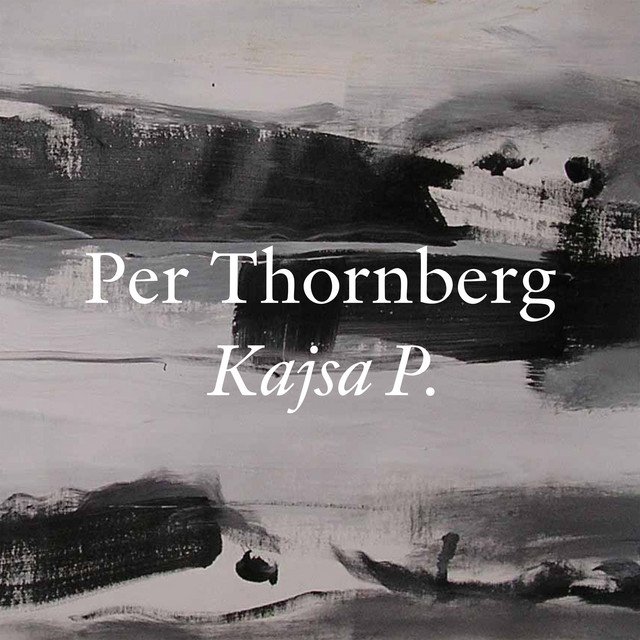
Single Review: Per Thornberg – Kajsa P. | Review
Kajsa P.” by Per Thornberg unfolds like an understated exercise in sensuality, where the melody doesn’t demand attention—it ... >>> Read full review & listen to the song on Nagamag #jazz #freejazz #perthornberg #sweden #nagamag #musicmagazine #musicreview #review
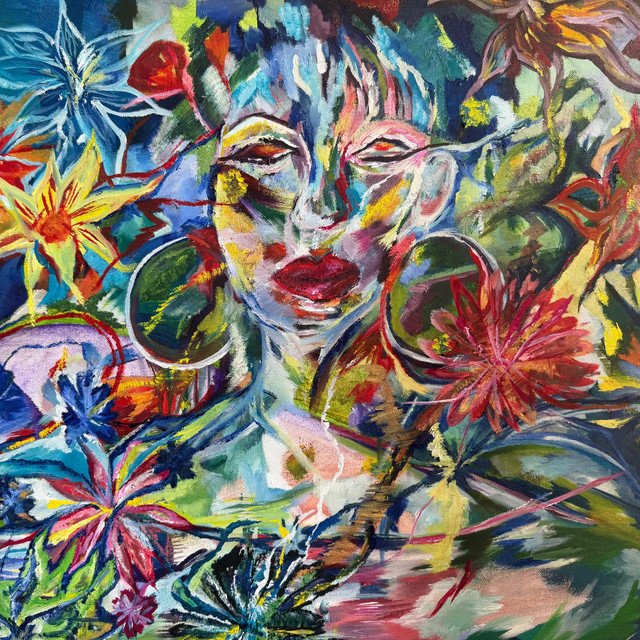
Release Review: J MESA – Untitled (fọláṣadé) | Jazz Music
Untitled (fọláṣadé)” by J MESA unfolds through a beautifully soft, refined melody that immediately establishes a high-level,... >>> Read full review & listen to the song on Nagamag #contemporaryrnb #retrosoul #jmesa #unitedstates #nagamag #musicmagazine #musicreview #review

Levi Taschuk – Benefit of the Doubt | Jazz Review
Benefit of the Doubt” moves along a fine line between minimalist reverie and subdued tension. The melody unfolds with almost... >>> Read full review & listen to the song on Nagamag #jazzfusion #artrock #levitaschuk #canada #nagamag #musicmagazine #musicreview #review

Next Up Jazz Review: Nathanial Young – Love Theme from Spartacus
Nathaniel Young’s take on Love Theme from Spartacus doesn’t just chase beauty — it strips it bare. The melody unfolds with an... >>> Read full review & listen to the song on Nagamag #nujazz #jazztronica #freejazz #nathanialyoung #unitedstates #nagamag #musicmagazine #musicreview #review

Single Review: Big Sima – RENT FREE | Review
RENT FREE” by Boomtown with Big Sima bursts with uplifting energy, with a rhythm that immediately grabs you and brings you ba... >>> Read full review & listen to the song on Nagamag #funk #bigsima #newzealand #nagamag #musicmagazine #musicreview #review
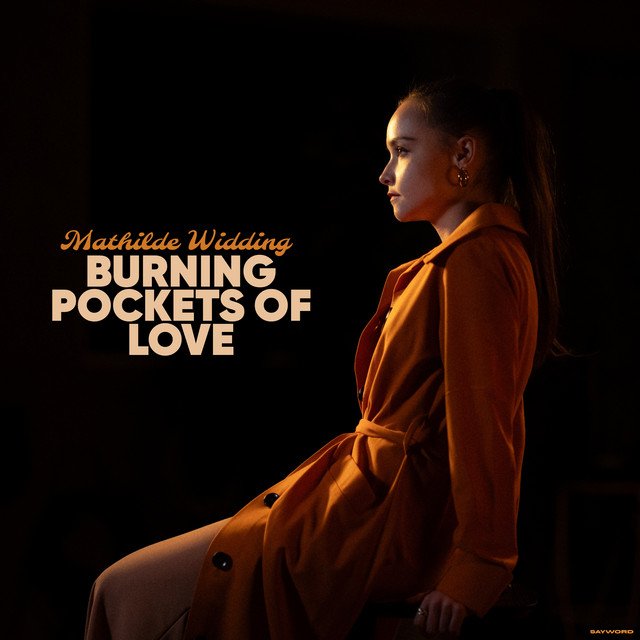
Mathilde Widding – Burning Pockets Of Love | Jazz Review
Burning Pockets Of Love” by Mathilde Widding unfolds with a melody that quietly saturates the space, leaving behind a trace o... >>> Read full review & listen to the song on Nagamag #contemporaryrnb #retrosoul #mathildewidding #norway #nagamag #musicmagazine #musicreview #review
Some Jazz subgenres
There are many subgenres of jazz, and the boundaries between them can be somewhat fluid. Here are a few of the most common subgenres of jazz:
Dixieland jazz: Also known as “traditional” or “New Orleans” jazz, this style is characterized by its use of collective improvisation and a strong rhythm section, featuring instruments such as the trumpet, trombone, and clarinet.
Swing: This style emerged in the 1930s and 1940s and is characterized by its use of a swinging rhythm and big band instrumentation. It was popularized by bands led by musicians such as Duke Ellington and Benny Goodman.
Bebop: This style emerged in the 1940s and is characterized by its fast tempo, complex chord progressions, and extensive use of improvisation. It was popularized by musicians such as Charlie Parker and Dizzy Gillespie.
Cool jazz: This style emerged in the 1950s and is characterized by its use of complex harmonies and a laid-back, relaxed approach to rhythm. It was popularized by musicians such as Miles Davis and Dave Brubeck.
Fusion: This style emerged in the 1970s and is characterized by its incorporation of elements from other genres of music, such as rock, funk, and world music. It was popularized by musicians such as John McLaughlin and Chick Corea.
Smooth jazz: This style emerged in the 1980s and is characterized by its use of electronic instrumentation and a focus on melody and groove. It was popularized by musicians such as George Benson and Grover Washington Jr.
Hard bop: This style emerged in the 1950s and is characterized by its use of blues and gospel influences and its incorporation of elements from bebop and swing. It was popularized by musicians such as Horace Silver and Art Blakey.
Free jazz: This style emerged in the 1960s and is characterized by its use of extended improvisation and a lack of strict chord progressions or other formal structures. It was popularized by musicians such as Ornette Coleman and John Coltrane.
Latin jazz: This style is characterized by its incorporation of Latin American rhythms and melodies, as well as its use of percussion instruments such as congas, timbales, and bongos. It was popularized by musicians such as Tito Puente and Cal Tjader.
Acid jazz: This style emerged in the 1980s and is characterized by its incorporation of elements from funk, soul, and hip hop, as well as its use of electronic instrumentation. It was popularized by musicians such as Brand New Heavies and Jamiroquai.
Jazz-rock: This style emerged in the 1970s and is characterized by its incorporation of elements from rock music and its use of electric instruments. It was popularized by musicians such as Mahavishnu Orchestra and Weather Report.
Jazz-funk: This style is characterized by its incorporation of elements from funk music and its use of electric instruments and groove-based rhythms. It was popularized by musicians such as James Brown and George Clinton.
As with any genre of music, these subgenres are just a few of the many that exist within the broader category of jazz. There are many other styles and variations within jazz.
The most used instruments in Jazz Music
There are many different instruments that are commonly used in jazz music, and the specific instruments used can vary depending on the style and context of the music. Here are a few of the most common instruments used in jazz:
Piano: The piano is a common instrument in jazz music and is often used to provide the harmonic foundation for the music. Jazz pianists may use a range of techniques, including comping (providing chordal accompaniment), soloing (performing a melodic solo), and improvising (creating music spontaneously).
Drums: The drums are an important part of the rhythm section in jazz music and are often used to create a swinging or groove-based feel. Jazz drummers may use a range of techniques, including various stick and cymbal patterns, to create complex rhythms and interactive interactions with other musicians.
Bass: The bass is another important part of the rhythm section in jazz music and is often used to provide the foundation for the music. Jazz bassists may use a range of techniques, including walking bass lines (a repeating pattern of notes played over the chord progression of a song) and soloing, to create a strong rhythmic and melodic foundation for the music.
Guitar: The guitar is often used in jazz music and can play a variety of roles, from providing chordal accompaniment to soloing. Jazz guitarists may use a range of techniques, including chord voicings (arrangements of notes in a chord), arpeggios (broken chords played one note at a time), and improvisation, to create complex and interesting musical textures.
Saxophone: The saxophone is a common instrument in jazz music and is often used to play melodies and improvise solos. Jazz saxophonists may use a range of techniques, including alternate fingerings, multiphonics (playing more than one pitch at a time), and circular breathing (a technique for continuous blowing), to create a wide range of sounds and textures.
Vocals: Vocals are often used in jazz music, and many jazz singers have made significant contributions to the genre. Jazz vocals can take many forms, ranging from scat singing (improvised vocalizations using nonsense syllables) to more traditional vocal styles such as singing with lyrics. Some famous jazz singers include Billie Holiday, Ella Fitzgerald, and Louis Armstrong, all of whom are known for their unique vocal styles and ability to improvise.
In addition to traditional vocals, many jazz musicians also use electronic effects and processing to manipulate their voices, creating a wide range of sounds and textures. Some jazz musicians, such as Bobby McFerrin and Gregory Porter, have made significant contributions to the genre using only their voices, without any accompanying instruments.
In jazz music, lyrics are often used in the same way as in other genres of music, to express emotions, tell a story, or convey a message. However, jazz lyrics may also be used to create a structure for improvisation or to provide a basis for scat singing, which is a form of vocal improvisation in which the singer uses nonsense syllables instead of actual words.
Jazz lyrics may also be more abstract and poetic than lyrics in other genres of music, and may use figurative language or symbolism to convey meaning. Jazz lyrics often reflect the social and cultural contexts in which the music was created, and may address themes such as love, loss, hope, and social or political issues.
Overall, vocals and the meaning of lyrics in jazz music depends on the context in which they are used and the intentions of the songwriter. They can be used to express emotions, tell a story, convey a message, or provide a structure for the music to follow.