
Jazz Music ⁞ New Releases⁞ Artist Interviews⁞ Music News
Introduction of Jazz Music
Jazz is a genre of music that originated in the African-American communities of New Orleans, United States, in the late 19th and early 20th centuries. It is characterized by its use of improvisation, complex harmonic structures, and a wide range of musical influences, including blues, gospel, and European classical music. Jazz is known for its swing rhythm, which is created by the use of syncopated rhythms and a strong pulse. It is often played by small ensembles, such as a quintet or sextet, and is known for its ability to adapt to a wide range of musical contexts and styles. Jazz has had a significant influence on many other genres of music, and has been an important part of the cultural fabric of the United States and the rest of the world for more than a century.
Jazz by Nagamag Playlist on Spotify
Recent Jazz Interviews
Jazz Featured Releases
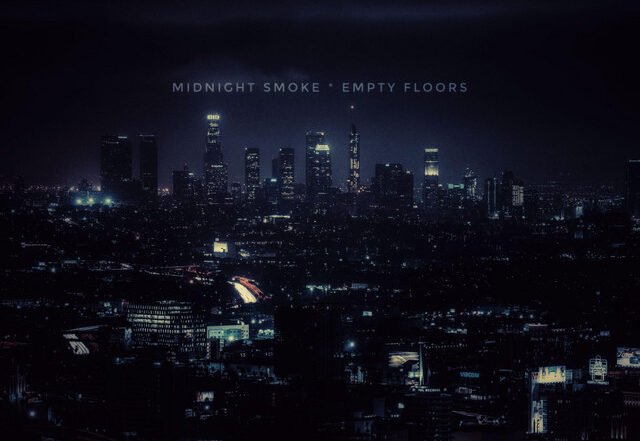
Midnight Smoke – Lonely Executive
“Melancholic vibes and deeper, more sensual mood of the song, creates some truly seductive atmosphere. Smooth groove and depth it have is perfectly layered with beautiful harmonies in the background. Lush saxophone solo feels so epic, almost cinematic in structure, as well as the lead guitar and the trumpet theme. Song explores the Blade Runner soundscapes with fitting tone. ”
“Μελαγχολικά vibes και βαθύτερη, πιο αισθησιακή διάθεση του τραγουδιού, δημιουργεί κάποια πραγματικά σαγηνευτική ατμόσφαιρα. Η ομαλή αυλάκωση και το βάθος που έχει είναι τέλεια στρωμένο με όμορφες αρμονίες στο παρασκήνιο. Το πλούσιο σόλο σαξόφωνο αισθάνεται τόσο επική, σχεδόν κινηματογραφική δομή, καθώς και η κιθάρα μολύβδου και το θέμα της τρομπέτας. Το τραγούδι διερευνά τα ηχητικά τοπία του Blade Runner με τόνο τοποθέτησης.” *
“Las vibraciones melancólicas y el estado de ánimo más profundo y más sensual de la canción crean una atmósfera verdaderamente seductora. El ritmo y la profundidad suaves que tiene está perfectamente en capas con hermosas armonías en el fondo. El exuberante saxofón solo se siente tan épico, casi cinematográfico de estructura, así como la guitarra principal y el tema de la trompeta. Song explora los paisajes sonoros de Blade Runner con un tono de ajuste.” *
-Nagamag.com
The song “Midnight Smoke – Lonely Executive” is released by DistroKid
Song Sources for “Midnight Smoke – Lonely Executive”:
Spotify: https://open.spotify.com/track/0TPsT5H4f9UXs3MR5yTASg
Find Midnight Smoke on Socials:
Instagram: https://www.instagram.com/midnight_smoke_music/
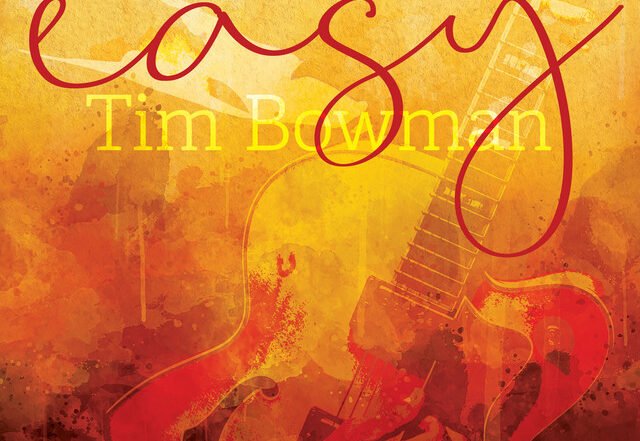
Tim Bowman – Easy
“Smooth vibe and easy listening sounds are perfectly capturing jazz vibes and lush atmosphere. Groovy but still mellow beats are driving this song so well. Beautiful lead guitar is expanding the mood of the song in a blissful way and all the harmonies in the background gives depth to that wonderful feeling.”
“Η ομαλή ατμόσφαιρα και οι εύκολοι ήχοι ακρόασης καταγράφουν τέλεια τζαζ ατμόσφαιρα και πλούσια ατμόσφαιρα. Groovy αλλά ακόμα μαλακά χτυπήματα οδηγούν αυτό το τραγούδι τόσο καλά. Η όμορφη κιθάρα μολύβδου επεκτείνει τη διάθεση του τραγουδιού με ευτυχισμένο τρόπο και όλες οι αρμονίες στο παρασκήνιο δίνουν βάθος σε αυτό το υπέροχο συναίσθημα.” *
“El ambiente suave y los sonidos de escucha fáciles capturan perfectamente las vibraciones de jazz y la exuberante atmósfera. Los ritmos maravillosos pero aún suaves están conduciendo esta canción tan bien. Hermosa guitarra principal está expandiendo el estado de ánimo de la canción de una manera maravillosa y todas las armonías en el fondo dan profundidad a esa maravillosa sensación.” *
-Nagamag.com
The song “Tim Bowman – Easy” is released by Nia Music Distribution, Llc.
Song Sources for “Tim Bowman – Easy”:
Spotify: https://open.spotify.com/track/2QMncvsysL74Zs8EHYWaCz
Youtube: https://www.youtube.com/watch?v=mtwuwyI-wi0
Apple Music: https://music.apple.com/us/album/easy/1680626168?i=1680626169
Deezer: https://www.deezer.com/track/2222711217
Find Tim Bowman on Socials:
Instagram: https://www.instagram.com/tim.bowman/
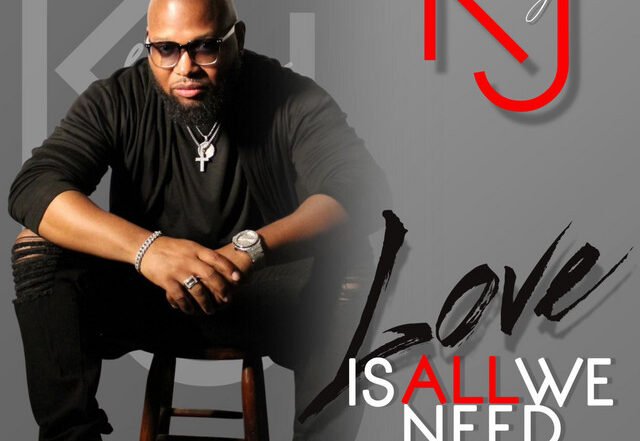
Kenny J Wilkins – Love Is All We Need
“Η μελωδία από την αρχή μας μεταφέρει σε μια κατάσταση ευεξίας. Χαρούμενες νότες και αρμονικές στολίζουν με τα πιο υπέροχα χρώματα την ατμόσφαιρα. Τα εξαίσια φωνητικά με την εντυπωσιακή καθαρότητα τους και τη δυναμική τους εκφράζουν επιτυχημένα τα συναισθήματα αγάπης και δικαιοσύνης. Ο ρυθμός μας κρατά σε ισορροπία και μας γεμίζει ευχαρίστηση.”
“The melody from the beginning takes us to a state of wellness. Happy notes and harmonics adorn the atmosphere with the most beautiful colors. The exquisite vocals with their impressive purity and their dynamics successfully express the feelings of love and justice. Our rhythm keeps us in balance and fills us with pleasure.” *
“La melodía desde el principio nos lleva a un estado de bienestar. Las notas y armónicos felices adornan la atmósfera con los colores más hermosos. Las voces exquisitas con su impresionante pureza y su dinámica expresan con éxito los sentimientos de amor y justicia. Nuestro ritmo nos mantiene en equilibrio y nos llena de placer.” *
-Nagamag.com
The song “Kenny J Wilkins – Love Is All We Need” is released by Kenny J. Wilkins
Song Sources for “Kenny J Wilkins – Love Is All We Need”:
Spotify: https://open.spotify.com/track/1THeqPkuCcispcYX9YWEDn
Latest Jazz discoveries

“Movie Star” by Jada Di’Larosa | Jazz Review
On Movie Star,” Jada Di’Larosa lets the night settle in slowly, like a scene fading into soft focus, with a drink in hand an... >>> Read full review & listen to the song on Nagamag #jazzfusion #slowcore #jadadi'larosa #unitedstates #nagamag #musicmagazine #musicreview #review
“Soikkola” by Van Sur Les | Jazz Review
On Soikkola,” Van Sur Les craft a romantic, melancholic melody that feels like a quiet presence, gently holding your hand th... >>> Read full review & listen to the song on Nagamag #nujazz #jazztronica #downtempo #vansurles #netherlands #nagamag #musicmagazine #musicreview #review
Track Review: Dieter van der Westen – I Feel the Devil | Jazz
Το I Feel the Devil” του Dieter van der Westen κινείται σε μια υπόγεια, σχεδόν υπνωτική ένταση, όπου ο αισθησιασμός δεν δηλώ... >>> Read full review & listen to the song on Nagamag #blues #bluesrock #dietervanderwesten #netherlands #nagamag #musicmagazine #musicreview #review

“Manifesto (Oceanway Sessions)” by Tom Petrone | Jazz Review
Το Manifesto (Oceanway Sessions)” διοχετεύει μια αίσθηση άμεσης, σχεδόν σωματικής έντασης, όπου η μελωδία ξεσπά με αυτοπεποί... >>> Read full review & listen to the song on Nagamag #jazz #tompetrone #unitedstates #nagamag #musicmagazine #musicreview #review
Single Review: Swing a Dilla – I Like You | Listen to Jazz
Το I Like You” των Swing a Dilla λειτουργεί σαν στιγμιαίο ντοπαμινικό χτύπημα: φωτεινό, παιχνιδιάρικο, και ελαφρώς αυτάρεσκο... >>> Read full review & listen to the song on Nagamag #electropop #electroswing #swingadilla #netherlands #nagamag #musicmagazine #musicreview #review
Collaboration Critique: fuseo x Jon Klaasen x heavytones – Love Resuscitation | Jazz Review
Το Love Resuscitation” των Fuseo x Jon Klaasen x Heavytones χτίζει έναν λαμπερό, σχεδόν κινηματογραφικό παλμό που ισορροπεί ... >>> Read full review & listen to the song on Nagamag #funk #adultcontemporary #fuseoxjonklaasenxheavytones #fuseoxjonklaasenxheavytones #unitedstates #germany #nagamag #musicmagazine #musicreview #review
“Bossa Octave” by Andrey Lavi | Jazz Review
Το Bossa Octave του Andrey Lavi απλώνεται σαν ένα νωχελικό, ηλιόλουστο κύμα που σε παρασύρει χωρίς αντίσταση. Η μελωδία, αιθέ... >>> Read full review & listen to the song on Nagamag #jazz #andreylavi #nagamag #musicmagazine #musicreview #review
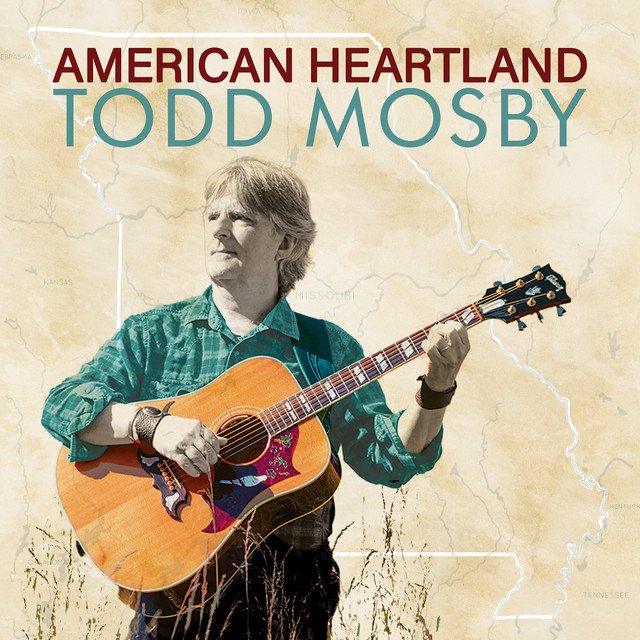
Todd Mosby – Land of Green | Essential Jazz Review
Ο Todd Mosby στήνει στο Land of Green” ένα μικρό, αυτάρκες οικοσύστημα ηρεμίας, όπου η μελωδία κυλά με φυσικότητα, σχεδόν ορ... >>> Read full review & listen to the song on Nagamag #jazzfusion #toddmosby #unitedstates #nagamag #musicmagazine #musicreview #review
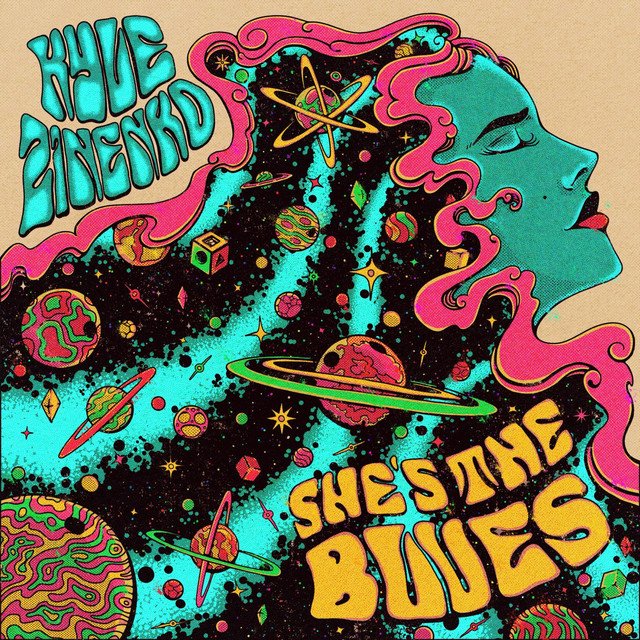
“When I Sing The Blues” by Kyle Zinenko | Jazz Review
Το When I Sing The Blues” του Kyle Zinenko ανοίγει με μια κιθαριστική φράση που δεν σε τραβάει απλώς μέσα αλλά σε ρίχνει κα... >>> Read full review & listen to the song on Nagamag #blues #kylezinenko #unitedstates #nagamag #musicmagazine #musicreview #review
Some Jazz subgenres
There are many subgenres of jazz, and the boundaries between them can be somewhat fluid. Here are a few of the most common subgenres of jazz:
Dixieland jazz: Also known as “traditional” or “New Orleans” jazz, this style is characterized by its use of collective improvisation and a strong rhythm section, featuring instruments such as the trumpet, trombone, and clarinet.
Swing: This style emerged in the 1930s and 1940s and is characterized by its use of a swinging rhythm and big band instrumentation. It was popularized by bands led by musicians such as Duke Ellington and Benny Goodman.
Bebop: This style emerged in the 1940s and is characterized by its fast tempo, complex chord progressions, and extensive use of improvisation. It was popularized by musicians such as Charlie Parker and Dizzy Gillespie.
Cool jazz: This style emerged in the 1950s and is characterized by its use of complex harmonies and a laid-back, relaxed approach to rhythm. It was popularized by musicians such as Miles Davis and Dave Brubeck.
Fusion: This style emerged in the 1970s and is characterized by its incorporation of elements from other genres of music, such as rock, funk, and world music. It was popularized by musicians such as John McLaughlin and Chick Corea.
Smooth jazz: This style emerged in the 1980s and is characterized by its use of electronic instrumentation and a focus on melody and groove. It was popularized by musicians such as George Benson and Grover Washington Jr.
Hard bop: This style emerged in the 1950s and is characterized by its use of blues and gospel influences and its incorporation of elements from bebop and swing. It was popularized by musicians such as Horace Silver and Art Blakey.
Free jazz: This style emerged in the 1960s and is characterized by its use of extended improvisation and a lack of strict chord progressions or other formal structures. It was popularized by musicians such as Ornette Coleman and John Coltrane.
Latin jazz: This style is characterized by its incorporation of Latin American rhythms and melodies, as well as its use of percussion instruments such as congas, timbales, and bongos. It was popularized by musicians such as Tito Puente and Cal Tjader.
Acid jazz: This style emerged in the 1980s and is characterized by its incorporation of elements from funk, soul, and hip hop, as well as its use of electronic instrumentation. It was popularized by musicians such as Brand New Heavies and Jamiroquai.
Jazz-rock: This style emerged in the 1970s and is characterized by its incorporation of elements from rock music and its use of electric instruments. It was popularized by musicians such as Mahavishnu Orchestra and Weather Report.
Jazz-funk: This style is characterized by its incorporation of elements from funk music and its use of electric instruments and groove-based rhythms. It was popularized by musicians such as James Brown and George Clinton.
As with any genre of music, these subgenres are just a few of the many that exist within the broader category of jazz. There are many other styles and variations within jazz.
The most used instruments in Jazz Music
There are many different instruments that are commonly used in jazz music, and the specific instruments used can vary depending on the style and context of the music. Here are a few of the most common instruments used in jazz:
Piano: The piano is a common instrument in jazz music and is often used to provide the harmonic foundation for the music. Jazz pianists may use a range of techniques, including comping (providing chordal accompaniment), soloing (performing a melodic solo), and improvising (creating music spontaneously).
Drums: The drums are an important part of the rhythm section in jazz music and are often used to create a swinging or groove-based feel. Jazz drummers may use a range of techniques, including various stick and cymbal patterns, to create complex rhythms and interactive interactions with other musicians.
Bass: The bass is another important part of the rhythm section in jazz music and is often used to provide the foundation for the music. Jazz bassists may use a range of techniques, including walking bass lines (a repeating pattern of notes played over the chord progression of a song) and soloing, to create a strong rhythmic and melodic foundation for the music.
Guitar: The guitar is often used in jazz music and can play a variety of roles, from providing chordal accompaniment to soloing. Jazz guitarists may use a range of techniques, including chord voicings (arrangements of notes in a chord), arpeggios (broken chords played one note at a time), and improvisation, to create complex and interesting musical textures.
Saxophone: The saxophone is a common instrument in jazz music and is often used to play melodies and improvise solos. Jazz saxophonists may use a range of techniques, including alternate fingerings, multiphonics (playing more than one pitch at a time), and circular breathing (a technique for continuous blowing), to create a wide range of sounds and textures.
Vocals: Vocals are often used in jazz music, and many jazz singers have made significant contributions to the genre. Jazz vocals can take many forms, ranging from scat singing (improvised vocalizations using nonsense syllables) to more traditional vocal styles such as singing with lyrics. Some famous jazz singers include Billie Holiday, Ella Fitzgerald, and Louis Armstrong, all of whom are known for their unique vocal styles and ability to improvise.
In addition to traditional vocals, many jazz musicians also use electronic effects and processing to manipulate their voices, creating a wide range of sounds and textures. Some jazz musicians, such as Bobby McFerrin and Gregory Porter, have made significant contributions to the genre using only their voices, without any accompanying instruments.
In jazz music, lyrics are often used in the same way as in other genres of music, to express emotions, tell a story, or convey a message. However, jazz lyrics may also be used to create a structure for improvisation or to provide a basis for scat singing, which is a form of vocal improvisation in which the singer uses nonsense syllables instead of actual words.
Jazz lyrics may also be more abstract and poetic than lyrics in other genres of music, and may use figurative language or symbolism to convey meaning. Jazz lyrics often reflect the social and cultural contexts in which the music was created, and may address themes such as love, loss, hope, and social or political issues.
Overall, vocals and the meaning of lyrics in jazz music depends on the context in which they are used and the intentions of the songwriter. They can be used to express emotions, tell a story, convey a message, or provide a structure for the music to follow.