
Jazz Music ⁞ New Releases⁞ Artist Interviews⁞ Music News
Introduction of Jazz Music
Jazz is a genre of music that originated in the African-American communities of New Orleans, United States, in the late 19th and early 20th centuries. It is characterized by its use of improvisation, complex harmonic structures, and a wide range of musical influences, including blues, gospel, and European classical music. Jazz is known for its swing rhythm, which is created by the use of syncopated rhythms and a strong pulse. It is often played by small ensembles, such as a quintet or sextet, and is known for its ability to adapt to a wide range of musical contexts and styles. Jazz has had a significant influence on many other genres of music, and has been an important part of the cultural fabric of the United States and the rest of the world for more than a century.
Jazz by Nagamag Playlist on Spotify
Recent Jazz Interviews
Jazz Featured Releases

Per Thornberg – Light Comes
“Smooth groove and very soft atmosphere with amazing saxophone solo is something that will set you at ease after a long day. Song is perfect for relaxing moments or preparing yourself for a night out. Lush saxophone perfectly captures the jazzy mood of the song with amazing bass and joyful background harmonies. ”
“Η ομαλή αυλάκωση και η πολύ μαλακή ατμόσφαιρα με εκπληκτικό σόλο σαξόφωνο είναι κάτι που θα σας προκαλέσει άνετα μετά από μια κουραστική μέρα. Το τραγούδι είναι ιδανικό για χαλαρωτικές στιγμές ή προετοιμάζοντας τον εαυτό σας για μια νύχτα έξω. Το πλούσιο σαξόφωνο καταγράφει τέλεια την τζαζ διάθεση του τραγουδιού με εκπληκτικό μπάσο και χαρούμενες αρμονίες φόντου.” *
“Slät spår och mycket mjuk atmosfär med fantastisk saxofonsolo är något som kommer att göra dig lugn efter en lång dag. Sången är perfekt för avkopplande stunder eller förbereda dig själv för en utekväll. Lush Saxophone fångar perfekt den jazziga stämningen i låten med fantastisk bas och glada bakgrund harmonier.” *
-Nagamag.com
The song “Per Thornberg – Light Comes” is released by ELITIST • A Division of Strawtown
Song Sources for “Per Thornberg – Light Comes”:
Spotify: https://open.spotify.com/track/7BpCywuaRHGQ8U3vU05CKh
Find Per Thornberg on Socials:
Instagram: https://www.instagram.com/per_thornberg/
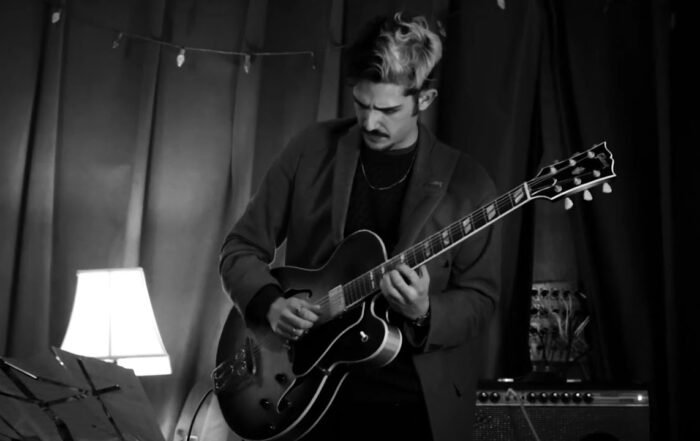
Roy Ben Bashat – Lucid
“Dreamy, melancholic and wonderful, with this three words this song can be easily described. While listening, you can’s honestly tell what instrument you enjoy the most. Lush guitar, that gently touch you with every string or blissful piano in the background. Smooth bass and drums layers perfectly the harmonic structure of the song.”
“Ονειρικό, μελαγχολικό και υπέροχο, με αυτές τις τρεις λέξεις αυτό το τραγούδι μπορεί εύκολα να περιγραφεί. Ενώ ακούτε, μπορείτε να πείτε ειλικρινά ποιο όργανο απολαμβάνετε περισσότερο. Πλούσια κιθάρα, που σας αγγίζει απαλά με κάθε συμβολοσειρά ή ευτυχισμένο πιάνο στο παρασκήνιο. Ομαλή στρώματα μπάσων και τύμπανα τέλεια η αρμονική δομή του τραγουδιού.” *
“Dreamy, melancólico y maravilloso, con estas tres palabras esta canción se puede describir fácilmente. Mientras escuchas, puedes decir honestamente qué instrumento disfruta más. Guitarra exuberante, que te toca suavemente con cada cuerda o piano feliz en el fondo. Las capas suaves de bajo y batería perfectamente la estructura armónica de la canción.” *
-Nagamag.com
Roy Ben Bashat – Guitar, Composition
Nando Michelin – Piano
Saul Ojeda – Bass
Avery Logan – Drums
Video by Diana Shaplyka and Magdalena Air
Mix and Master by Roy Ben Bashat
Recorded at the Chillhouse Studios
Check out more stuff:
Facebook: https://www.facebook.com/roy.benbashat
Instagram: https://www.instagram.com/roy_ben_bashat
Sound Cloud: https://soundcloud.com/roy-ben-bashat

Tobi Adey – Soldier
“Dreamy and beautiful vocal creates wonderful atmosphere on top of very easy listening sounds. Subtle beats creates tension within peak moments of the song, while blissful string harmonics adds more depth and emotion into the song. Smooth guitar riff makes the basic structure from the start to the finish of the song. ”
“Το Dreamy and Beautiful Vocal δημιουργεί υπέροχη ατμόσφαιρα πάνω από πολύ εύκολους ήχους ακρόασης. Οι λεπτές κτύπους δημιουργούν ένταση μέσα σε στιγμές αιχμής του τραγουδιού, ενώ οι ευδαιμονικές αρμονικές String προσθέτουν περισσότερο βάθος και συγκίνηση στο τραγούδι. Το ομαλό riff κιθάρας κάνει τη βασική δομή από την αρχή μέχρι το τέλος του τραγουδιού.” *
“La voz soñadora y hermosa crea un ambiente maravilloso además de sonidos de escucha muy fáciles. Los ritmos sutiles crean tensión en los momentos máximos de la canción, mientras que Blissful String Harmonics agrega más profundidad y emoción en la canción. Smooth Guitar Riff hace la estructura básica desde el principio hasta el final de la canción.” *
-Nagamag.com
The song “Tobi Adey – Soldier” is released by The Plug Entertainment
Song Sources for “Tobi Adey – Soldier”:
Spotify: https://open.spotify.com/track/2P3i73dVot37xSx8VdACGr
Youtube: https://www.youtube.com/watch?v=anr18VePtPk
Apple Music: https://music.apple.com/us/album/soldier/1677105644?i=1677106007
Deezer: https://www.deezer.com/track/2190524627
Find Tobi Adey on Socials:
Instagram: https://www.instagram.com/adeytobi
Website of Tobi Adey:
https://music.apple.com/gb/album/healing-notion-ep/1496569463
Latest Jazz discoveries
Ellen Birath – Fire at me | Jazz Review
Η Ellen Birath στο Fire at me η μελωδία ανοίγει με μια διάχυτη αίσθηση κεφιού, κερδίζοντας σε απόλυτο timing την προσοχή σου ... >>> Read full review & listen to the song on Nagamag #neosoul #ellenbirath #france #nagamag #musicmagazine #musicreview #review
Single Review: Rikky Disco – Monte Carlo | Listen to Jazz
Η μαγεία του Monte Carlo” ξεκινά σχεδόν ακαριαία, σαν την έναρξη μιας ξέφρενης, κοσμοπολίτικης εξόρμησης που υπόσχεται απόδρ... >>> Read full review & listen to the song on Nagamag #disco #rikkydisco #sweden #nagamag #musicmagazine #musicreview #review
“Mumbai Train” by Enzo Favata | A Jazz Breakdown Review
Το Mumbai Train” των Enzo Favata, Bindhumalini και Varijashree Venugopal κινείται σαν μια πολυστρωματική διαδρομή που ισορρο... >>> Read full review & listen to the song on Nagamag #jazz #enzofavata #italy #nagamag #musicmagazine #musicreview #review

Composition Review: KELJO – Siapa Kamu? | Jazz
Το Siapa Kamu?” του KELJO λειτουργεί σαν μια μικρή, φωτεινή έκρηξη ευφορίας: μια ποπ κατασκευή που δεν φοβάται να είναι άμεσ... >>> Read full review & listen to the song on Nagamag #neosoul #keljo #indonesia #nagamag #musicmagazine #musicreview #review
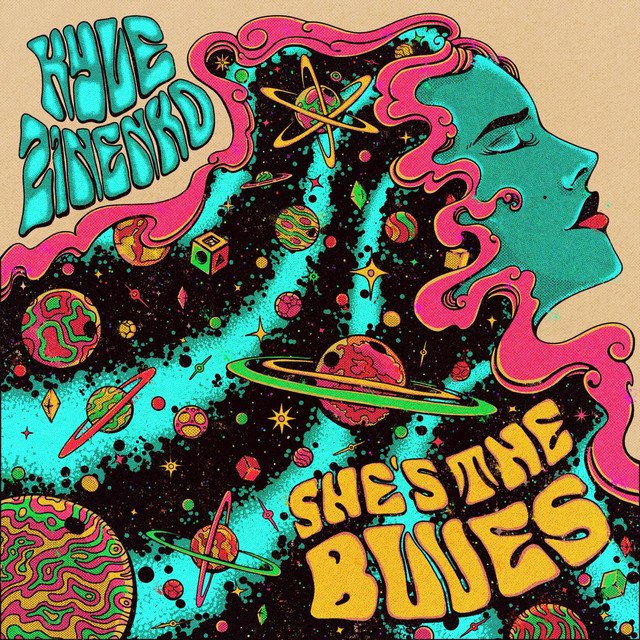
Kyle Zinenko – She’s The Blues Review | Jazz Discovery
Στο She’s The Blues”, ο Kyle Zinenko αγκαλιάζει τον συναισθηματισμό του είδους με μια σπάνια αίσθηση ισορροπίας ανάμεσα στο ... >>> Read full review & listen to the song on Nagamag #blues #kylezinenko #unitedstates #nagamag #musicmagazine #musicreview #review
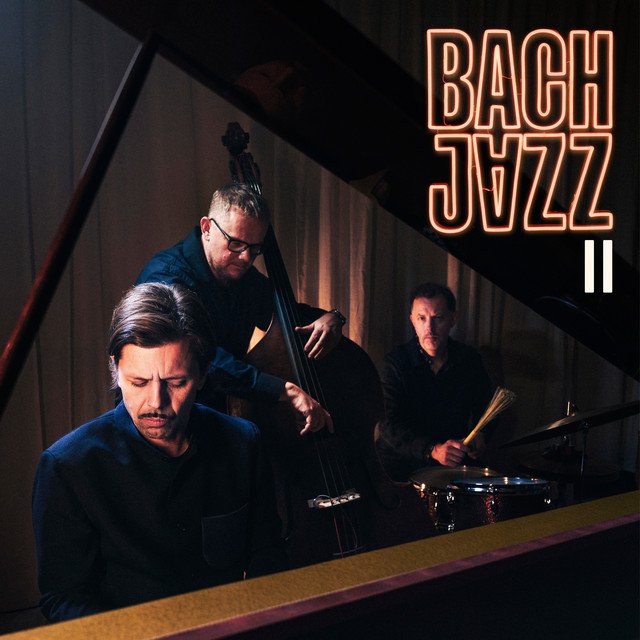
Bach Jazz – Aria Variata, BWV 989 | Review
Στο Aria Variata, BWV 989”, οι Bach jazz—μέσα από μια jazz ανάγνωση— μετατοπίζονται από τη μαθηματική αυστηρότητα σε μια πιο... >>> Read full review & listen to the song on Nagamag #neo #modernclassical #bachjazz #sweden #nagamag #musicmagazine #musicreview #review
Collaboration Critique: Kroi x Incognito – Kinetic | Jazz Review
Το Kinetic των Kroi και Incognito ξεσπά σαν ένα ξέφρενο κύμα αισιοδοξίας. Η μελωδία του, κεφάτη και φωτεινή, ανοίγει χώρο για... >>> Read full review & listen to the song on Nagamag #funk #nudisco #kroixincognito #kroixincognito #unitedkingdom #japan #nagamag #musicmagazine #musicreview #review
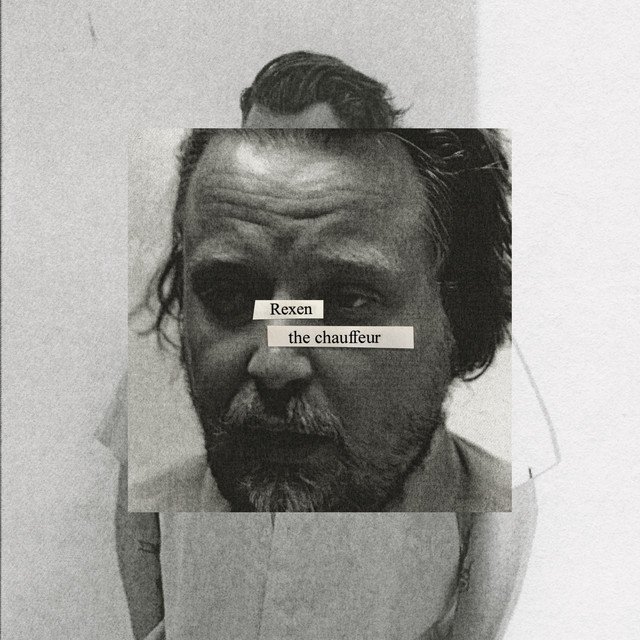
“The Chauffeur” by REXEN | Jazz Song Review
Το The Chauffeur του REXEN κινείται σε μια σκοτεινή, σχεδόν κινηματογραφική τροχιά, όπου η ένταση δεν εκρήγνυται αλλά συσσωρε... >>> Read full review & listen to the song on Nagamag #jazz #neofolk #rexen #denmark #nagamag #musicmagazine #musicreview #review

Music Review: Nathanial Young – Isfahan | Jazz Release
Το Isfahan του Nathanial Young δεν λειτουργεί απλώς ως άκουσμα, αλλά ως ένας ήπιος μηχανισμός αποσυμπίεσης. Η μελωδία του απλ... >>> Read full review & listen to the song on Nagamag #nujazz #jazztronica #freejazz #nathanialyoung #unitedstates #nagamag #musicmagazine #musicreview #review
Some Jazz subgenres
There are many subgenres of jazz, and the boundaries between them can be somewhat fluid. Here are a few of the most common subgenres of jazz:
Dixieland jazz: Also known as “traditional” or “New Orleans” jazz, this style is characterized by its use of collective improvisation and a strong rhythm section, featuring instruments such as the trumpet, trombone, and clarinet.
Swing: This style emerged in the 1930s and 1940s and is characterized by its use of a swinging rhythm and big band instrumentation. It was popularized by bands led by musicians such as Duke Ellington and Benny Goodman.
Bebop: This style emerged in the 1940s and is characterized by its fast tempo, complex chord progressions, and extensive use of improvisation. It was popularized by musicians such as Charlie Parker and Dizzy Gillespie.
Cool jazz: This style emerged in the 1950s and is characterized by its use of complex harmonies and a laid-back, relaxed approach to rhythm. It was popularized by musicians such as Miles Davis and Dave Brubeck.
Fusion: This style emerged in the 1970s and is characterized by its incorporation of elements from other genres of music, such as rock, funk, and world music. It was popularized by musicians such as John McLaughlin and Chick Corea.
Smooth jazz: This style emerged in the 1980s and is characterized by its use of electronic instrumentation and a focus on melody and groove. It was popularized by musicians such as George Benson and Grover Washington Jr.
Hard bop: This style emerged in the 1950s and is characterized by its use of blues and gospel influences and its incorporation of elements from bebop and swing. It was popularized by musicians such as Horace Silver and Art Blakey.
Free jazz: This style emerged in the 1960s and is characterized by its use of extended improvisation and a lack of strict chord progressions or other formal structures. It was popularized by musicians such as Ornette Coleman and John Coltrane.
Latin jazz: This style is characterized by its incorporation of Latin American rhythms and melodies, as well as its use of percussion instruments such as congas, timbales, and bongos. It was popularized by musicians such as Tito Puente and Cal Tjader.
Acid jazz: This style emerged in the 1980s and is characterized by its incorporation of elements from funk, soul, and hip hop, as well as its use of electronic instrumentation. It was popularized by musicians such as Brand New Heavies and Jamiroquai.
Jazz-rock: This style emerged in the 1970s and is characterized by its incorporation of elements from rock music and its use of electric instruments. It was popularized by musicians such as Mahavishnu Orchestra and Weather Report.
Jazz-funk: This style is characterized by its incorporation of elements from funk music and its use of electric instruments and groove-based rhythms. It was popularized by musicians such as James Brown and George Clinton.
As with any genre of music, these subgenres are just a few of the many that exist within the broader category of jazz. There are many other styles and variations within jazz.
The most used instruments in Jazz Music
There are many different instruments that are commonly used in jazz music, and the specific instruments used can vary depending on the style and context of the music. Here are a few of the most common instruments used in jazz:
Piano: The piano is a common instrument in jazz music and is often used to provide the harmonic foundation for the music. Jazz pianists may use a range of techniques, including comping (providing chordal accompaniment), soloing (performing a melodic solo), and improvising (creating music spontaneously).
Drums: The drums are an important part of the rhythm section in jazz music and are often used to create a swinging or groove-based feel. Jazz drummers may use a range of techniques, including various stick and cymbal patterns, to create complex rhythms and interactive interactions with other musicians.
Bass: The bass is another important part of the rhythm section in jazz music and is often used to provide the foundation for the music. Jazz bassists may use a range of techniques, including walking bass lines (a repeating pattern of notes played over the chord progression of a song) and soloing, to create a strong rhythmic and melodic foundation for the music.
Guitar: The guitar is often used in jazz music and can play a variety of roles, from providing chordal accompaniment to soloing. Jazz guitarists may use a range of techniques, including chord voicings (arrangements of notes in a chord), arpeggios (broken chords played one note at a time), and improvisation, to create complex and interesting musical textures.
Saxophone: The saxophone is a common instrument in jazz music and is often used to play melodies and improvise solos. Jazz saxophonists may use a range of techniques, including alternate fingerings, multiphonics (playing more than one pitch at a time), and circular breathing (a technique for continuous blowing), to create a wide range of sounds and textures.
Vocals: Vocals are often used in jazz music, and many jazz singers have made significant contributions to the genre. Jazz vocals can take many forms, ranging from scat singing (improvised vocalizations using nonsense syllables) to more traditional vocal styles such as singing with lyrics. Some famous jazz singers include Billie Holiday, Ella Fitzgerald, and Louis Armstrong, all of whom are known for their unique vocal styles and ability to improvise.
In addition to traditional vocals, many jazz musicians also use electronic effects and processing to manipulate their voices, creating a wide range of sounds and textures. Some jazz musicians, such as Bobby McFerrin and Gregory Porter, have made significant contributions to the genre using only their voices, without any accompanying instruments.
In jazz music, lyrics are often used in the same way as in other genres of music, to express emotions, tell a story, or convey a message. However, jazz lyrics may also be used to create a structure for improvisation or to provide a basis for scat singing, which is a form of vocal improvisation in which the singer uses nonsense syllables instead of actual words.
Jazz lyrics may also be more abstract and poetic than lyrics in other genres of music, and may use figurative language or symbolism to convey meaning. Jazz lyrics often reflect the social and cultural contexts in which the music was created, and may address themes such as love, loss, hope, and social or political issues.
Overall, vocals and the meaning of lyrics in jazz music depends on the context in which they are used and the intentions of the songwriter. They can be used to express emotions, tell a story, convey a message, or provide a structure for the music to follow.