
Jazz Music ⁞ New Releases⁞ Artist Interviews⁞ Music News
Introduction of Jazz Music
Jazz is a genre of music that originated in the African-American communities of New Orleans, United States, in the late 19th and early 20th centuries. It is characterized by its use of improvisation, complex harmonic structures, and a wide range of musical influences, including blues, gospel, and European classical music. Jazz is known for its swing rhythm, which is created by the use of syncopated rhythms and a strong pulse. It is often played by small ensembles, such as a quintet or sextet, and is known for its ability to adapt to a wide range of musical contexts and styles. Jazz has had a significant influence on many other genres of music, and has been an important part of the cultural fabric of the United States and the rest of the world for more than a century.
Jazz by Nagamag Playlist on Spotify
Recent Jazz Interviews
Jazz Featured Releases

T.K. Blue – Never Felt This Way
“Smoothness and easy listening atmosphere of the song makes you feel relaxed and peaceful. Beautiful themes and harmonic structure are full of depth and emotion, that can be felt with every instrument played within the song, from blissful saxophone solo moments, wonderful piano in the background to groovy contrabass. ”
“Η ομαλότητα και η εύκολη ατμόσφαιρα ακρόασης του τραγουδιού σας κάνουν να αισθάνεστε χαλαρή και ειρηνική. Τα όμορφα θέματα και η αρμονική δομή είναι γεμάτα από βάθος και συγκίνηση, που μπορούν να γίνουν αισθητά με κάθε όργανο που παίζεται μέσα στο τραγούδι, από την ευτυχισμένη σαξόφωνο σόλο στιγμές, το υπέροχο πιάνο στο παρασκήνιο μέχρι το groovy contrabass.” *
“La suavidad y el ambiente fácil de escuchar de la canción te hacen sentir relajado y tranquilo. Los hermosos temas y la estructura armónica están llenos de profundidad y emoción, que se pueden sentir con cada instrumento reproducido dentro de la canción, desde maravillosos momentos en solitario de saxofón, un piano maravilloso en el fondo hasta el entorno maravilloso.” *
-Nagamag.com
The song “T.K. Blue – Never Felt This Way” is released by Arkadia Records
Song Sources for “T.K. Blue – Never Felt This Way”:
Spotify: https://open.spotify.com/track/3826IzRpJhAHfj4hCXXvlS
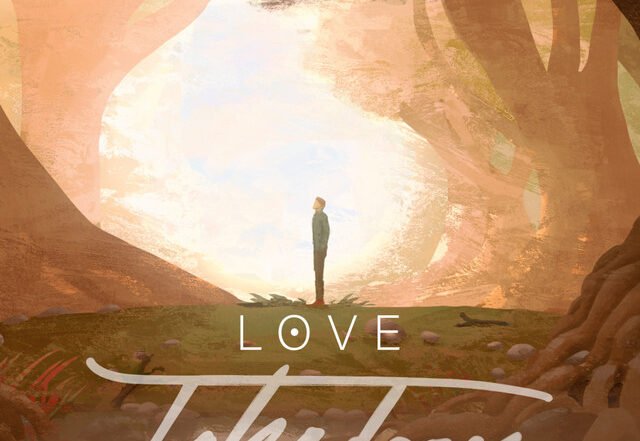
Takadoon – Love
“Почувствуйте этим солнечным утром нотки любви вместе с музыкой -Takadoon- в жанре Jazz Fusion. Мелодия вместе с вами спокойно плывёт по своему течению, медленно покачивая на своих спокойных звуковых волнах. Всё, что вам нужно, это позволить этой мелодии прикоснуться к вашему сердцу и наполнить его теплом.”
“Feel this sunny morning notes of love with music -takadoon- In the Jazz Fusion genre. The melody with you calmly swims in its stream, slowly shaking on its calm sound waves. All you need is to allow this melody to touch your heart and fill it with warmth.” *
“Fühlen Sie diese sonnigen Morgennoten der Liebe mit Musik – Takadoon – im Jazz -Fusion -Genre. Die Melodie mit Ihnen schwimmt ruhig in ihrem Bach und schüttelt langsam auf den ruhigen Klangwellen. Alles, was Sie brauchen, ist, diese Melodie Ihr Herz zu berühren und es mit Wärme zu füllen.” *
-Nagamag.com
The song “Takadoon – Love” is released by recordJet
Song Sources for “Takadoon – Love”:
Spotify: https://open.spotify.com/track/334D9ISW7eDSFiLR55HtNv
Youtube: https://www.youtube.com/watch?v=nKdWGRCpnQ0
Apple Music: https://music.apple.com/us/album/love/1666084894?i=1666084895
Deezer: https://www.deezer.com/track/2149435817
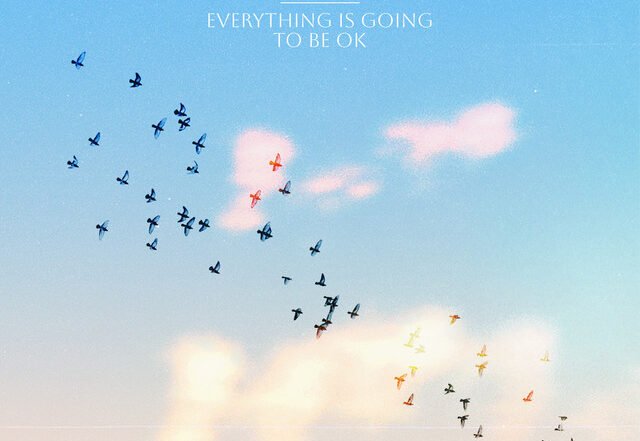
GoGo Penguin – Everything Is Going To Be OK
“With different and kind of unusual time signature that most songs are using is the main thing that separate this amazing jazz composition. Amazing melodic structure and harmonies are only shined more brightly by the talented musicians that plays those instruments. No words can describe the actual feelings this composition awakes.”
“Με διαφορετική και είδος ασυνήθιστης χρονικής υπογραφής που χρησιμοποιούν τα περισσότερα τραγούδια είναι το κύριο πράγμα που χωρίζει αυτή την εκπληκτική σύνθεση τζαζ. Η εκπληκτική μελωδική δομή και οι αρμονίες λάμπουν μόνο πιο έντονα από τους ταλαντούχους μουσικούς που παίζουν αυτά τα όργανα. Καμία λέξη δεν μπορεί να περιγράψει τα πραγματικά συναισθήματα που ξυπνά αυτή η σύνθεση.” *
“Con una firma de tiempo diferente y inusual que la mayoría de las canciones están utilizando es lo principal que separa esta increíble composición de jazz. La sorprendente estructura melódica y las armonías solo brillan más por los músicos talentosos que toca esos instrumentos. Ninguna palabras puede describir los sentimientos reales que esta composición despierta.” *
-Nagamag.com
Song Sources for “GoGo Penguin – Everything Is Going To Be OK”:
Spotify: https://open.spotify.com/track/4JPj5HzPn5sRfwzqH9HMgX
Youtube: https://www.youtube.com/watch?v=DolDqHG6FSI
Find GoGo Penguin on Socials:
Instagram: https://www.instagram.com/gogo_penguin/
Twitter: https://twitter.com/GoGo_Penguin
Latest Jazz discoveries
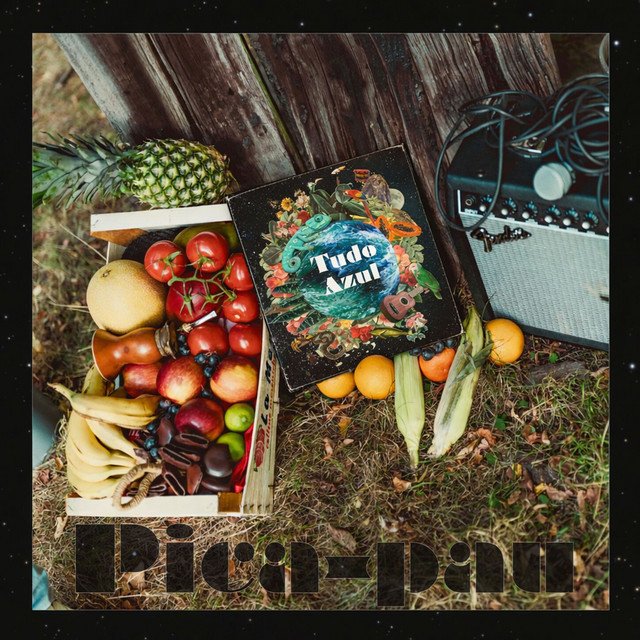
“Pica-pau” by Tudo Azul | Jazz Review
Στο Pica-pau, οι Tudo Azul μετατρέπουν την ελαφρότητα σε συνειδητή αισθητική επιλογή, χτίζοντας ένα κομμάτι που πάλλεται από ... >>> Read full review & listen to the song on Nagamag #jazzfusion #tudoazul #germany #nagamag #musicmagazine #musicreview #review

“Pretty” by Jah Gordy | Jazz Review
Το Pretty” του Jah Gordy διοχετεύει μια ακατέργαστη, σχεδόν σωματική ενέργεια, στηριζόμενο σε μια μελωδία που δεν φοβάται να... >>> Read full review & listen to the song on Nagamag # #jahgordy #unitedstates #nagamag #musicmagazine #musicreview #review
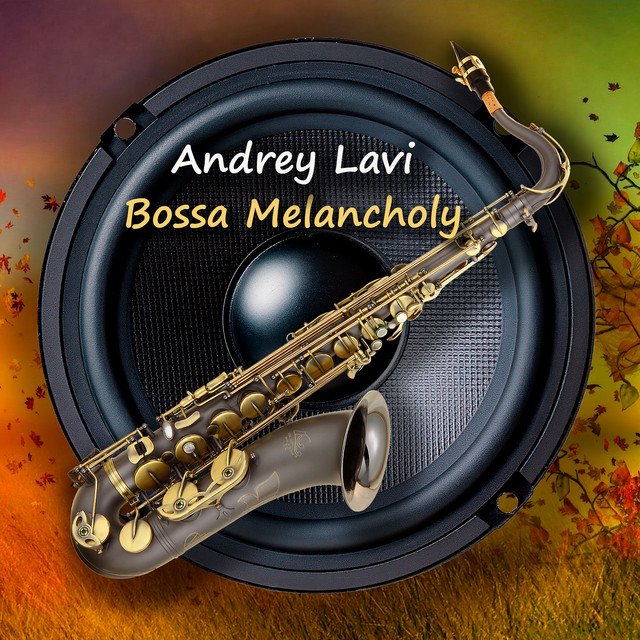
Jazz Review: Andrey Lavi – Bossa Melancholy
Το Bossa Melancholy” του Andrey Lavi ξεδιπλώνεται με μια διακριτική πολυτέλεια, σαν νυχτερινό breeze που ακουμπά απαλά το δέ... >>> Read full review & listen to the song on Nagamag #jazz #bossanova #andreylavi #nagamag #musicmagazine #musicreview #review
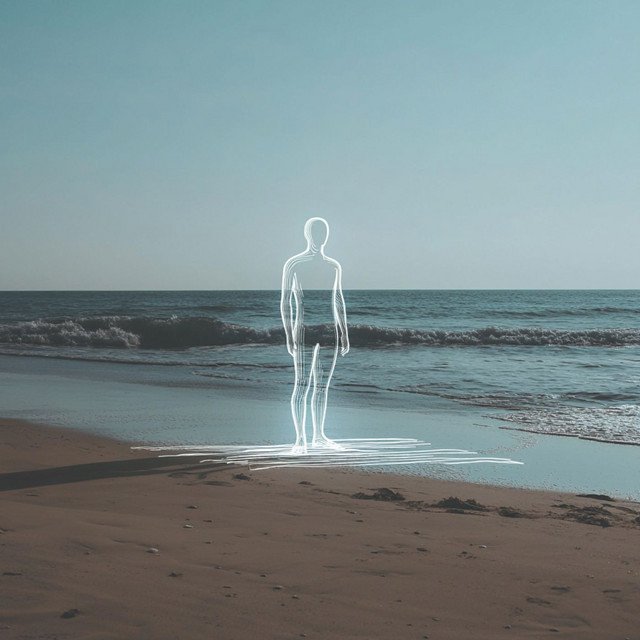
“In The Dark (Ft. Arkine) (Toby Lewis-Evans Remix) (Remix by Toby Lewis-Evans)” by Mini Sants | A Jazz Breakdown Review
Το In The Dark (Toby Lewis-Evans Remix)” μετατρέπει την αρχική του αύρα σε κάτι πιο φωτεινό, σχεδόν ηλιόλουστο, χωρίς να χάν... >>> Read full review & listen to the song on Nagamag #disco #dreampop #nudisco #nagamag #musicmagazine #musicreview #review
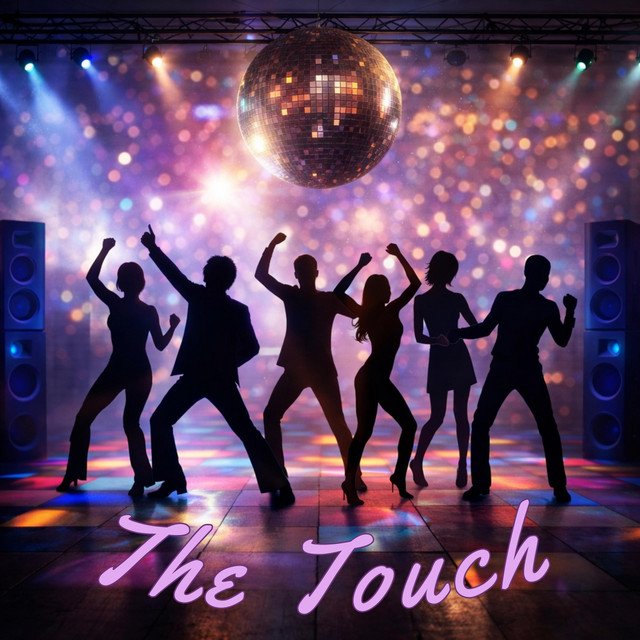
Release Review: Streetwise – The Touch | Jazz Music
Το The Touch” των Streetwise αφήνει την υπέροχη μελωδία του να απλώσει μια διακριτική χρυσόσκονη, εγκαθιστώντας από νωρίς μι... >>> Read full review & listen to the song on Nagamag #disco #retrosoul #streetwise #unitedstates #nagamag #musicmagazine #musicreview #review
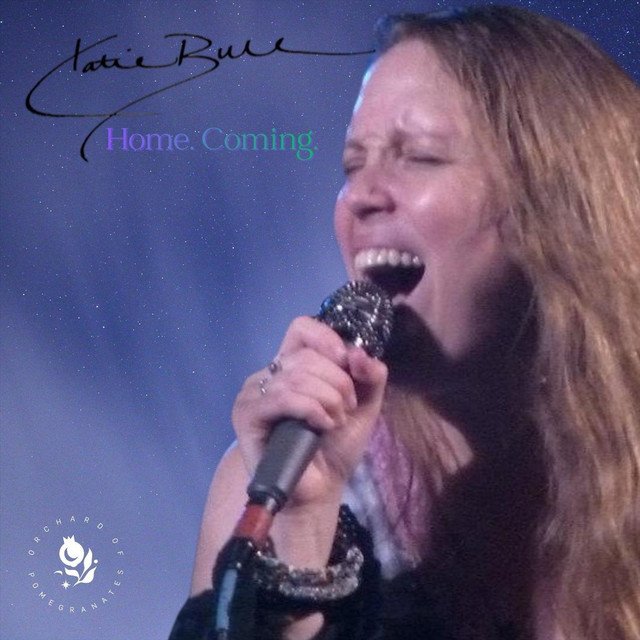
Release Review: Katie Bull – Home. Coming. | Jazz Music
Το Home. Coming. ξεκινά ως μια σχεδόν απτική εμπειρία, όπου τα φωνητικά της Katie Bull γίνονται η καρδιά του κομματιού, φέρνο... >>> Read full review & listen to the song on Nagamag #jazz #freejazz #katiebull #unitedstates #nagamag #musicmagazine #musicreview #review
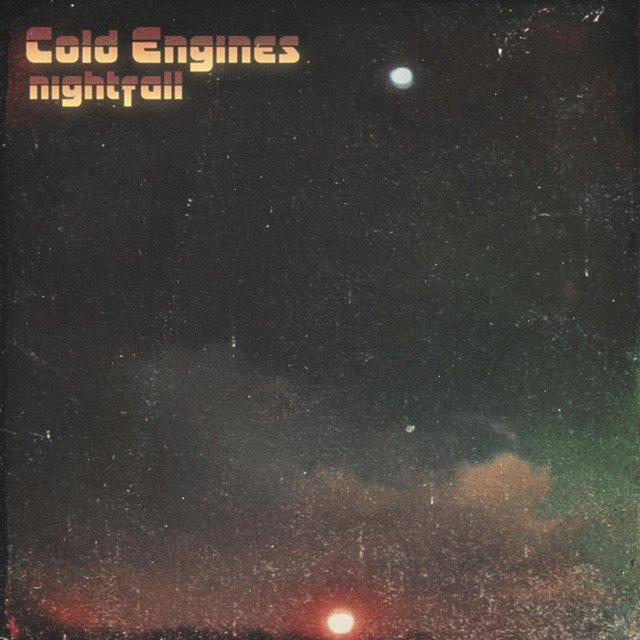
Cold Engines – Nightfall | Review
Το Nightfall ισορροπεί ανάμεσα στη σωματικότητα και τον έλεγχο, σαν να γνωρίζει ακριβώς πότε να σε αφήσει να χαθείς και πότε ... >>> Read full review & listen to the song on Nagamag #funk #coldengines #unitedstates #nagamag #musicmagazine #musicreview #review
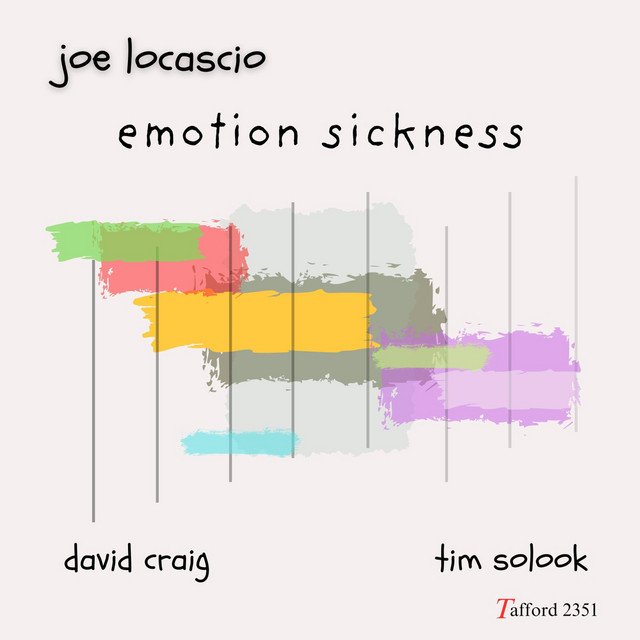
Joe LoCascio – Lucia, My Love | Review
Το Lucia, My Love του Joe LoCascio” αναπτύσσεται με μια λεπτεπίλεπτη, σχεδόν κινηματογραφική ηρεμία, που μοιάζει να αιωρείται... >>> Read full review & listen to the song on Nagamag #jazz #joelocascio #unitedstates #nagamag #musicmagazine #musicreview #review

Nathanial Young – Why I Owe You | Review
Στο Why I Owe You, ο Nathanial Young στήνει μια νυχτερινή σκηνή σχεδόν κινηματογραφική. Καθώς ο θόρυβος της πόλης σβήνει και ... >>> Read full review & listen to the song on Nagamag #jazz #nathanialyoung #unitedstates #nagamag #musicmagazine #musicreview #review
Some Jazz subgenres
There are many subgenres of jazz, and the boundaries between them can be somewhat fluid. Here are a few of the most common subgenres of jazz:
Dixieland jazz: Also known as “traditional” or “New Orleans” jazz, this style is characterized by its use of collective improvisation and a strong rhythm section, featuring instruments such as the trumpet, trombone, and clarinet.
Swing: This style emerged in the 1930s and 1940s and is characterized by its use of a swinging rhythm and big band instrumentation. It was popularized by bands led by musicians such as Duke Ellington and Benny Goodman.
Bebop: This style emerged in the 1940s and is characterized by its fast tempo, complex chord progressions, and extensive use of improvisation. It was popularized by musicians such as Charlie Parker and Dizzy Gillespie.
Cool jazz: This style emerged in the 1950s and is characterized by its use of complex harmonies and a laid-back, relaxed approach to rhythm. It was popularized by musicians such as Miles Davis and Dave Brubeck.
Fusion: This style emerged in the 1970s and is characterized by its incorporation of elements from other genres of music, such as rock, funk, and world music. It was popularized by musicians such as John McLaughlin and Chick Corea.
Smooth jazz: This style emerged in the 1980s and is characterized by its use of electronic instrumentation and a focus on melody and groove. It was popularized by musicians such as George Benson and Grover Washington Jr.
Hard bop: This style emerged in the 1950s and is characterized by its use of blues and gospel influences and its incorporation of elements from bebop and swing. It was popularized by musicians such as Horace Silver and Art Blakey.
Free jazz: This style emerged in the 1960s and is characterized by its use of extended improvisation and a lack of strict chord progressions or other formal structures. It was popularized by musicians such as Ornette Coleman and John Coltrane.
Latin jazz: This style is characterized by its incorporation of Latin American rhythms and melodies, as well as its use of percussion instruments such as congas, timbales, and bongos. It was popularized by musicians such as Tito Puente and Cal Tjader.
Acid jazz: This style emerged in the 1980s and is characterized by its incorporation of elements from funk, soul, and hip hop, as well as its use of electronic instrumentation. It was popularized by musicians such as Brand New Heavies and Jamiroquai.
Jazz-rock: This style emerged in the 1970s and is characterized by its incorporation of elements from rock music and its use of electric instruments. It was popularized by musicians such as Mahavishnu Orchestra and Weather Report.
Jazz-funk: This style is characterized by its incorporation of elements from funk music and its use of electric instruments and groove-based rhythms. It was popularized by musicians such as James Brown and George Clinton.
As with any genre of music, these subgenres are just a few of the many that exist within the broader category of jazz. There are many other styles and variations within jazz.
The most used instruments in Jazz Music
There are many different instruments that are commonly used in jazz music, and the specific instruments used can vary depending on the style and context of the music. Here are a few of the most common instruments used in jazz:
Piano: The piano is a common instrument in jazz music and is often used to provide the harmonic foundation for the music. Jazz pianists may use a range of techniques, including comping (providing chordal accompaniment), soloing (performing a melodic solo), and improvising (creating music spontaneously).
Drums: The drums are an important part of the rhythm section in jazz music and are often used to create a swinging or groove-based feel. Jazz drummers may use a range of techniques, including various stick and cymbal patterns, to create complex rhythms and interactive interactions with other musicians.
Bass: The bass is another important part of the rhythm section in jazz music and is often used to provide the foundation for the music. Jazz bassists may use a range of techniques, including walking bass lines (a repeating pattern of notes played over the chord progression of a song) and soloing, to create a strong rhythmic and melodic foundation for the music.
Guitar: The guitar is often used in jazz music and can play a variety of roles, from providing chordal accompaniment to soloing. Jazz guitarists may use a range of techniques, including chord voicings (arrangements of notes in a chord), arpeggios (broken chords played one note at a time), and improvisation, to create complex and interesting musical textures.
Saxophone: The saxophone is a common instrument in jazz music and is often used to play melodies and improvise solos. Jazz saxophonists may use a range of techniques, including alternate fingerings, multiphonics (playing more than one pitch at a time), and circular breathing (a technique for continuous blowing), to create a wide range of sounds and textures.
Vocals: Vocals are often used in jazz music, and many jazz singers have made significant contributions to the genre. Jazz vocals can take many forms, ranging from scat singing (improvised vocalizations using nonsense syllables) to more traditional vocal styles such as singing with lyrics. Some famous jazz singers include Billie Holiday, Ella Fitzgerald, and Louis Armstrong, all of whom are known for their unique vocal styles and ability to improvise.
In addition to traditional vocals, many jazz musicians also use electronic effects and processing to manipulate their voices, creating a wide range of sounds and textures. Some jazz musicians, such as Bobby McFerrin and Gregory Porter, have made significant contributions to the genre using only their voices, without any accompanying instruments.
In jazz music, lyrics are often used in the same way as in other genres of music, to express emotions, tell a story, or convey a message. However, jazz lyrics may also be used to create a structure for improvisation or to provide a basis for scat singing, which is a form of vocal improvisation in which the singer uses nonsense syllables instead of actual words.
Jazz lyrics may also be more abstract and poetic than lyrics in other genres of music, and may use figurative language or symbolism to convey meaning. Jazz lyrics often reflect the social and cultural contexts in which the music was created, and may address themes such as love, loss, hope, and social or political issues.
Overall, vocals and the meaning of lyrics in jazz music depends on the context in which they are used and the intentions of the songwriter. They can be used to express emotions, tell a story, convey a message, or provide a structure for the music to follow.