
Jazz Music ⁞ New Releases⁞ Artist Interviews⁞ Music News
Introduction of Jazz Music
Jazz is a genre of music that originated in the African-American communities of New Orleans, United States, in the late 19th and early 20th centuries. It is characterized by its use of improvisation, complex harmonic structures, and a wide range of musical influences, including blues, gospel, and European classical music. Jazz is known for its swing rhythm, which is created by the use of syncopated rhythms and a strong pulse. It is often played by small ensembles, such as a quintet or sextet, and is known for its ability to adapt to a wide range of musical contexts and styles. Jazz has had a significant influence on many other genres of music, and has been an important part of the cultural fabric of the United States and the rest of the world for more than a century.
Jazz by Nagamag Playlist on Spotify
Recent Jazz Interviews
Jazz Featured Releases
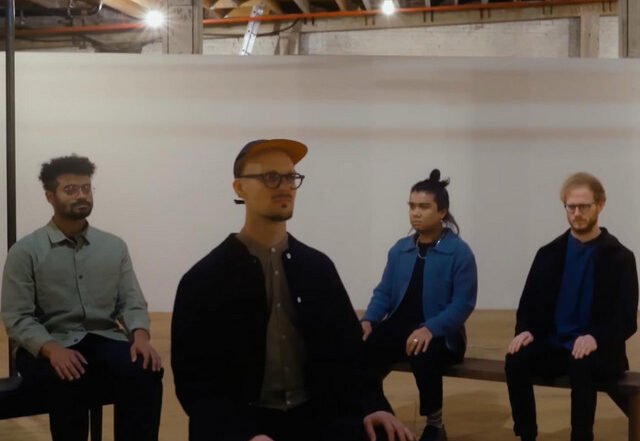
Noah Rott – Lay My Shield Aside
“Эта Nu Jazz композиция уникальна тем, что она словно ведёт с вами внутренний диалог — разговаривает, прикасается к вам и открывая все запертые двери вашей души входит к вам в сердце как в свой дом. Вы чувствуете её тепло, которое резонирует и обволакивает со всех сторон. Прекрасный музыкальный перфоманс от -Noah Rott-.”
“This Nu Jazz composition is unique in that it seems to lead an internal dialogue with you – she talks, touches you and opening all the locked doors of your soul enters your heart as in your house. You feel her warmth that resonates and envelops from all sides. Excellent musical performance from -Noah Rott-.” *
“Diese Nu -Jazz -Komposition ist insofern einzigartig, als sie einen internen Dialog mit Ihnen zu führen scheint – sie spricht, berührt Sie und öffnet alle verschlossenen Türen Ihrer Seele wie in Ihrem Haus in Ihr Herz. Sie spüren ihre Wärme, die von allen Seiten mitschwingt und umhüllt. Ausgezeichnete musikalische Leistung von -Noah rott-.” *
-Nagamag.com
Song Sources for “Noah Rott – Lay My Shield Aside”:
Spotify: https://open.spotify.com/track/0J5ux3SRqGSEN6tdHglrtn
Youtube: https://www.youtube.com/watch?v=hzPkPcT-4jI
Find Noah Rott on Socials:
Instagram: https://www.instagram.com/__noah__rott__/
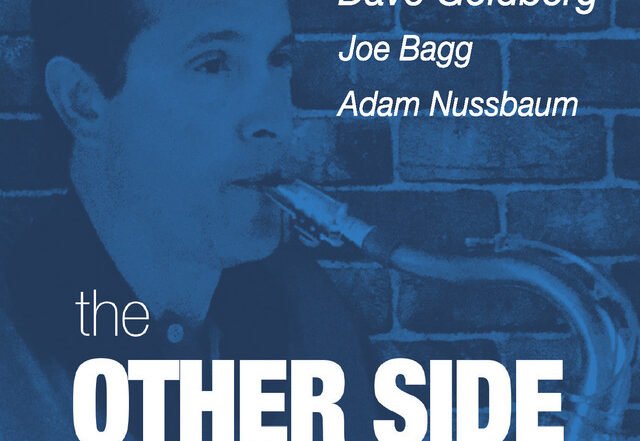
Dave Goldberg – The Other Side
“Song feels like a perfectly produced jazz session with an amazing saxophone solo. Groove and drums are creating some basic structure and makes the flow of the song so smooth. Longer arrangement feels like it is just not enough for this kind of a beautiful journey. Every moment is just amazing, note played and instrument used, soundscapes of wonders. ”
“Το τραγούδι αισθάνεται σαν μια τέλεια παραγόμενη συνάντηση τζαζ με ένα εκπληκτικό σόλο σαξόφωνο. Τα αυλάκια και τα τύμπανα δημιουργούν κάποια βασική δομή και κάνουν τη ροή του τραγουδιού τόσο ομαλή. Η μακρύτερη ρύθμιση αισθάνεται σαν να μην αρκεί για αυτό το είδος όμορφου ταξιδιού. Κάθε στιγμή είναι απλά εκπληκτική, η σημείωση που παίζεται και το όργανο που χρησιμοποιείται, τα ηχητικά τοπία των θαύματα.” *
“Song se siente como una sesión de jazz perfectamente producida con un increíble solo de saxofón. El ritmo y la batería están creando una estructura básica y hace que el flujo de la canción sea tan suave. El arreglo más largo parece que no es suficiente para este tipo de hermoso viaje. Cada momento es simplemente increíble, nota tocada y se usa el instrumento, los paisajes sonoros de las maravillas.” *
-Nagamag.com
The song “Dave Goldberg – The Other Side” is released by Tritone Records
Song Sources for “Dave Goldberg – The Other Side”:
Spotify: https://open.spotify.com/track/4OZFEADQlPElavbCDOaLsG
Youtube: https://www.youtube.com/watch?v=oTPHGzuKsQI
Deezer: https://www.deezer.com/track/2156512797

Secret Night Gang – Don’t Know What Tomorrow Brings
“Really amazing jazz song, full of all the elements and instruments combined together in a marvelous way. Blissful vocals adds a perfect blend of emotion and melancholic depth to the song. Lush saxophone themes in the background are layered with a smooth but groovy beats. Trumpet themes makes a wonderful addition to the peak moments within the song. ”
“Πραγματικά εκπληκτικό τραγούδι τζαζ, γεμάτο από όλα τα στοιχεία και τα όργανα σε συνδυασμό με θαυμάσιο τρόπο. Τα ευτυχισμένα φωνητικά προσθέτουν ένα τέλειο μείγμα συναισθημάτων και μελαγχολικού βάθους στο τραγούδι. Τα καταπράσινα θέματα σαξόφωνο στο παρασκήνιο είναι στρωμένα με ομαλά αλλά αυλάκια. Τα θέματα της τρομπέτας κάνουν μια θαυμάσια προσθήκη στις κορυφαίες στιγμές μέσα στο τραγούδι.” *
“Una canción de jazz realmente sorprendente, llena de todos los elementos e instrumentos combinados de una manera maravillosa. Blissful Vocals agrega una combinación perfecta de emoción y profundidad melancólica a la canción. Los exuberantes temas de saxofón en el fondo están en capas con ritmos lisos pero maravillosos. Los temas de la trompeta hacen una maravillosa adición a los momentos máximos dentro de la canción.” *
-Nagamag.com
Song Sources for “Secret Night Gang – Don’t Know What Tomorrow Brings”:
Spotify: https://open.spotify.com/track/3OMgHxBdiu5VZsfvhVz5d9
Youtube: https://www.youtube.com/watch?v=Wym7LhmUdL8
Latest Jazz discoveries
Collaboration Critique: Endaf x Ruby – Dwisho Deud | Jazz Review
Στο Dwisho Deud, οι Endaf και Ruby χτίζουν έναν μικρό, υπνωτικό κόσμο όπου τα φωνητικά αιωρούνται σαν ομίχλη πάνω από μια δια... >>> Read full review & listen to the song on Nagamag #neosoul #endafxruby #endafxruby #unitedkingdom #nagamag #musicmagazine #musicreview #review
Colab Review: “Ainda” by Milton Gulli x Tayob J. | Jazz Release
Στο Ainda, η συνεργασία των Milton Gulli x Tayob J. απλώνεται σαν απογευματινό φως πάνω σε μια βελούδινη jazz αισθητική. Η με... >>> Read full review & listen to the song on Nagamag #neosoul #retrosoul #miltongullixtayobj #miltongullixtayobj #portugal #nagamag #musicmagazine #musicreview #review

Fresh Find Review: Howard Dubin – The Retirement Blues | Jazz Discovery
Στο The Retirement Blues του Howard Dubin, η τζαζ δεν εμφανίζεται απλώς ως στυλ αλλά ως διάθεση: ζωηρή, σκανταλιάρικη και γεμ... >>> Read full review & listen to the song on Nagamag #jazz #howarddubin #unitedstates #nagamag #musicmagazine #musicreview #review
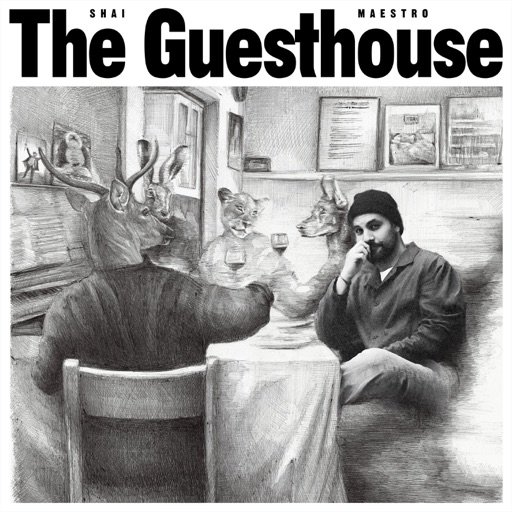
Colab Production Review: Maro x Shai Maestro – Gloria
Στο Gloria, η Maro συναντά τον Shai Maestro σε ένα κομμάτι που αναπνέει με τη σπάνια υπομονή της σύγχρονης chamber-pop. Οι νό... >>> Read full review & listen to the song on Nagamag #neo #modernclassical #maroxshaimaestro #maroxshaimaestro #spain #nagamag #musicmagazine #musicreview #review
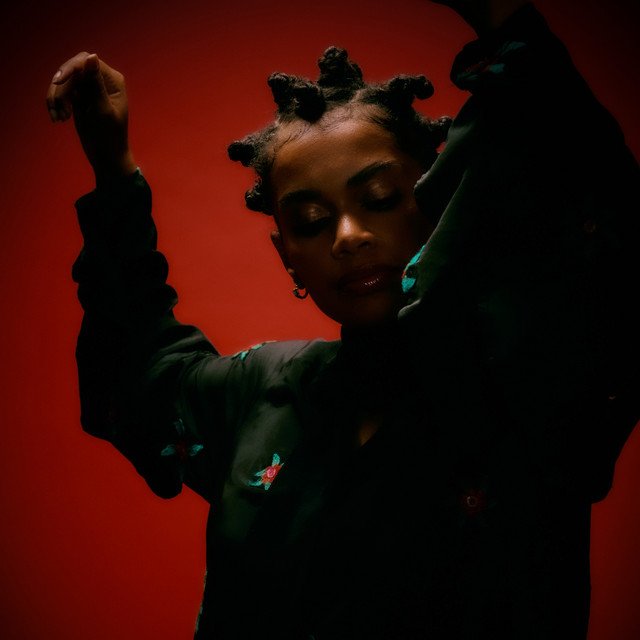
Collaboration Review: Joya Mooi x Lady Donli – Only Water | Jazz
Στο Only Water, η Joya Mooi συναντά τη Lady Donli σε ένα κομμάτι που κυλά με την ανεπιτήδευτη δροσιά ενός καλοκαιρινού απογεύ... >>> Read full review & listen to the song on Nagamag #neosoul #joyamooixladydonli #joyamooixladydonli #netherlands #nigeria #nagamag #musicmagazine #musicreview #review
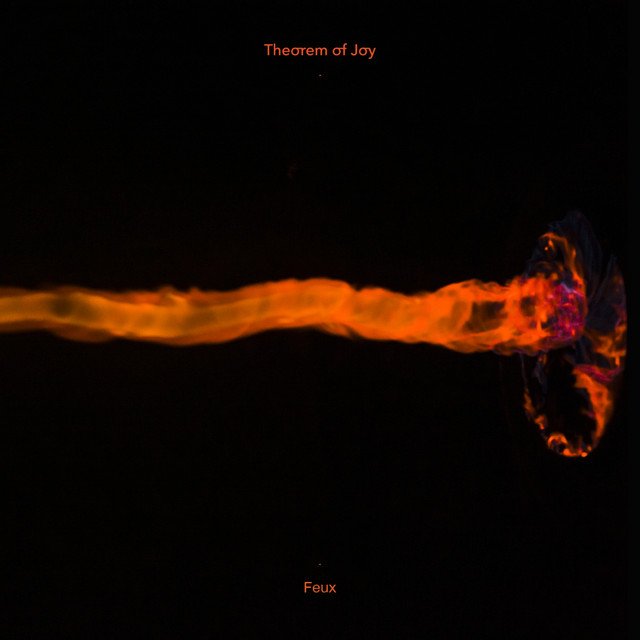
“Au Monde” by Theorem of joy | Jazz Song Review
Στο Au Monde, οι Theorem of Joy υφαίνουν μια ατμόσφαιρα που κινείται ανάμεσα στη διαύγεια και τη λεπτή ένταση. Η μελωδία ξεδι... >>> Read full review & listen to the song on Nagamag #nujazz #jazztronica #theoremofjoy #france #nagamag #musicmagazine #musicreview #review

“Kala Patthar” by Raanan Havusha | A Jazz Breakdown Review
Στο Kala Patthar, ο Raanan Havusha χτίζει μια μελωδία που πάλλεται από πάθος και έντονο ταμπεραμέντο. Το κομμάτι κινείται με ... >>> Read full review & listen to the song on Nagamag #nujazz #jazztronica #raananhavusha #israel #nagamag #musicmagazine #musicreview #review

Single Critique: “Chance” by Anmeij | Jazz Review
Στο Chance η Anmeij αφήνει τη μελωδία να αναπνεύσει πριν τη δούμε να ανθίζει σε αργή κίνηση, σαν να δοκιμάζει τα όρια της ίδι... >>> Read full review & listen to the song on Nagamag #neosoul #reggae #anmeij #germany #nagamag #musicmagazine #musicreview #review
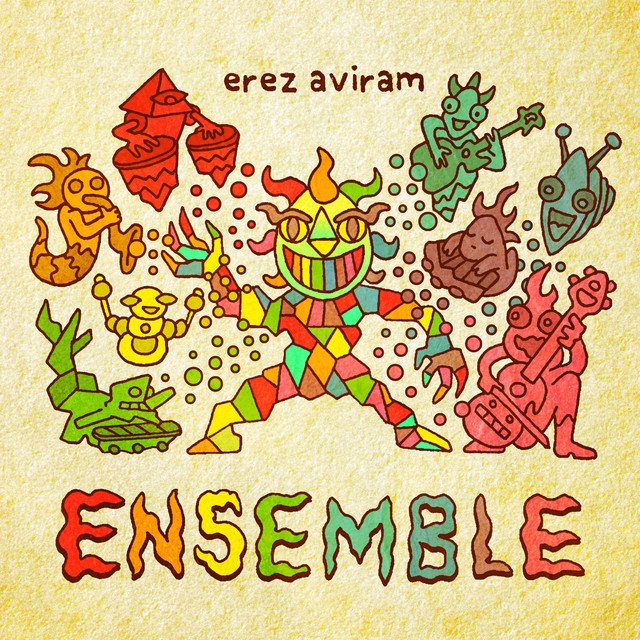
Erez Aviram – Quarantrio Review | Jazz Discovery
Στο Quarantrio, ο Erez Aviram μετατρέπει την ένταση της απομόνωσης σε δημιουργική έκρηξη. Η μελωδία διαθέτει ταπεραμέντο και ... >>> Read full review & listen to the song on Nagamag #funk #erezaviram #unitedstates #nagamag #musicmagazine #musicreview #review
Some Jazz subgenres
There are many subgenres of jazz, and the boundaries between them can be somewhat fluid. Here are a few of the most common subgenres of jazz:
Dixieland jazz: Also known as “traditional” or “New Orleans” jazz, this style is characterized by its use of collective improvisation and a strong rhythm section, featuring instruments such as the trumpet, trombone, and clarinet.
Swing: This style emerged in the 1930s and 1940s and is characterized by its use of a swinging rhythm and big band instrumentation. It was popularized by bands led by musicians such as Duke Ellington and Benny Goodman.
Bebop: This style emerged in the 1940s and is characterized by its fast tempo, complex chord progressions, and extensive use of improvisation. It was popularized by musicians such as Charlie Parker and Dizzy Gillespie.
Cool jazz: This style emerged in the 1950s and is characterized by its use of complex harmonies and a laid-back, relaxed approach to rhythm. It was popularized by musicians such as Miles Davis and Dave Brubeck.
Fusion: This style emerged in the 1970s and is characterized by its incorporation of elements from other genres of music, such as rock, funk, and world music. It was popularized by musicians such as John McLaughlin and Chick Corea.
Smooth jazz: This style emerged in the 1980s and is characterized by its use of electronic instrumentation and a focus on melody and groove. It was popularized by musicians such as George Benson and Grover Washington Jr.
Hard bop: This style emerged in the 1950s and is characterized by its use of blues and gospel influences and its incorporation of elements from bebop and swing. It was popularized by musicians such as Horace Silver and Art Blakey.
Free jazz: This style emerged in the 1960s and is characterized by its use of extended improvisation and a lack of strict chord progressions or other formal structures. It was popularized by musicians such as Ornette Coleman and John Coltrane.
Latin jazz: This style is characterized by its incorporation of Latin American rhythms and melodies, as well as its use of percussion instruments such as congas, timbales, and bongos. It was popularized by musicians such as Tito Puente and Cal Tjader.
Acid jazz: This style emerged in the 1980s and is characterized by its incorporation of elements from funk, soul, and hip hop, as well as its use of electronic instrumentation. It was popularized by musicians such as Brand New Heavies and Jamiroquai.
Jazz-rock: This style emerged in the 1970s and is characterized by its incorporation of elements from rock music and its use of electric instruments. It was popularized by musicians such as Mahavishnu Orchestra and Weather Report.
Jazz-funk: This style is characterized by its incorporation of elements from funk music and its use of electric instruments and groove-based rhythms. It was popularized by musicians such as James Brown and George Clinton.
As with any genre of music, these subgenres are just a few of the many that exist within the broader category of jazz. There are many other styles and variations within jazz.
The most used instruments in Jazz Music
There are many different instruments that are commonly used in jazz music, and the specific instruments used can vary depending on the style and context of the music. Here are a few of the most common instruments used in jazz:
Piano: The piano is a common instrument in jazz music and is often used to provide the harmonic foundation for the music. Jazz pianists may use a range of techniques, including comping (providing chordal accompaniment), soloing (performing a melodic solo), and improvising (creating music spontaneously).
Drums: The drums are an important part of the rhythm section in jazz music and are often used to create a swinging or groove-based feel. Jazz drummers may use a range of techniques, including various stick and cymbal patterns, to create complex rhythms and interactive interactions with other musicians.
Bass: The bass is another important part of the rhythm section in jazz music and is often used to provide the foundation for the music. Jazz bassists may use a range of techniques, including walking bass lines (a repeating pattern of notes played over the chord progression of a song) and soloing, to create a strong rhythmic and melodic foundation for the music.
Guitar: The guitar is often used in jazz music and can play a variety of roles, from providing chordal accompaniment to soloing. Jazz guitarists may use a range of techniques, including chord voicings (arrangements of notes in a chord), arpeggios (broken chords played one note at a time), and improvisation, to create complex and interesting musical textures.
Saxophone: The saxophone is a common instrument in jazz music and is often used to play melodies and improvise solos. Jazz saxophonists may use a range of techniques, including alternate fingerings, multiphonics (playing more than one pitch at a time), and circular breathing (a technique for continuous blowing), to create a wide range of sounds and textures.
Vocals: Vocals are often used in jazz music, and many jazz singers have made significant contributions to the genre. Jazz vocals can take many forms, ranging from scat singing (improvised vocalizations using nonsense syllables) to more traditional vocal styles such as singing with lyrics. Some famous jazz singers include Billie Holiday, Ella Fitzgerald, and Louis Armstrong, all of whom are known for their unique vocal styles and ability to improvise.
In addition to traditional vocals, many jazz musicians also use electronic effects and processing to manipulate their voices, creating a wide range of sounds and textures. Some jazz musicians, such as Bobby McFerrin and Gregory Porter, have made significant contributions to the genre using only their voices, without any accompanying instruments.
In jazz music, lyrics are often used in the same way as in other genres of music, to express emotions, tell a story, or convey a message. However, jazz lyrics may also be used to create a structure for improvisation or to provide a basis for scat singing, which is a form of vocal improvisation in which the singer uses nonsense syllables instead of actual words.
Jazz lyrics may also be more abstract and poetic than lyrics in other genres of music, and may use figurative language or symbolism to convey meaning. Jazz lyrics often reflect the social and cultural contexts in which the music was created, and may address themes such as love, loss, hope, and social or political issues.
Overall, vocals and the meaning of lyrics in jazz music depends on the context in which they are used and the intentions of the songwriter. They can be used to express emotions, tell a story, convey a message, or provide a structure for the music to follow.